









FFT-sanctioned padel tournaments can adopt several game formats depending on the level, type of event, and logistical constraints. Although all matches count equally for ranking, the format can have an impact on the duration, effort management, and pace of the tournament. Here's an overview of the currently authorized formats.
Classic formats (complete sets)
- Format A1 : 3 sets to 6 games, with a tiebreaker at 6-6
- Format A2 : same as A1 but with decisive point (no advantage at 40A)
Intermediate formats (with super tie-break)
- B1 size : 2 sets of 6 games with a tiebreak at 6-6; the 3rd set is replaced by a super 10-point tie-break
- B2 size : same as B1 with decisive point
- C1 format : 2 sets of 4 games, tiebreaker at 4/4; 3rd set = super 10-point tiebreaker
- C2 format : same as C1 with decisive point
Shortened formats (short matches)
- D1 format : 1 set to 9 games, tiebreaker at 8-8
- D2 format : same as D1 with decisive point
- Format E : 1 super tie-break at 10 points (often used for classification matches or in case of rain)
- Format F : 1 set of 4 games , with decisive point et decisive game at 3-3
(new ultra-short format, used in exceptional cases)
Things to remember for youth competitions
- Obligation to use formats with a decisive point , except for format E (super tie-break alone).
Ranking: a single coefficient
Regardless of the format used (A1, B2, F, etc.), all matches have the same calculation coefficient for the FFT classification The format therefore only influences the duration of the match, but not the points won.

Franck Binisti discovered padel at the Club des Pyramides in 2009 in the Paris region. Since then, padel has been part of his life. You often see him touring France to cover major French padel events.


























































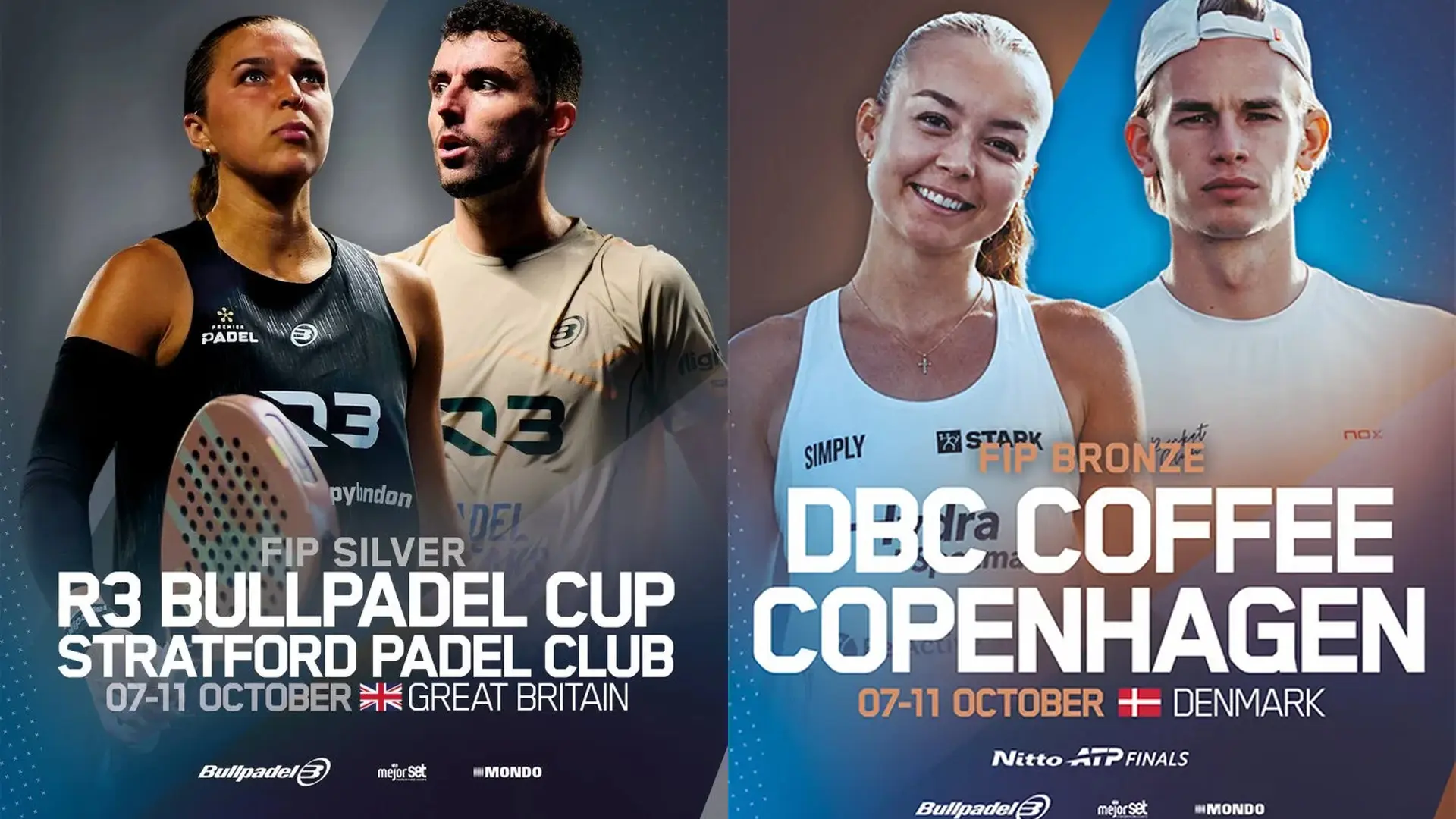 FIP Tour: Seurin / Joris, Boronad, Bahurel… French artists are meeting up all over Europe
 Godallier / Touly: a title, confidences and announcements that change everything…
 Blanqué/Leygue: "One of the most mentally challenging French Championships"
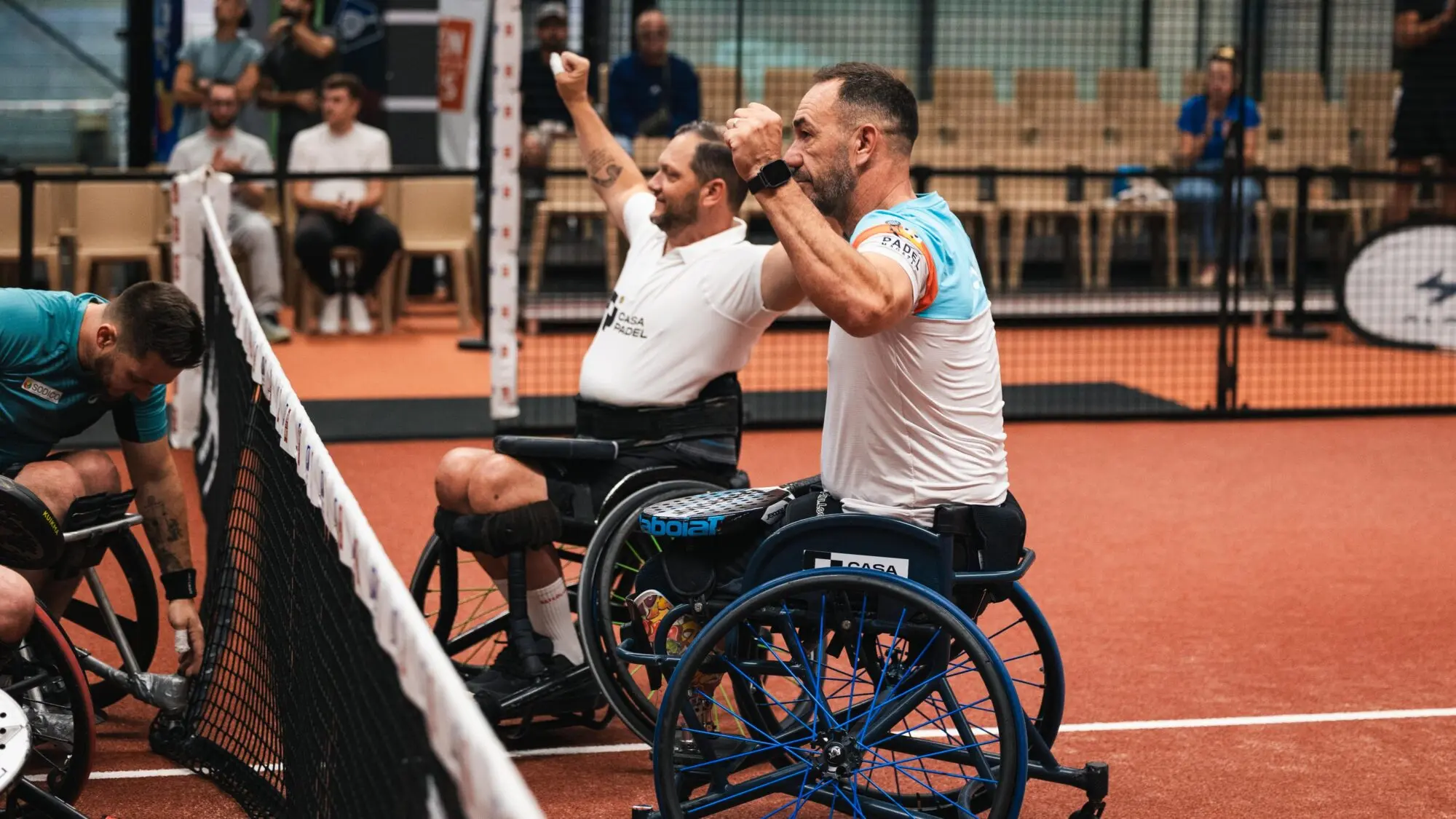 Sébastien Husser-Walther and Tony Boval: "The French are on the verge of reaching the Spanish level"
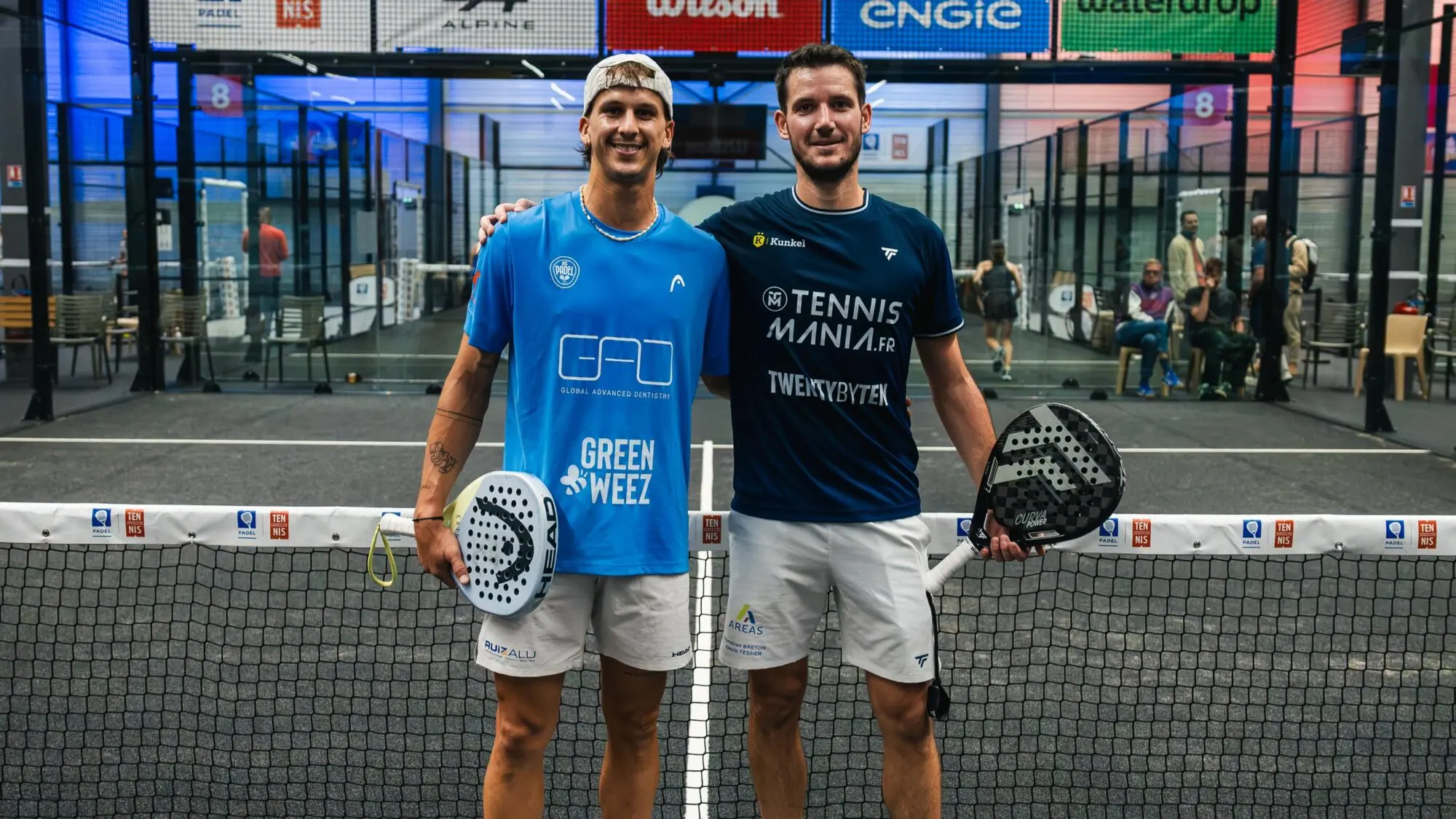 Forcin/Joris at the end of the suspense: "We win because we get along extremely well."
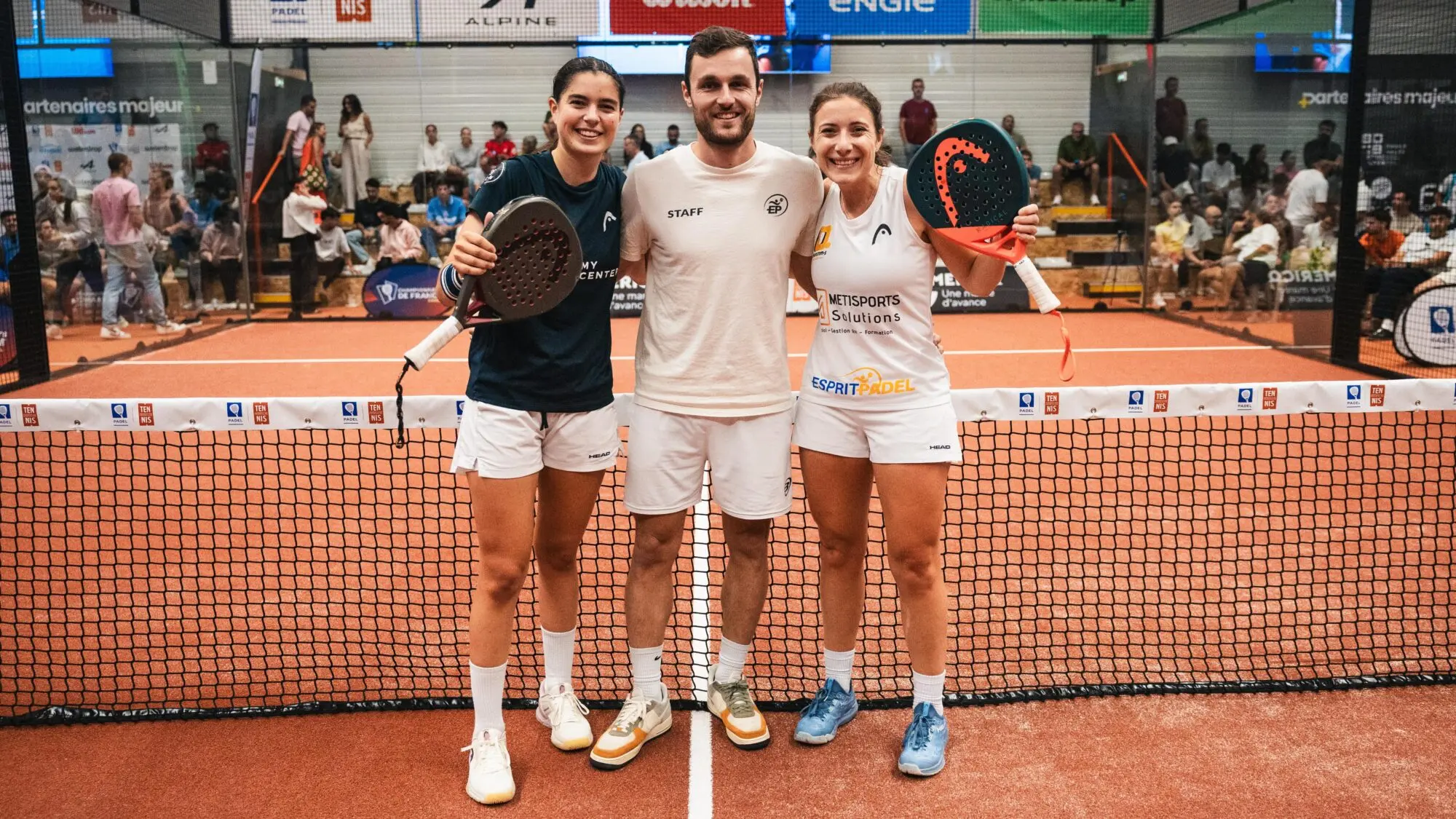 Bahurel/Pothier in the final: "Tomorrow, there will be an extra step up"
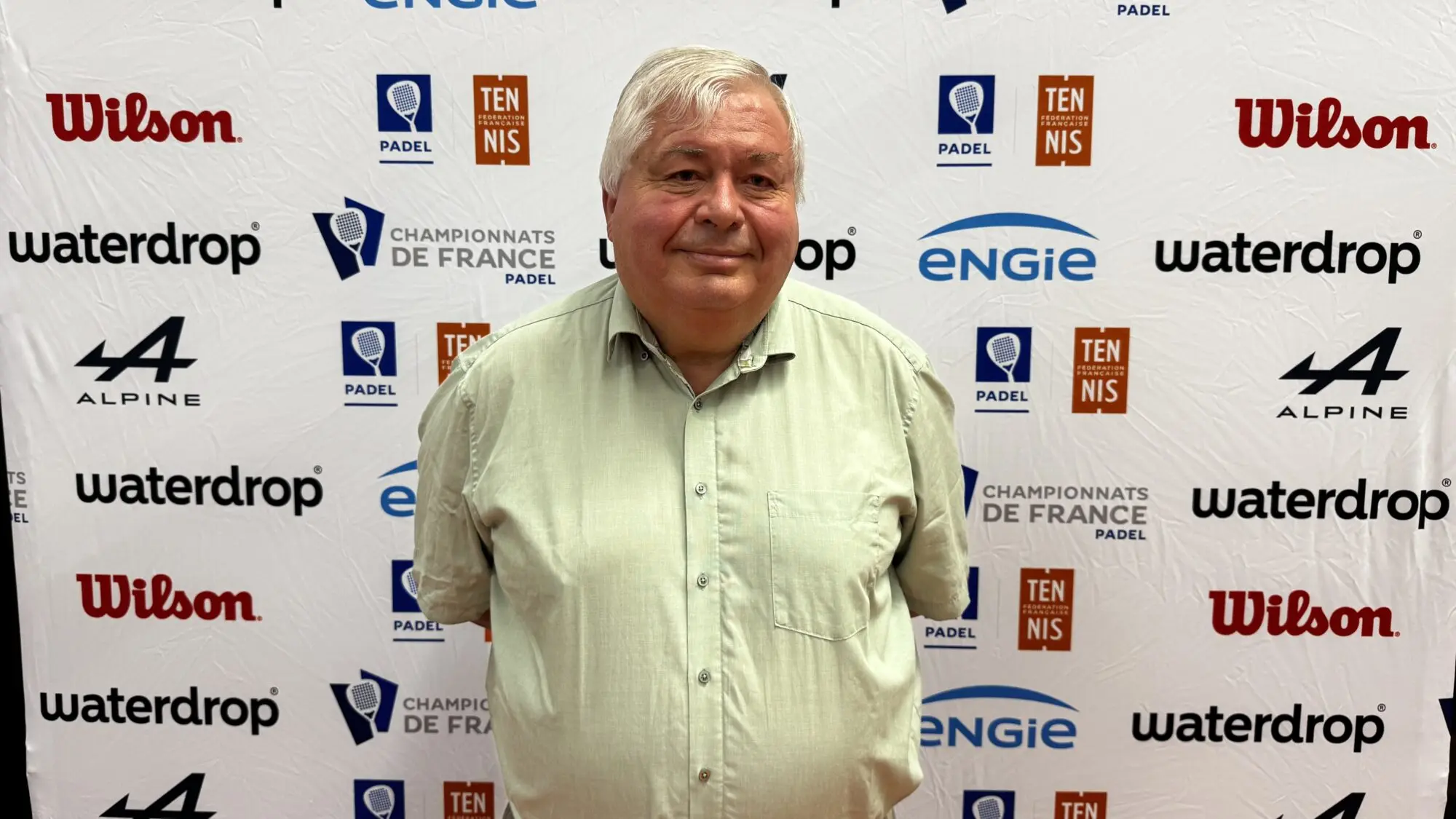 Eric Largeron: "In some places, there are too many tournaments and perhaps too many clubs..."
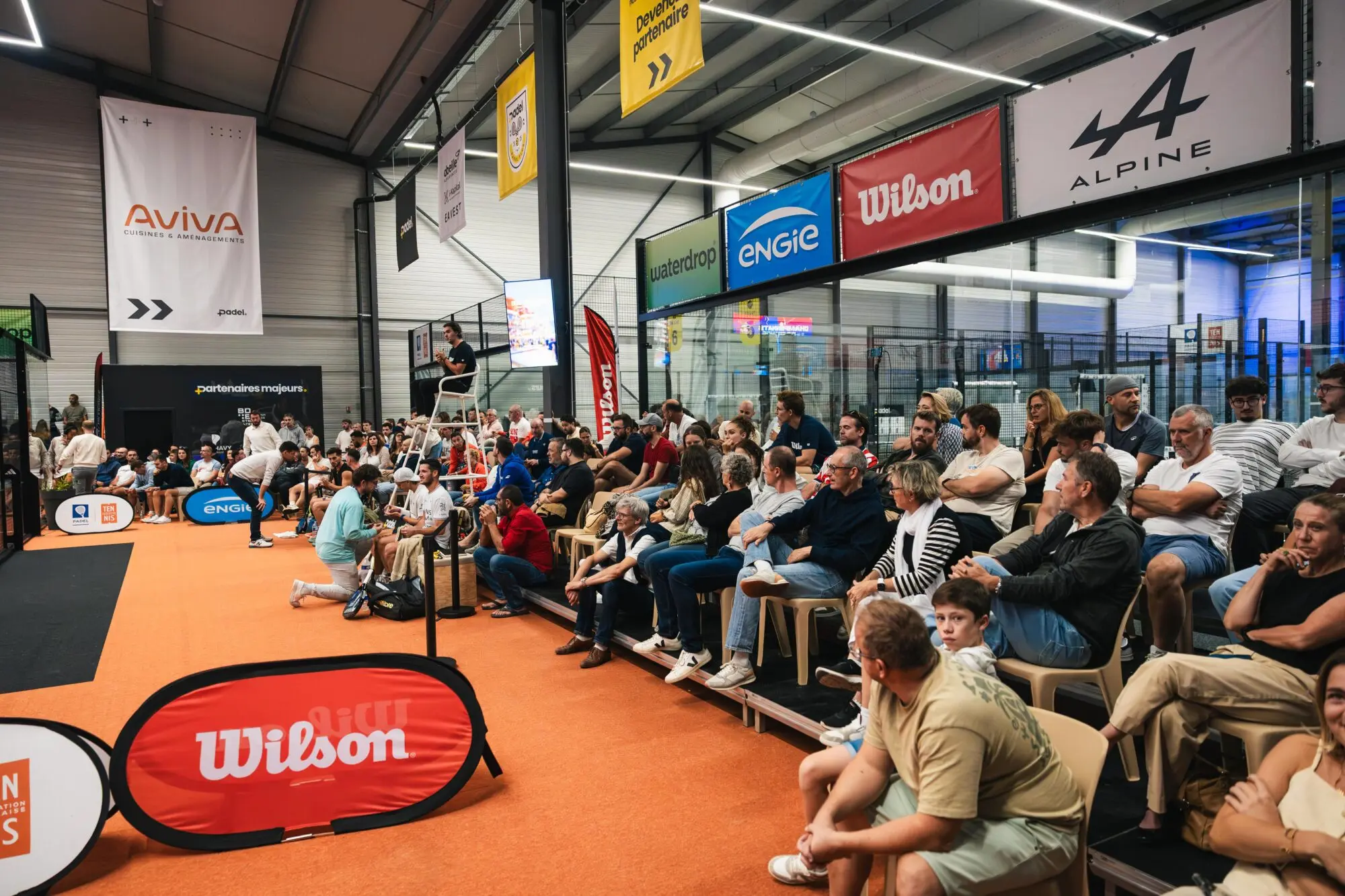 French Championships 2026: The good deals and the disappointments compared to the starting ranking
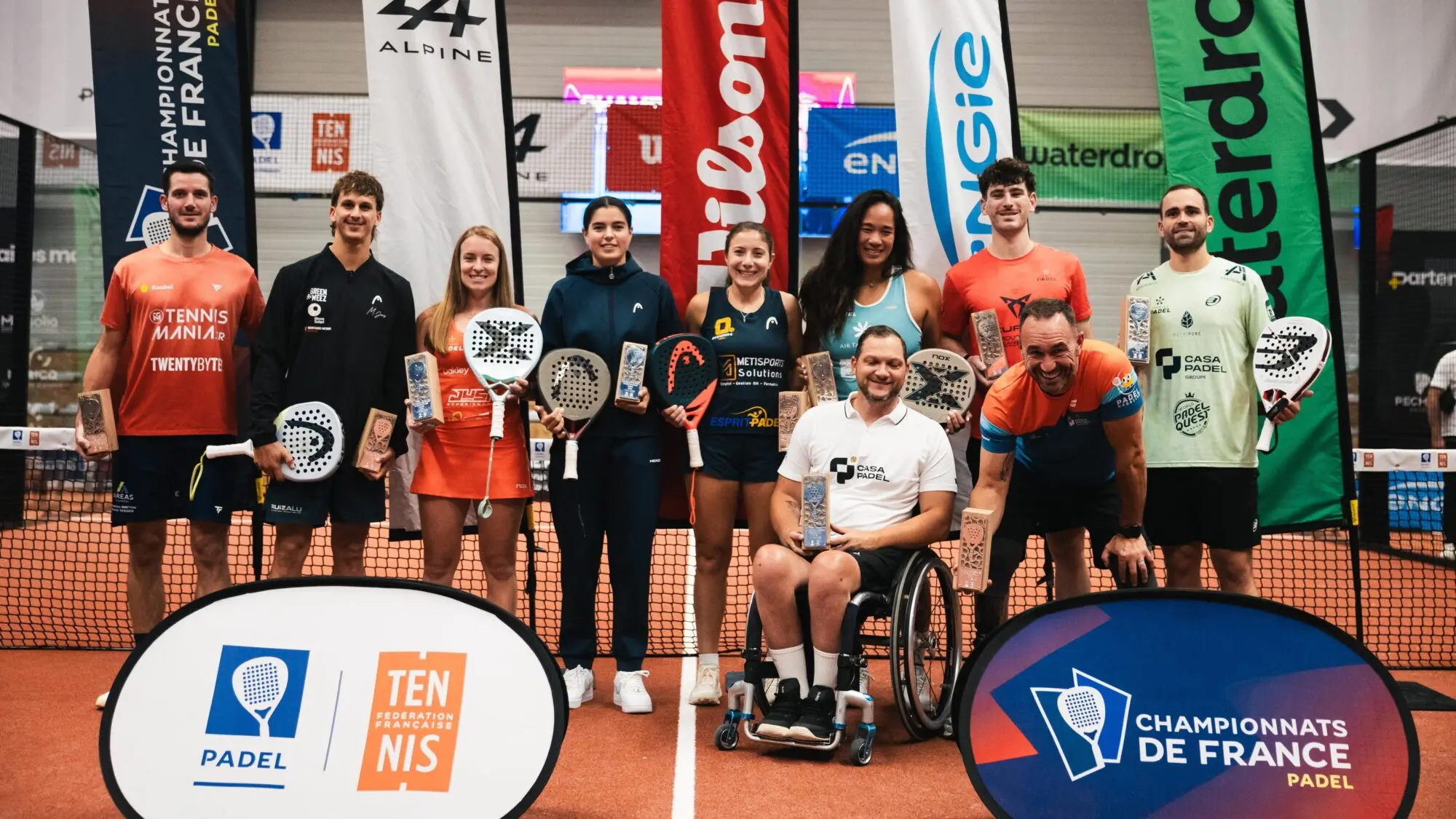 2026 French Padel Championships: Results and Standings
 Düsseldorf, a showcase of a Germany where padel is accelerating
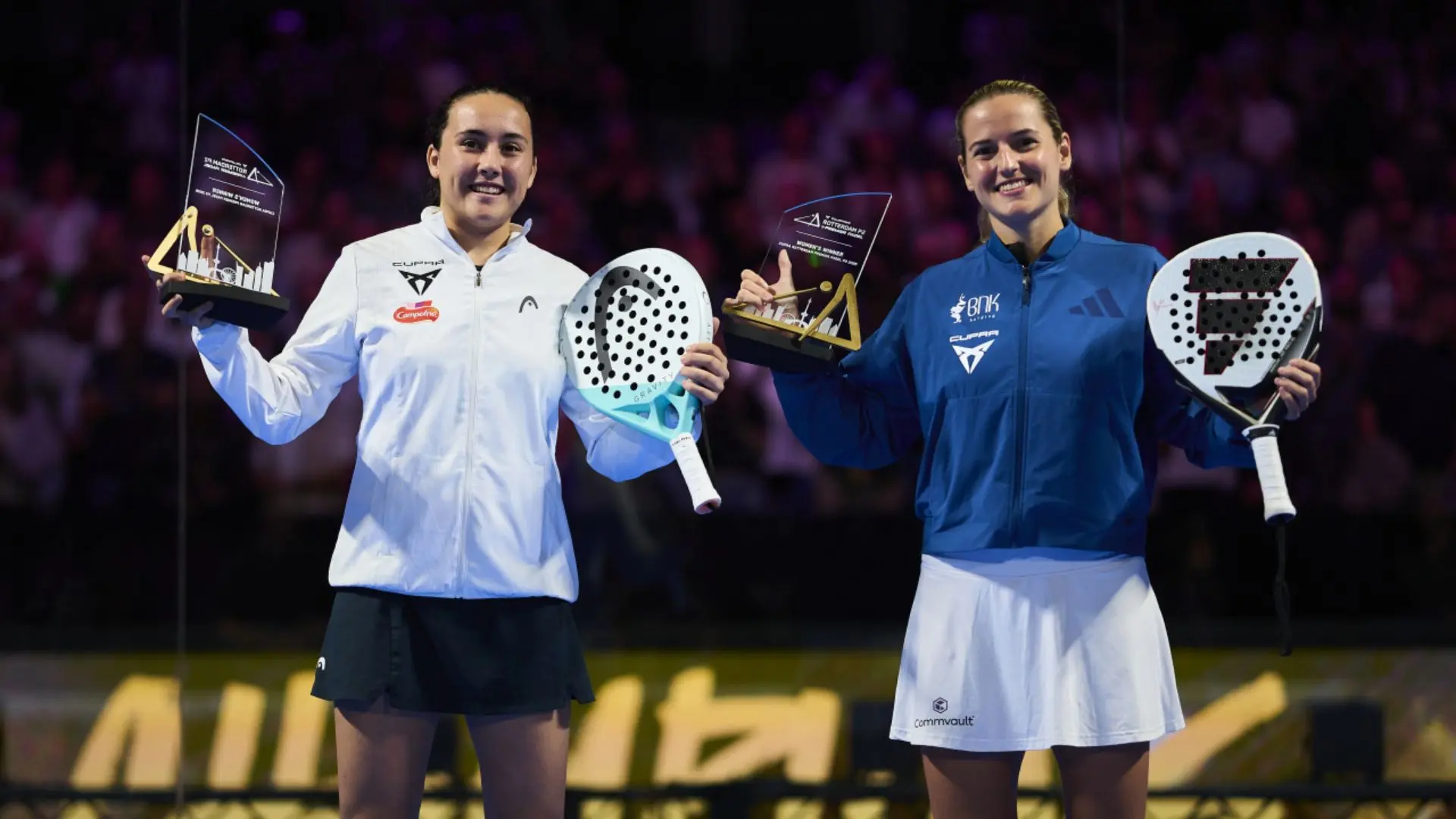 Sánchez/Ustero are only 160 points behind second place in the world: the end of the season could change everything
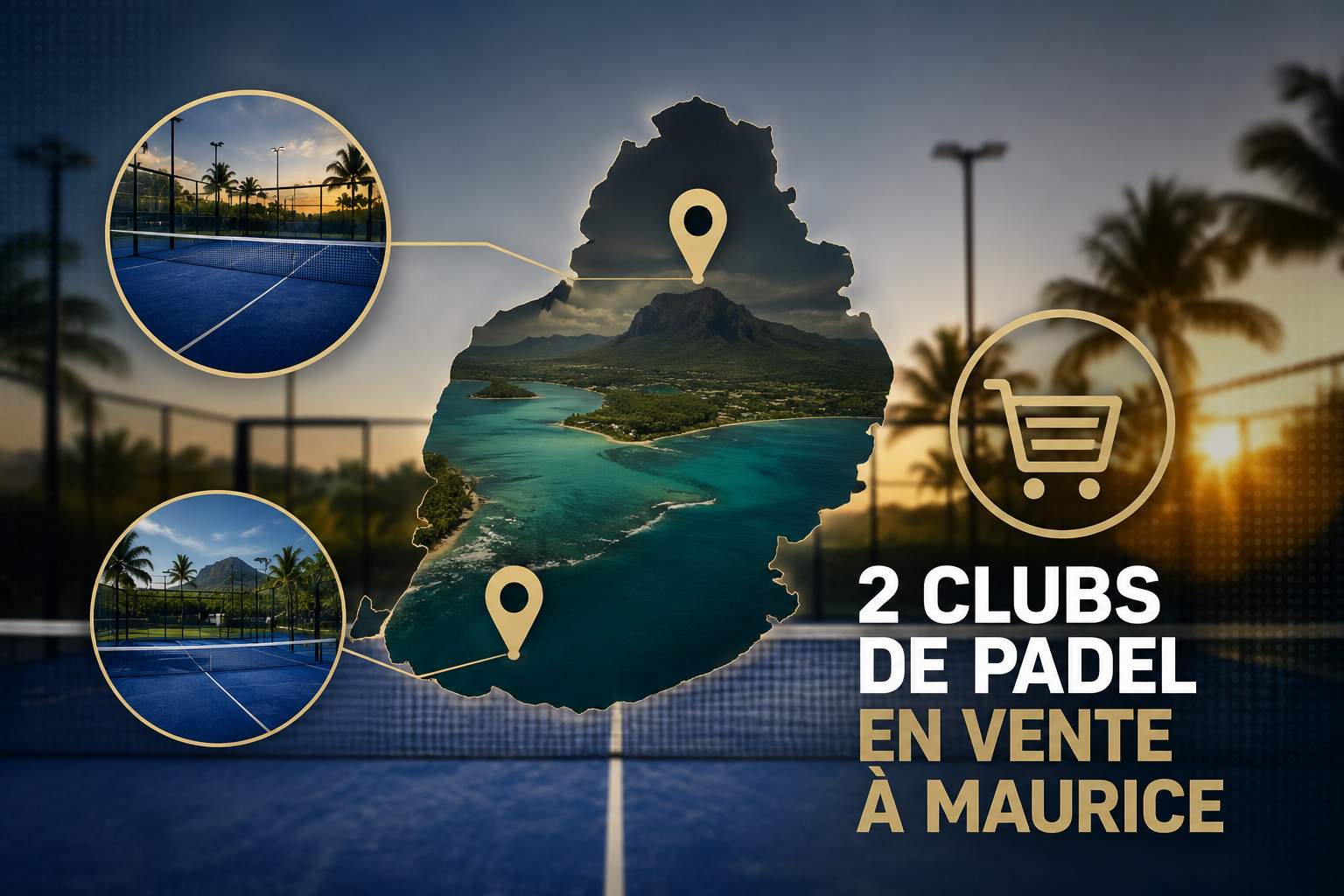 For sale: two padel clubs in Mauritius, starting from 330,000 euros
 How much does it actually cost to organize a FIP Bronze event?
 Padel How Lidl is transforming Crivit into a fully-fledged sports brand with Steffi Graf
 Compagnie des Alpes is accelerating its involvement in padel with PadelCity: a new step in its European strategy
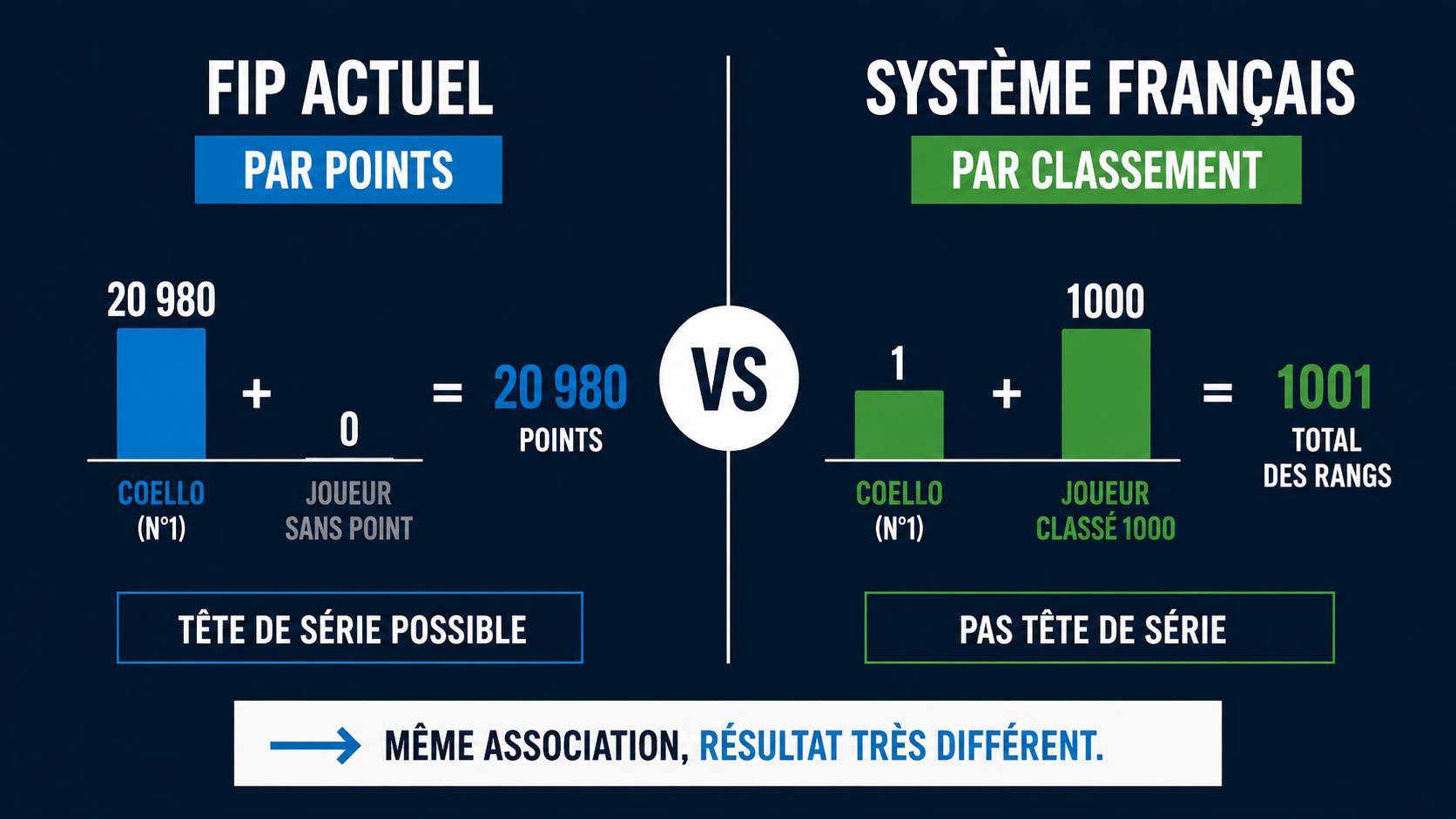 Coello with a player at 0 points ahead of two top 10 players: should the FIP ranking be reviewed?
 Les Pyramides: after 12 padel courts, the club is focusing on youth training
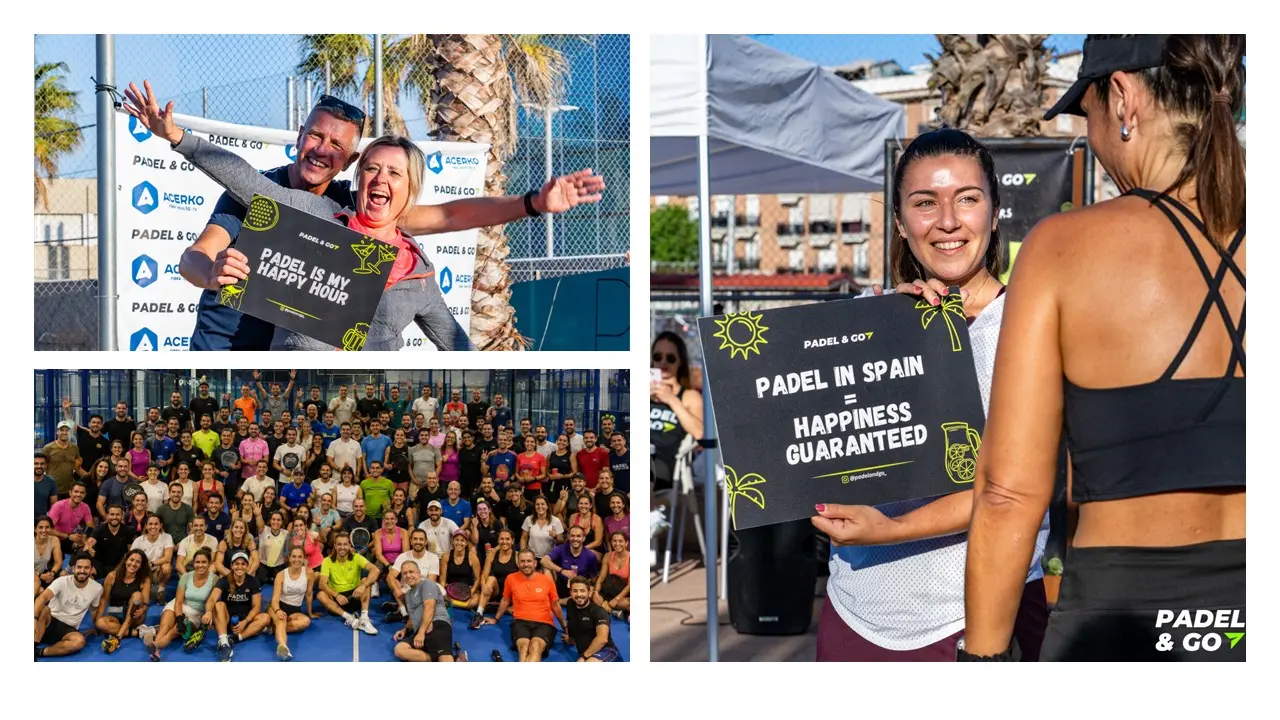 Health Care Padel Tour 2026: What if your next padel tournament was played in Barcelona?
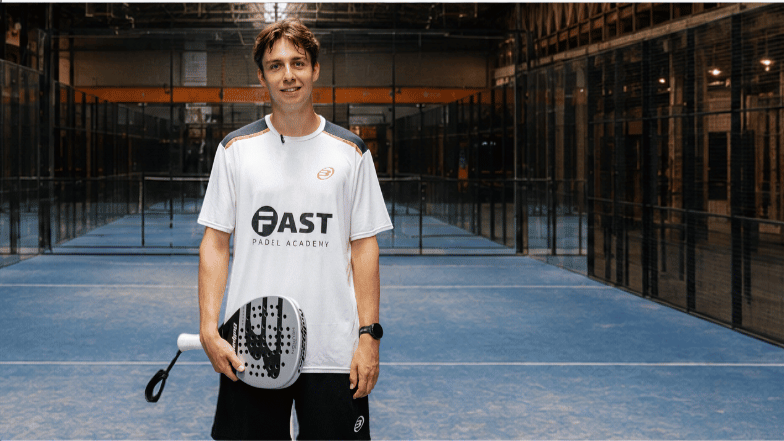 FAST Padel Academy continues its development and establishes itself in Liège.
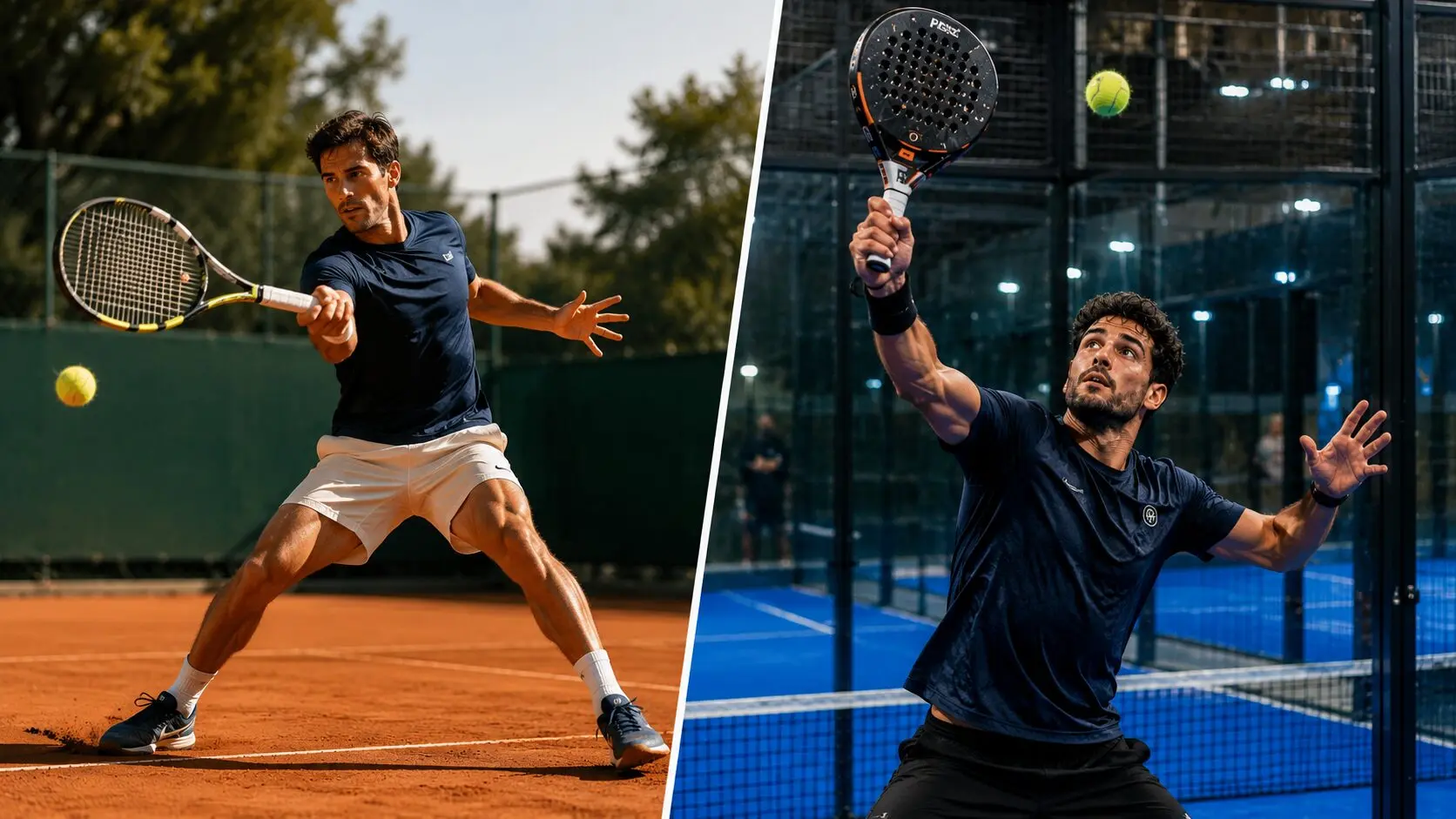 What the analysis of the stroke reveals: tennis forehand vs. padel bandeja
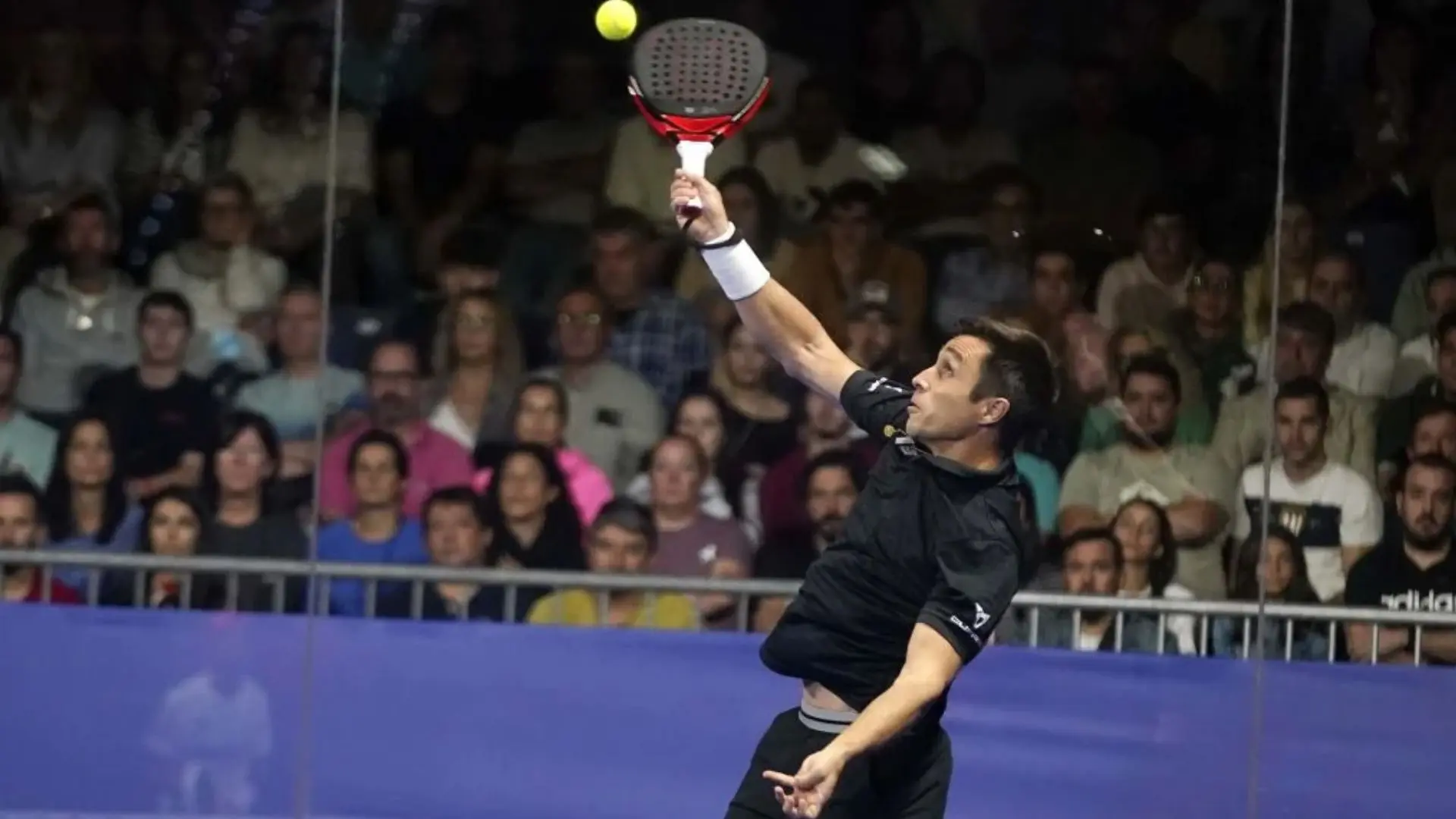 Has the bandeja disappeared from modern padel?
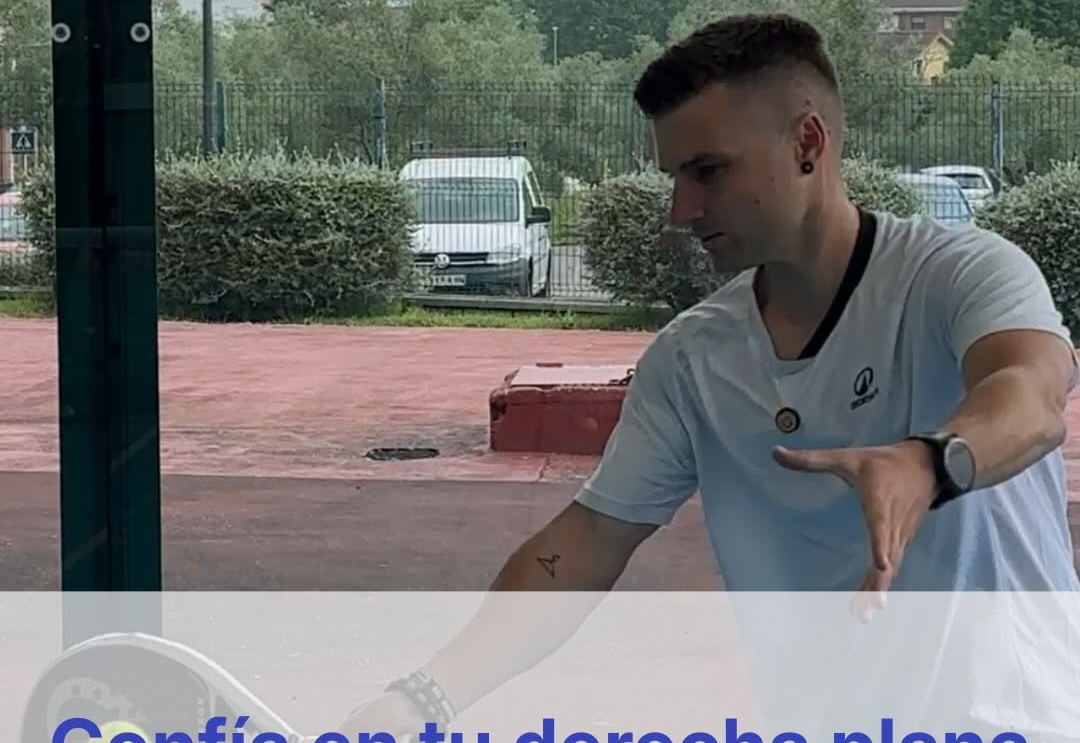 Flat forehand in padel: 5 exercises from Cristian Álvarez to gain control and efficiency
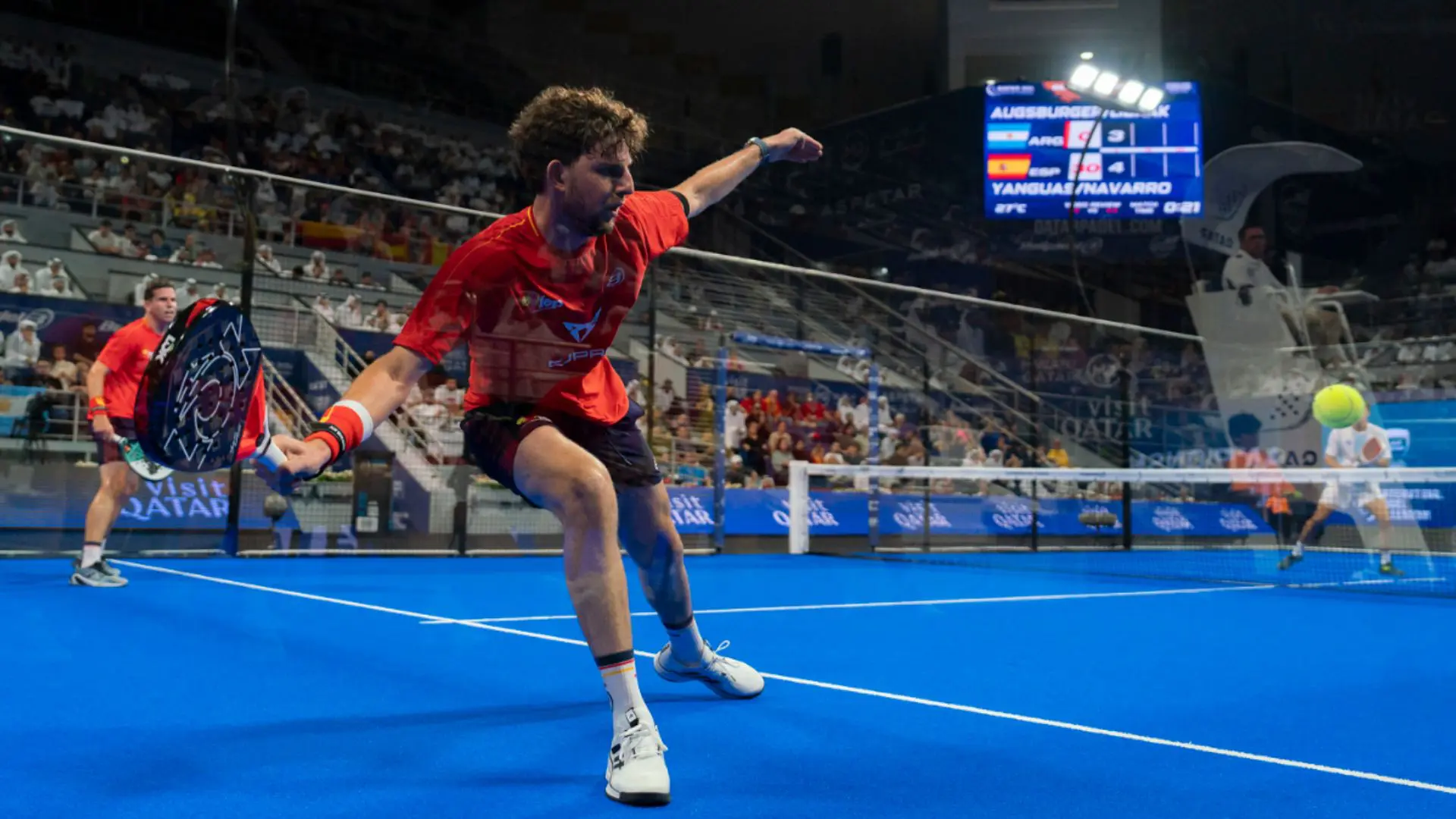 Why knowing how to play on the right and left can make all the difference
 Tapia reveals his recipe for beating Coello / Tapia: "I would bet everything on myself"
 How Coello defused Chingotto's game plan
 In padel, does the chemistry between a pair count as much as individual skill?
 Summer changes padel… but what if the real challenge wasn't hitting harder?
 Neither FIP Tour nor World Team Championship: the unique format of padel at the Mediterranean Games
 Premier Padel : when television can lengthen players' breaks
 Premier Padel Yes, a referee can refuse a player permission to go to the toilet
 Julien Seurin opens up about his mental state: "There are far more doubts than moments of happiness."
 More than a year later, Thomas Leygue is back in the top 150: behind the scenes of a comeback that's still unfinished
 Padel vs squash vs badminton: the scientific ranking of cardio intensity
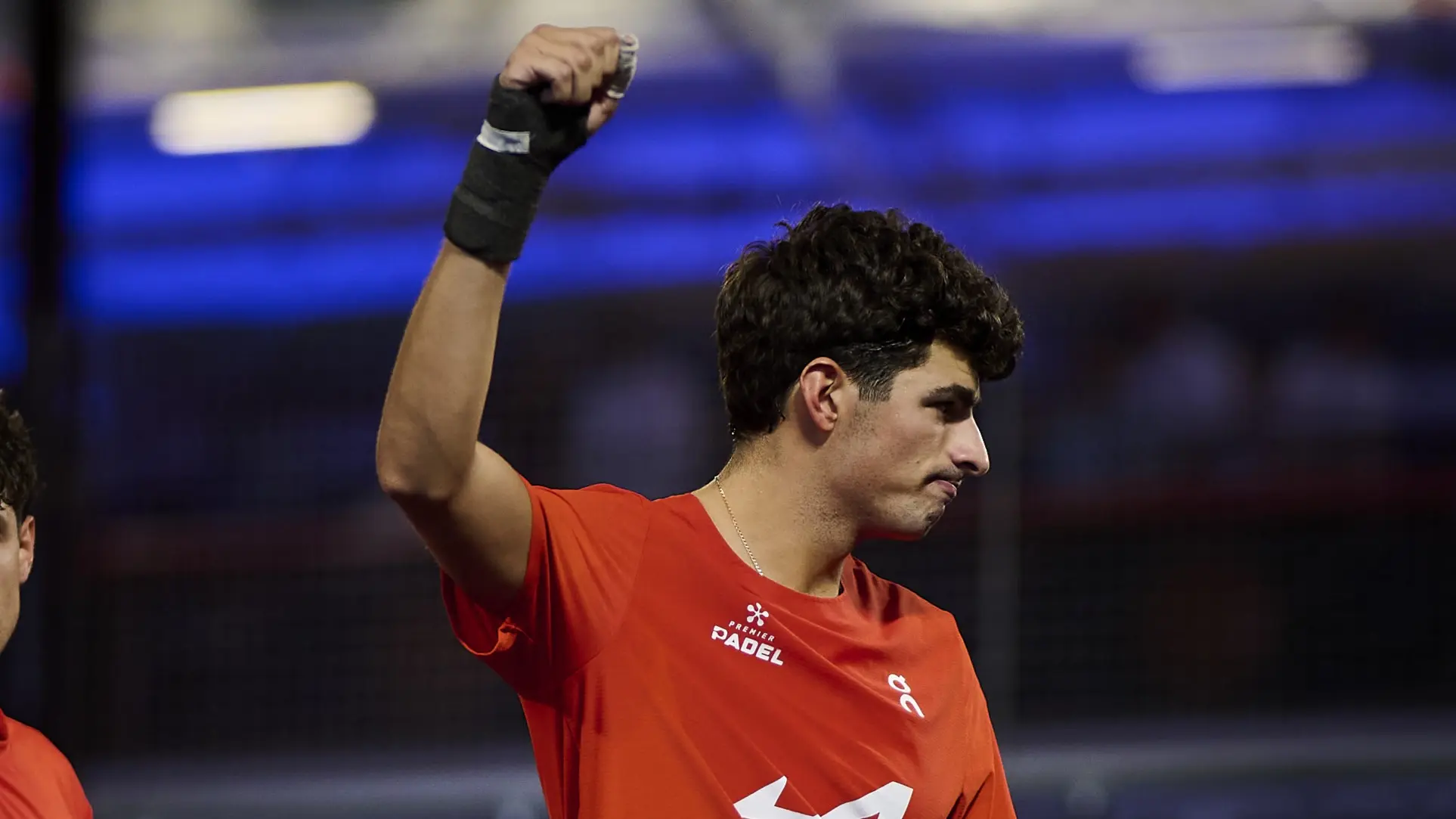 Why does Arturo Coello play with his right hand bandaged?
 What if your progress in padel depended on what nobody else is looking at?