

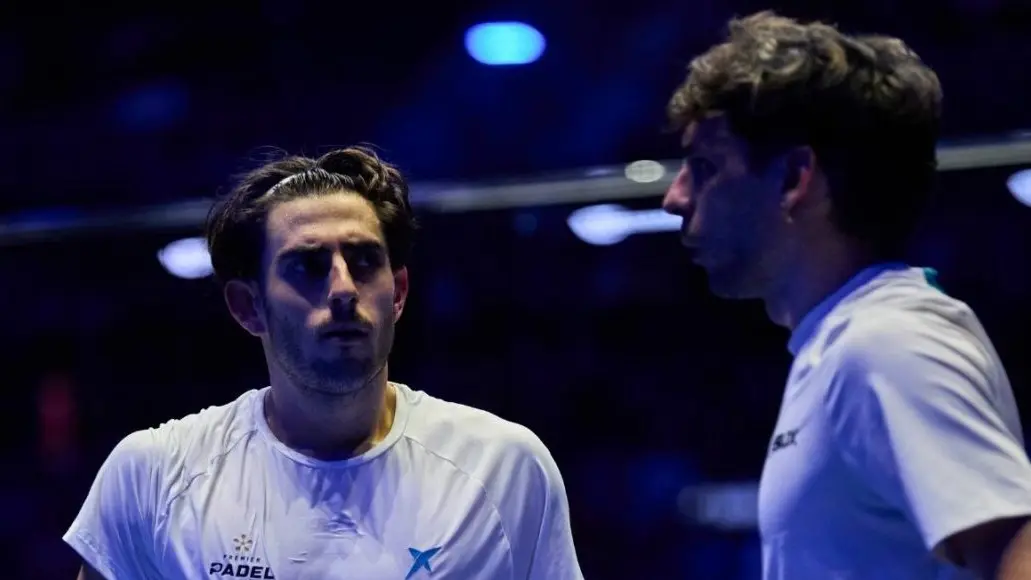








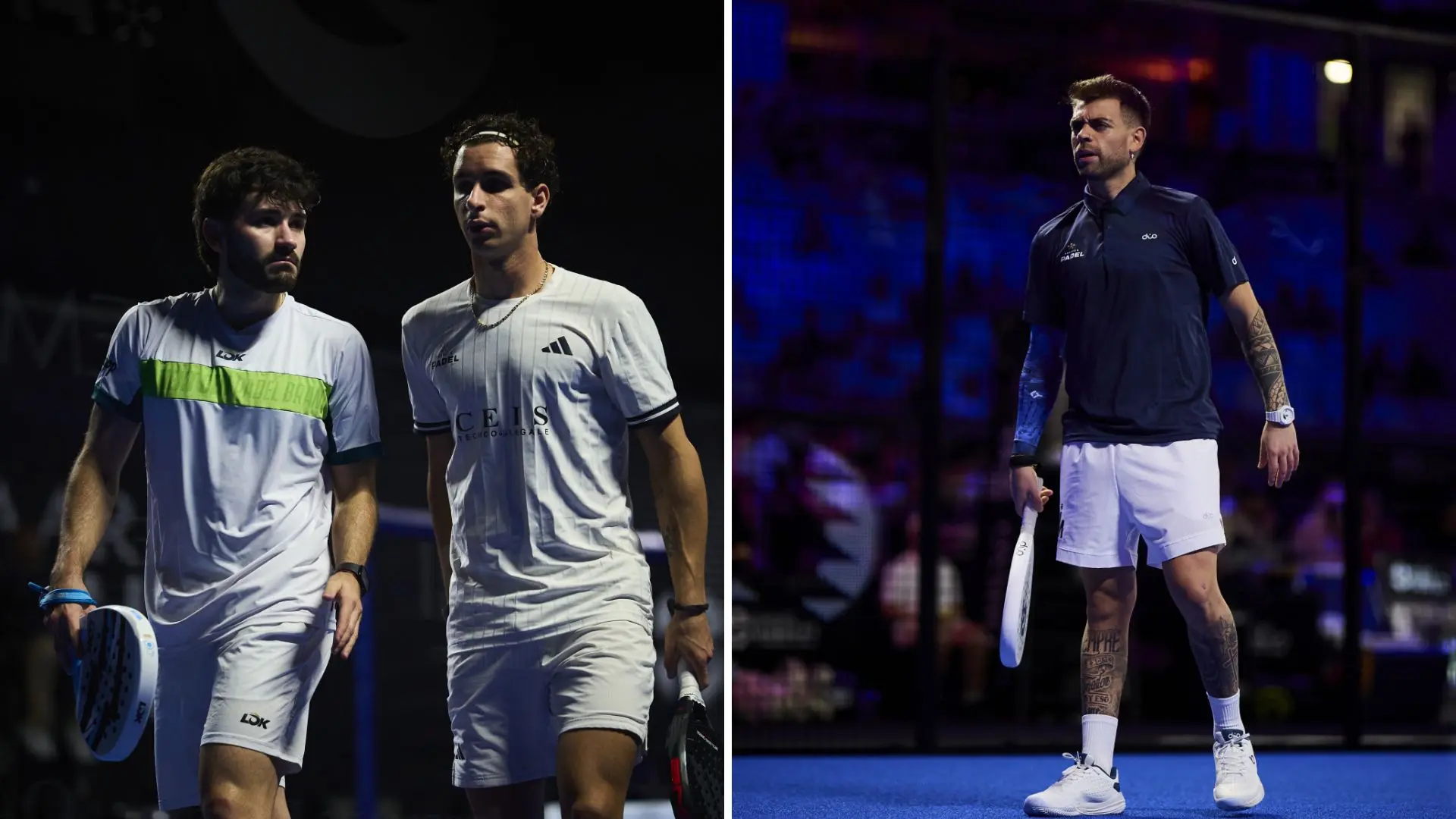
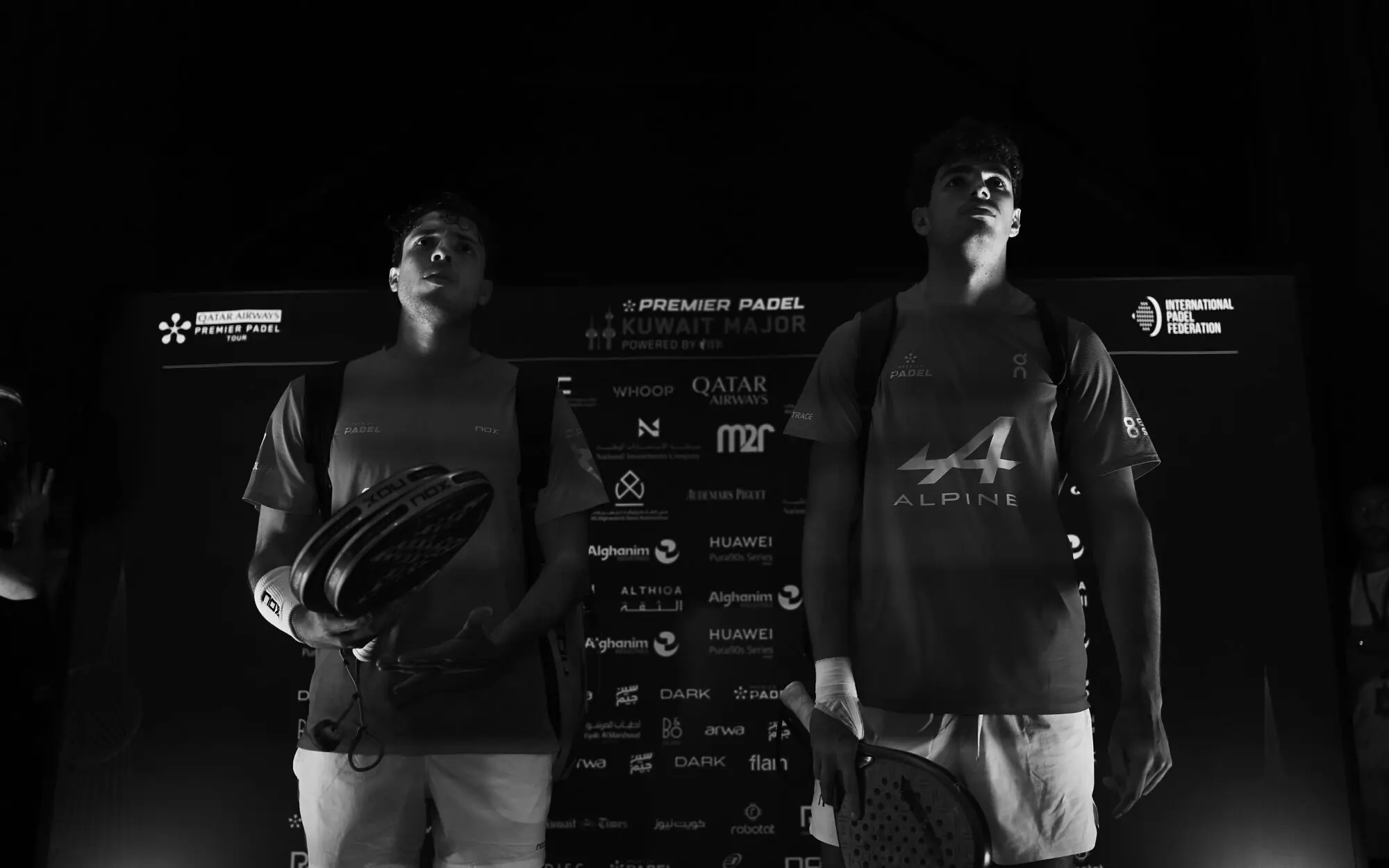
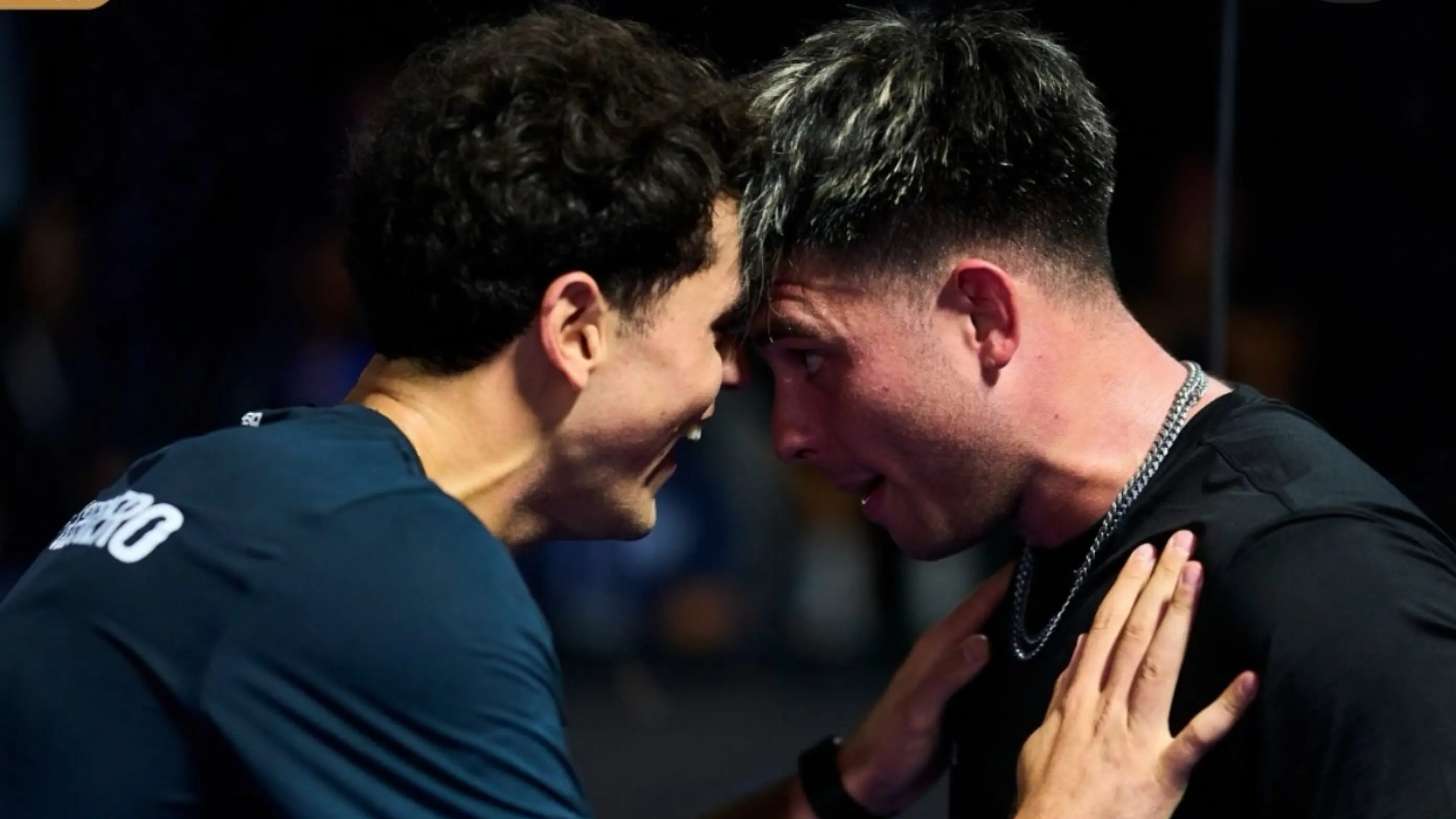
Two matches, four sets won and only eight games conceded: Franco Stupaczuk and Jon Sanz have made a perfect start to their tournament in Rotterdam. However, their quarter-final against Alejandro Galán and Federico Chingotto raises another question: can they maintain their level when their opponents limit their attacking opportunities and force them to rebuild the point?
Winners of Mario Ortega–Adam Axelsson and then Pol Hernández–Manuel Castaño by the same score, 6 / 2 6 / 2 Stupaczuk and Sanz reached the quarterfinals without dropping a single set. Galán and Chingotto also made a successful start, with a victory 6-0, 6-2 against Enzo Jensen and David Gala .
These results set the stage for the match, but don't yet reveal how the two pairs will react in a more competitive encounter. For Stupa and Sanz, the challenge will be finding a balance between their offensive sequences and the rallies where they'll need to be more patient.
Sanz: maintain the initiative without rushing the finish
The question raised in Lyon remains relevant: how to maintain Jon Sanz's explosiveness while reducing the errors that can interrupt a good run? A spectacular smash wins a point. An avoidable error on the following return can immediately erase that advantage.
Facing Chingotto on the diagonal, the left-hander could be confronted with this choice repeatedly. If the Argentinian manages to defend his initial accelerations and return a less favorable ball, Sanz will have to decide whether to continue the attack or rebuild.
The quality of his aerial selection will therefore be a more interesting indicator than just the number of winning smashes. On a lob that pushes him back or forces him to hit off balance, maintaining an offensive position with a well-worked ball could be more profitable than immediately looking for an exit.
This does not mean giving up on its power. The challenge will be to use it when the preparation of the point gives it a genuine opportunity to finish.
Returning, the first way to avoid suffering
The duel will also begin well before the smash. Against a pair capable of quickly establishing themselves at the net, the quality of the returns can determine the entire rest of the rally.
For Sanz and Stupaczuk, a low and sufficiently precise return could prevent an aggressive first volley, then open up an opportunity for a lob or a come-up. Conversely, a return that is too high would immediately give their opponents a ball that would keep them at the back of the court.
On the important points, it will be necessary to observe whether Sanz maintains a sufficient margin above the net, while avoiding making a ball comfortable. The desired consistency will also be achieved in those unspectacular shots that simply allow you to stay in the point.
Stupaczuk will have his part in the balance
This quarter-final won't just be about Sanz's ability to limit his mistakes. Stupaczuk will also have to help create the conditions in which his partner can attack.
If Galán takes the initiative down the diagonal, the Argentinian will need to find precise defensive exits to prevent the pressure from spreading to the middle. A deep lob can push the opposing pair back; a well-placed low ball can complicate their next volley. In both cases, the goal would be to create time to advance together.
The center coverage will be particularly interesting. With a right-handed player on the left and a left-handed player on the right, both Stupa and Sanz have their forehands directed inside. This setup can facilitate their attacking plays, provided the ball distribution remains clear and the player accompanying the attack ensures proper positioning.
Knowing how to extend a good sequence
The main lesson of this match might ultimately lie in the points that follow a missed opportunity. After a defended smash, a conceded break, or an error on an accessible ball, will Stupaczuk and Sanz be able to maintain their choices and organization?
To get through this quarter, they will likely need to produce decisive bursts of speed. But their ability to navigate less favorable sections, without resorting to excessive forced attacks, could be just as important.

I discovered the Padel I stumbled into Spain at a campsite. I was instantly hooked; passionate about padel, I follow international and regional news with the same excitement as the sport itself.









































































 Blanqué / Joris: a mastered P3000, a first title and a delightful anecdote with Chingotto
 Claudia Fernández: at 20, much more than a playmaker
 Lebrón joins Sanyo with 42 titles, Claudia Fernández continues her climb: the ranking of the most decorated players in history
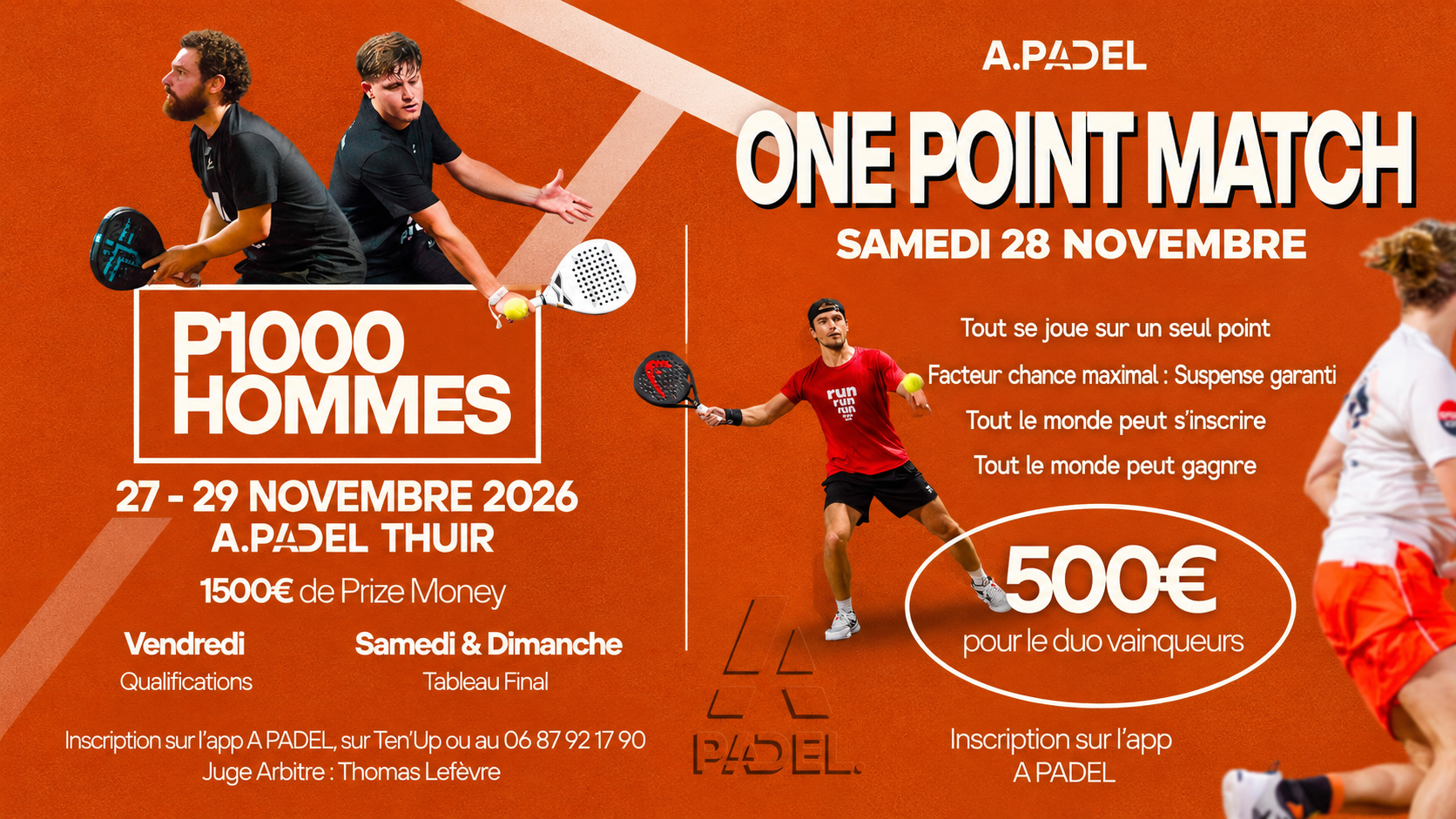 P1000 A PADEL: €1,500 prize money and a One Point Match in Thuir from November 27th to 29th
 Libaak / Alfonso: why they want to continue together in 2027
 “My vision was blurry”: Clara Mansart recounts her eventful P3000 final – Lucile Pothier will tackle the FIP in France in 2027
 Dubai P1 – Fernández / Calvo: “Any of the three best pairs could be world number 1”
 Guichard faces a major challenge, Fonteny and Bahurel have opportunities in the first round of the FIP Platinum Aguascalientes
 Claudia Fernández: at 20, much more than a playmaker
 Alfonso, Nieto, Libaak, Salazar… Who will snag the last tickets for the Premier Padel Finals?
 FIP Rankings – Alfonso enters the world's top 16, De Pascual and Abbate make a leap in the rankings
 Padel, weight training, and even HYROX: clubs are changing their model
 Padel court rentals: a global market estimated at 4,6 billion euros
 FIP Beyond: the new global padel circuit for amateurs and seniors
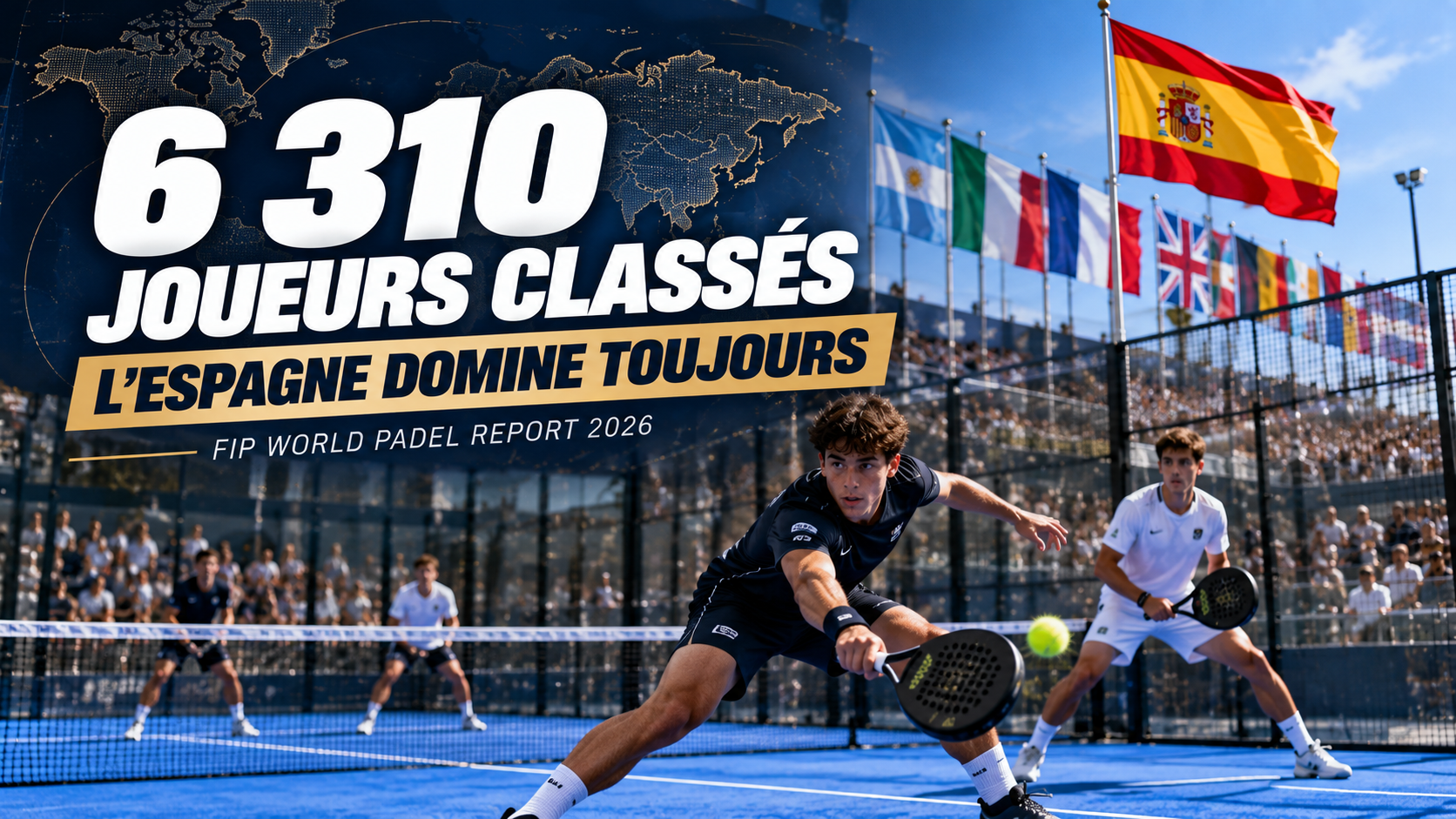 More than 6,300 FIP-ranked players: professional padel is becoming international, but Spain dominates
 OSS Barcelona – Why Spain and France aren't yet playing in the same league
 Cancer and rehabilitation: could padel become a therapeutic tool?
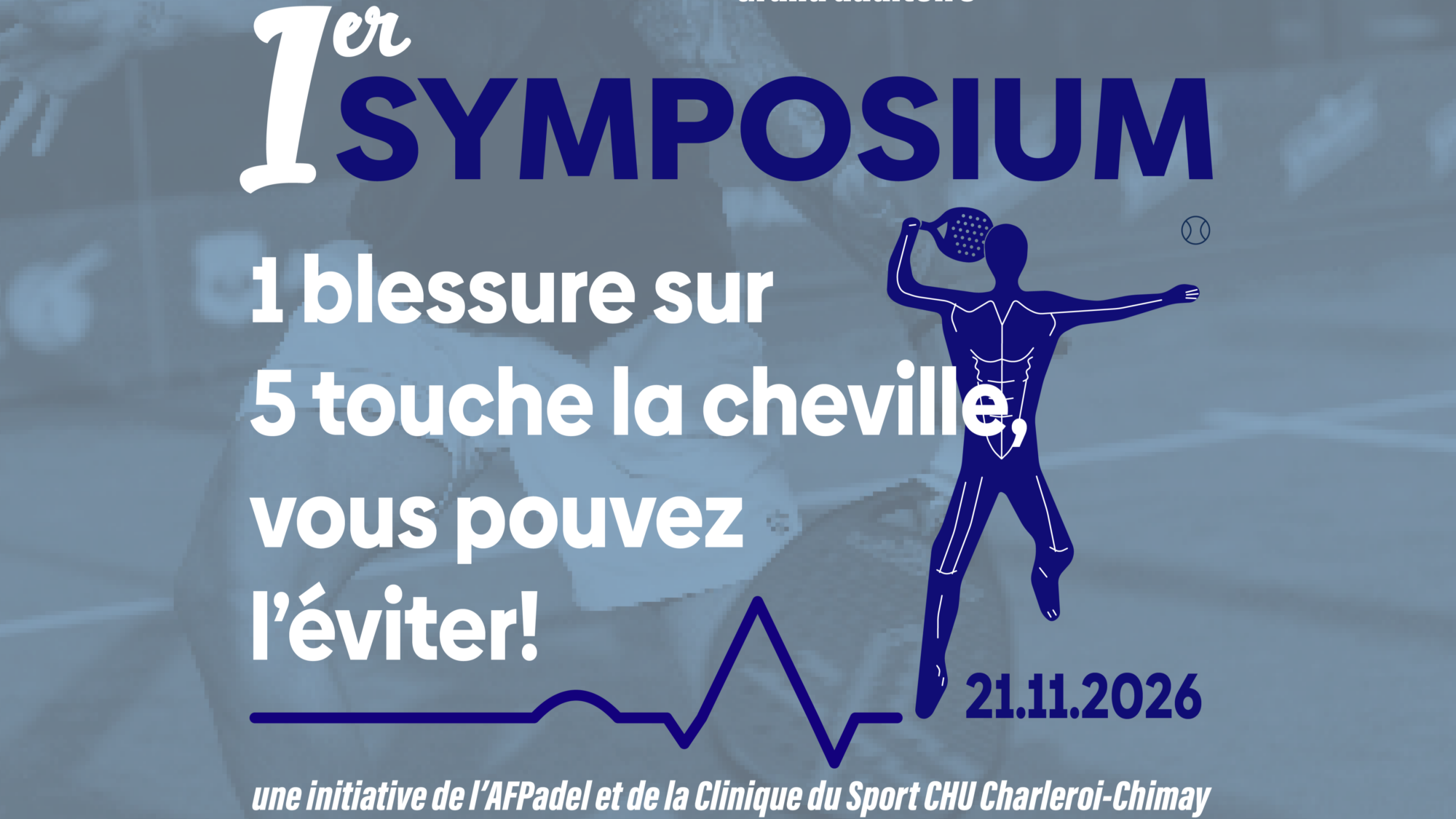 Padel injuries: ankle, knee, elbow, eye… what the latest figures reveal
 Shocking turn of events at Dubai P1: Coello and Tapia have also withdrawn!
 Padel serve: a good serve is especially good preparation for the third shot.
 What the analysis of the stroke reveals: tennis forehand vs. padel bandeja
 Has the bandeja disappeared from modern padel?
 Flat forehand in padel: 5 exercises from Cristian Álvarez to gain control and efficiency
 Why can Libaak/Alfonso beat almost everyone… except Coello/Tapia?
 Tapia reveals his recipe for beating Coello / Tapia: "I would bet everything on myself"
 How Coello defused Chingotto's game plan
 In padel, does the chemistry between a pair count as much as individual skill?
 Organising a national padel competition: what are the FFT's requirements for clubs?
 Organising a P2000 or a P3000: how much does it really cost clubs?
 P2000 or P3000: what are the differences in prize money, format and organization in 2028?
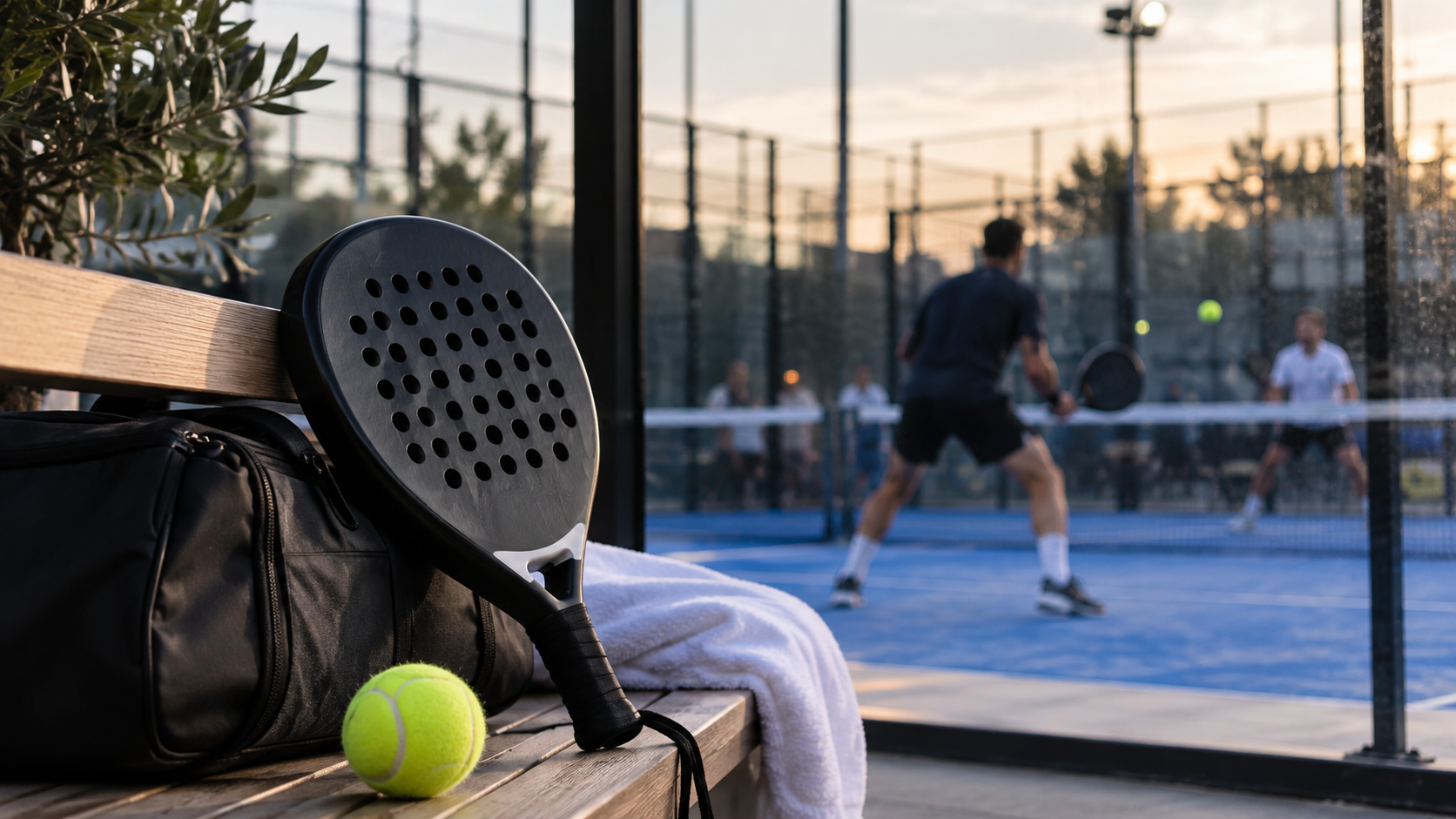 Do you lose your ranking? Padel FFT after more than a year without a license / without competition?
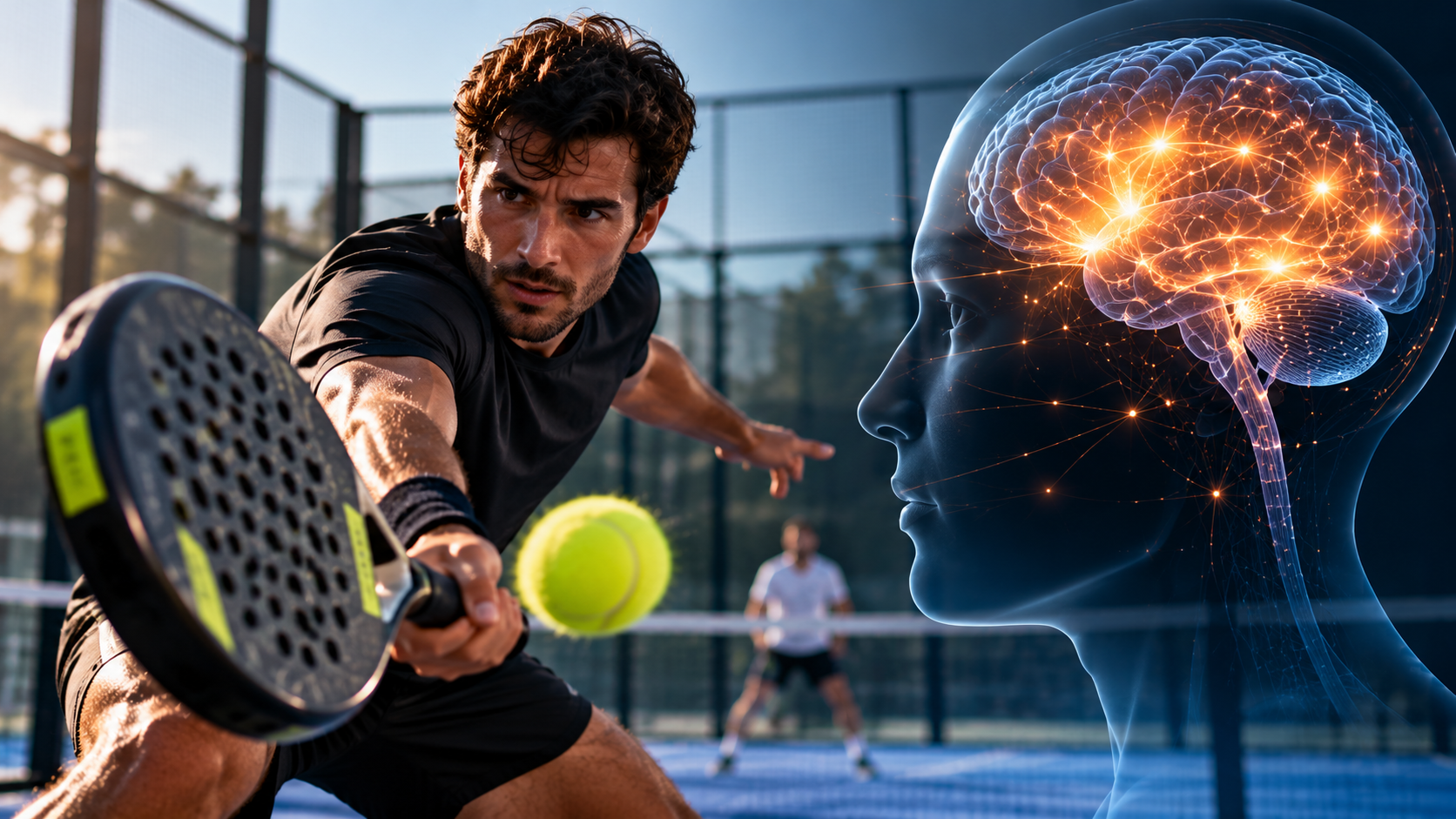 Memory, reflexes, concentration: what happens in our brain when we play padel?
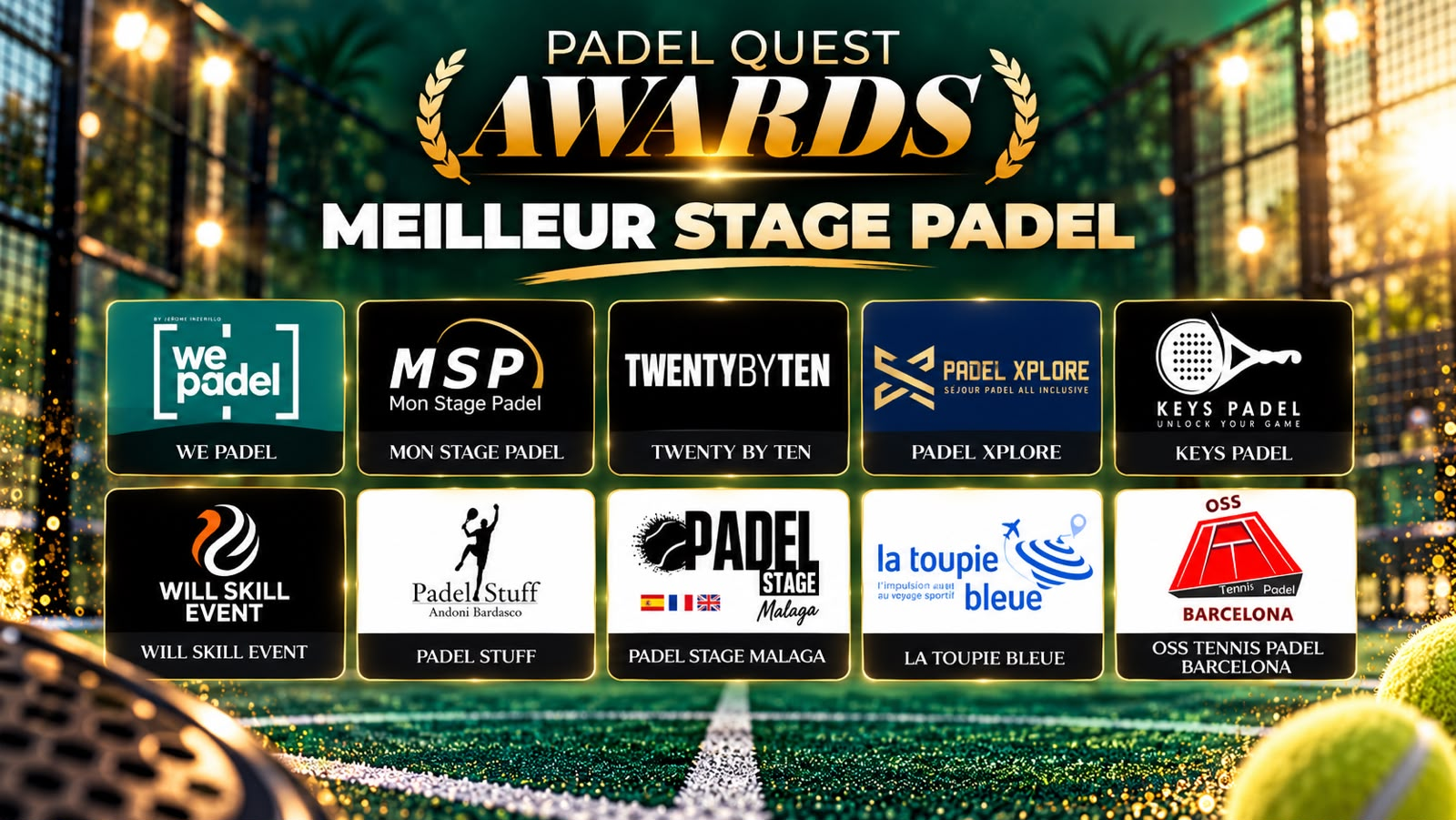 Padel Quest Awards: Ten specialists in the running for the title of best padel training camp of the year
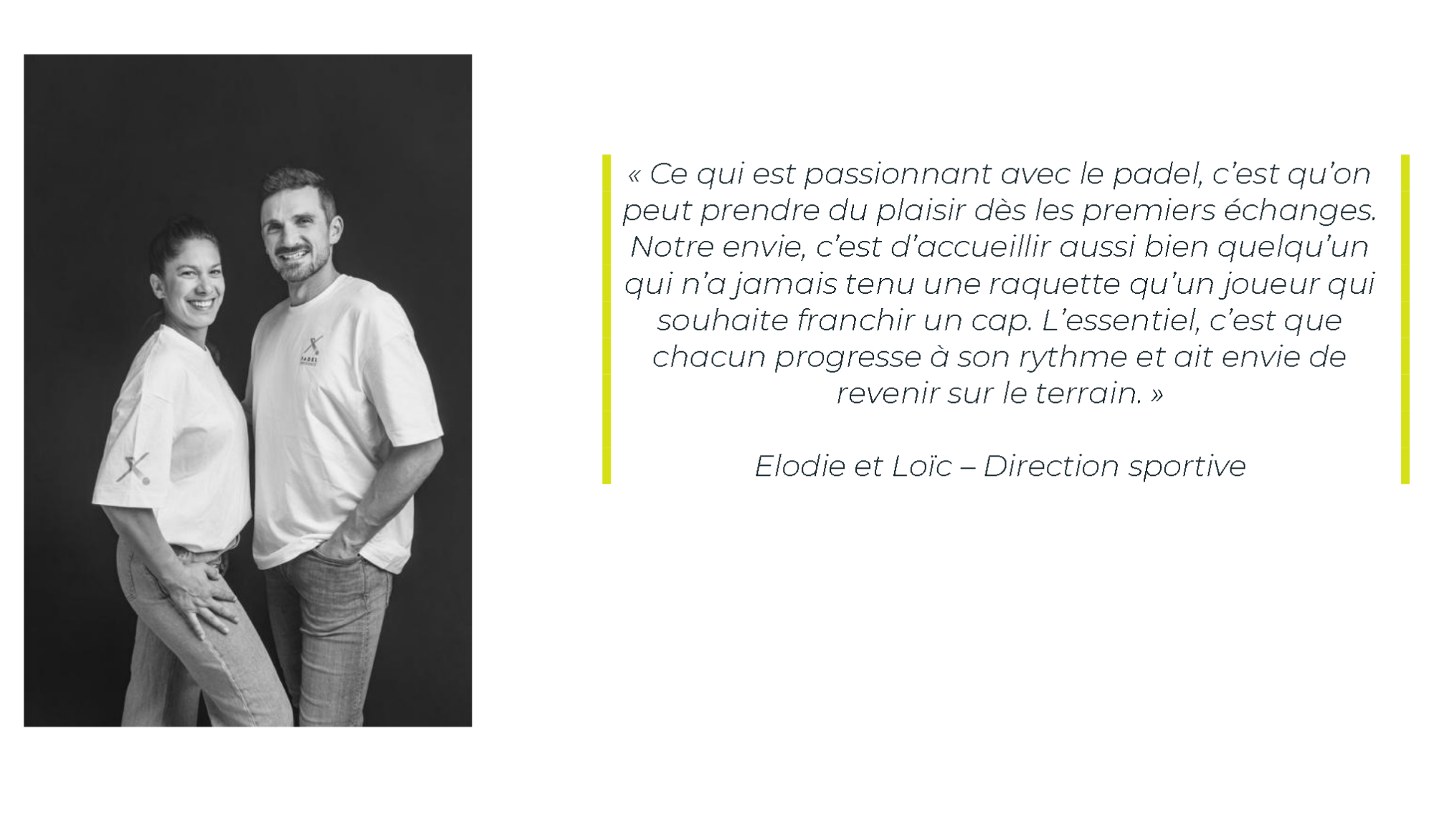 Padel Xperience: The Academy opens on November 2nd in Marcheprime, ahead of the complex's inauguration in 2027
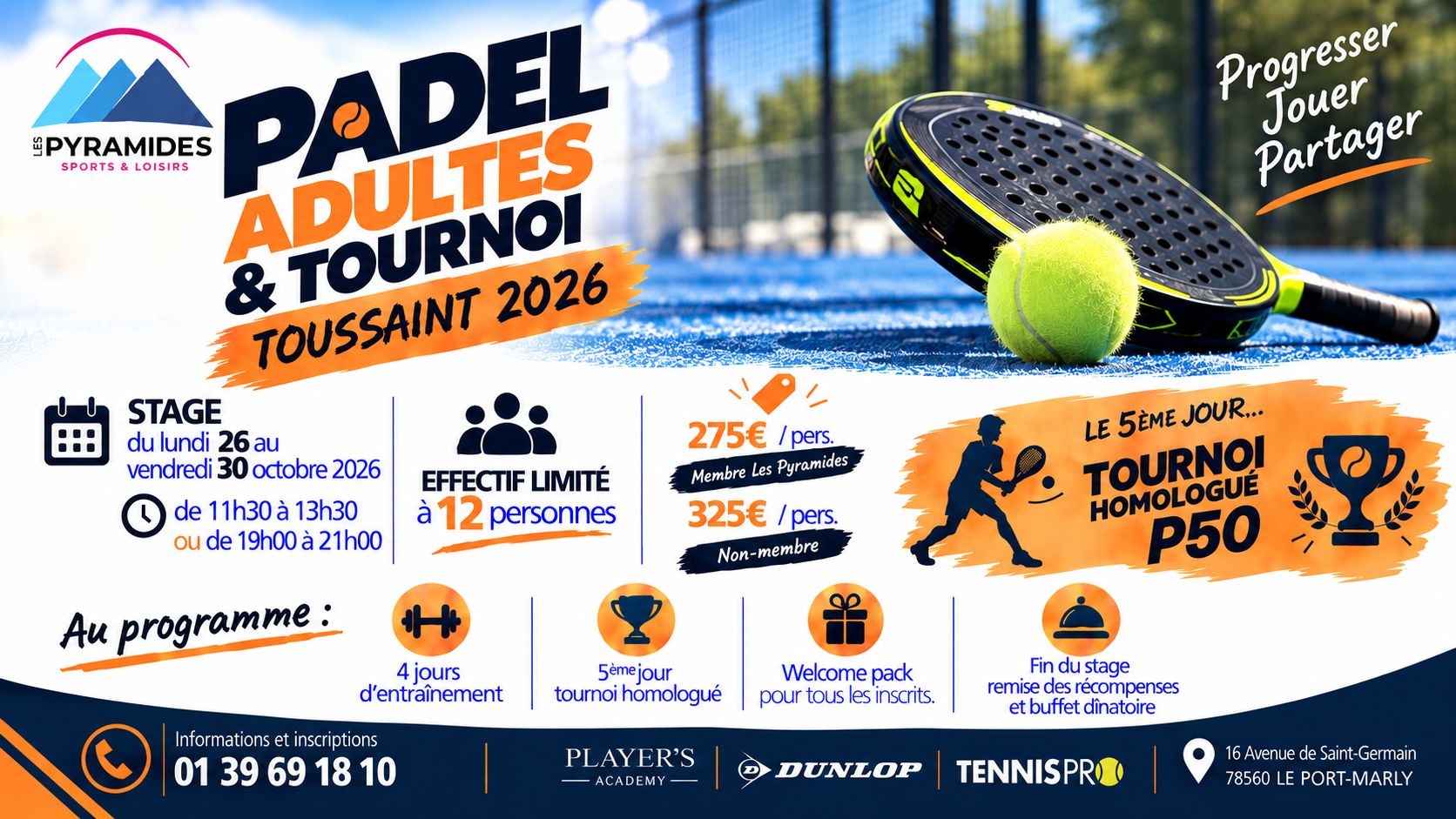 All Saints' Day – Les Pyramides are organizing a padel training camp for adults with a P50 tournament to close out the week