

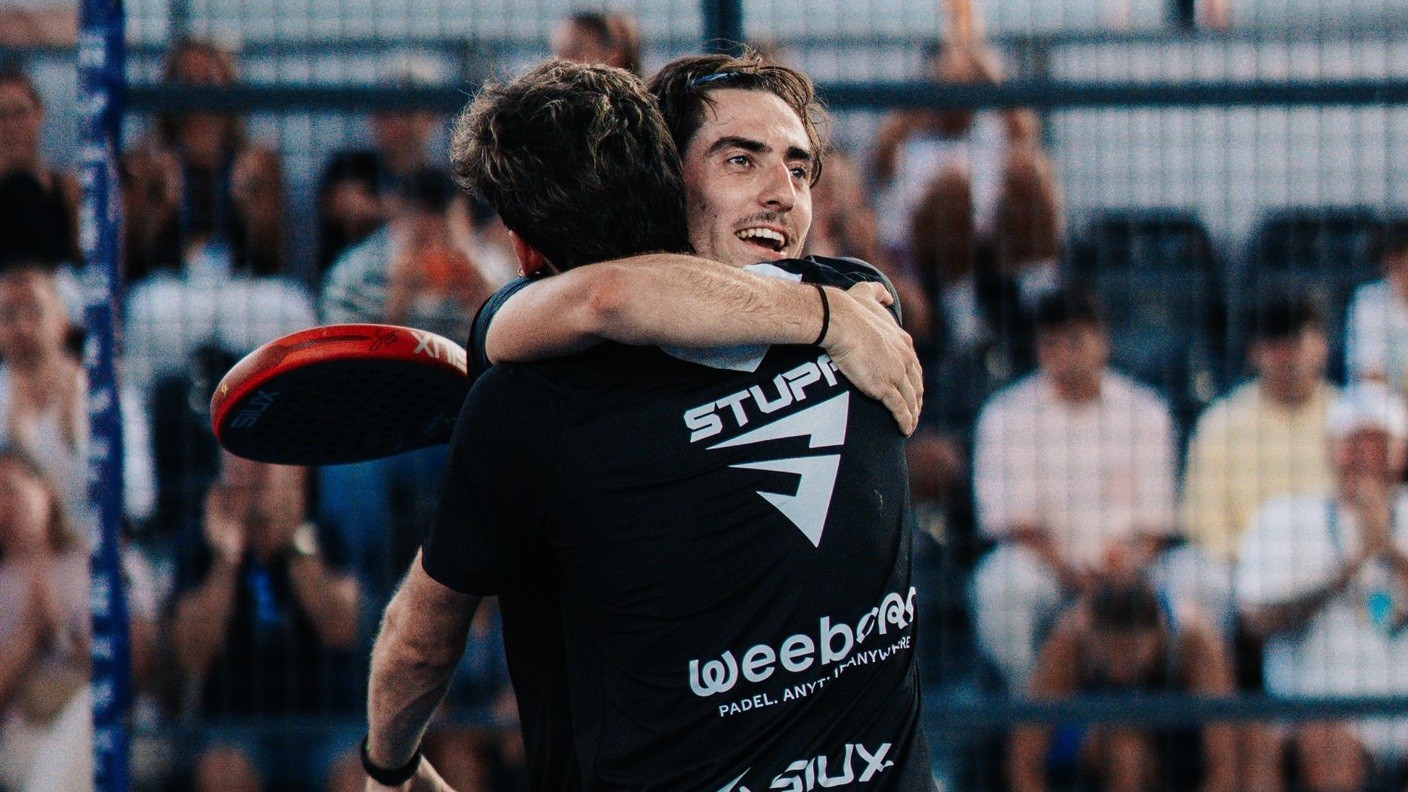








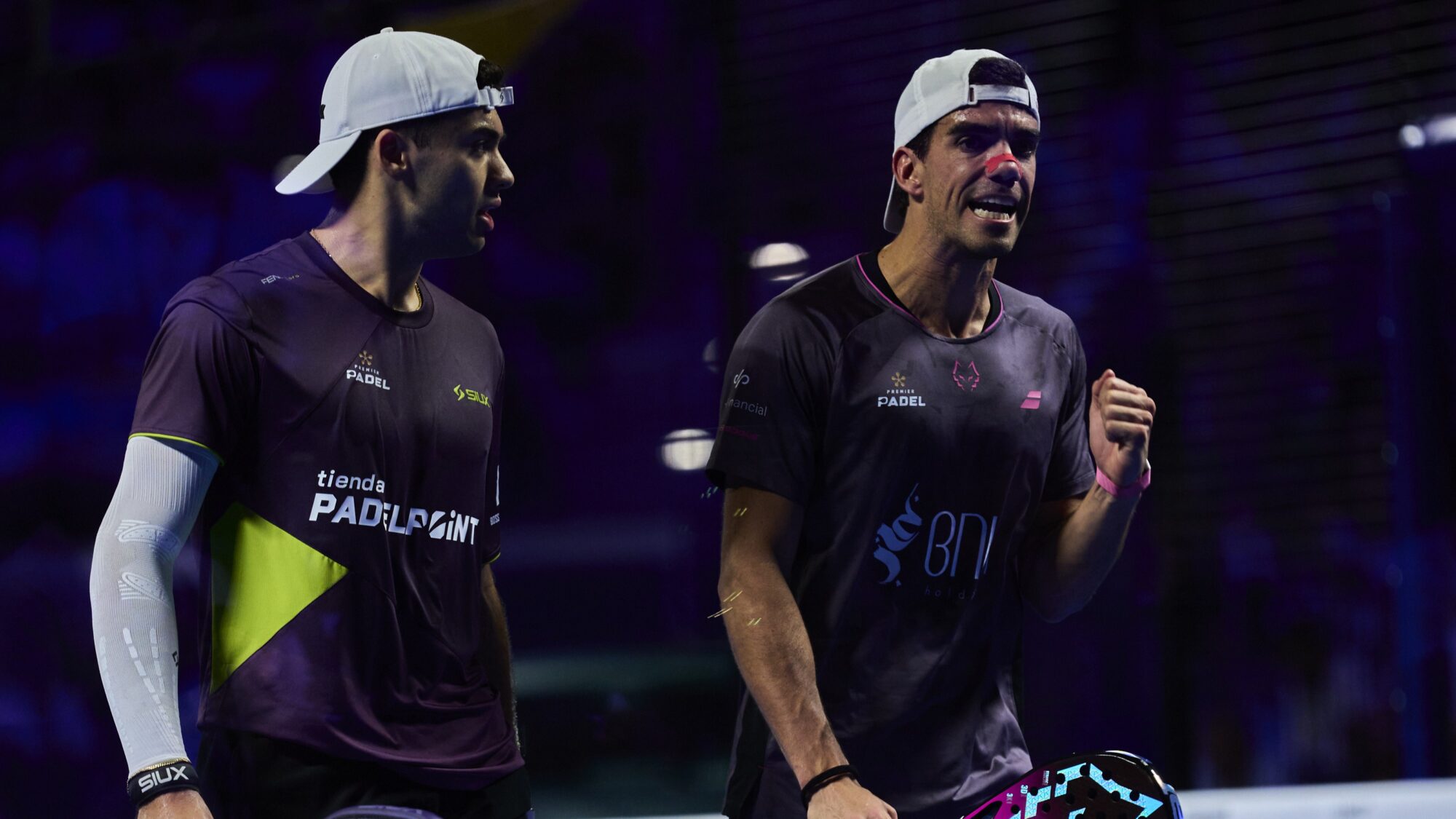
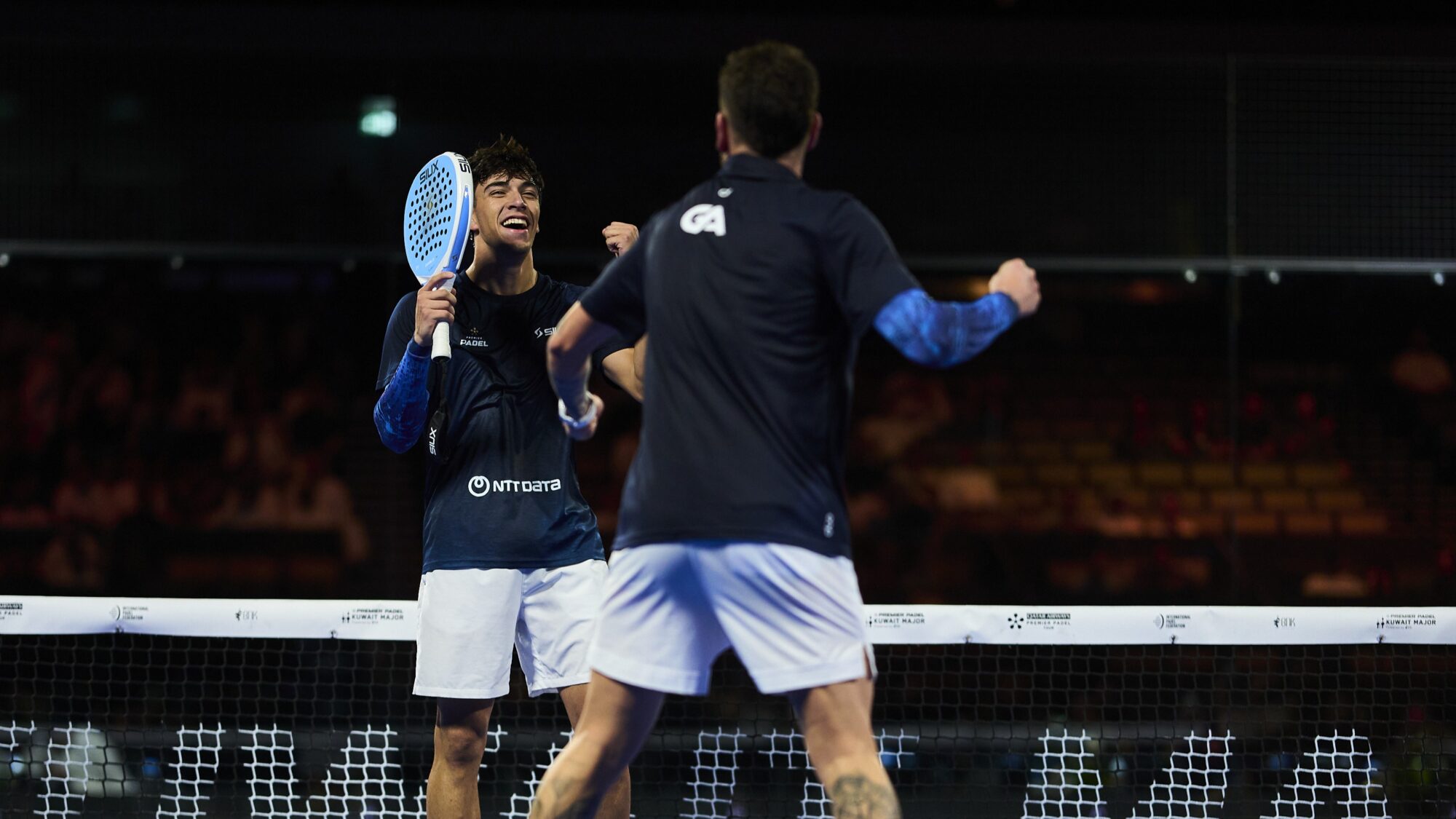
The first duel between the two new pairs went in favor of Franco Stupaczuk and Jon Sanz, who defeated Coki Nieto and Mike Yanguas 6-3, 7-5 in the final of the FIP Gold Belgrade. A single match isn't enough to establish a hierarchy, but it already highlights a significant difference between the two projects: Stupaczuk and Sanz possess a clearly defined finishing threat, whereas Nieto and Yanguas still seem to be sharing that responsibility.
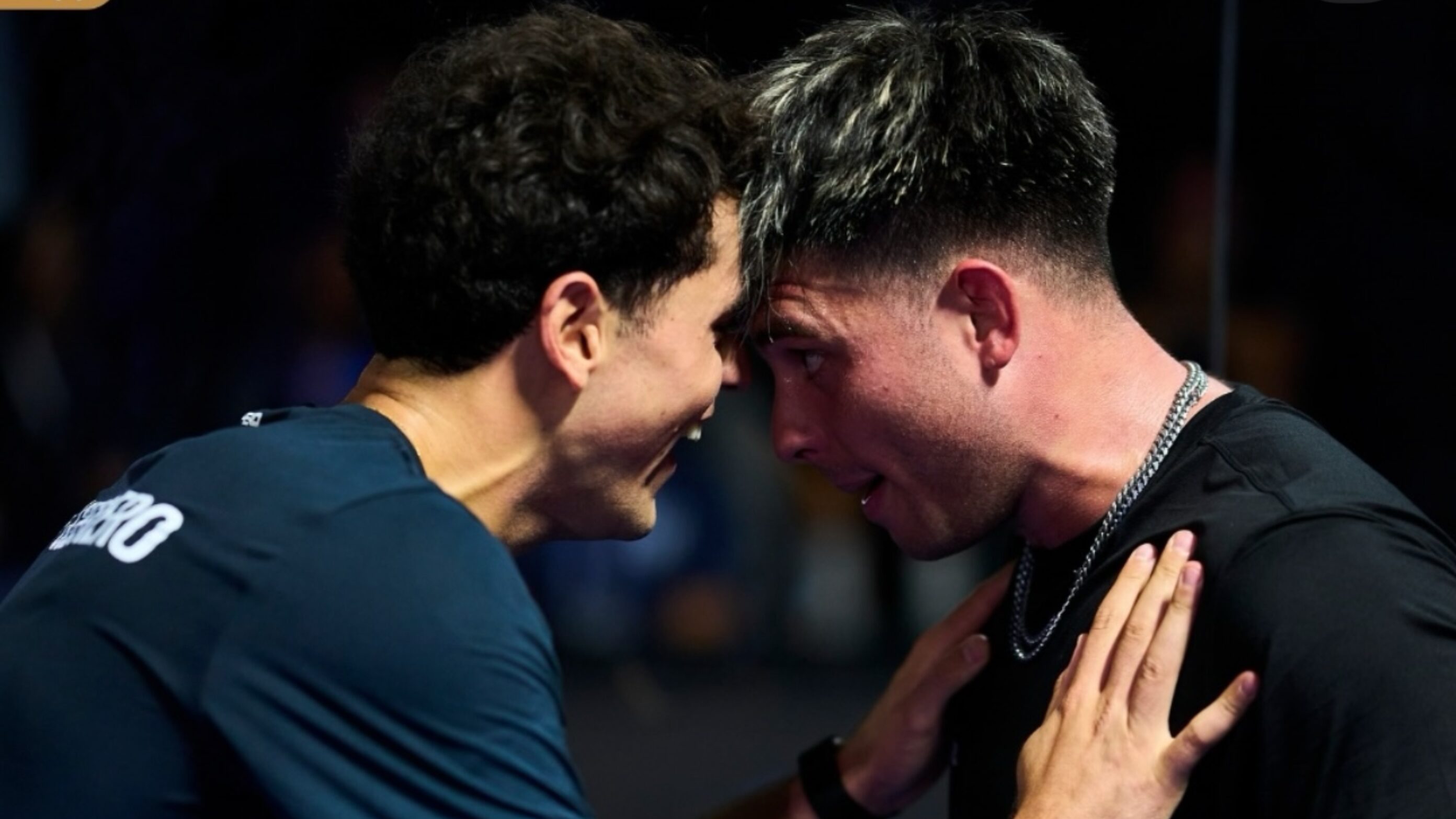
The raw result was already known: five matches, no sets lost, and a first title in their first competition together. But this final was above all a clash between two partnerships born from cross-referencing: Stupaczuk came from his project with Yanguas, while Sanz had until recently shared the court with Nieto.
Stupaczuk–Sanz, more natural responsibilities
The logic behind the Stupaczuk-Sanza partnership had already been identified before their debut. The Argentinian plays on the left and possesses the necessary qualities to build attacks: defense, court coverage, continuity in rallies, and the ability to gradually prepare for net play.
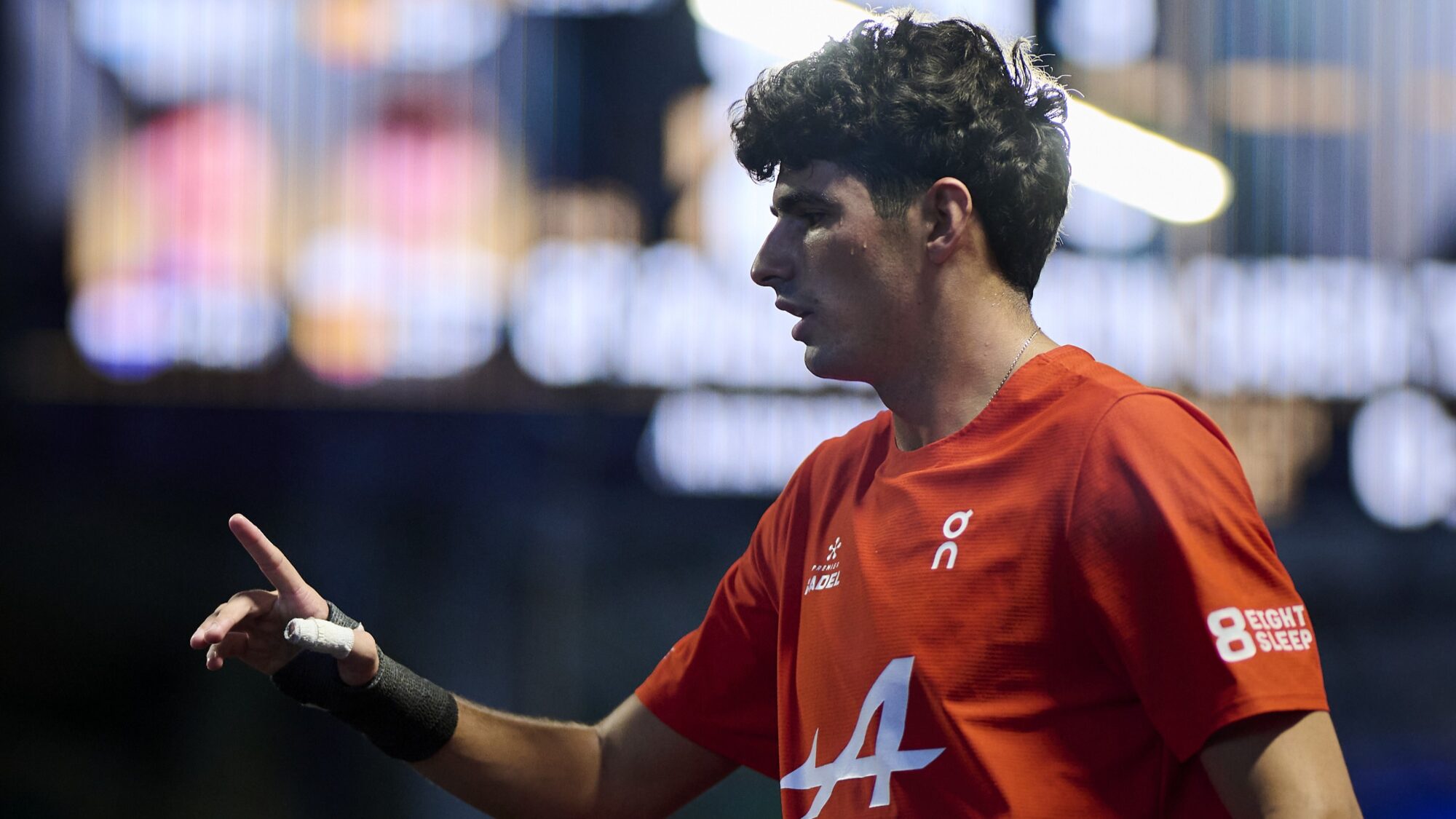
To his right, Jon Sanz brings a different profile. The left-hander can attack down the middle with his forehand, target lobs aimed towards the center, and finish points from positions where other players would still choose to work the ball. His mere presence therefore changes how opponents can defend.
This distribution can protect both players from their own excesses. Stupaczuk should have less need to try for a smash on imperfect shots. Sanz, for his part, can take advantage of his partner's build-up play to attack more favorable shots, instead of trying to generate the acceleration alone.
This doesn't mean Stupaczuk should only build up play and Sanz only shoot: such a predictable setup would be quickly exploited. Their combination does, however, offer a natural division of responsibilities, with one able to create opportunities without always having to finish them and the other able to threaten without having to create all his chances single-handedly.
Nieto–Yanguas: many qualities but a shared area of uncertainty
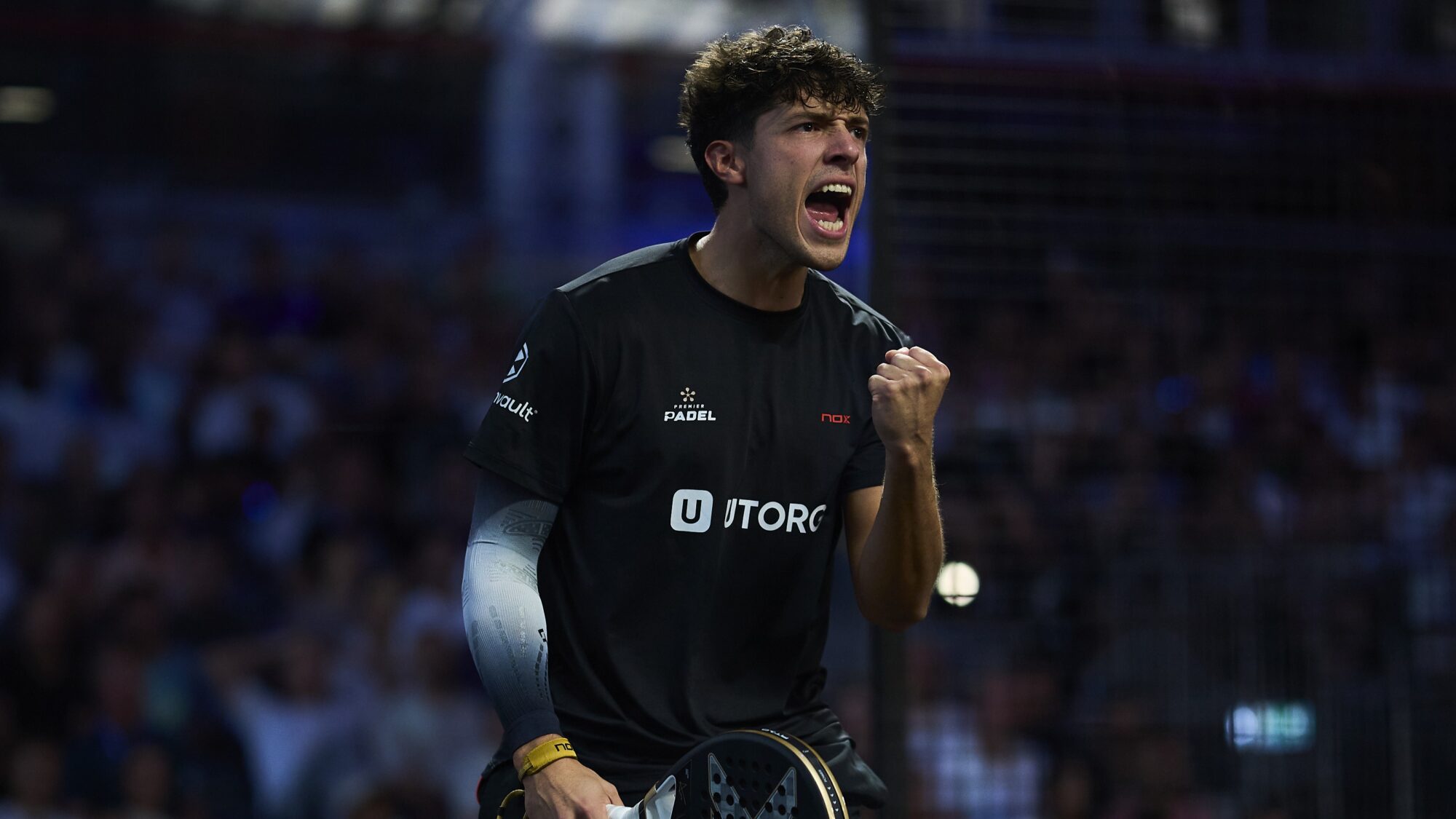
The problem for Coki Nieto and Mike Yanguas is clearly not a lack of offensive skill. Yanguas, who stands 1,89 m tall, can accelerate and intercept at the net. Nieto knows how to exploit space and turn a solid defense into a counter-attack. But above all, the two Spaniards share the same great qualities: consistency, speed, game reading, and the ability to extend rallies.
Yanguas, a right-handed player positioned on the right, doesn't have the same natural coverage of the central area as a left-hander like Sanz. Nieto occupies the left, but his game relies more on mobility and volume than on constant aerial dominance. Both can win points; however, neither is naturally suited to finishing shots to the point of forcing opponents to change their lobs.
Their 2025 season had already revealed this ceiling
By 2025, Nieto and Yanguas had won 41 of their 62 matches on Premier Padel and finished among the top four pairs. But their consistency had not been accompanied by any finals or titles.
Their reformation retains the advantages that had led them to the top of the standings, while bringing back the question of the finisher if their attacking approach has not evolved.
Belgrade is giving a hint, but not yet a demonstration
Stupaczuk and Sanz's 6-3, 7-5 victory supports this interpretation, without proving that the final was decided solely by finishing. No detailed public statistics allow for a precise comparison of winners, smashes, or errors forced.
Belgrade, moreover, remained a FIP Gold tournament without the top three pairs in the world. The result nevertheless highlights a difference: Stupaczuk and Sanz already possess a clearly identifiable primary threat on high balls. For Nieto and Yanguas, this responsibility seems more diffuse and may contribute to their plateauing against the best defenses.
Madrid will tell if the advantage holds up at the very highest level.
The Madrid P1 will offer a much more demanding test. Stupaczuk and Sanz will be seeded fourth, ahead of Nieto and Yanguas, seeded fifth. Placed in the same half of the draw, the two pairs could meet in the semi-finals.
For Stupaczuk and Sanz, the question will be whether their complementarity survives when opponents trap Sanz in his diagonal or deliberately direct lobs towards Stupaczuk. For Nieto and Yanguas, it will be necessary to observe who actually takes charge of the pace when rallies lengthen and the opposing defense refuses to give way.
Belgrade hasn't demonstrated that one pairing will perform better than the other over an entire season. It has yielded an initial result favorable to the project whose roles appear the clearest. Nieto and Yangas will now have to show that a pairing without a natural finisher can compensate with speed, solidity, and a more balanced aggression.

I discovered the Padel I stumbled into Spain at a campsite. I was instantly hooked; passionate about padel, I follow international and regional news with the same excitement as the sport itself.




























































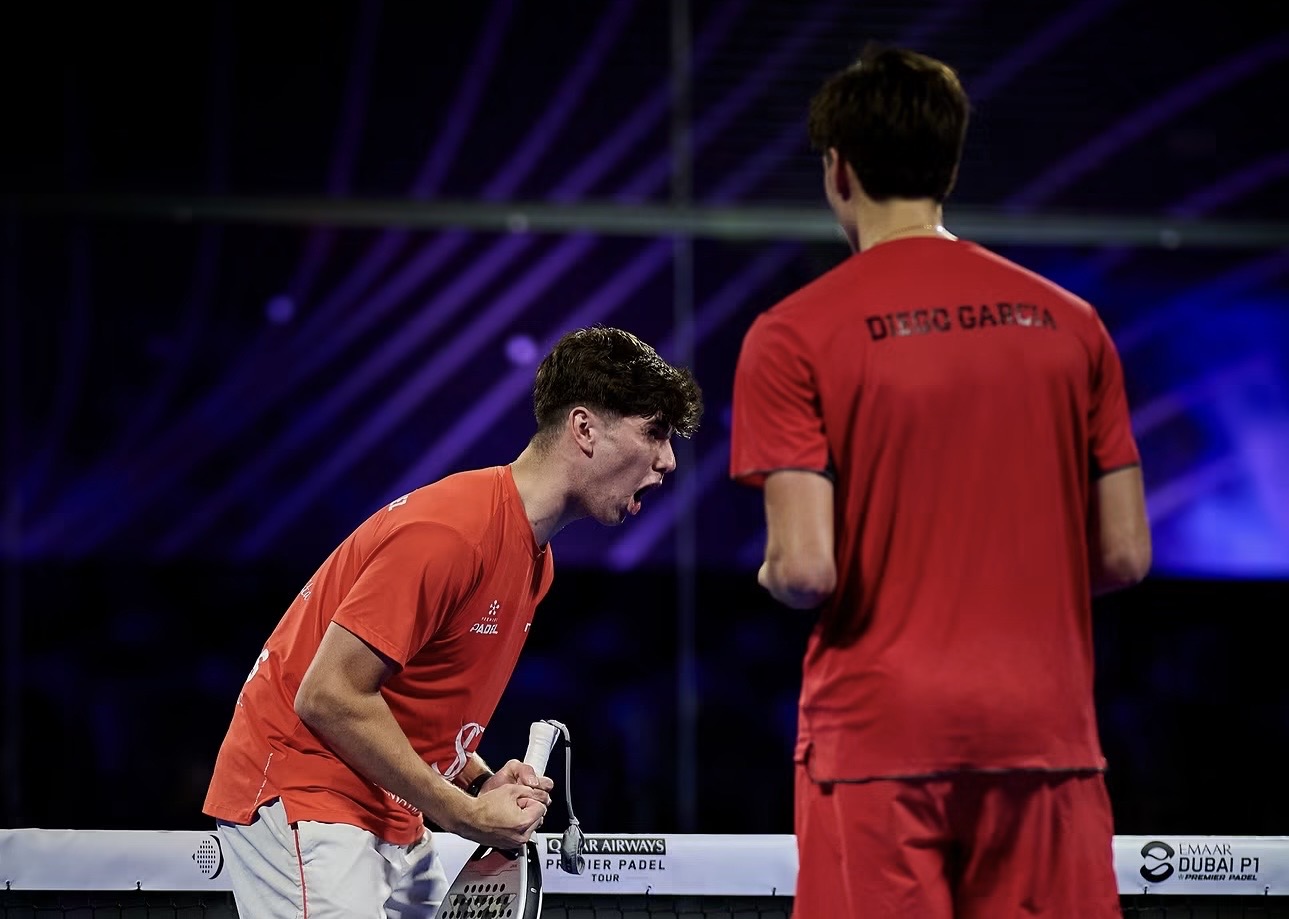 Dubai P1 – The lucky losers García / González create a sensation, Yanguas / Nieto jostled
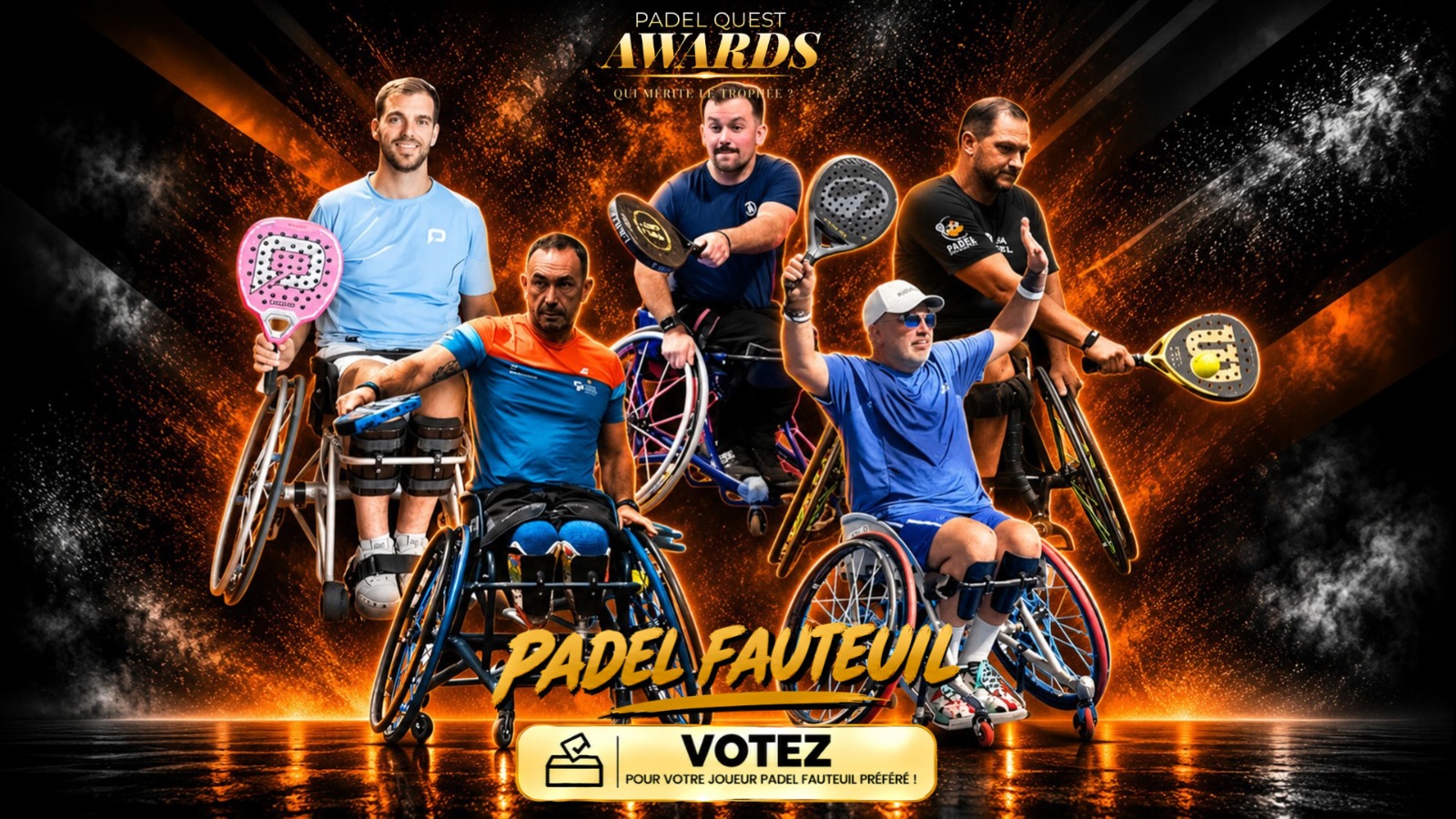 Padel Quest Awards 2026: Wheelchair padel in the spotlight, with 46,000 votes already cast
 Dubai P1 – Lebrón/Augsburger overturn Castaño/Hernández, the Wolf impresses again
 "I applied to become the coach of the French national team": an objective for Adrien Maigret
 Fonteny/Joris after their “almost” upset against Tapia/Libaak: “We believed until the very last point”
 2026 World Cup – Five players barred from World Cup with the United Arab Emirates: Íñigo Jofre denounces the situation
 Coello/Tapia ahead of the Kuwait Major final against Tello/Arce: “These are two players who cause us a lot of problems”
 Why tournaments lead to different progress than matches between regulars.
 Dubai P1 – Collombon and Guichard eliminated in their first match, Leygue the last French hope
 Where to watch Dubai P1? TV schedule, times and broadcast information
 Win your own racket signed by TAPIA and COELLO – French competition Padel Shop
 Dubai P1: Without Coello/Tapia or Galán/Chingotto, who will benefit?
 Dubai P1: Triay and Brea can already secure the world number 1 ranking
 2026 World Cup: A week like no other in Doha
 Pablo Aymà after the World Cup: "What happened against the Netherlands is inexplicable."
 Padel, weight training, and even HYROX: clubs are changing their model
 Padel court rentals: a global market estimated at 4,6 billion euros
 FIP Beyond: the new global padel circuit for amateurs and seniors
 More than 6,300 FIP-ranked players: professional padel is becoming international, but Spain dominates
 Cancer and rehabilitation: could padel become a therapeutic tool?
 Padel injuries: ankle, knee, elbow, eye… what the latest figures reveal
 Shocking turn of events at Dubai P1: Coello and Tapia have also withdrawn!
 Organising a national padel competition: what are the FFT's requirements for clubs?
 What the analysis of the stroke reveals: tennis forehand vs. padel bandeja
 Has the bandeja disappeared from modern padel?
 Flat forehand in padel: 5 exercises from Cristian Álvarez to gain control and efficiency
 Why knowing how to play on the right and left can make all the difference
 Why can Libaak/Alfonso beat almost everyone… except Coello/Tapia?
 Tapia reveals his recipe for beating Coello / Tapia: "I would bet everything on myself"
 How Coello defused Chingotto's game plan
 In padel, does the chemistry between a pair count as much as individual skill?
 Organising a P2000 or a P3000: how much does it really cost clubs?
 P2000 or P3000: what are the differences in prize money, format and organization in 2028?
 Do you lose your ranking? Padel FFT after more than a year without a license / without competition?
 Memory, reflexes, concentration: what happens in our brain when we play padel?
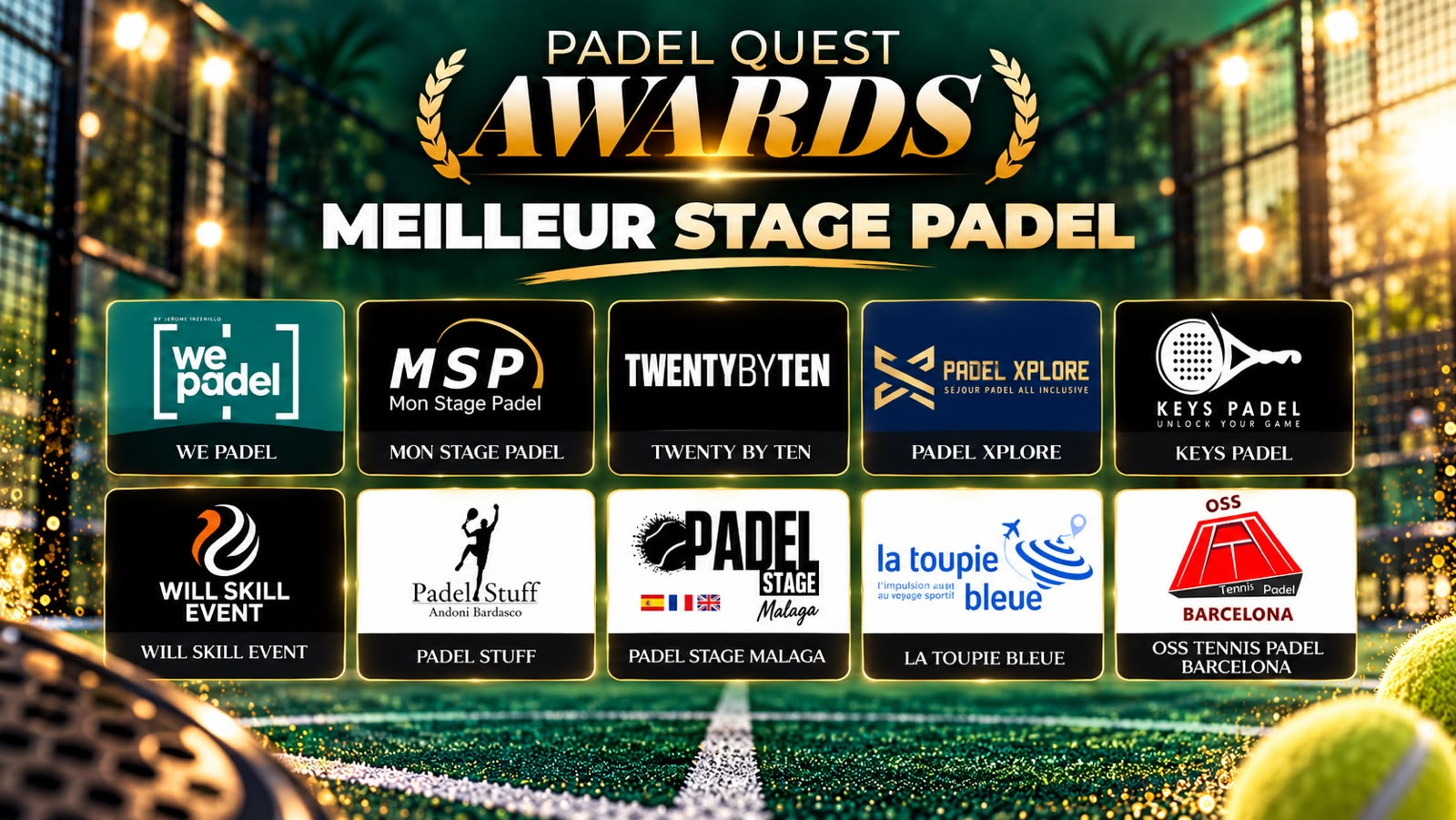 Padel Quest Awards: Ten specialists in the running for the title of best padel training camp of the year
 Padel Xperience: The Academy opens on November 2nd in Marcheprime, ahead of the complex's inauguration in 2027
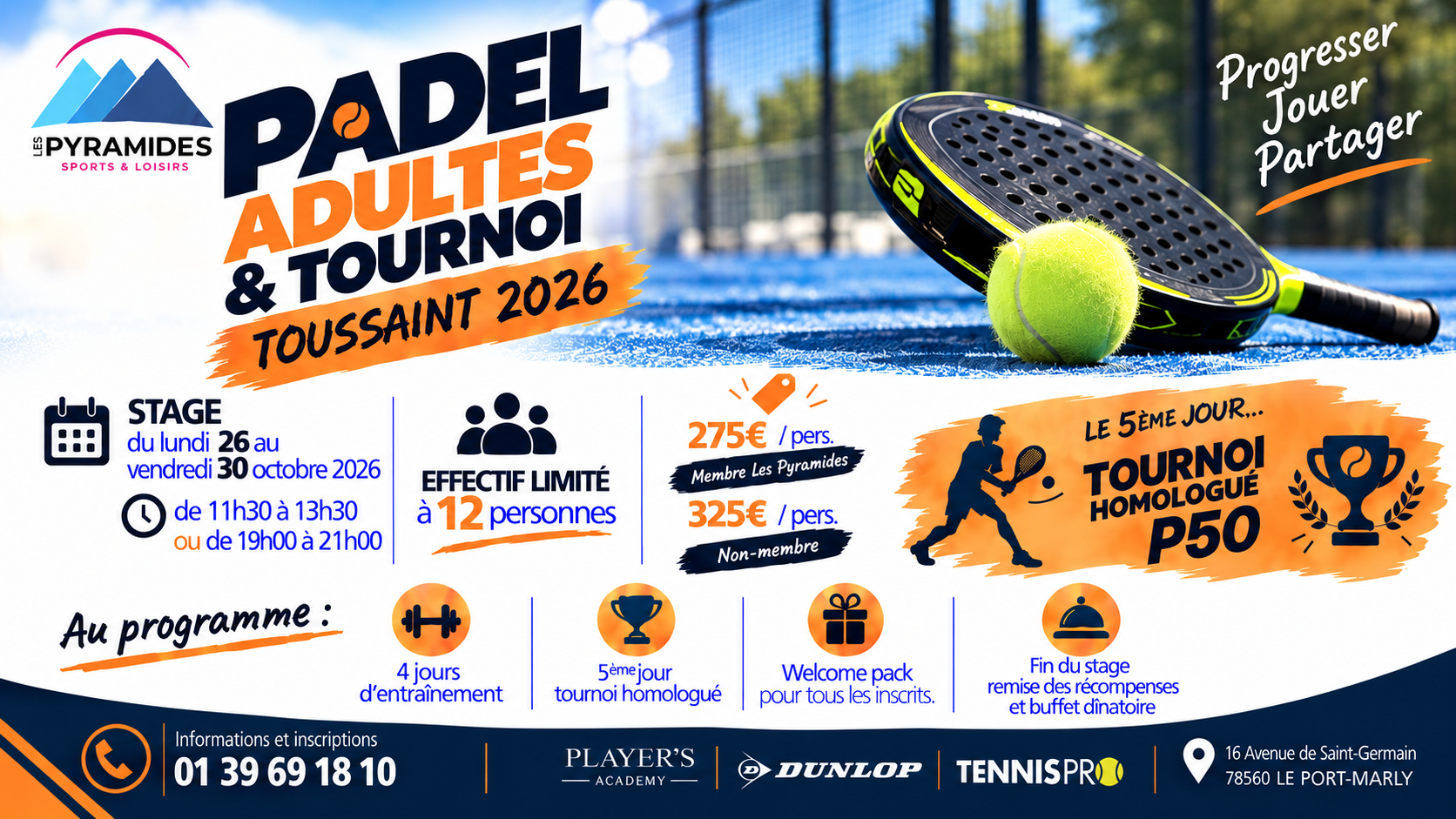 All Saints' Day – Les Pyramides are organizing a padel training camp for adults with a P50 tournament to close out the week
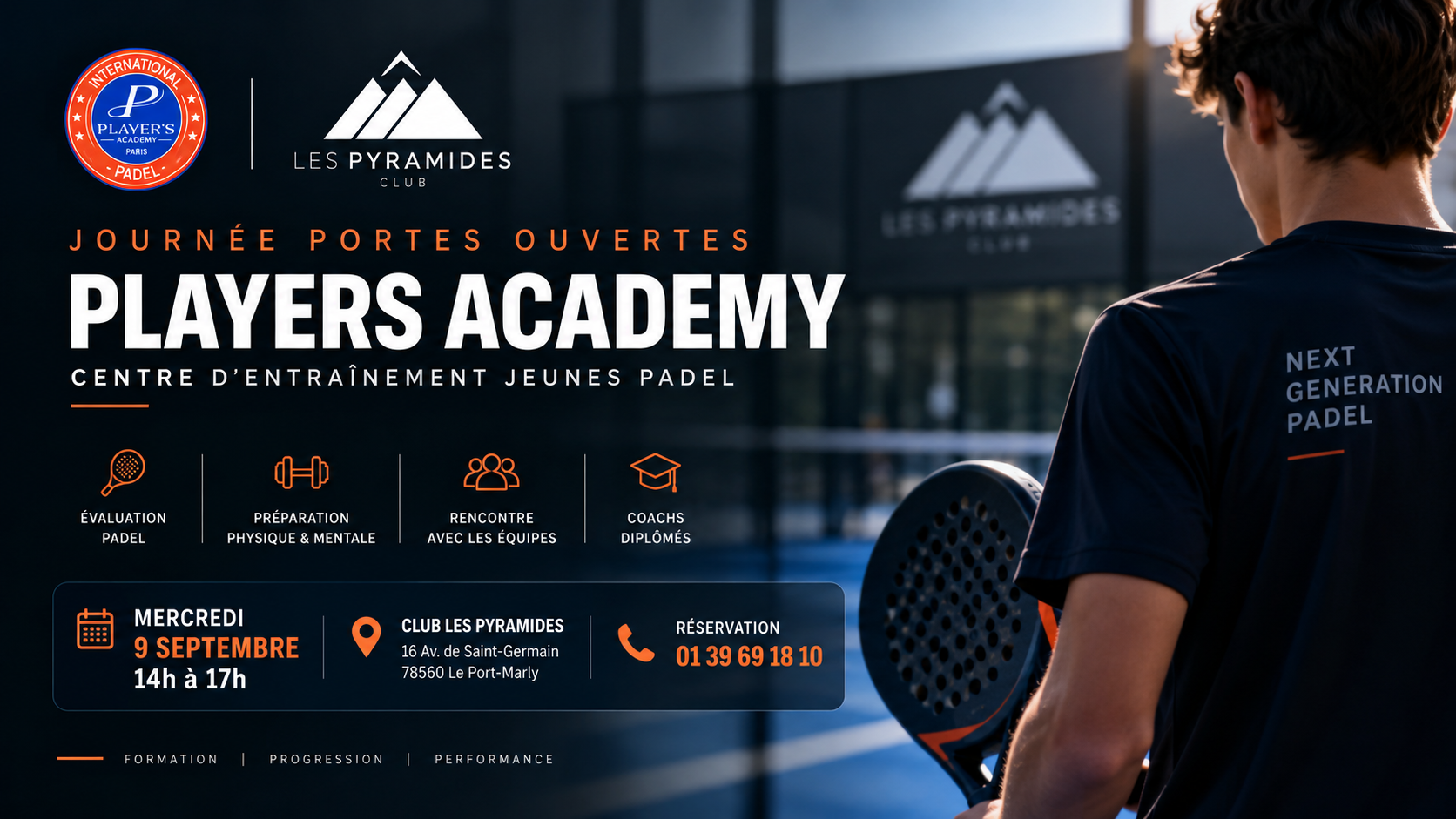 Les Pyramides: after 12 padel courts, the club is focusing on youth training