










Le reverse at the padel is a magnificent shot. Very elegant , it is one of the most photographed gestures. For the players , it can be very effective but also a real headache when learning. Let's take two minutes to clear this up.
One-handed, two-handed, cut, topspin or flat, the options are great for achieving a backhand. You don't know how to do this trick? We will try to help you.
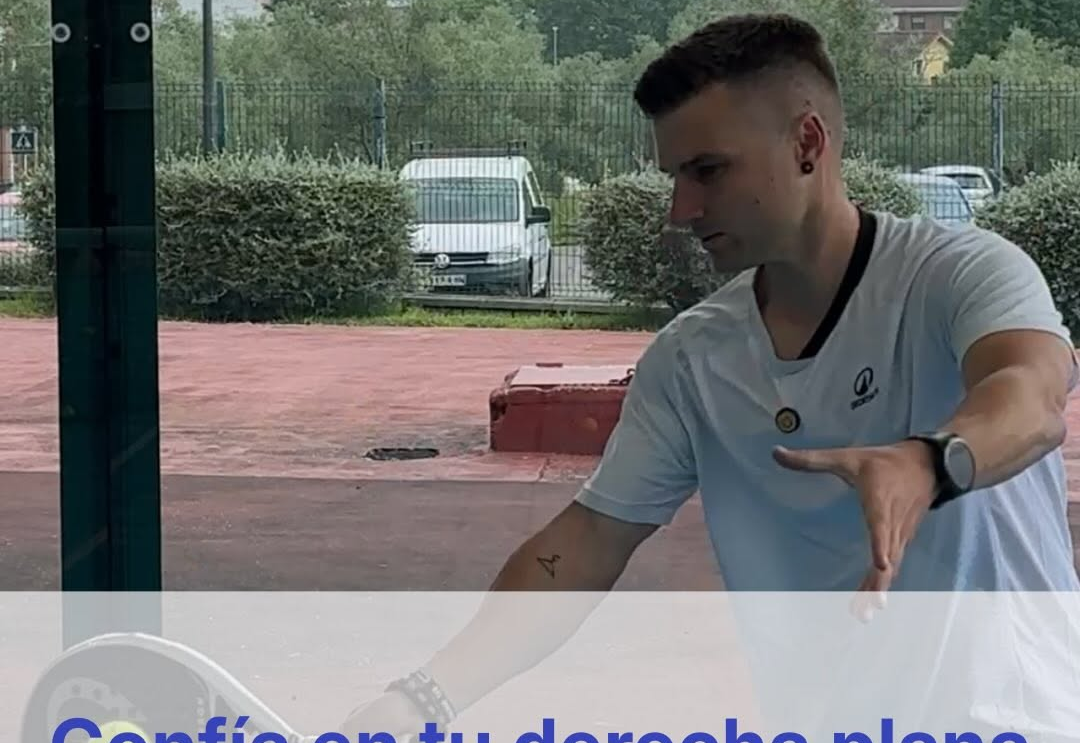
The first concern when performing the backhand is preparation. Why ? Because naturally we have less strength in the arm and wrist when we open our arms than when we close them (forehand gesture). So it is difficult for us to "place" the pala always in the same place when preparing with one hand.
The role of the "boss" or the non-dominant hand
The non-dominant hand has a major role in the preparation and especially in the achievement of the backhand. It is she who will always place the pala in the same position, which will allow you to adapt and adjust the height of your dominant hand to ultimately act as an elastic which will break when we decide to impact the ball.
One hand or two hands?
It has been demonstrated by the players themselves that a backhand in padel does not necessarily have to be done with one hand. It is true that the handle of the pala is shorter than a tennis racket handle, but this does not affect the effectiveness of the shot.

Our advice would be twofold. In people who have little strength in the wrists, we are talking about children, some ladies and even some men, it is preferable to use both hands in order to have more control during the strike (the pala does not vibrate. no) and avoid injury. The other tip is to use feeling. Is your one-handed backhand not working? Are you not comfortable? Trying to strike with 2 hands may be one of the solutions. And listen to yourself, because it is you who grab the pala, not your instructor or even your friend. No one should judge you if you land a two-handed backhand. The important thing is that you are comfortable with this basic move.
How to achieve the reverse?
At the bottom of the track, placed in the "house" behind the end line, in a waiting position, pala held with both hands in front of us at navel height, we will place the pala backwards as quickly as possible with the two hands, inside the wrist of the dominant hand resting on the belt. By adopting this position, our body will tilt to the side which will allow us either to take a step backwards or a step forward, everything will depend on the direction of the ball you have to play.

From this profile position, the idea will be to tilt the weight of our body forward in order to gain the upper hand on the ball, to give direction, speed or even precision.
What effect to give?
Once you have the best position for the strike, it will be time to hit the ball. With the wrist of the dominant hand glued to the belt, we can access the impacted flat or lifted cuff, that is to say with a brushed effect from bottom to top.
For the cuffs with a cut effect, it will be necessary to adapt the preparation. Instead of leaving the wrist glued to the belt, the non-dominant hand (the boss) will pull the pala upwards to reach the height of the chest. Since this new preparation height, it will be easier for us to make a cut back (slice).
The end of gesture
After having impacted the ball, consider that you must accompany the ball to the place where you wish to play. This will allow you to have more precision, to put your opponents under pressure, and above all to get back to you more easily.

The most common mistake is to step back too quickly by taking a step with the front foot back. We immediately lose control of the ball which often will have an upward trajectory so easy to play for our opponents or worse, which will end its course in the opposing glass.
Tip: after the strike, drag the rear foot before moving it forward. Return to your position by leaning on it.
The backhand is therefore an elegant, spectacular shot but which deserves hours of practice so that it is as fluid as possible. It is from this fluidity that efficiency will come. So learn to look at yourself, to understand your movements, your placements, your supports, your pala positions in order to love this backhand. And the day you find yourself beautiful when performing the backhand with one or two hands, you will have taken a giant step in your padel learning.
Julien Bondia is a padel teacher in Tenerife (Spain). Columnist and advisor, he helps you play better through his tutorials and articles on padel tactics/techniques.




















































 Dubai P1 – The lucky losers García / González create a sensation, Yanguas / Nieto jostled
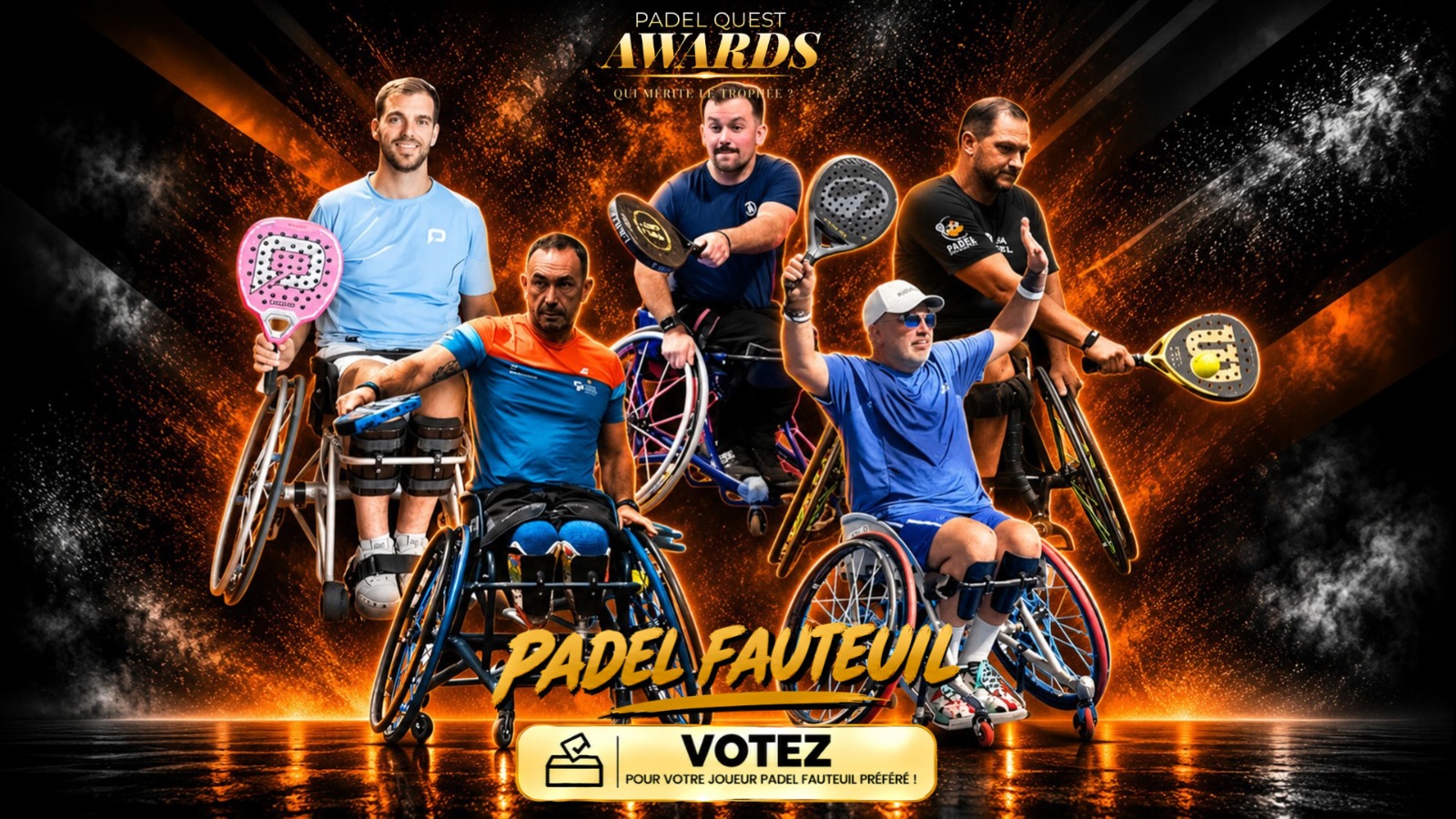 Padel Quest Awards 2026: Wheelchair padel in the spotlight, with 46,000 votes already cast
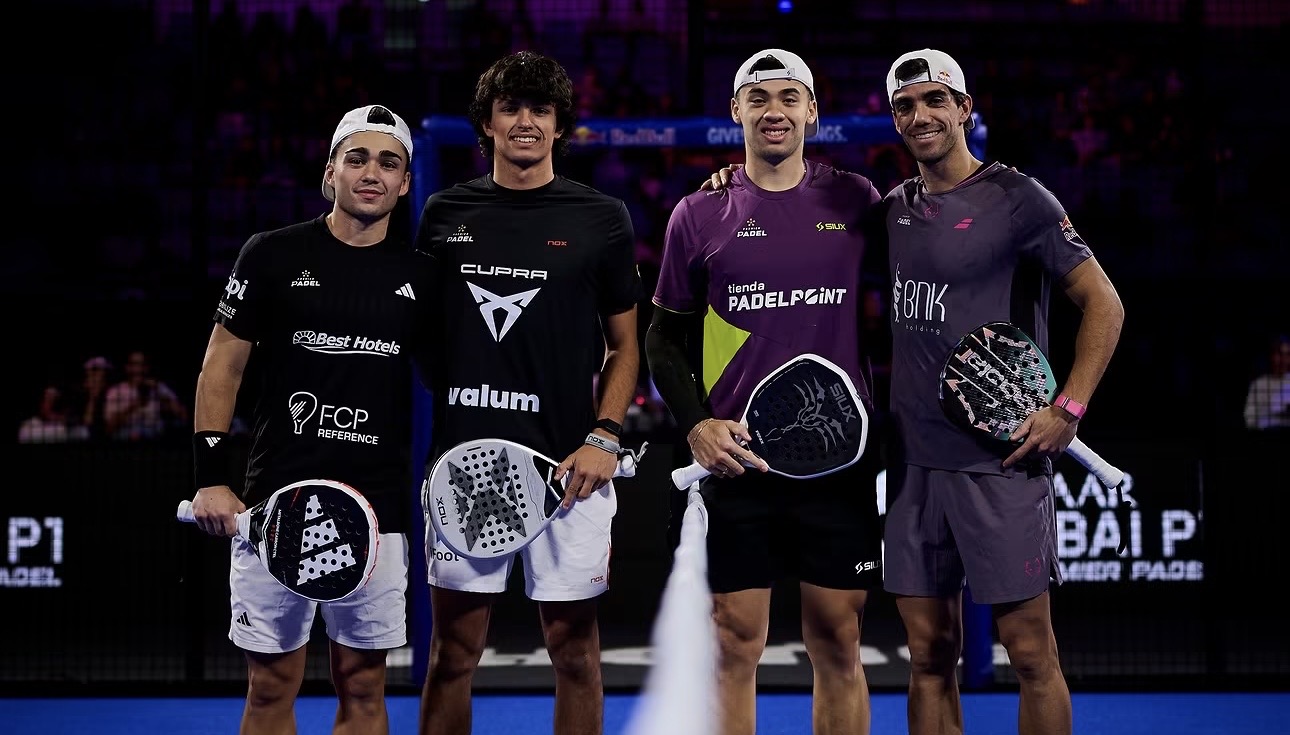 Dubai P1 – Lebrón/Augsburger overturn Castaño/Hernández, the Wolf impresses again
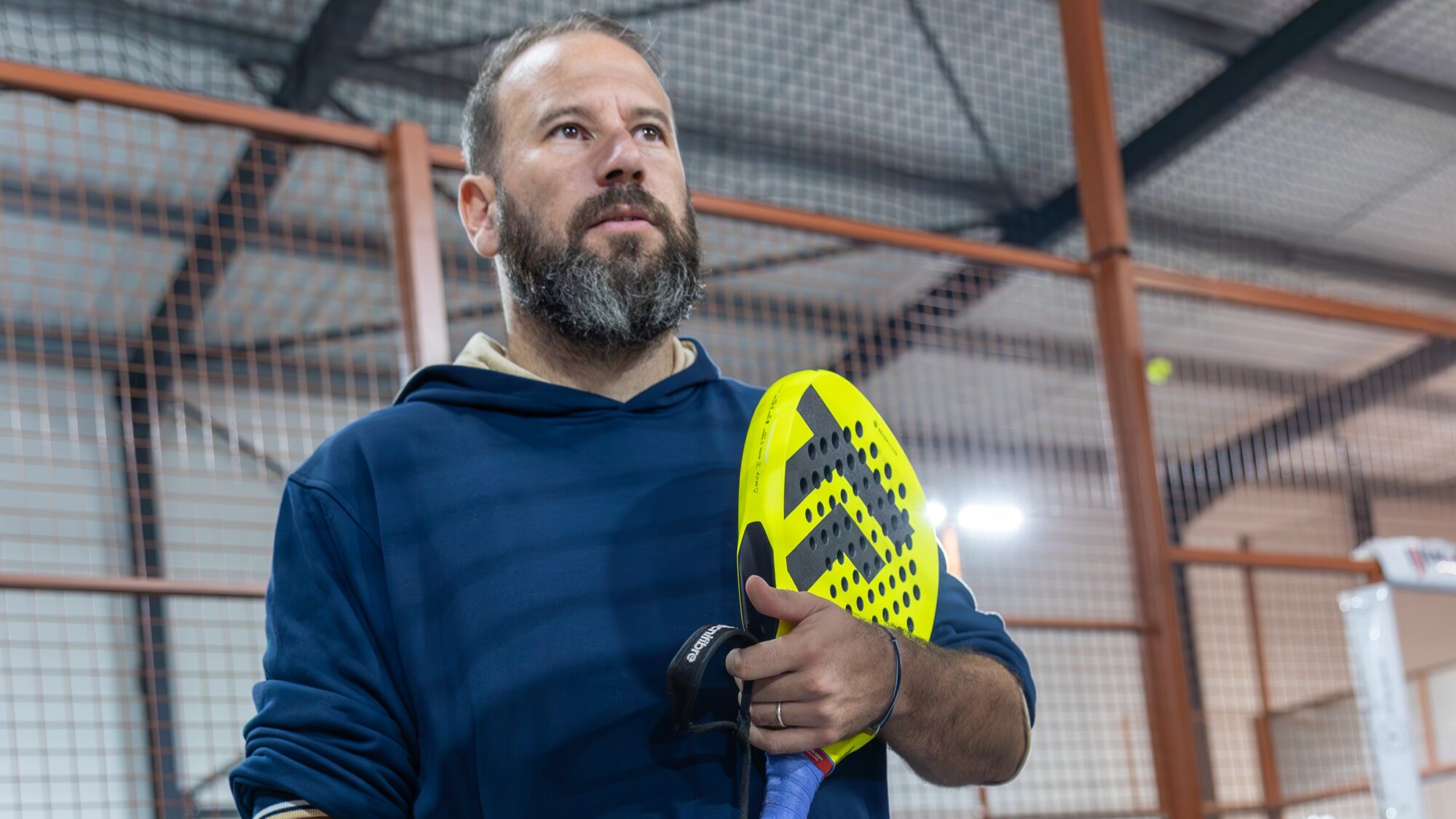 "I applied to become the coach of the French national team": an objective for Adrien Maigret
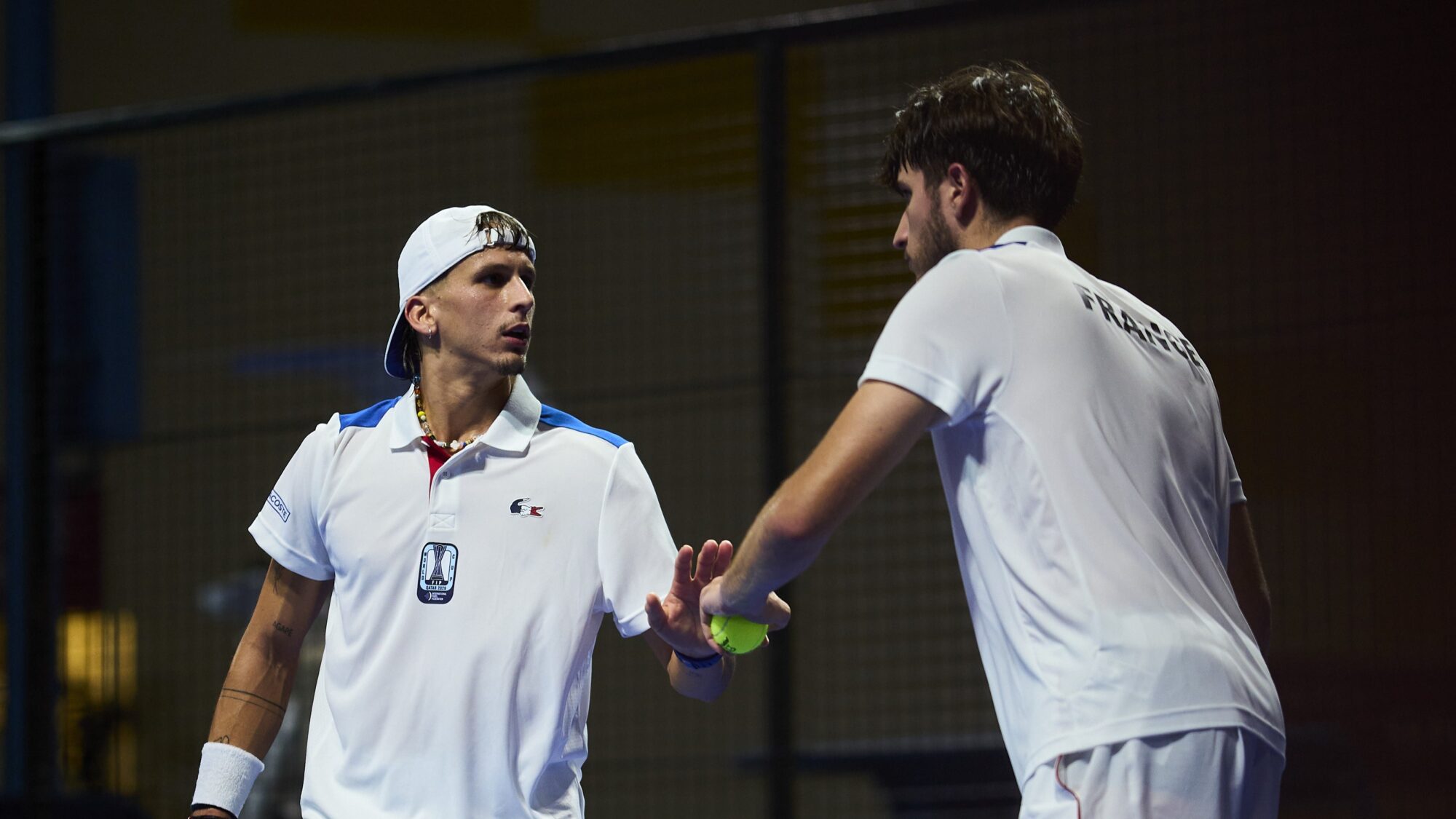 Fonteny/Joris after their “almost” upset against Tapia/Libaak: “We believed until the very last point”
 2026 World Cup – Five players barred from World Cup with the United Arab Emirates: Íñigo Jofre denounces the situation
 Coello/Tapia ahead of the Kuwait Major final against Tello/Arce: “These are two players who cause us a lot of problems”
 Why tournaments lead to different progress than matches between regulars.
 Dubai P1 – Collombon and Guichard eliminated in their first match, Leygue the last French hope
 Where to watch Dubai P1? TV schedule, times and broadcast information
 Win your own racket signed by TAPIA and COELLO – French competition Padel Shop
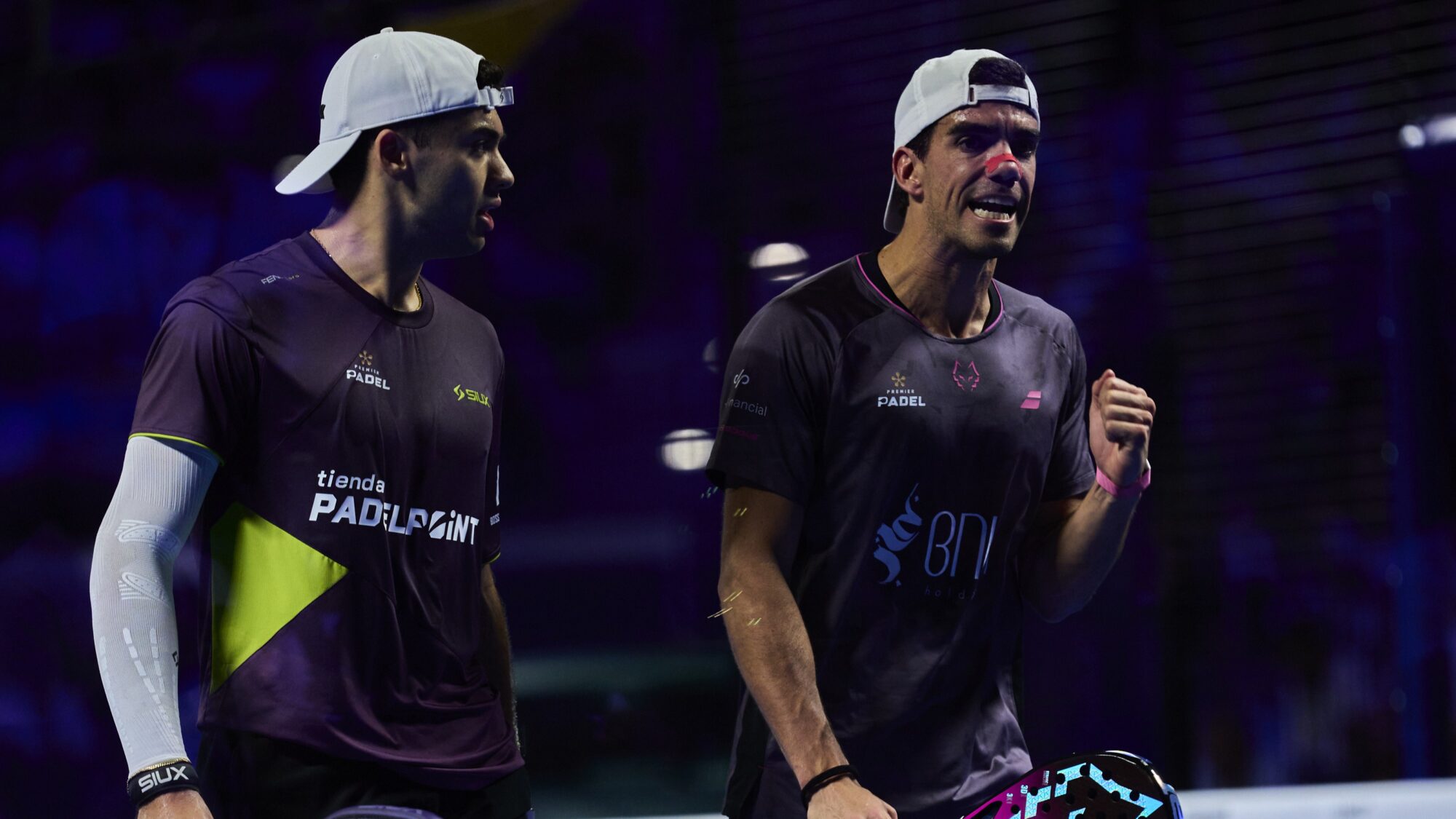 Dubai P1: Without Coello/Tapia or Galán/Chingotto, who will benefit?
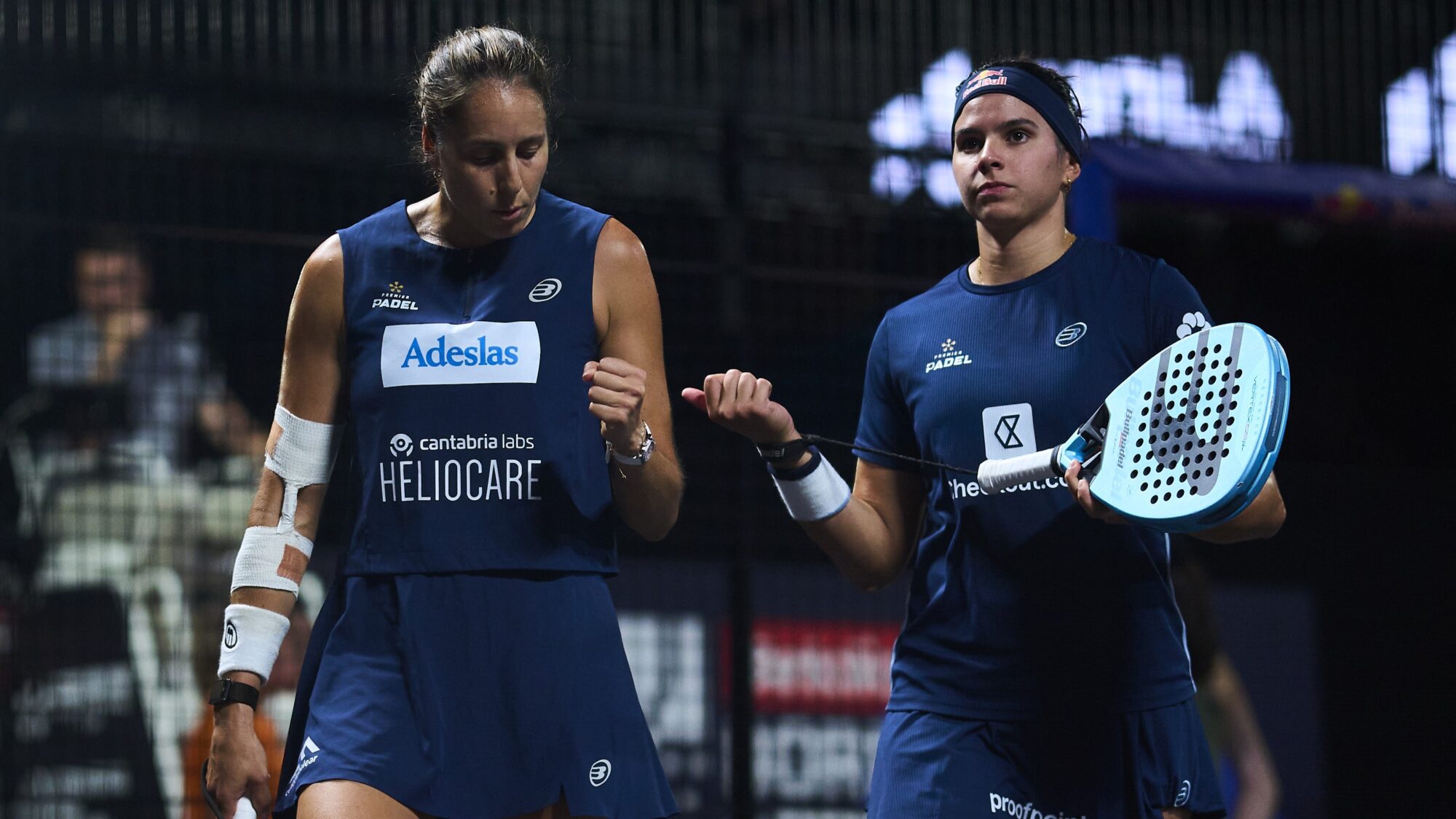 Dubai P1: Triay and Brea can already secure the world number 1 ranking
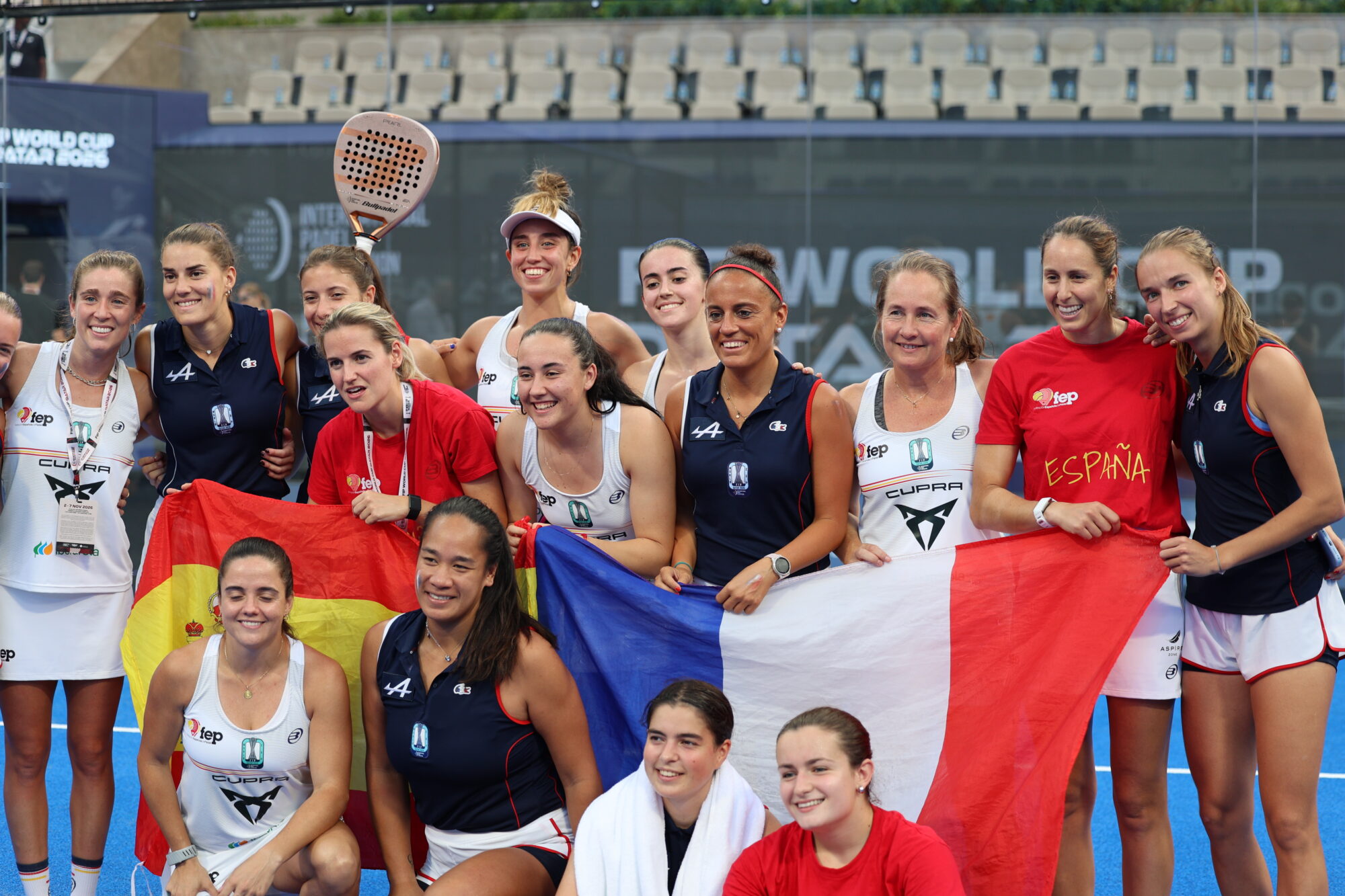 2026 World Cup: A week like no other in Doha
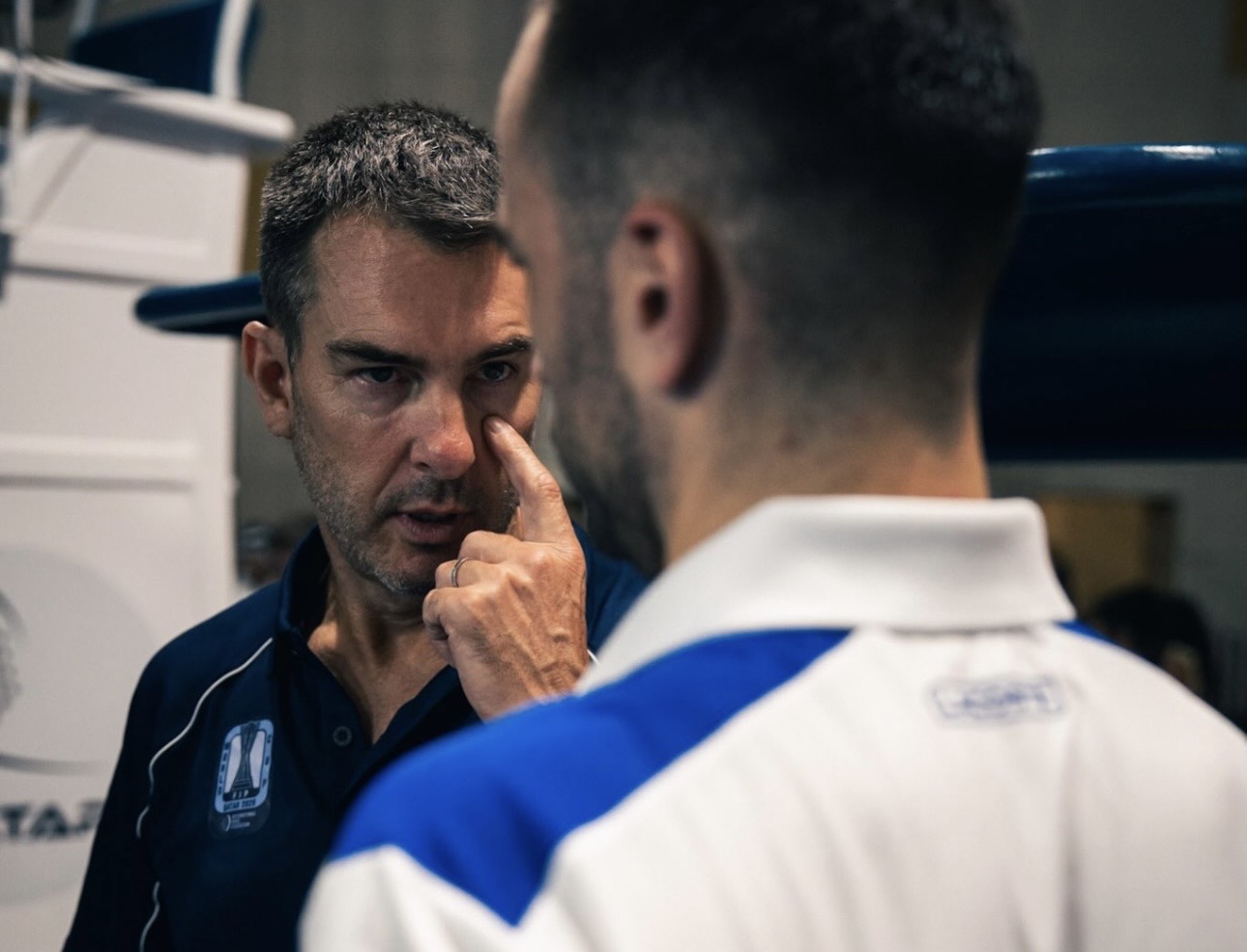 Pablo Aymà after the World Cup: "What happened against the Netherlands is inexplicable."
 Padel, weight training, and even HYROX: clubs are changing their model
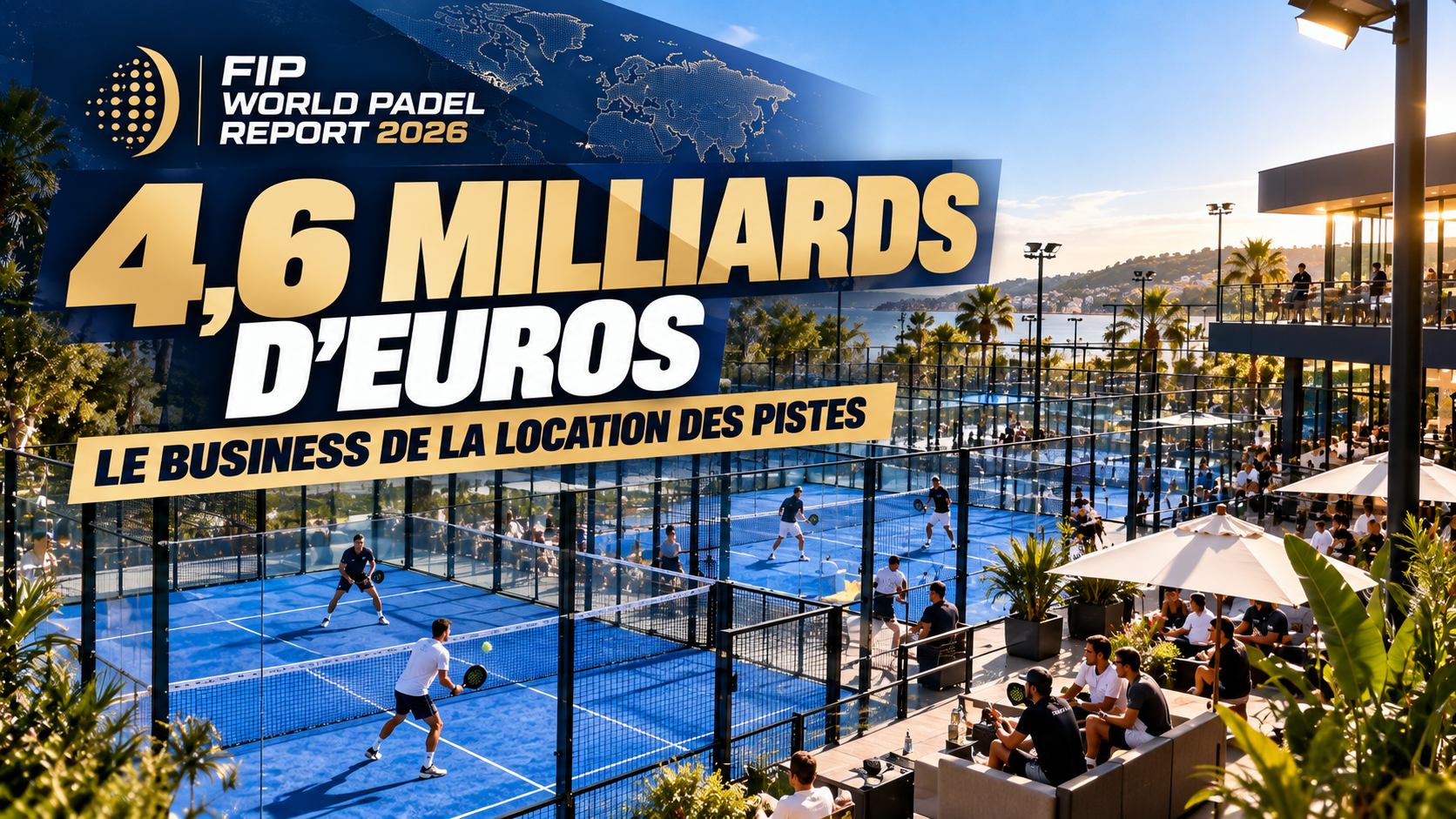 Padel court rentals: a global market estimated at 4,6 billion euros
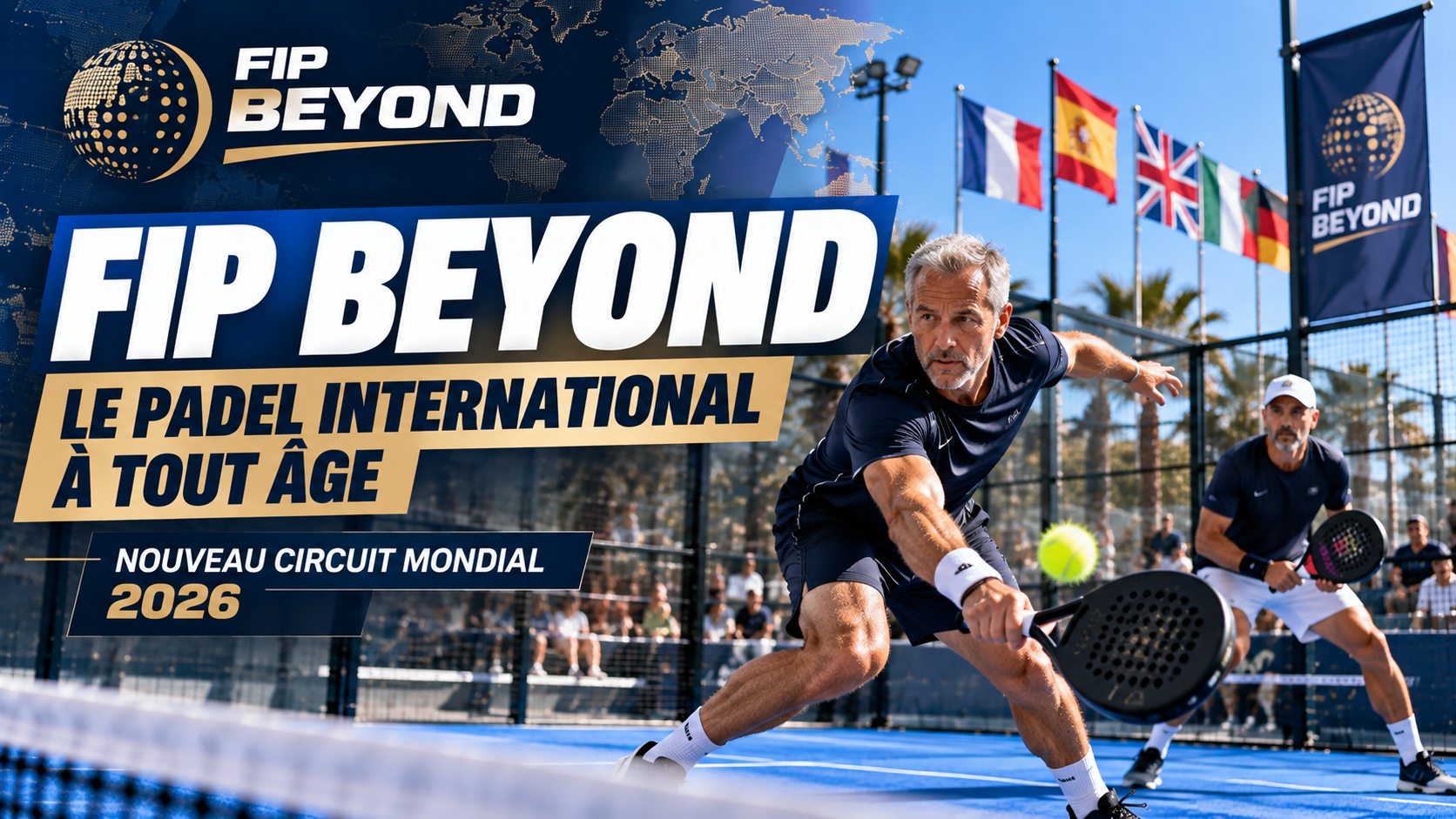 FIP Beyond: the new global padel circuit for amateurs and seniors
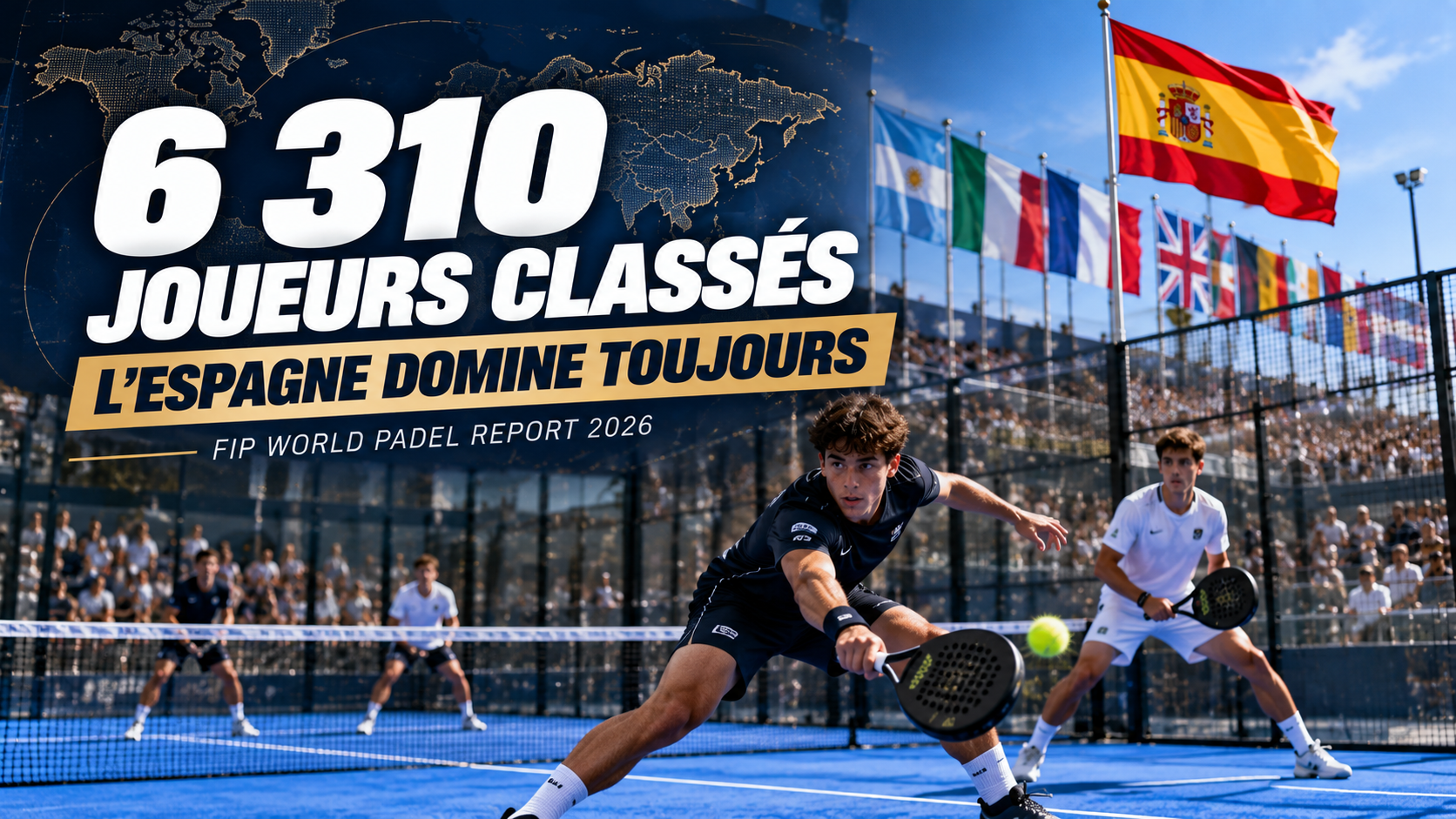 More than 6,300 FIP-ranked players: professional padel is becoming international, but Spain dominates
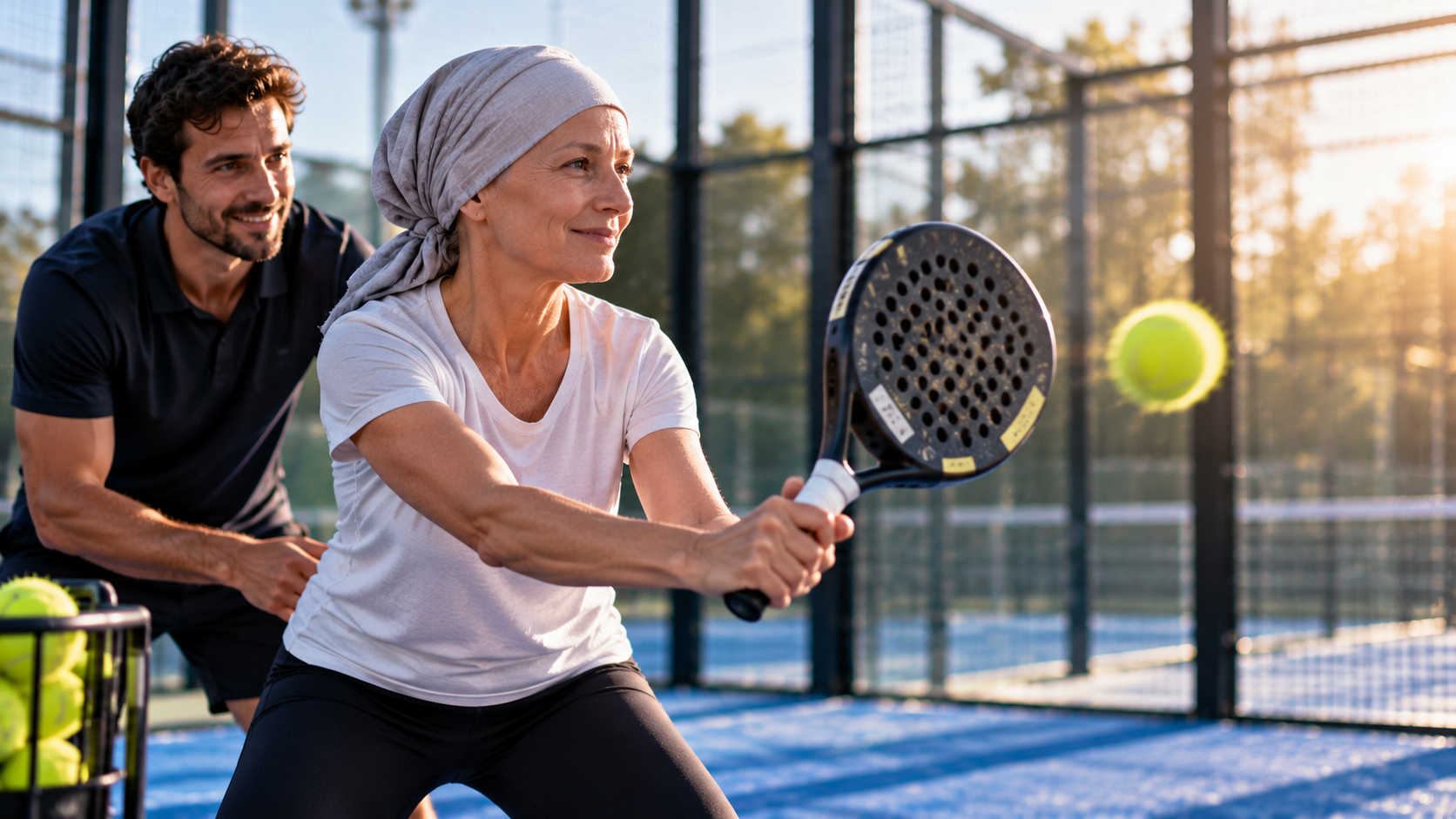 Cancer and rehabilitation: could padel become a therapeutic tool?
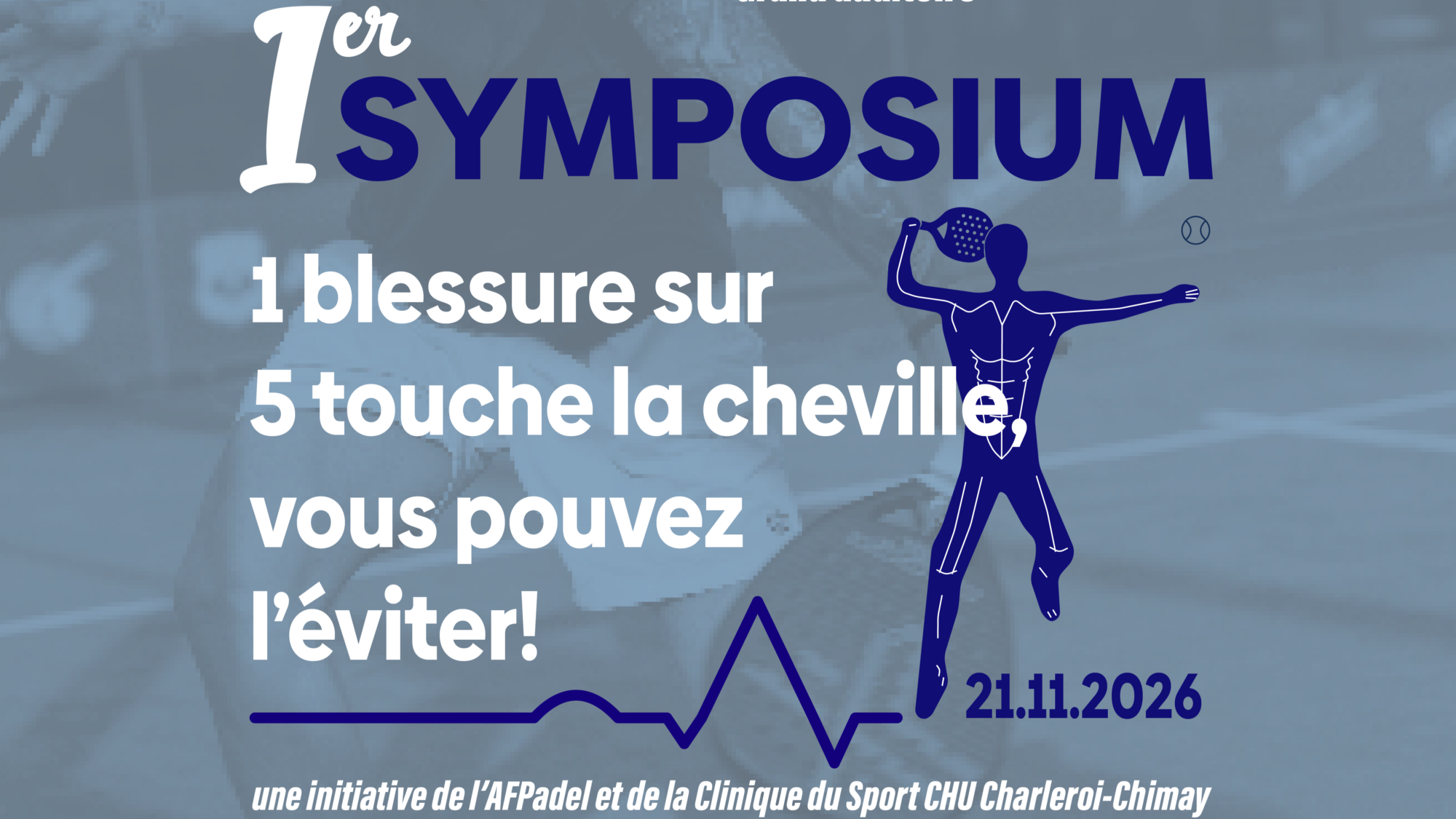 Padel injuries: ankle, knee, elbow, eye… what the latest figures reveal
 Shocking turn of events at Dubai P1: Coello and Tapia have also withdrawn!
 Organising a national padel competition: what are the FFT's requirements for clubs?
 What the analysis of the stroke reveals: tennis forehand vs. padel bandeja
 Has the bandeja disappeared from modern padel?
 Flat forehand in padel: 5 exercises from Cristian Álvarez to gain control and efficiency
 Why knowing how to play on the right and left can make all the difference
 Why can Libaak/Alfonso beat almost everyone… except Coello/Tapia?
 Tapia reveals his recipe for beating Coello / Tapia: "I would bet everything on myself"
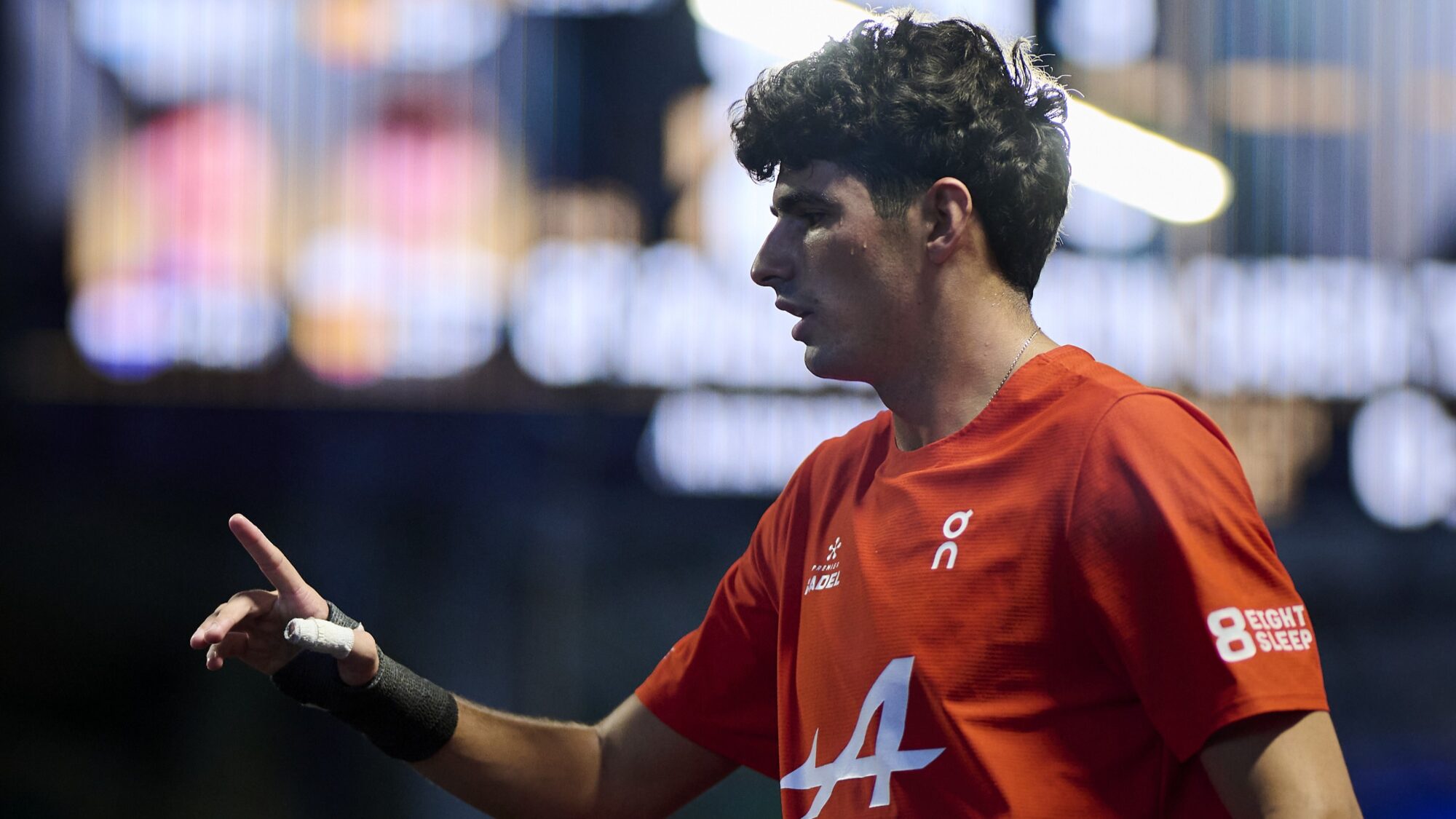 How Coello defused Chingotto's game plan
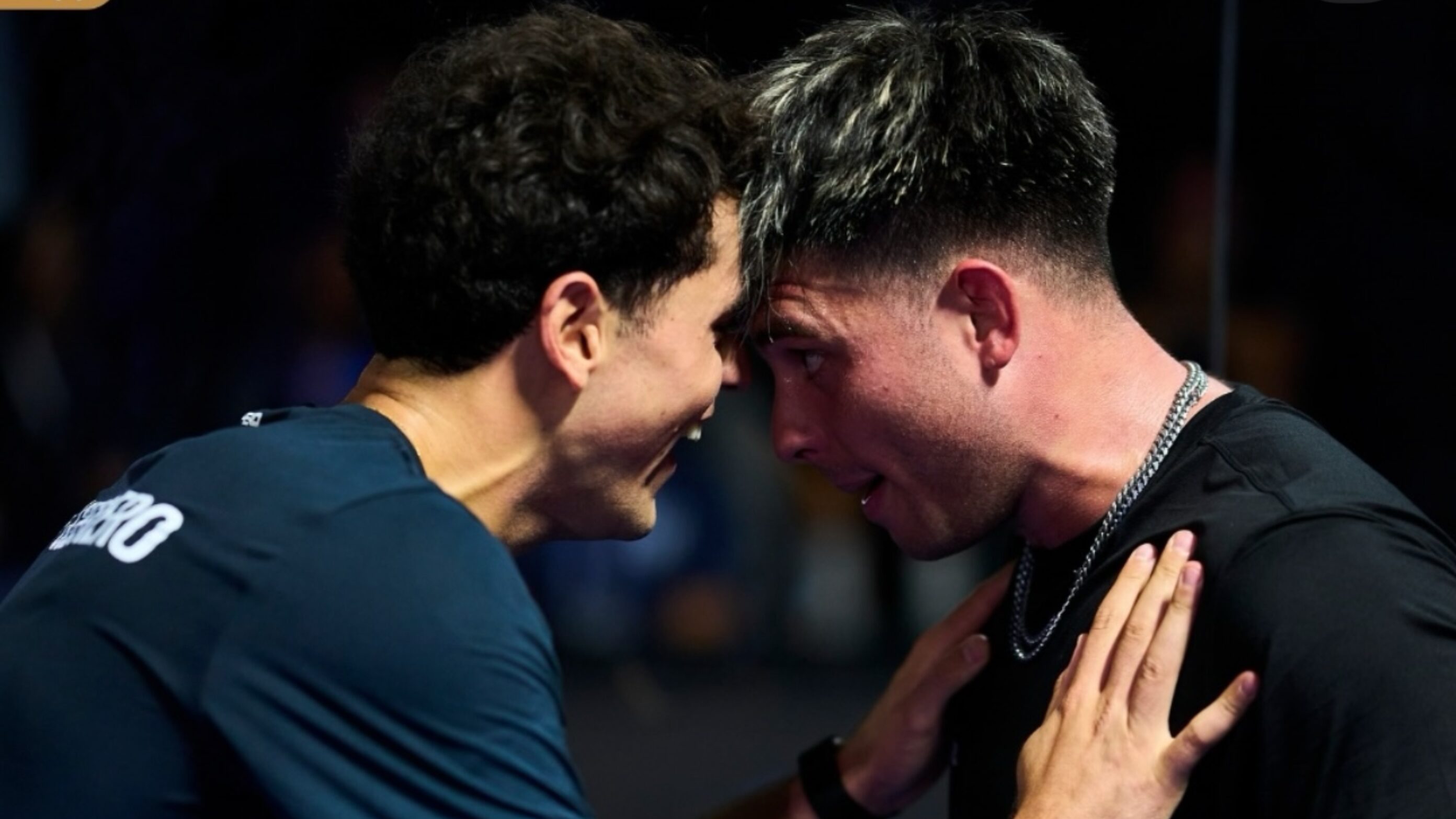 In padel, does the chemistry between a pair count as much as individual skill?
 Organising a P2000 or a P3000: how much does it really cost clubs?
 P2000 or P3000: what are the differences in prize money, format and organization in 2028?
 Do you lose your ranking? Padel FFT after more than a year without a license / without competition?
 Memory, reflexes, concentration: what happens in our brain when we play padel?
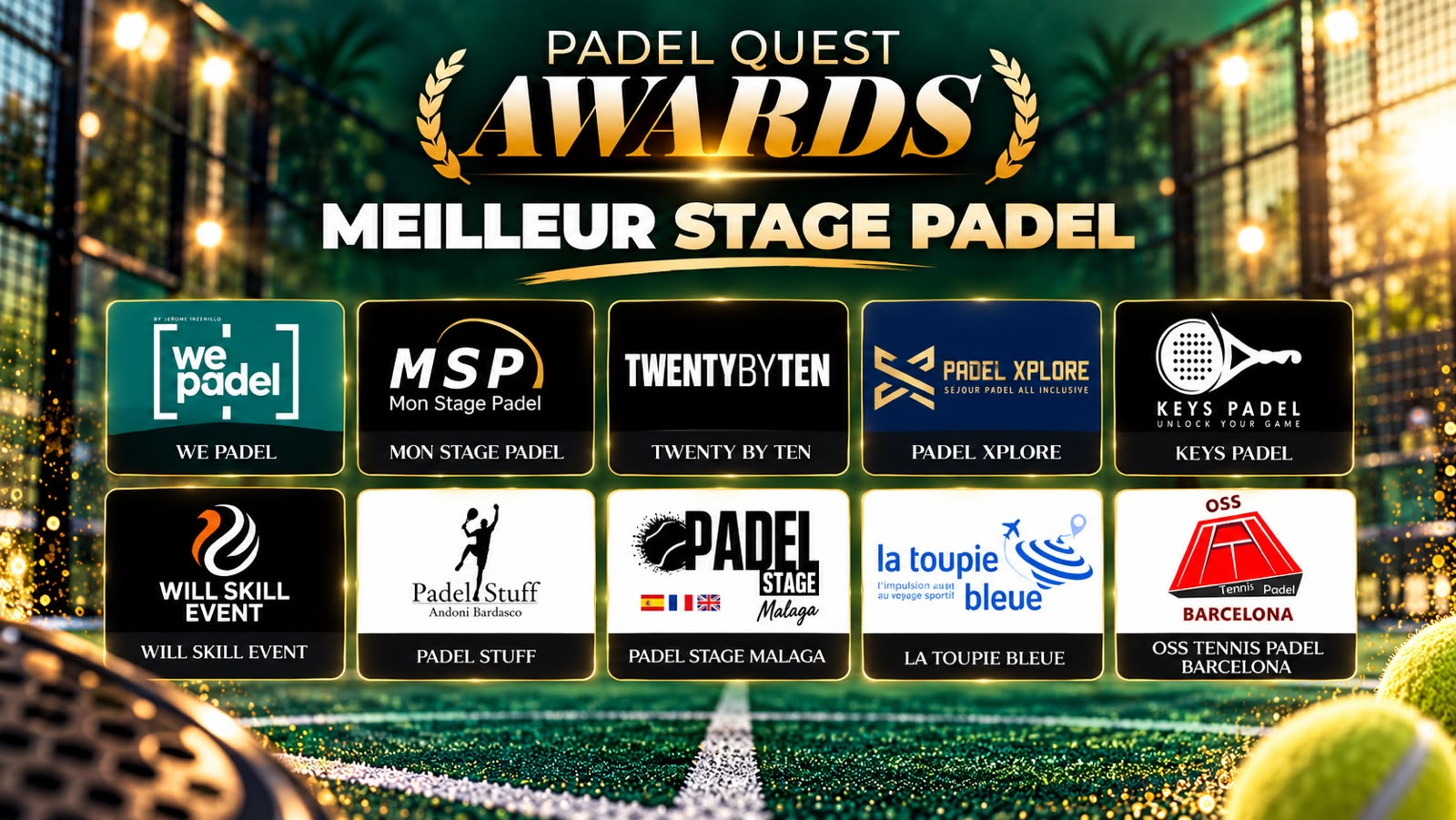 Padel Quest Awards: Ten specialists in the running for the title of best padel training camp of the year
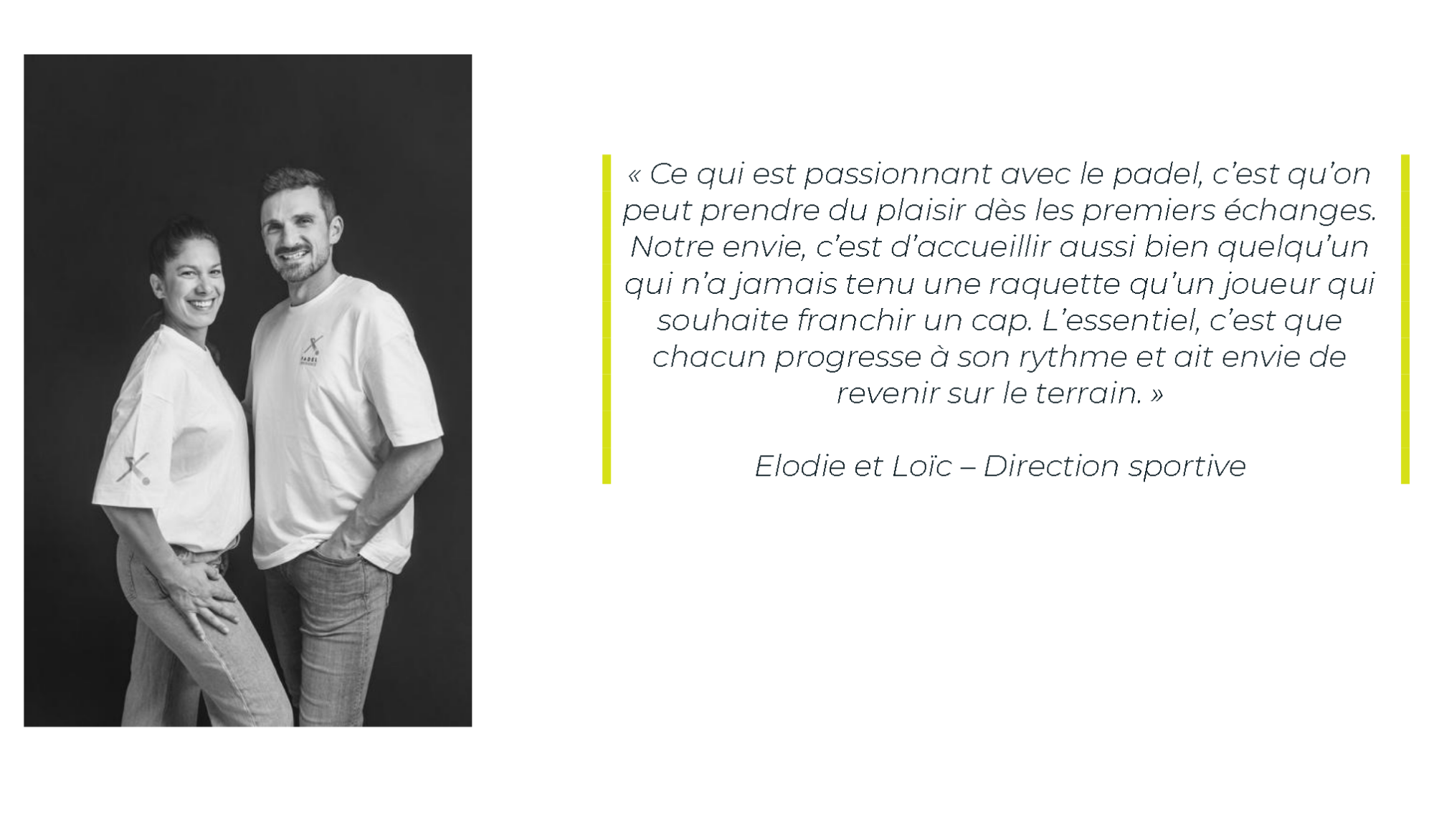 Padel Xperience: The Academy opens on November 2nd in Marcheprime, ahead of the complex's inauguration in 2027
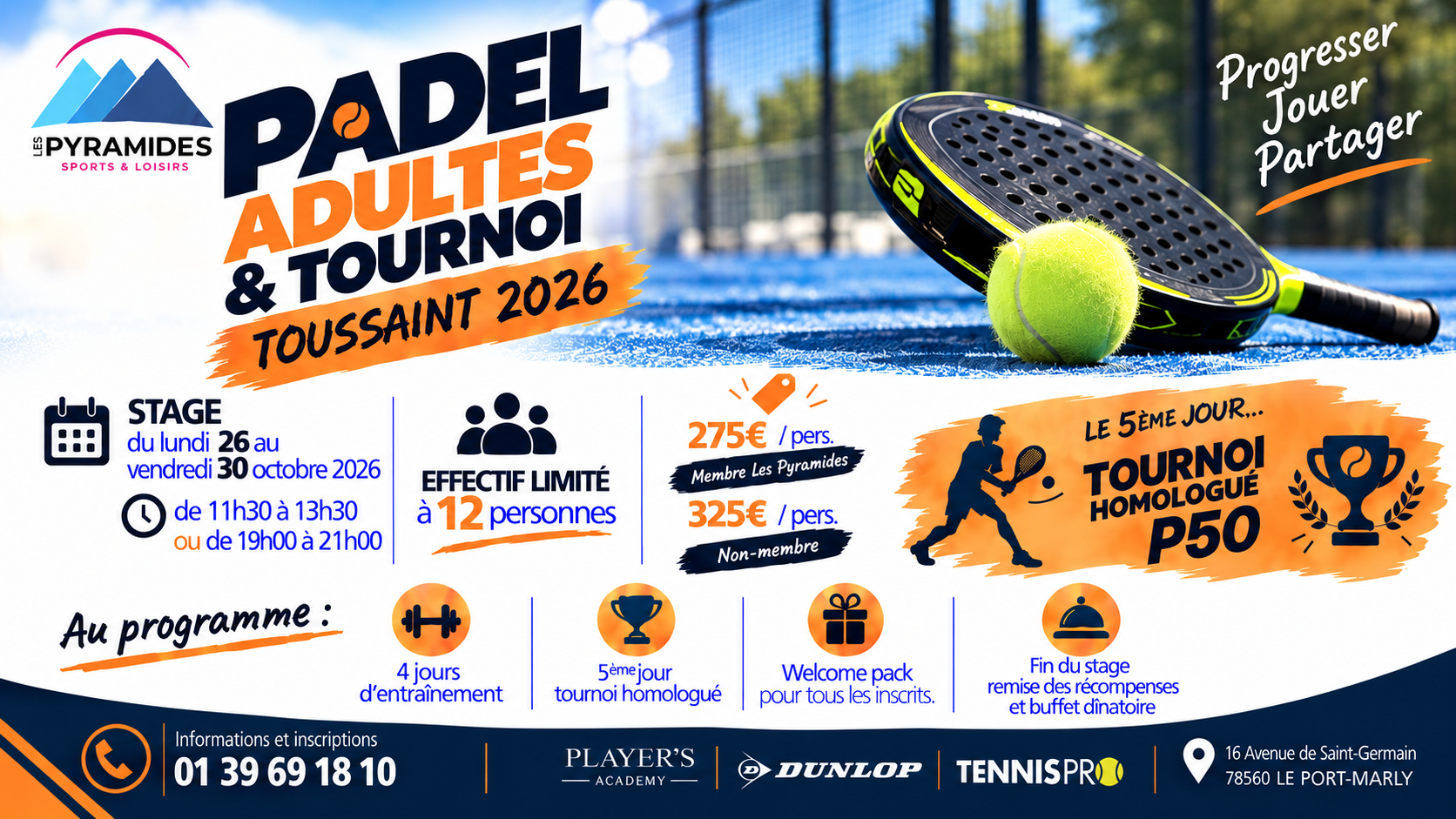 All Saints' Day – Les Pyramides are organizing a padel training camp for adults with a P50 tournament to close out the week
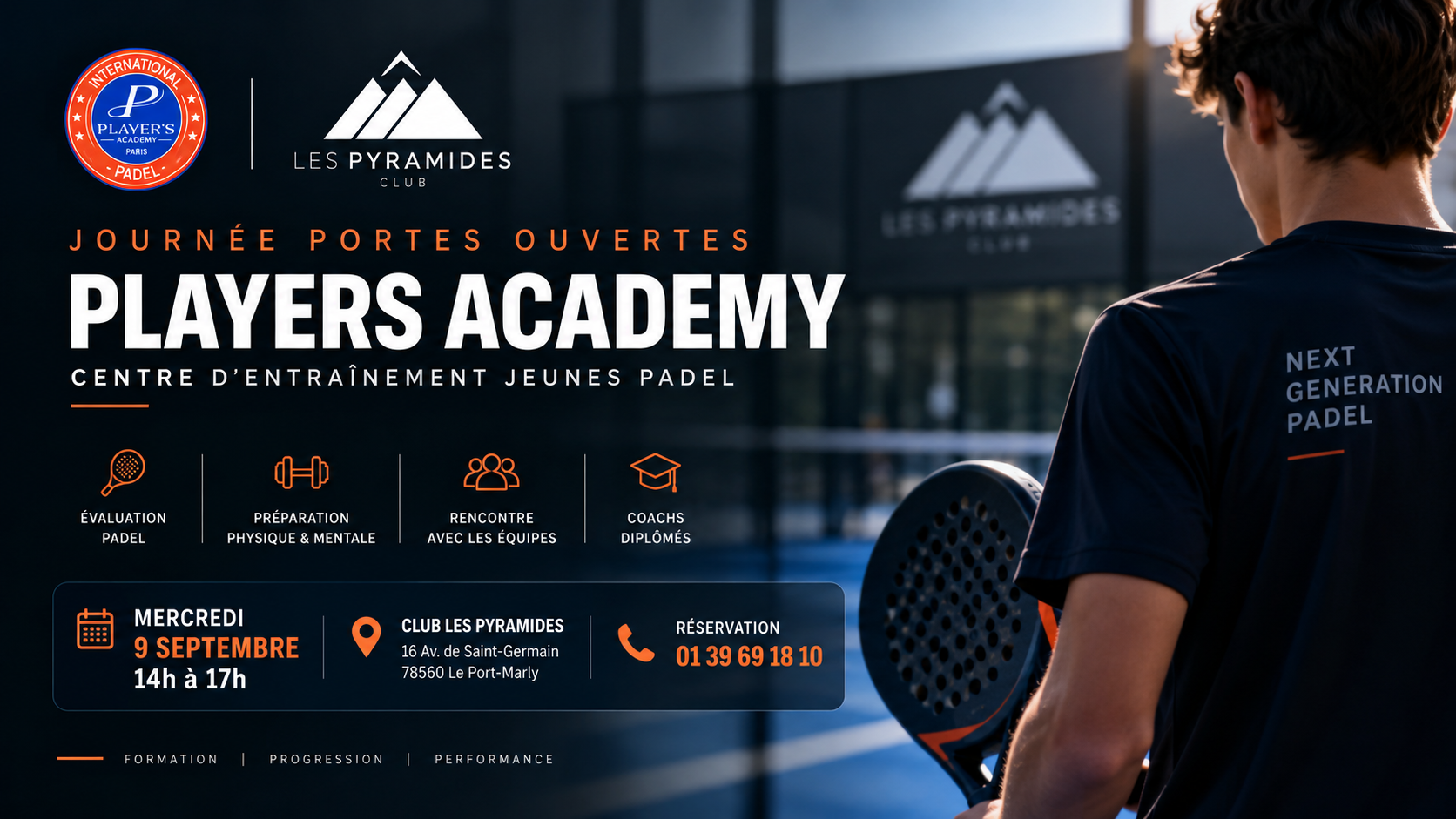 Les Pyramides: after 12 padel courts, the club is focusing on youth training