

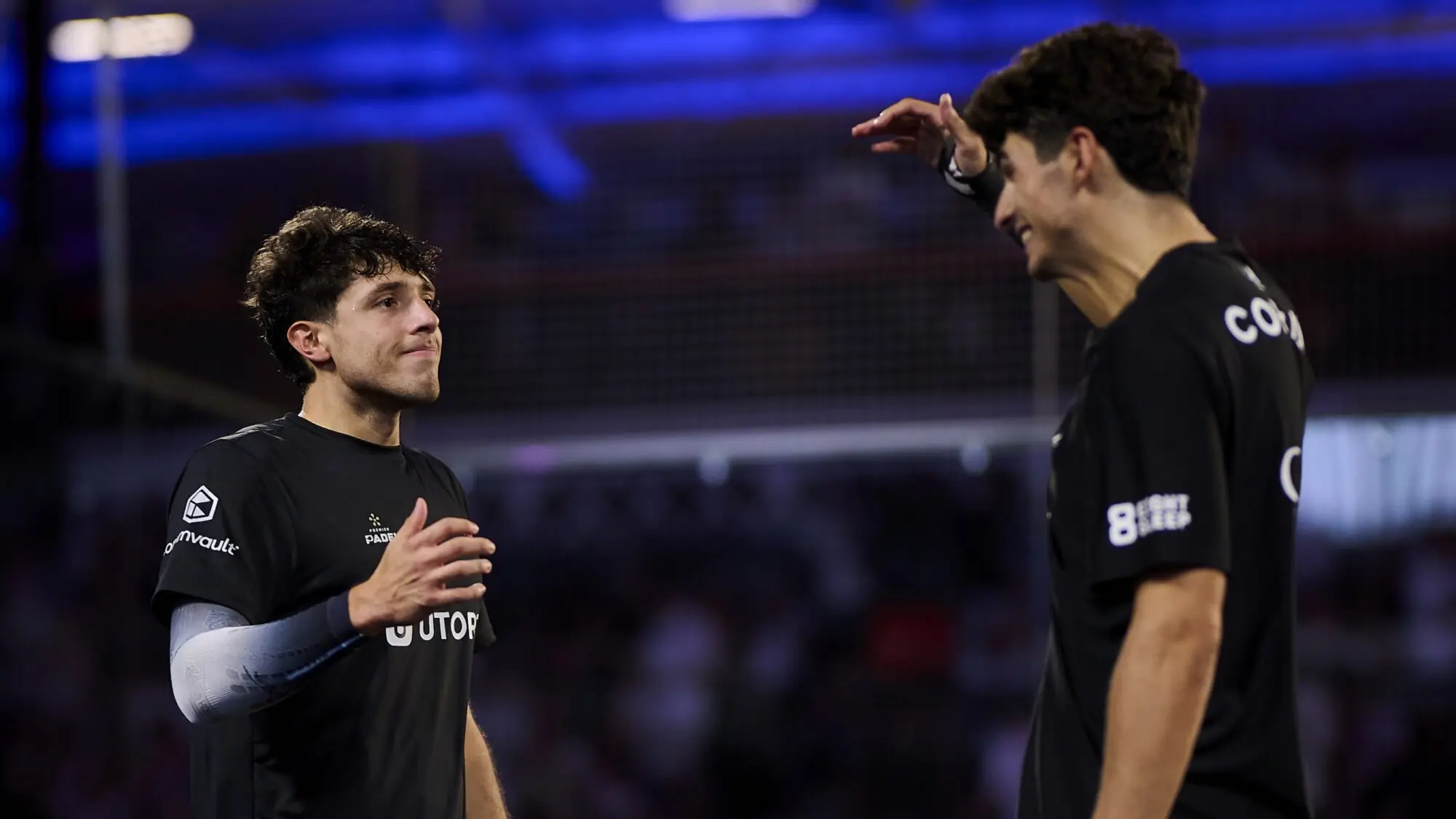








Three months, two finals, and an almost identical scenario. In Valencia as in Paris, Alejandro Galán and Federico Chingotto served for the title against Arturo Coello and Agustín Tapia. Each time, the number ones broke back before winning in the tiebreak. This repetition invites us to look beyond a purely mental analysis: what actually happens when the match enters its decisive phase?
In Paris, Galán and Chingotto had taken control of the game
The Paris Major final, won by Coello and Tapia 6/3 4/6 7/6(1) It was not simply a matter of continuous domination by the number 1s. For a long time, it even told the opposite story.
From the very first set, Galán and Chingotto had three break points at 3-3, but failed to convert them. In the following game, Tapia and Coello immediately punished this inefficiency by securing the only break of the set.
But Jorge Martínez's pair gradually turned the tide. Chingotto increased his intensity, extended the rallies, and forced more turnovers. Galán, for his part, became increasingly dominant in finishing the game. After winning the second set 6-4, the number 2 players reeled off five consecutive games between the end of that set and the start of the third.
Galán seemed unstoppable, while Chingotto gained the upper hand in his diagonal against Coello. Trailing 3-0 and then 5-2, the number 1 players weren't just suffering from the scoreline; they had lost control of the two main areas of the court.
A serve for the title, then two love games for the opponent.
At 5-3, Galán and Chingotto served to win the Paris Major. It was precisely at this moment that the momentum shifted.
Coello and Tapia first broke back, then held serve to love to level at 5-5. Galán and Chingotto held their next serve and led 6-5, but were then on the return. The number ones again held serve without dropping a point, before cruising through the tiebreak 7-1.
The most revealing piece of information is therefore not solely the service game lost at 5-3. After being dominated in the game, Coello and Tapia did not lose no points from their last two engagements of the set. At the moment when the pressure was at its maximum, they snatched the break back and then completely secured their serve.
Tactically, the best analyses are sometimes the simplest: Coello and Tapia accelerated by simplifying their game. They moved faster to the net, hitting powerful shots to the body and giving their opponents less time. Conversely, Galán and Chingotto rushed things and lost their collective organization. Coello then took on more responsibility in the air, covering more ground and relieving a flagging Tapia. The latter gradually regained his energy and aggression. More than an individual feat, it was this rebalancing that allowed the number one players to regain control of the net, accelerate the rallies, and turn around a final that seemed to be slipping away from them.
Valencia had already issued the same warning
The parallel with the Valencia P1 final is too apt to ignore. Galán and Chingotto led 5-2 in the third set before serving for the title at 5-4. Coello and Tapia broke back and then won the tie-break after trailing 5-1.
In Paris, the gap was even more pronounced in the match: Galán and Chingotto had gained the upper hand in the cross-court rallies and seemed to control the build-up of points. Yet, the same obstacle appeared when it came time to close out the match: a lost serve for the title, then a tie-break almost entirely dominated by the number 1s.
To speak solely of "fear of winning" would be too simplistic. In both finals, one must also consider what Coello and Tapia impose on the other side of the net. They accept enduring long periods of adversity without completely breaking, and then become extremely effective as soon as their opponent gives them an opening.
In Valencia, Tapia had already summarized this logic by explaining that these matches are decided on small details and that his partner had continued to believe until the end.
A problem with the finishing, but above all a tactical area to work on.
Two similar scenarios are not enough to establish a definitive weakness. Galán and Chingotto have already beaten Coello and Tapia in several major finals. On the other hand, Valencia and Paris now pose a real sporting question: how can they maintain the game plan that allowed them to gain the advantage when the number 1 players suddenly increase their pressure in the return leg?
The challenge may not be about playing more, nor about finding the winning shot faster. One area to examine lies in the first two shots following the serve: the quality of the serve, the choice of the first volley, protecting the center, and the ability to prevent Coello and Tapia from immediately returning to the net.
In Paris, Galán and Chingotto showed they could dominate the number one seeds in the game. Now they must demonstrate they can maintain that control in the final game. Because against Coello and Tapia, serving for the title doesn't mean the match is over. It's often when the toughest part begins.

I discovered the Padel I stumbled into Spain at a campsite. I was instantly hooked; passionate about padel, I follow international and regional news with the same excitement as the sport itself.




































































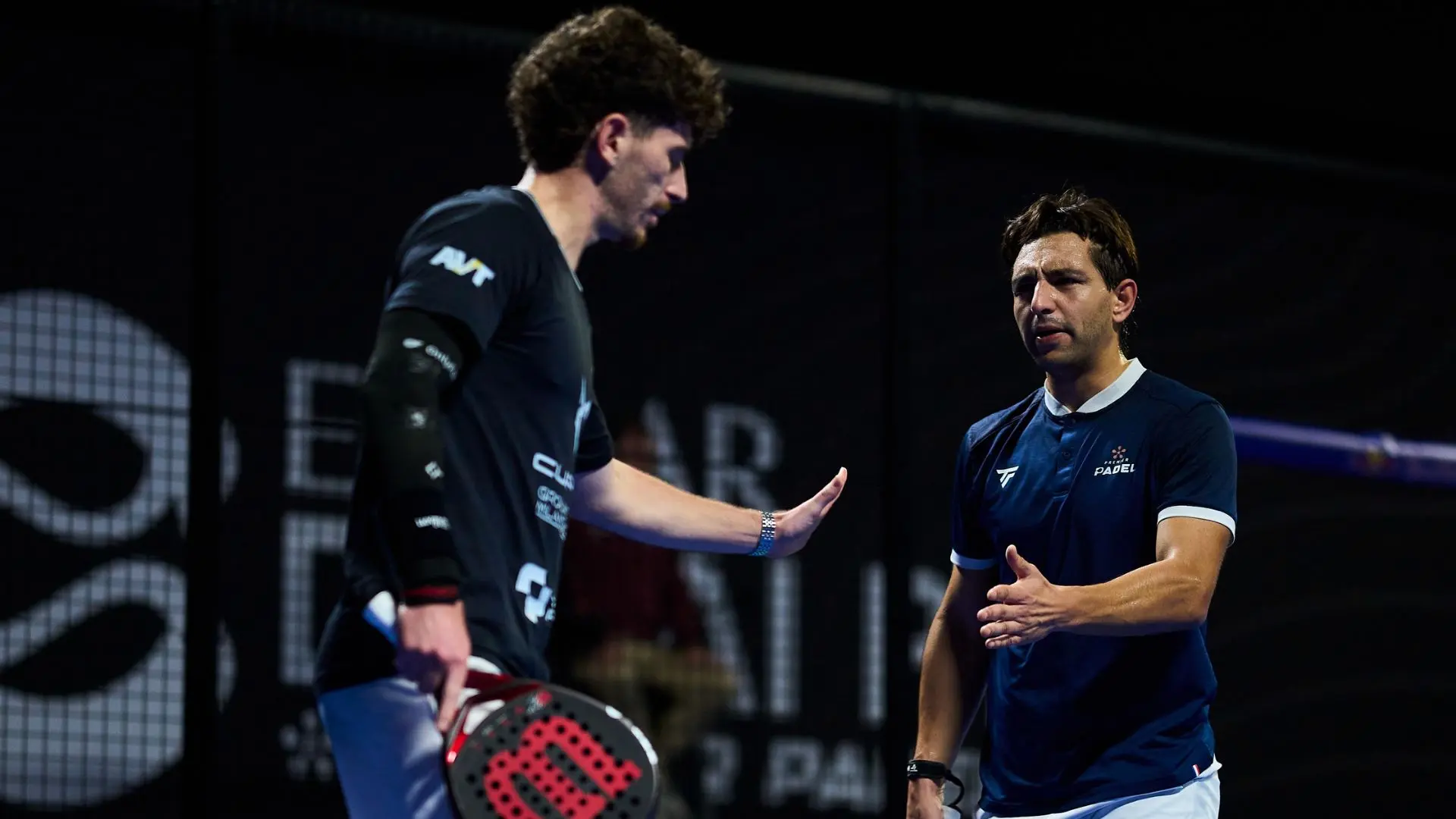 Leygue and Moya had the weapons but narrowly lost to Ruiz/López in the first round of Dubai P1
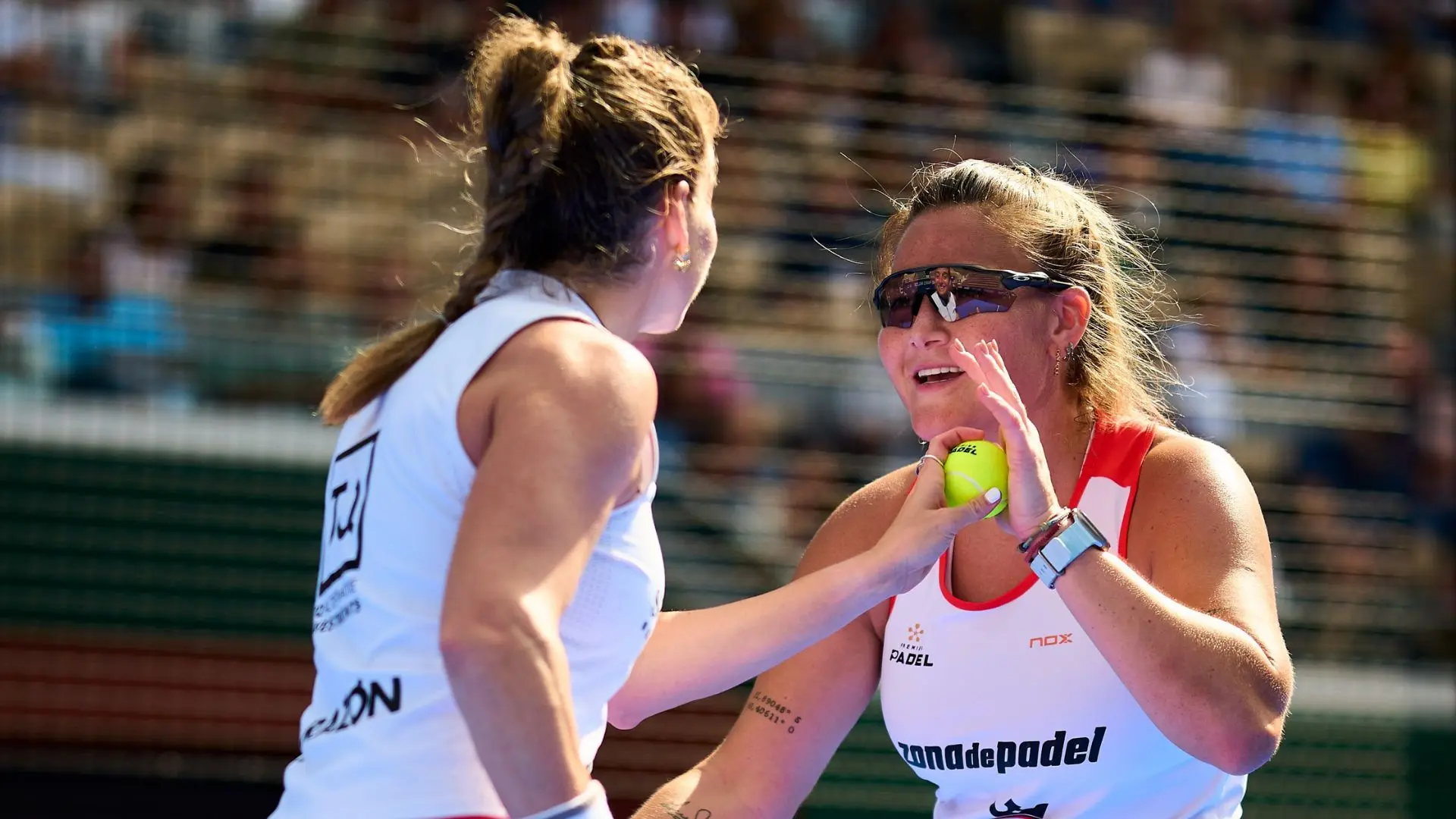 Dubai P1 – Another disappointment for Salazar/Osoro, eliminated in the first round: the Barcelona Finals are slipping away dangerously
 Dubai: behind the P1, an already well-established padel market
 "I applied to become the coach of the French national team": an objective for Adrien Maigret
 Fonteny/Joris after their “almost” upset against Tapia/Libaak: “We believed until the very last point”
 2026 World Cup – Five players barred from World Cup with the United Arab Emirates: Íñigo Jofre denounces the situation
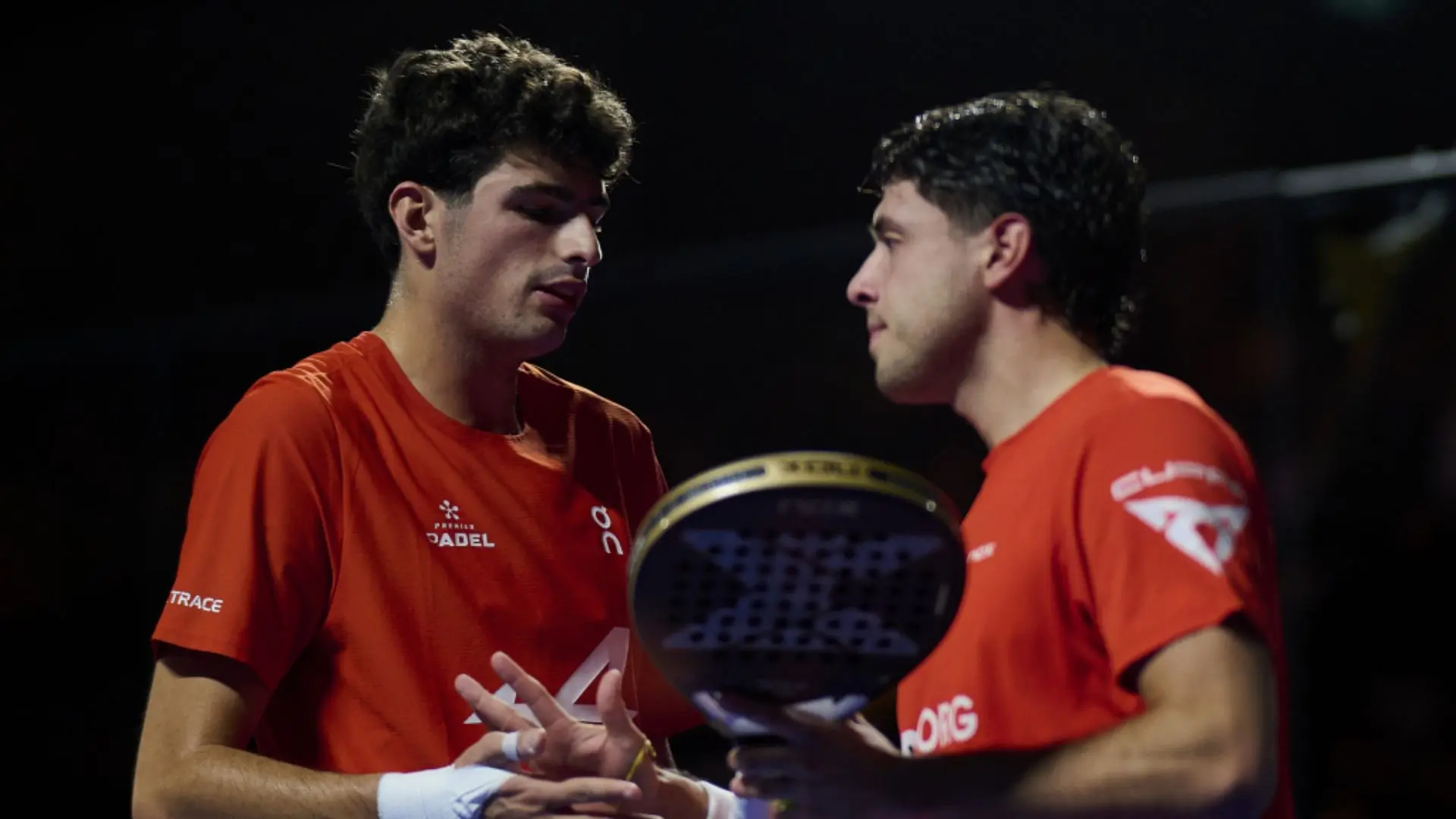 Coello/Tapia ahead of the Kuwait Major final against Tello/Arce: “These are two players who cause us a lot of problems”
 Organising a national padel competition: what are the FFT's requirements for clubs?
 A PADEL, the club that made Thuir the capital of Catalan padel
 Dubai P1 – Leygue and Moya secure their qualification through sheer willpower and earn a spot in the main draw
 P1000 Padel Saint-Charles – Gourre / Armand claim the title by defeating the top two seeds
 Dubai P1 – Collombon and Guichard eliminated in their first match, Leygue the last French hope
 Coello on ice, Nieto decisive: the limits of partner targeting
 Where to watch Dubai P1? TV schedule, times and broadcast information
 Padel, weight training, and even HYROX: clubs are changing their model
 Padel court rentals: a global market estimated at 4,6 billion euros
 FIP Beyond: the new global padel circuit for amateurs and seniors
 More than 6,300 FIP-ranked players: professional padel is becoming international, but Spain dominates
 Memory, reflexes, concentration: what happens in our brain when we play padel?
 P2000 or P3000: what are the differences in prize money, format and organization in 2028?
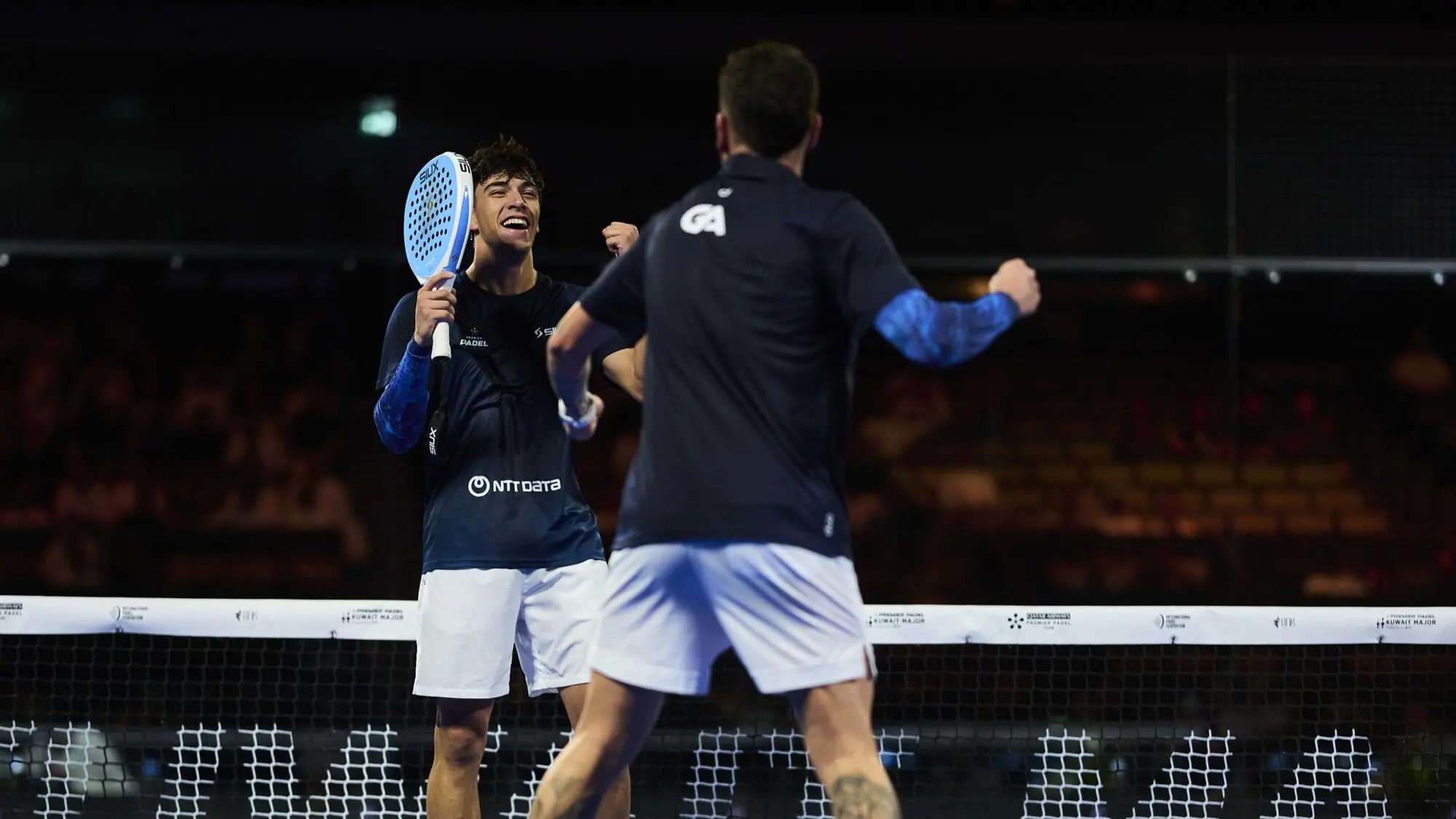 Why can Libaak/Alfonso beat almost everyone… except Coello/Tapia?
 Could padel help the brain recover after chemotherapy?
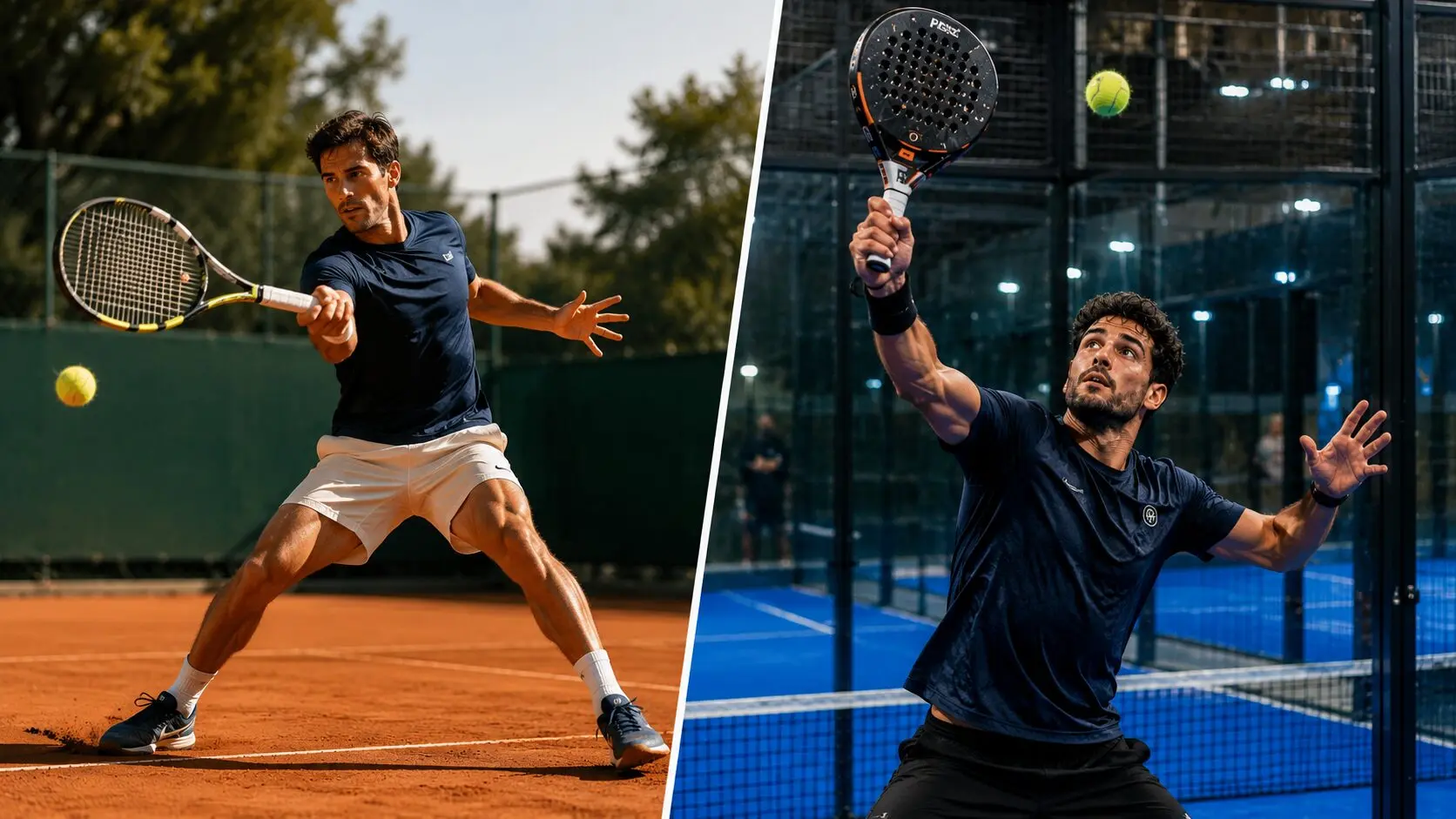 What the analysis of the stroke reveals: tennis forehand vs. padel bandeja
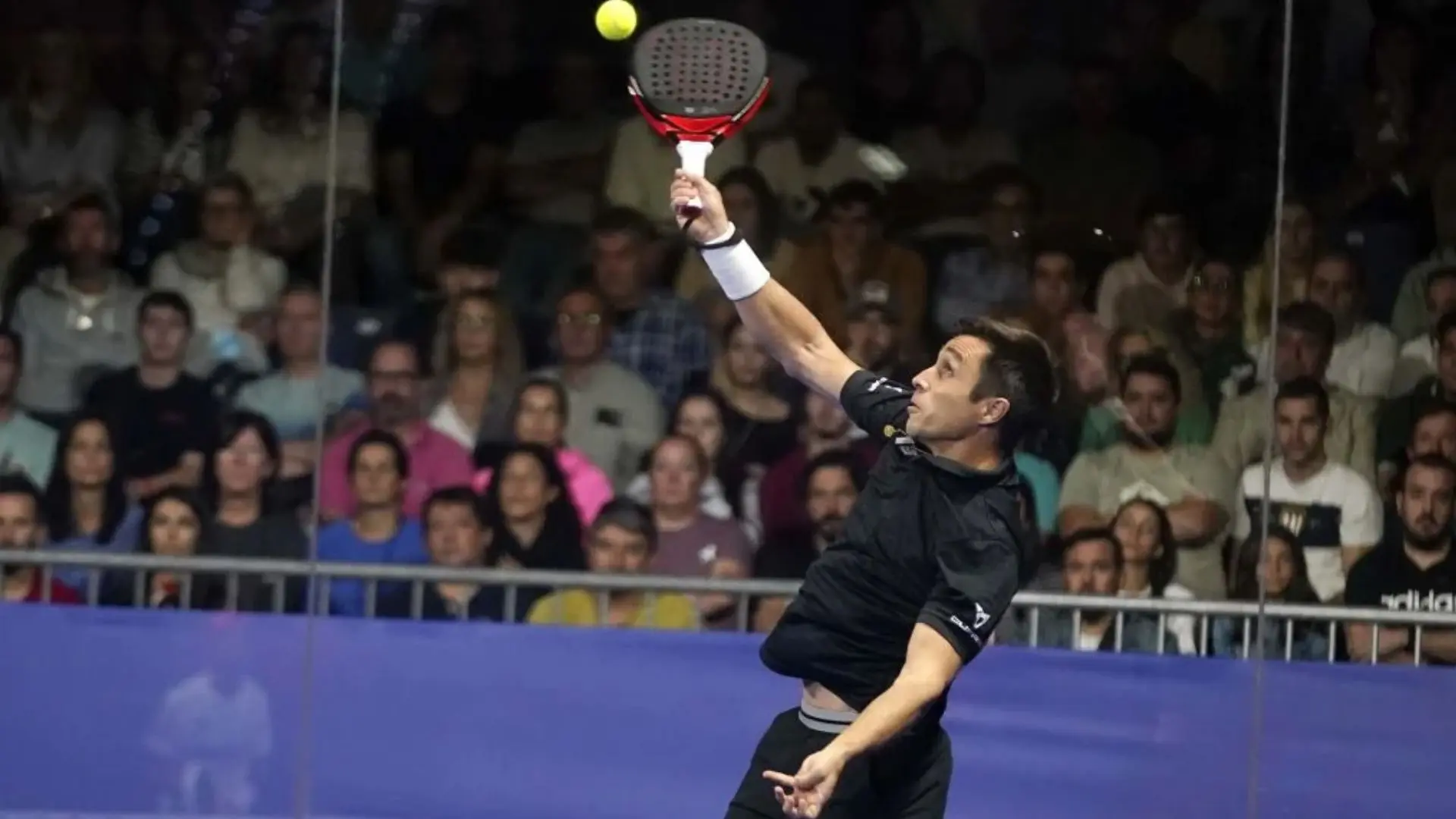 Has the bandeja disappeared from modern padel?
 Flat forehand in padel: 5 exercises from Cristian Álvarez to gain control and efficiency
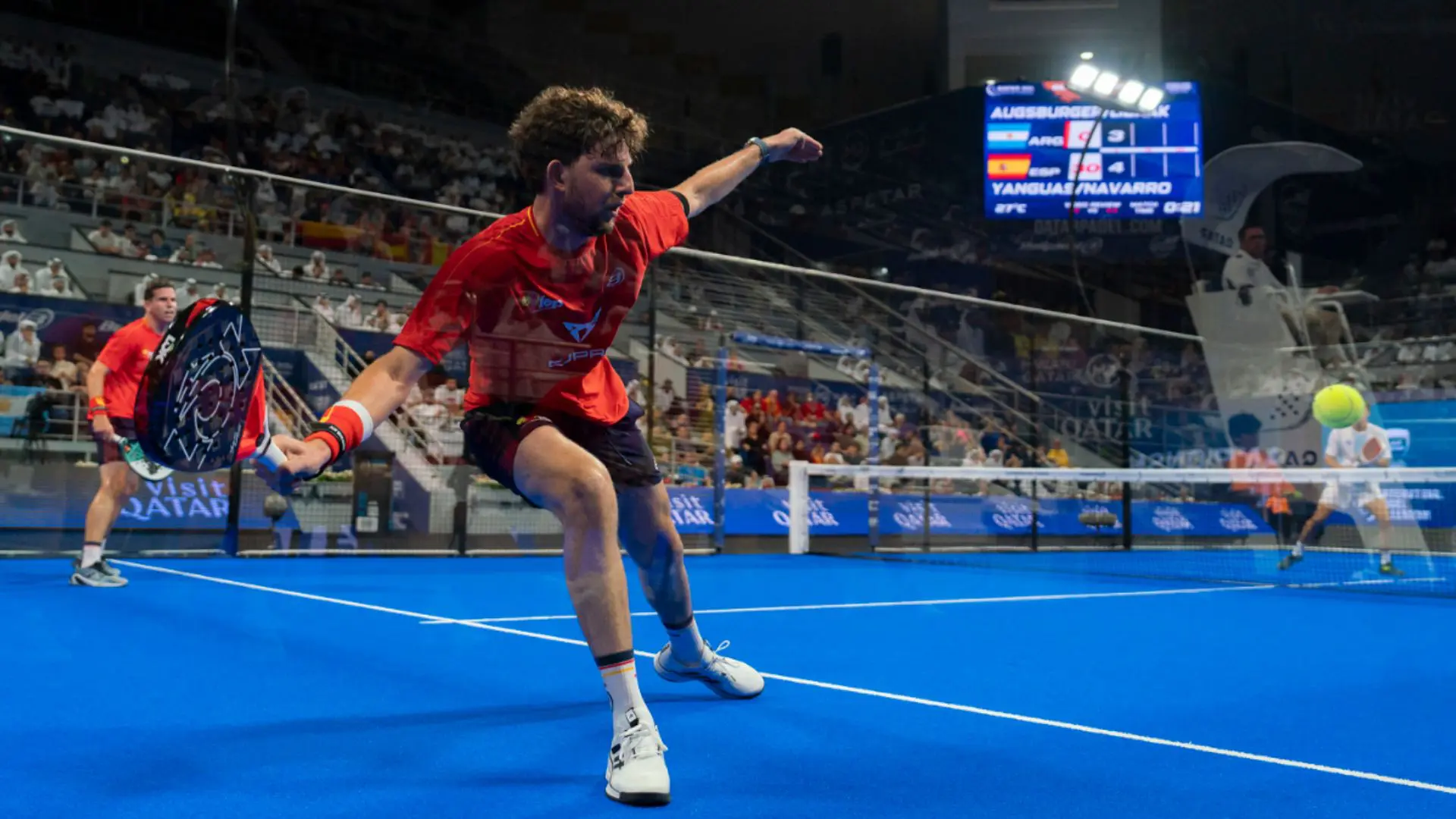 Why knowing how to play on the right and left can make all the difference
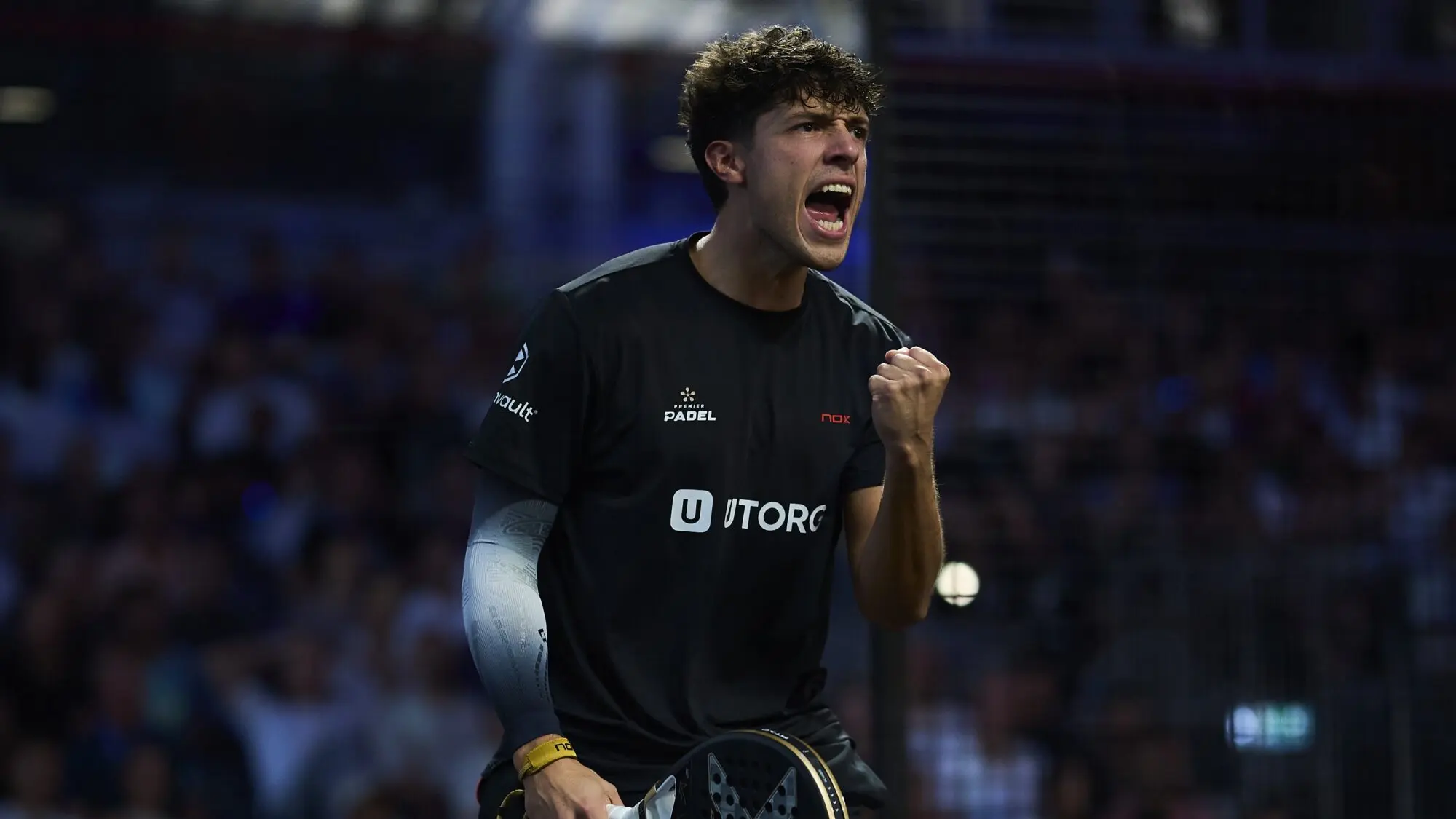 Tapia reveals his recipe for beating Coello / Tapia: "I would bet everything on myself"
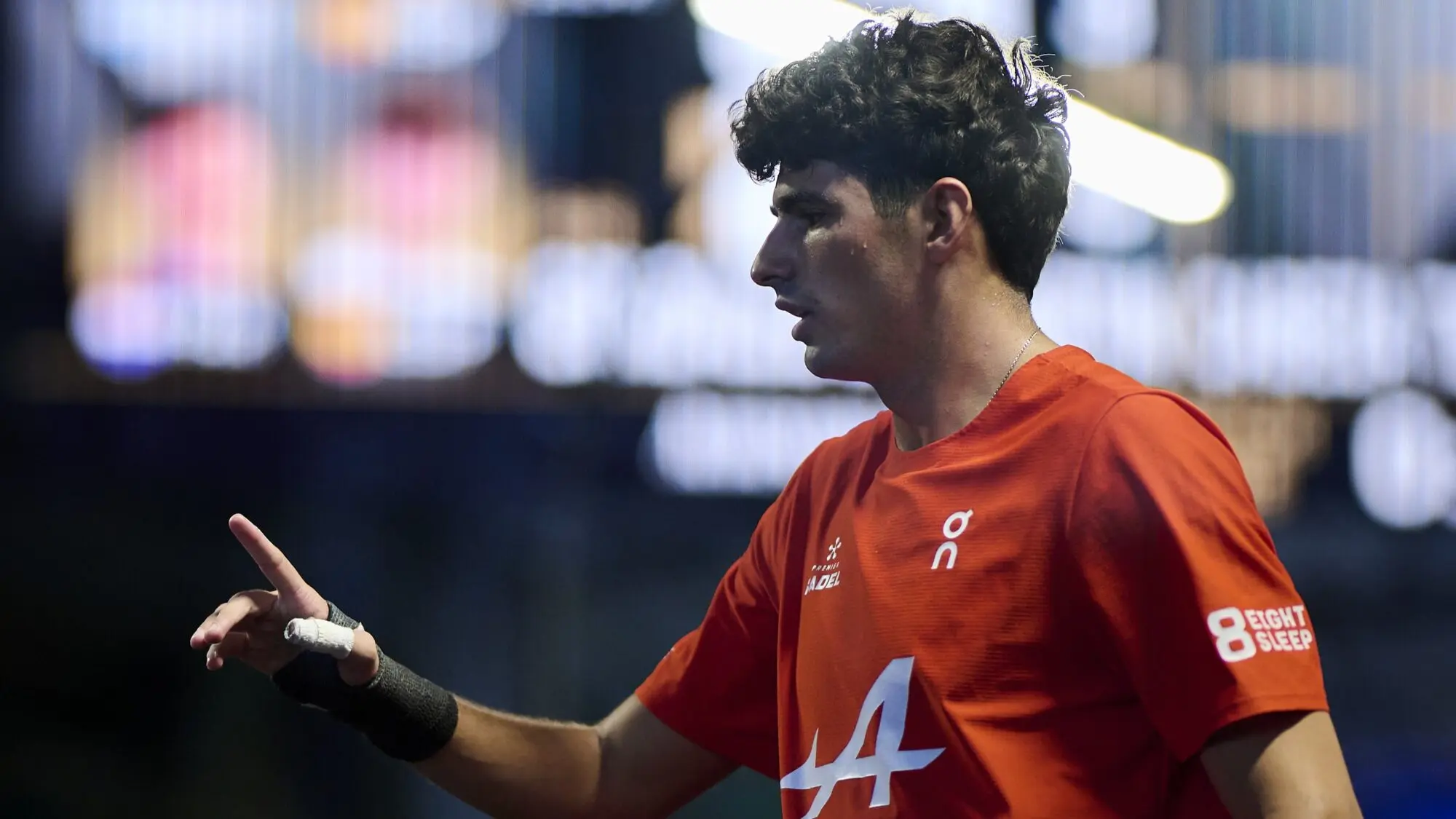 How Coello defused Chingotto's game plan
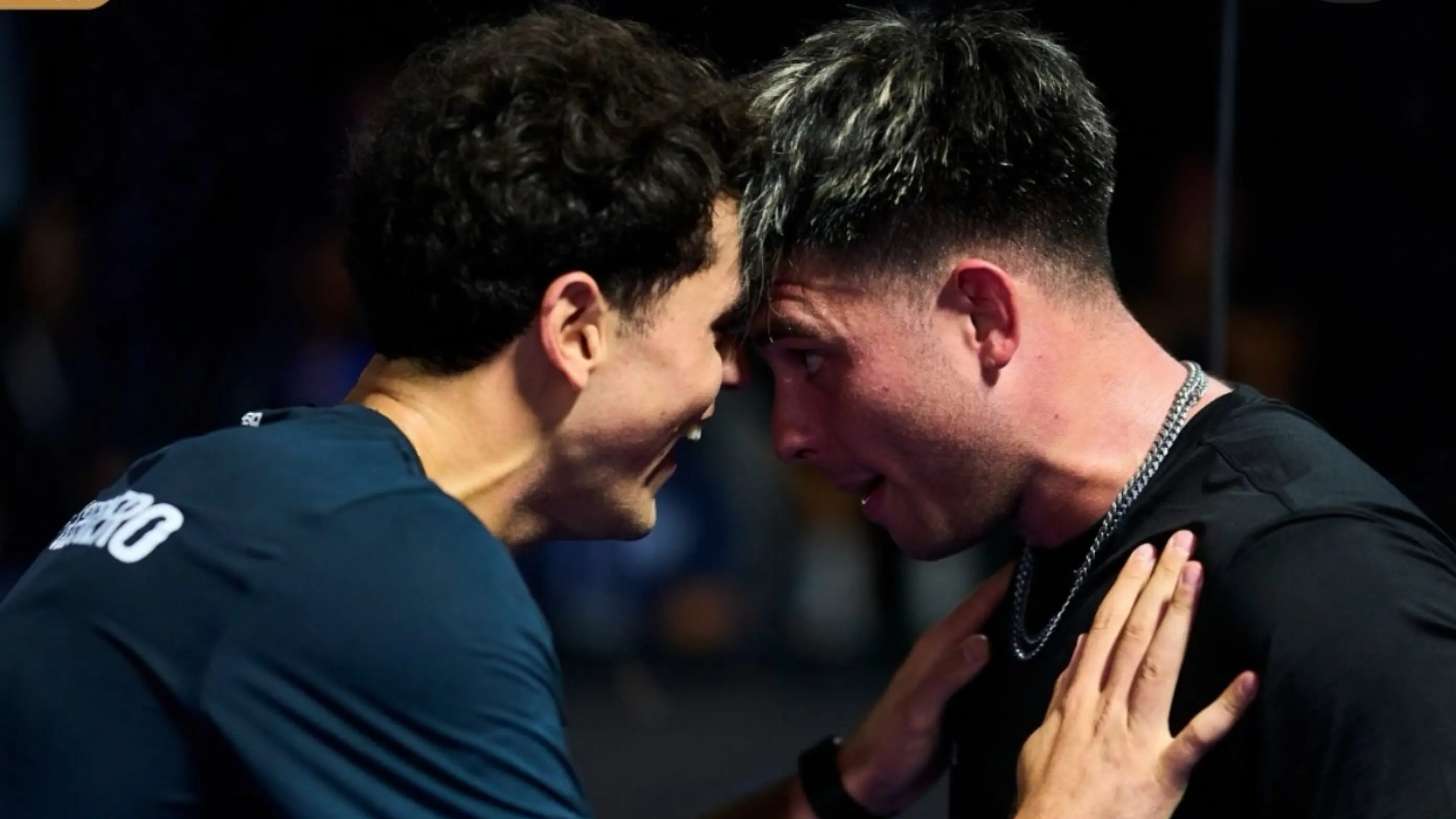 In padel, does the chemistry between a pair count as much as individual skill?
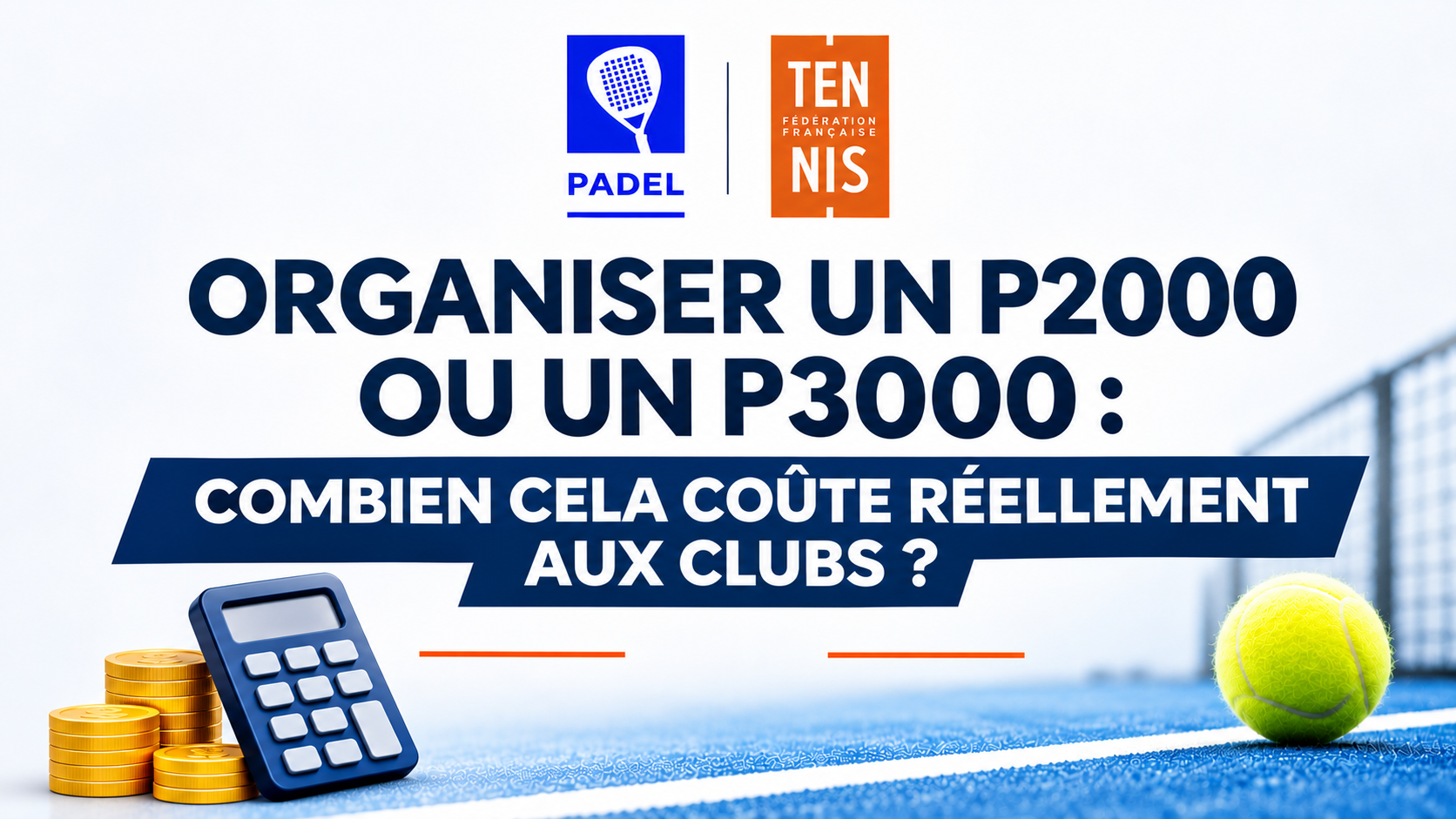 Organising a P2000 or a P3000: how much does it really cost clubs?
 Do you lose your ranking? Padel FFT after more than a year without a license / without competition?
 Kuwait Major: Chingotto/Galán out, Alejandro Galán injured, Coello/Tapia the only favorites?
 Julien Seurin opens up about his mental state: "There are far more doubts than moments of happiness."
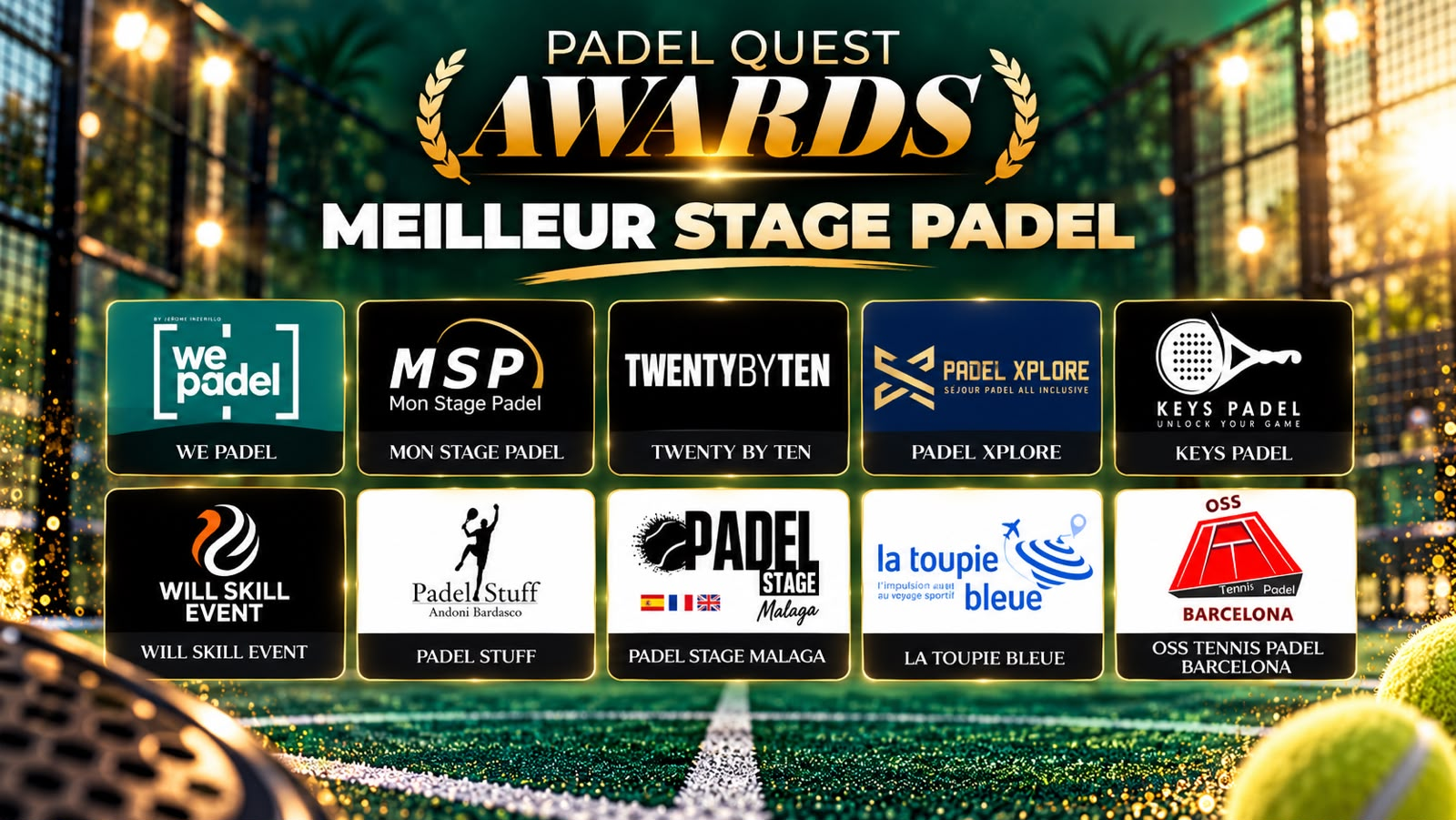 Padel Quest Awards: Ten specialists in the running for the title of best padel training camp of the year
 Padel Xperience: The Academy opens on November 2nd in Marcheprime, ahead of the complex's inauguration in 2027
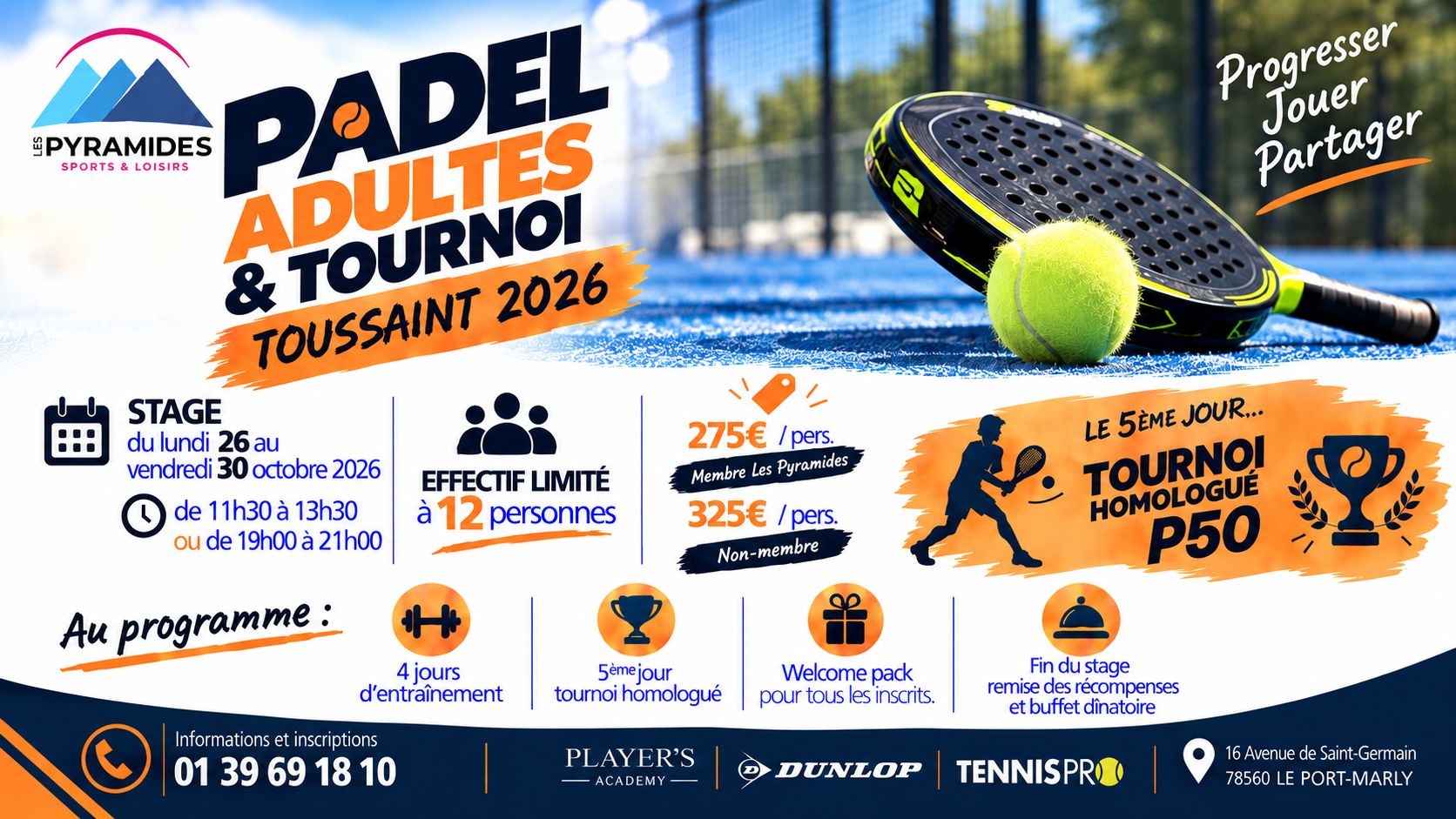 All Saints' Day – Les Pyramides are organizing a padel training camp for adults with a P50 tournament to close out the week
 Les Pyramides: after 12 padel courts, the club is focusing on youth training