












"Take lessons, what's the point?" : this is the question we asked you a fortnight ago. Obviously, this survey interested, even fascinated our readers: you are indeed more than 350 to have answered us, sometimes in detail. This is by far the record in our series of surveys, which usually collect around XNUMX responses. Many thanks to those who took the time!
Obviously, you are expressing a need for education, a need that is not always and not everywhere met. The objective of those who take lessons is obviously to progress, whether technically or tactically. And for those who take the plunge, satisfaction is generally there, even if the price is often perceived as a hindrance.
Given the large number and quality of your responses, we are going to devote two articles to them: today's from a more statistical angle and a second one to come to explore certain topics in greater depth and give you the floor.
Individual, group or internship lessons?
■ Captain's age.- The average age of those who spoke was 45; the youngest are 20 years old, the oldest 80 years old. Minors are therefore totally absent: either they do not read Padel Magazine, or they are the great forgotten in the practice of padel and his teaching...
■ Where are the women ? This is a recurring finding, which challenges us over our surveys: ladies express themselves much less than gentlemen. Of the 353 responses received, less than 50 came from women. But this proportion is ultimately close to that of female competitors in France: in February 2023, there were 4074 ranked women, compared to 27 men. Women therefore represent less than 498% of competitors! We can think that they are more numerous among “recreational” players, because women are less belligerent by nature than men and therefore have less need to measure themselves against each other… But we will come back to this question in a future survey.
■ Level and seniority in practice.- On average, the players who answered us practice the padel for a little over three years. Some started last fall, others have been playing for more than 10 years. Three-quarters of our respondents describe themselves as “intermediate” players. One in six players is an “expert” and one in fifteen a “beginner”.
■ Classes never, a little, a lot, passionately.- Among our respondents, one out of six players has never taken a lesson and five out of six have taken this step. This is of course a higher than average proportion: answering a survey on education assumes that you are interested in the question and that you have ideas to express... Those who have taken lessons sometimes do done less than five times, often 10 to 20 times and the most enthusiastic exceed 50 or even 100 lessons. Some combine individual lessons, group training and also internships: when you love, you don't count!
■ The motivations.- Unsurprisingly, technical and tactical progression is what drives over 80% of people to take lessons. This can take the form of a few lessons to get the basics right and not pick up bad habits, or a weekly meeting that simplifies practice and avoids pulling your hair out to bring four players together. Other players turn to a teacher when they feel that they are leveling off and need a boost to pass a technical, tactical or even psychological milestone.
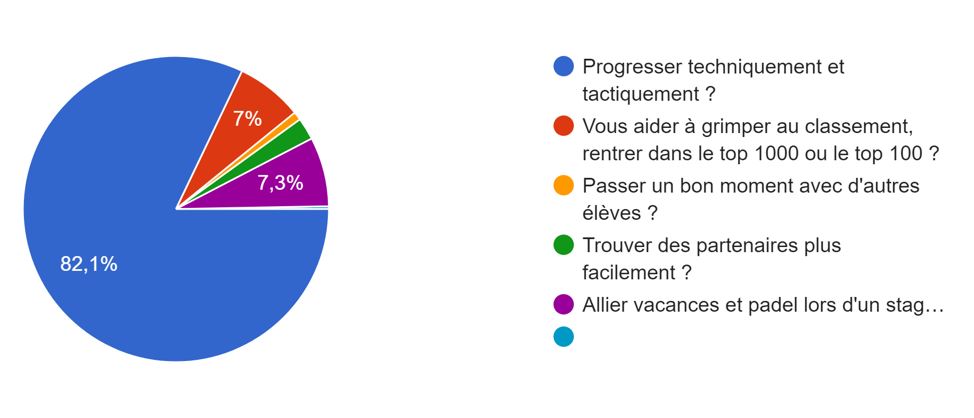
The idea of taking courses to climb the rankings is not a priority for you: the goal of top 100, top 1000 or top 10 is only an obsession for those who put rankings or glory before the pleasure. On the other hand, combining holidays and padel during an internship is a prospect that appeals to a little more than one person in 14.
The price barrier
■ Too expensive ? The main obstacle to taking lessons is the price, considered too high by 55% of our panel. Some of you would like to take more classes but give up, mainly because of the prices and sometimes because of the lack of slots offered. In fact, in private complexes, the cost of renting the land is added to the teacher's remuneration, hence an overall rate considered high. Several of our respondents would like to follow a fixed education term or year, modeled on that of tennis or other sports. This offer exists in certain sectors, but is still rare, because the associative clubs lack covered slopes. As for the private clubs, they seek a profitability at least equivalent to that of the simple rental of the grounds.
■ Insufficient supply.- There are currently 511 teachers in France qualified to teach padel, overwhelmingly tennis instructors who are diversifying. This is not enough to meet the demand of players everywhere: in fact, about one in four respondents deplores the lack of courses offered in their sector. There French Federation train future monitors of padel, in particular through the TFP, but the latter are only provided in 7 out of 18 leagues. On the other hand, there is no training for initiators or educators padel, as we pointed out in a recent article.
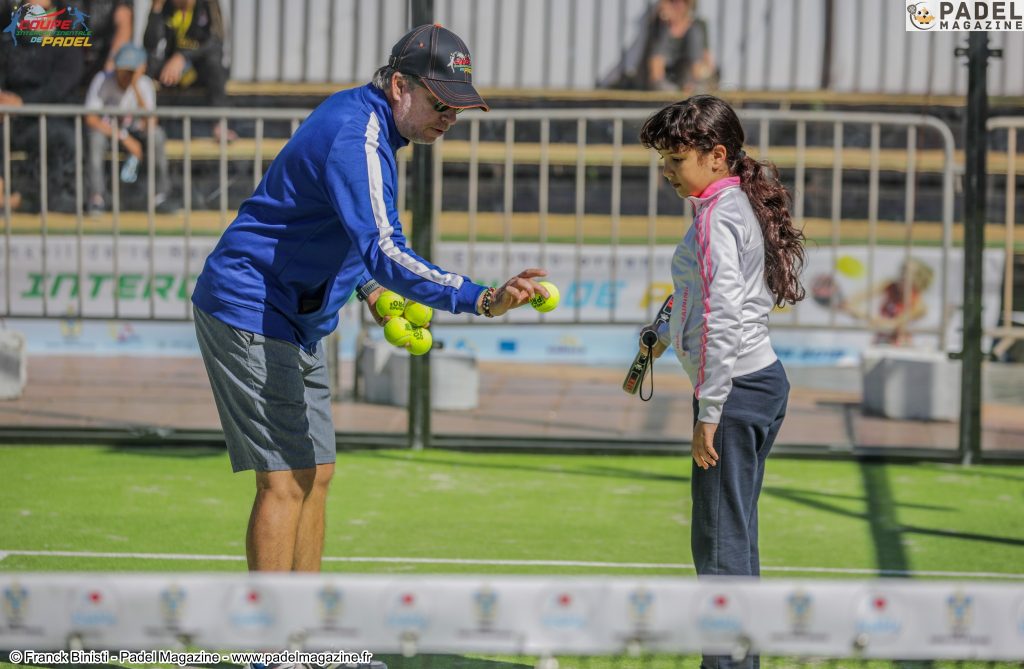
■ Satisfaction at the rendezvous.- For those who take lessons, satisfaction is generally there, with marks out of ten reaching 8/10 on average, but which can rise to 9 or even 10/10. This is particularly the case for individual lessons, popular despite their prices. Group lessons are also appreciated, with however a downside when the level of the students is not homogeneous within a group. Too many groups are also criticized. For those who have taken courses in both France and Spain, satisfaction is higher in the second case, with some hailing “the real padel Spanish”.
The question of price contributes to reducing the satisfaction index of many respondents. “Too bad there is no club with two or three training sessions included in the subscription, like in badminton”, regrets one of them…
A final criticism comes up regularly: it targets certain state-certified tennis teachers who do not really have the "fibre" padel and who “improvise themselves as coach of padel”, even “say anything”, according to your terms.
■ In France or in Spain? Your heart swings when it comes to answering our question about your preference between France and Spain to follow courses or internships there. Nothing prohibits you from doing both, you are 6 out of 10 to favor proximity (and therefore France), but as much to want to taste the Spanish school. In this case, do not deprive yourself: take lessons in France and do internships in Spain! Or the opposite: the main thing is to have fun and progress.
A desire for internships? as usual, we offer you the must with the training directory and the directory of clubs padel.

After 40 years of tennis, Jérôme falls into the pot of padel in 2018. Since then, he thinks about it every morning while shaving… but never shaves pala in hand! Journalist in Alsace, he has no other ambition than to share his passion with you, whether you speak French, Italian, Spanish or English.

















































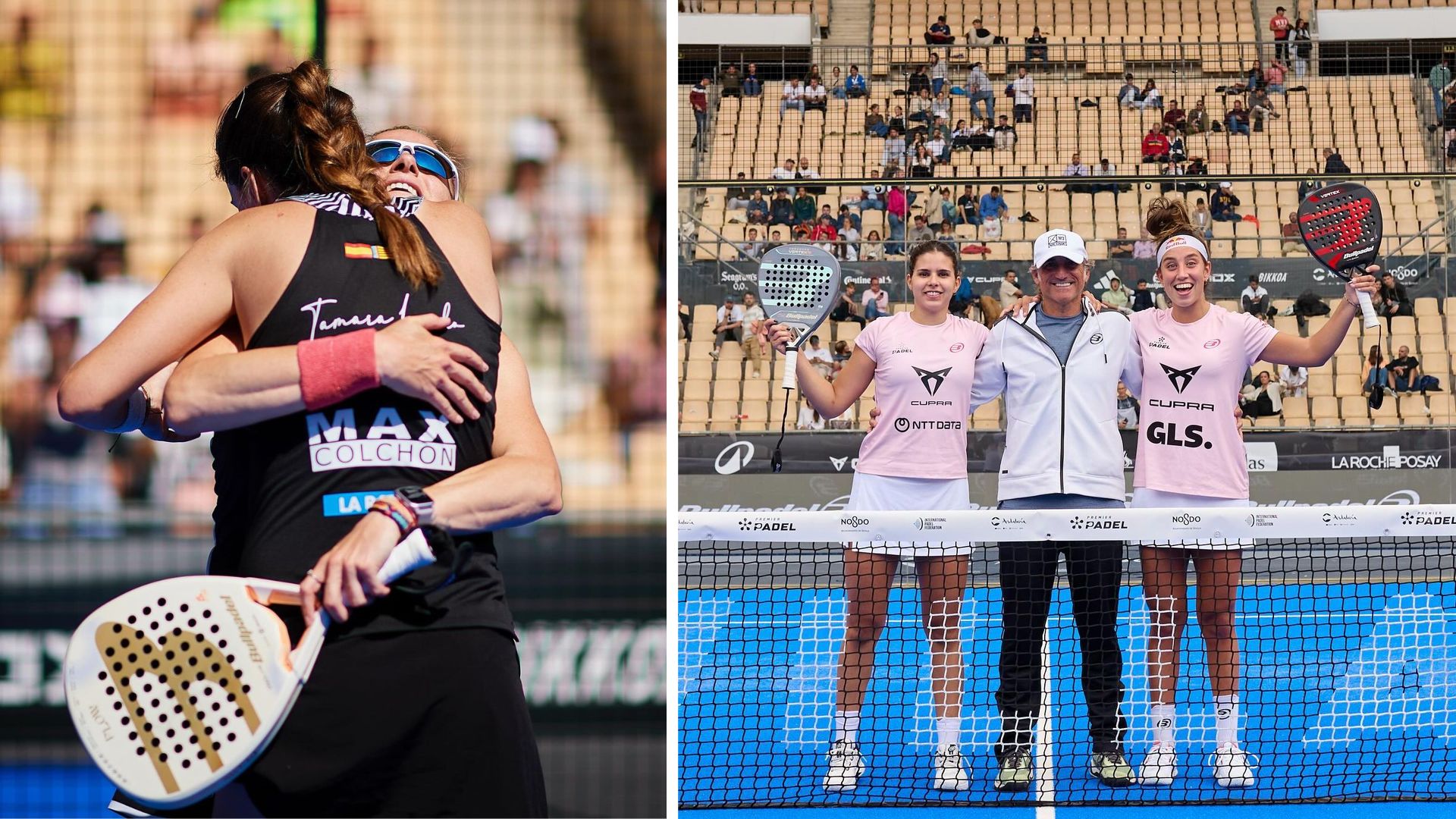 Premier Padel Sevilla P2 – Icardo/Salazar still on the way to Brea/Gonzalez
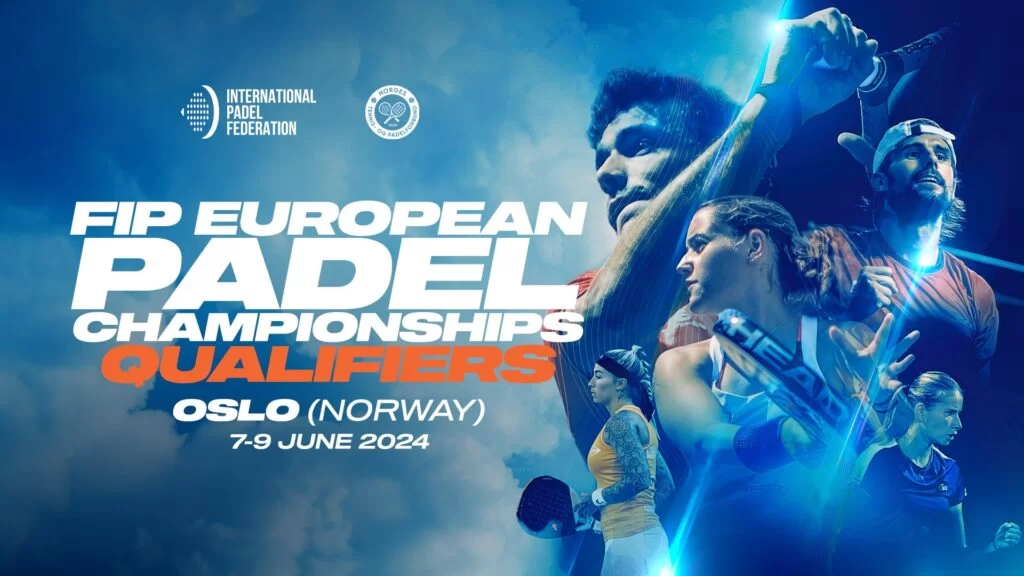 Qualifications for the 2024 European Championships in Oslo
 All-Star Remontada padel : starting signal !
 Already a first semi-final in 2024 for Paquito and Lebron!
 Alexandre Dizy: “I never imagined I would be able to enter the top 100 in 2 years!”
 Vincent Laureyssens: “Premier Padel compares us to the Monaco Formula 1 GP”
 Ramón Morcillo: “I was surprised by France”
 Guillaume Codron: “South Padel, a family project”
 France 2024 team training course – Discover the names of the players present
 The Betclic Remontada Padel starts tomorrow at the foot of the Eiffel Tower
 Premier Padel Sevilla P2 – Araujo and Riera win a big fight against Collombon / Bidahorria
 Premier Padel Sevilla P2 – Goenaga and Zapata release Bela / Tello!
 Business plan padel : the 5 key points
 Ultra-luxurious residences with ski slopes padel floating in Dubai
 José Manuel Escin at the inauguration of Casa Padel DOS: “Finally, and thank you!”
 Padel Score comes to Tahiti for American Express Padel Cup!
 At the heart of padel – Episode 26: the keys to chiquita
 Brussels Premier Padel P2 – the final in stats
 Find out everything about the dimensions of a plot of land padel
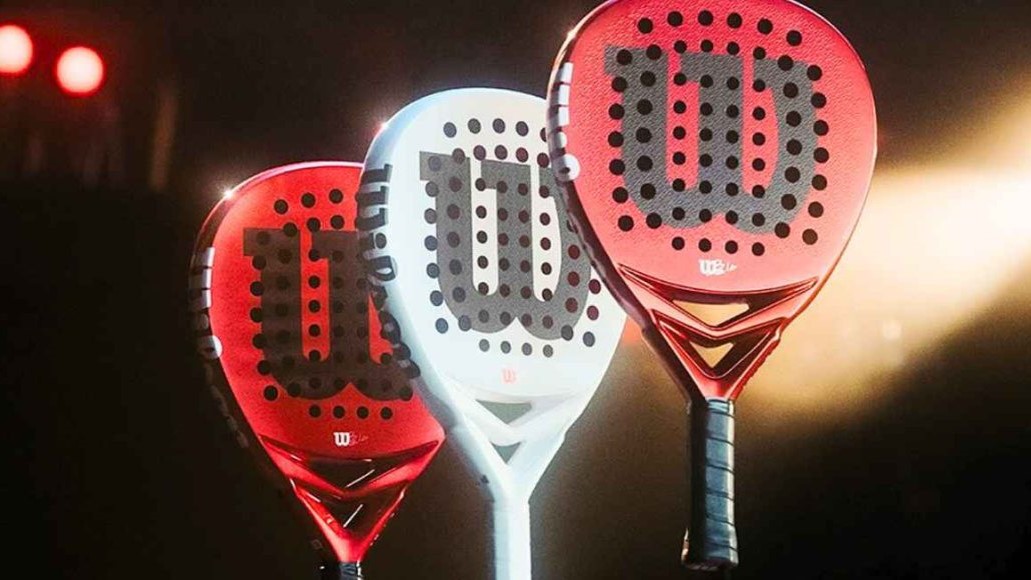 Presentation of the Wilson Bela V2.5 collection
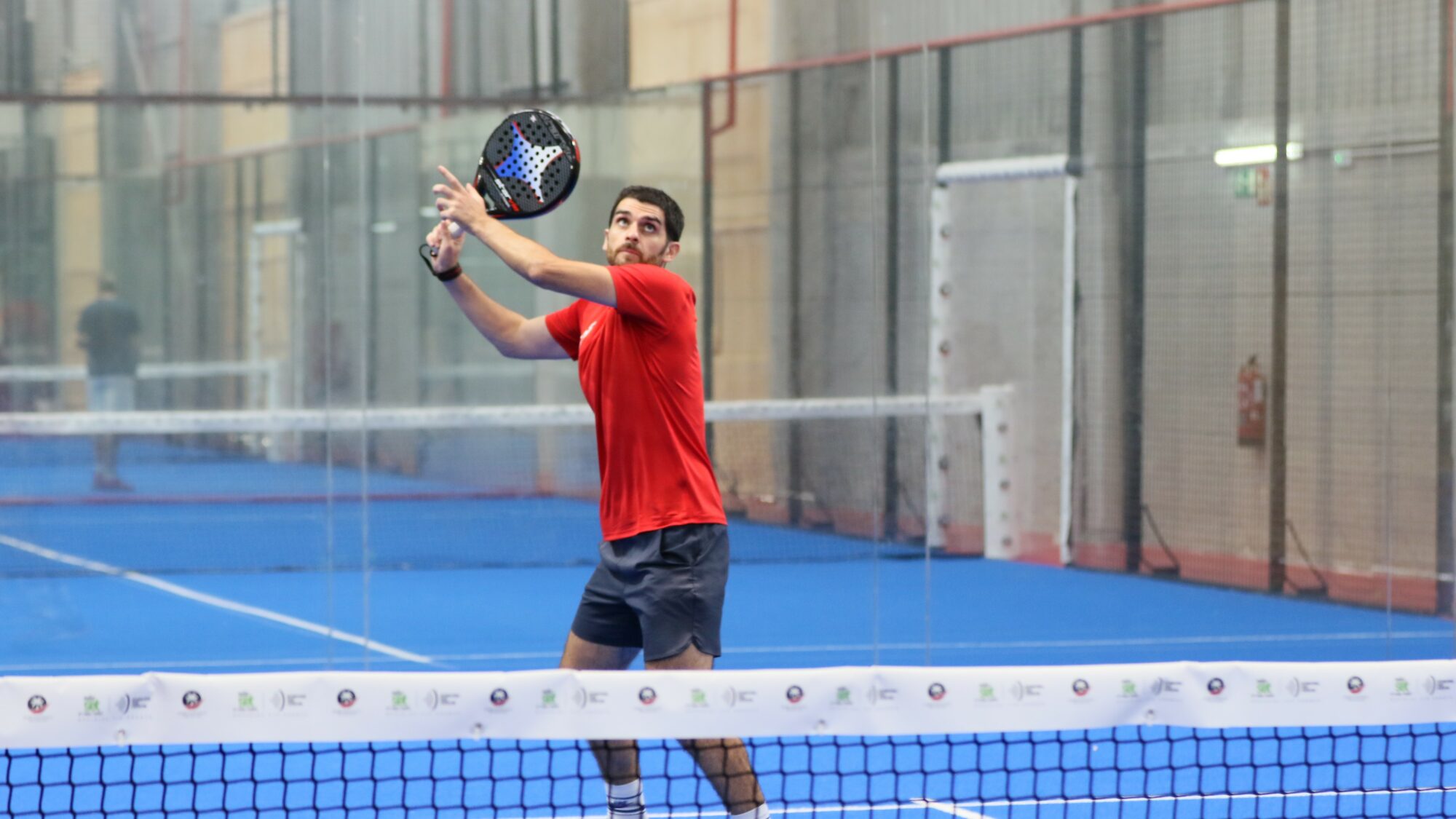 At the heart of padel – Episode 24: Paul Daulan shares the evolution of his bandeja
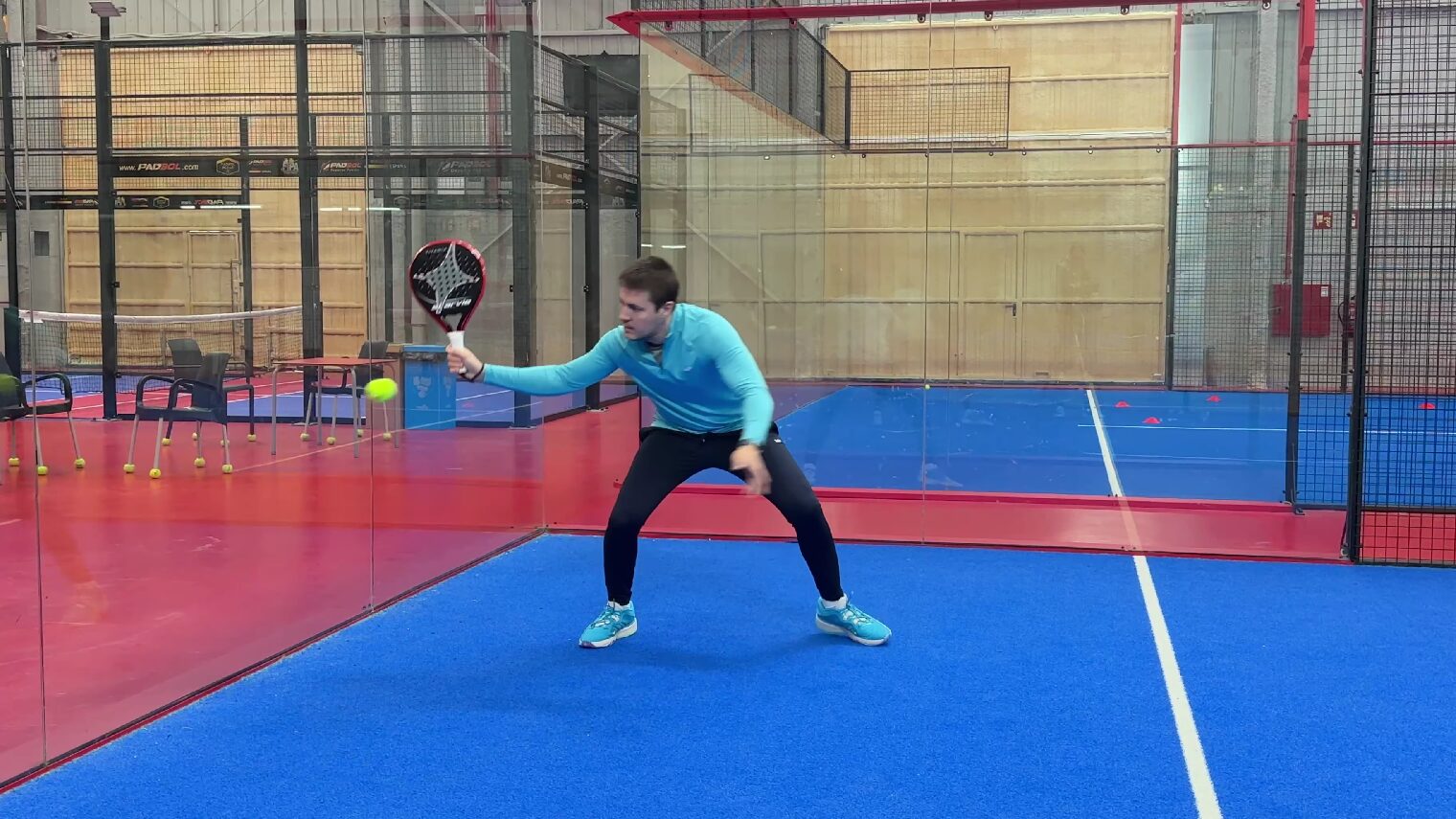 At the heart of padel – Episode 23: defend the window well
 FIP Tour – Going far from Europe, THE strategy to earn points!
 What is a good football player? padel ?
 “Lefties give me headaches when I play against them!”
 At the heart of padel – Episode 14: how to earn points in winter?
 The basic tactics of padel
 A par 4 is always a winner...even if you manage to defend it!
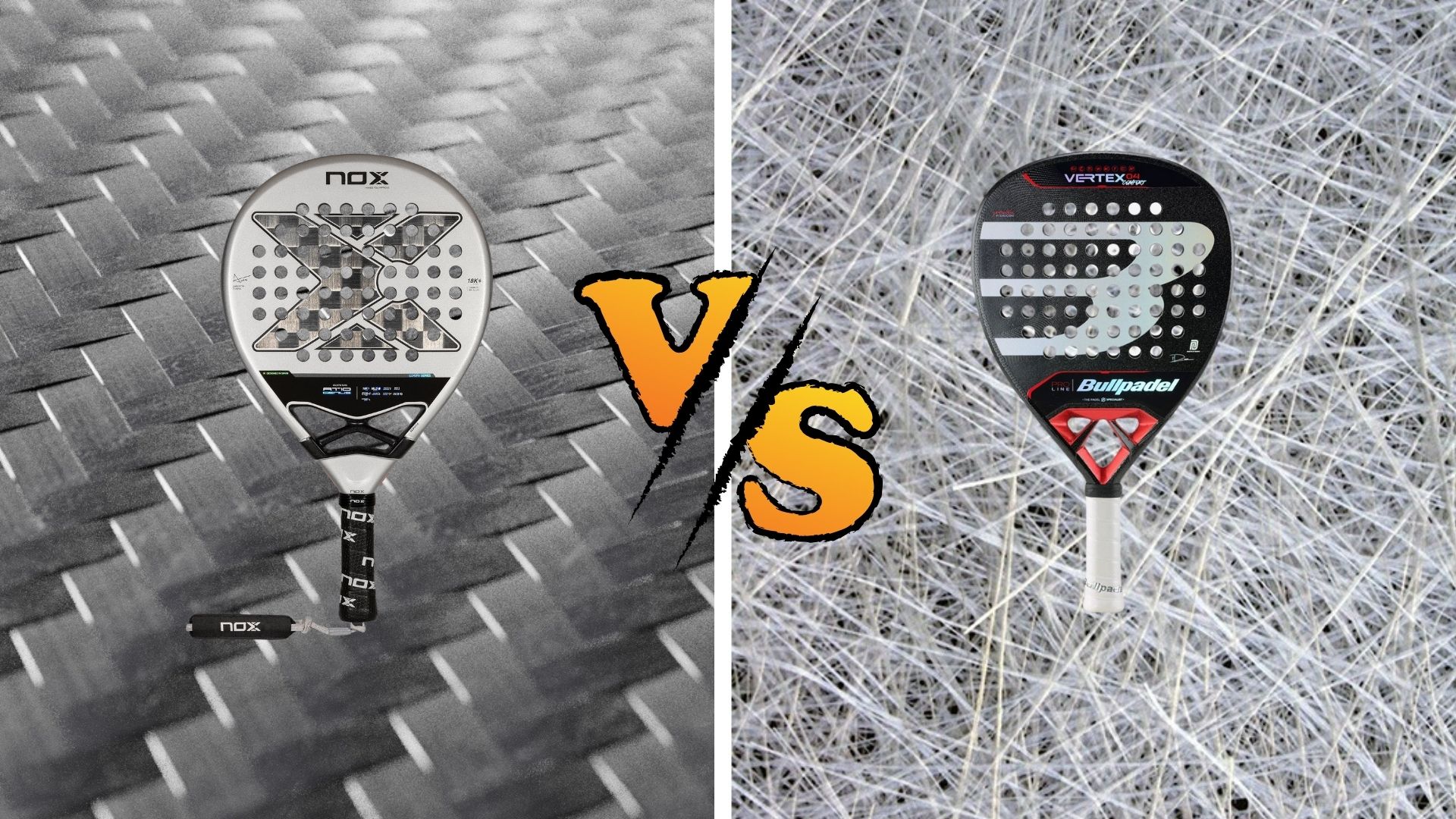 Carbon fiber VS fiberglass: what to choose?
 How to effectively test a racket padel ?
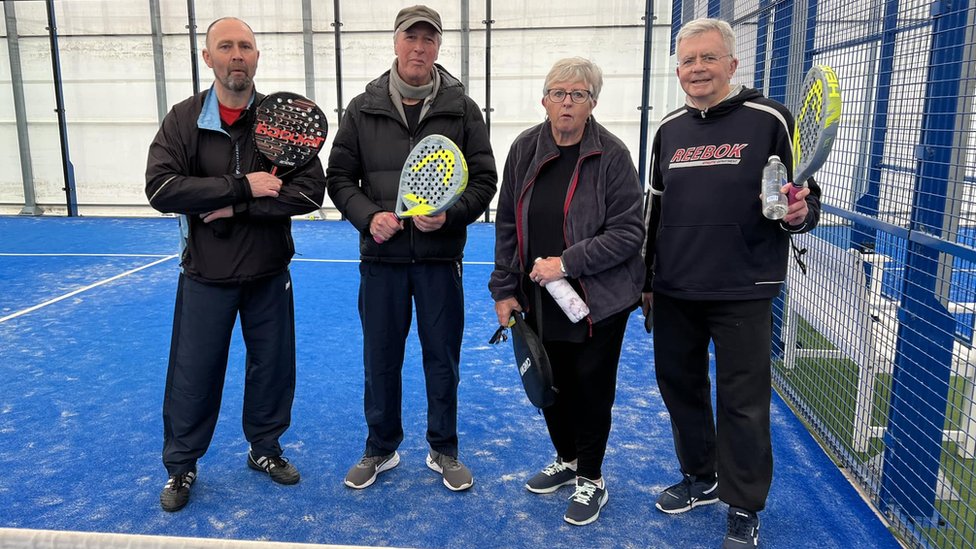 La padel to fight Parkinson's disease
 Prohibition on playing topless Padel : the reasons
 Don't play with a cracked or broken racket, your body will thank you!
 Michel Cymes: “The padel, physically, it’s serious!”
 Our Top 10 training courses padel in France and Europe
 Jeremy Gala: “Promote the padel among young people in Belgium remains a challenge”
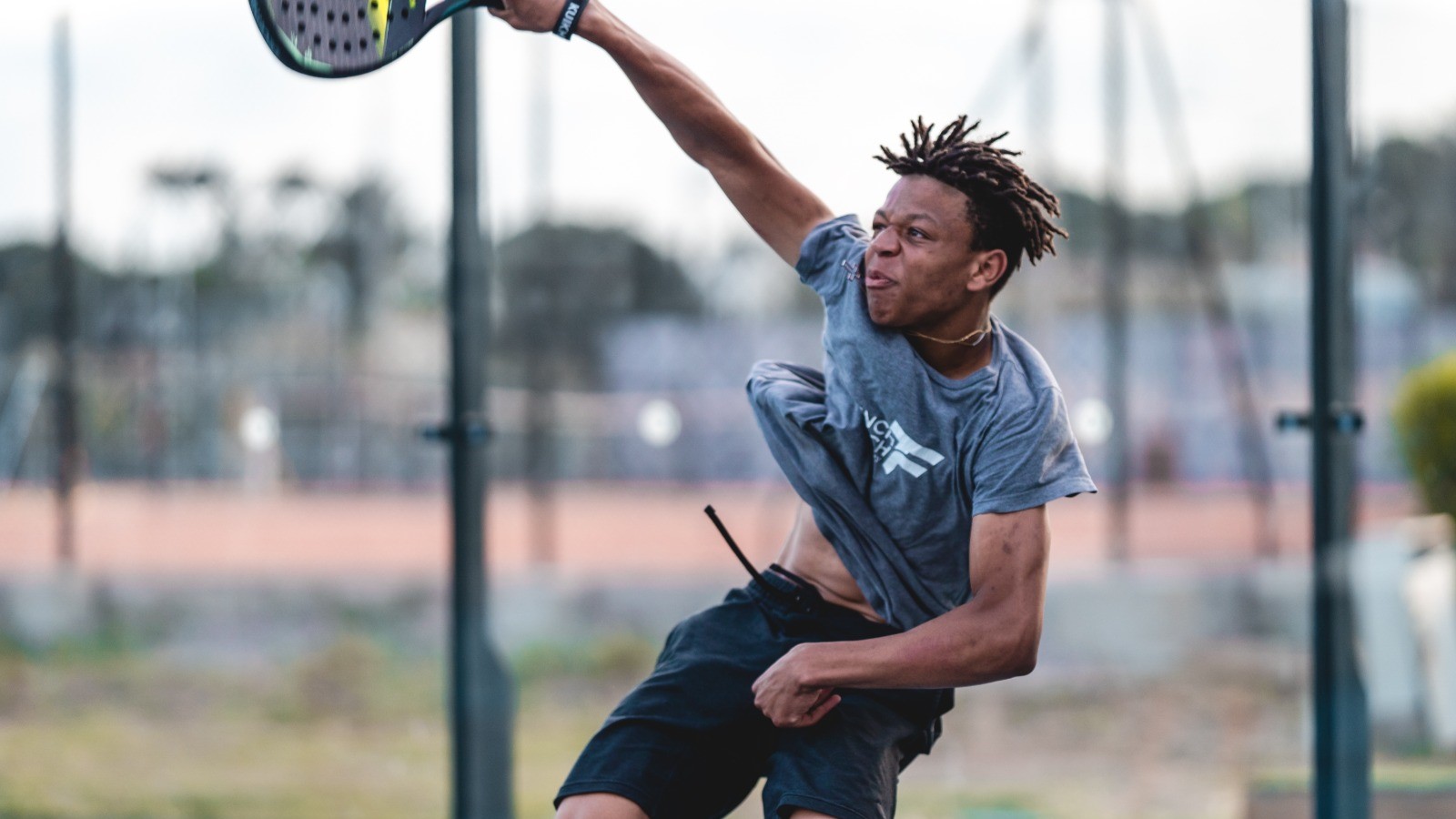 The French Touch Academy organizes its selection day Padel-Study
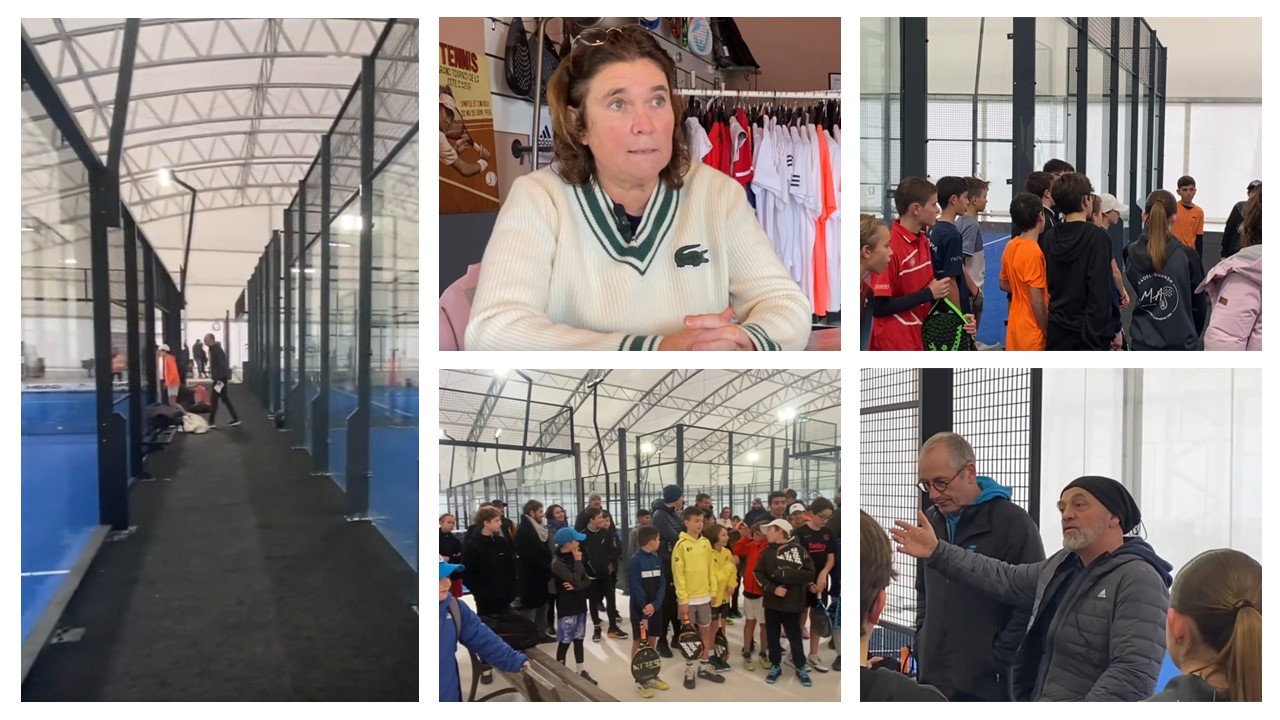 Report on the detection and training of younger generations