

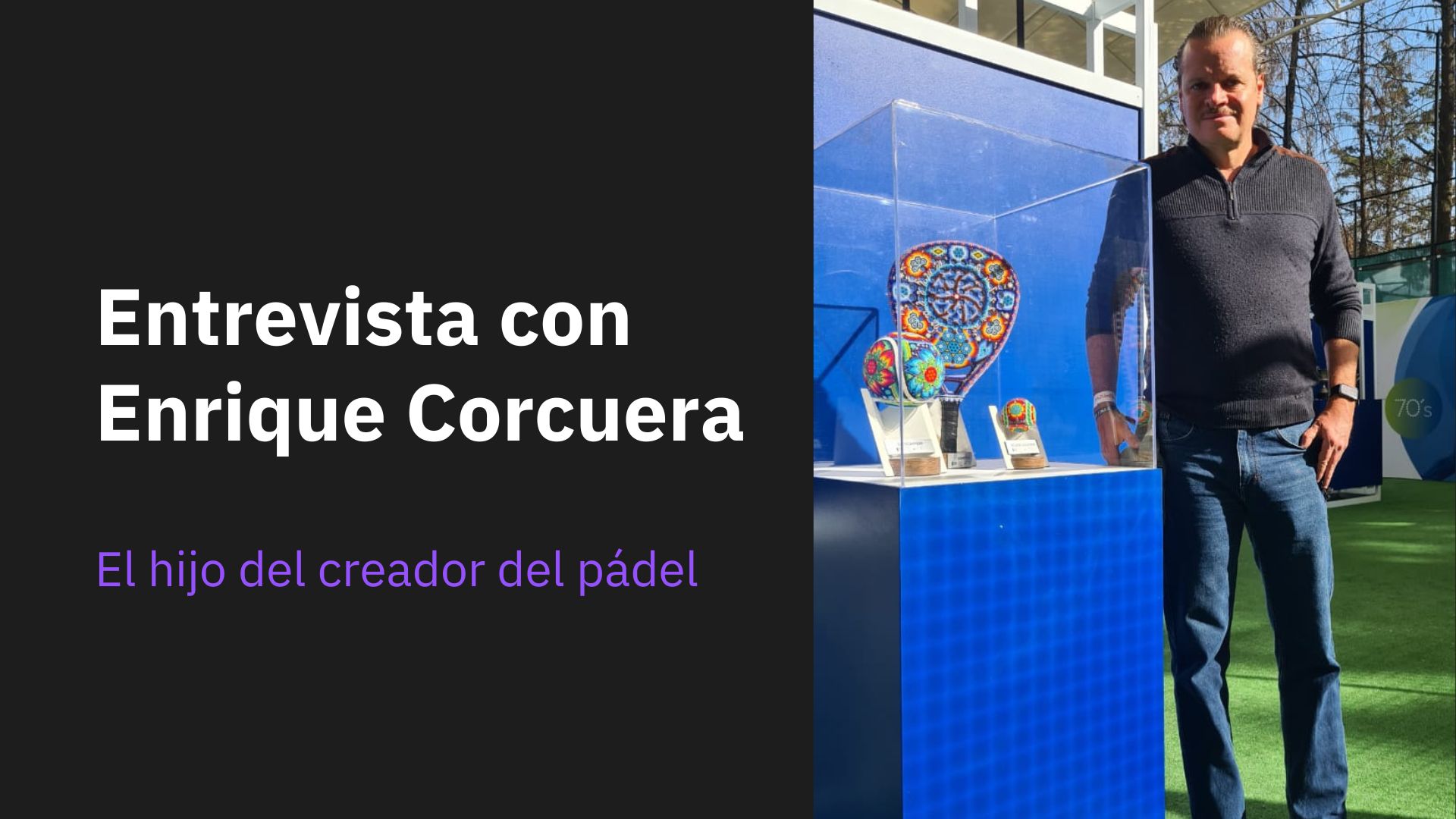











Exclusively for Padel Magazine, dive back into the story of padel with the interview of the Mexican Enrique Corcuera, the son of the inventor of this sport!
An interview to listen to in the original version HERE.
Fifteen years of reflection
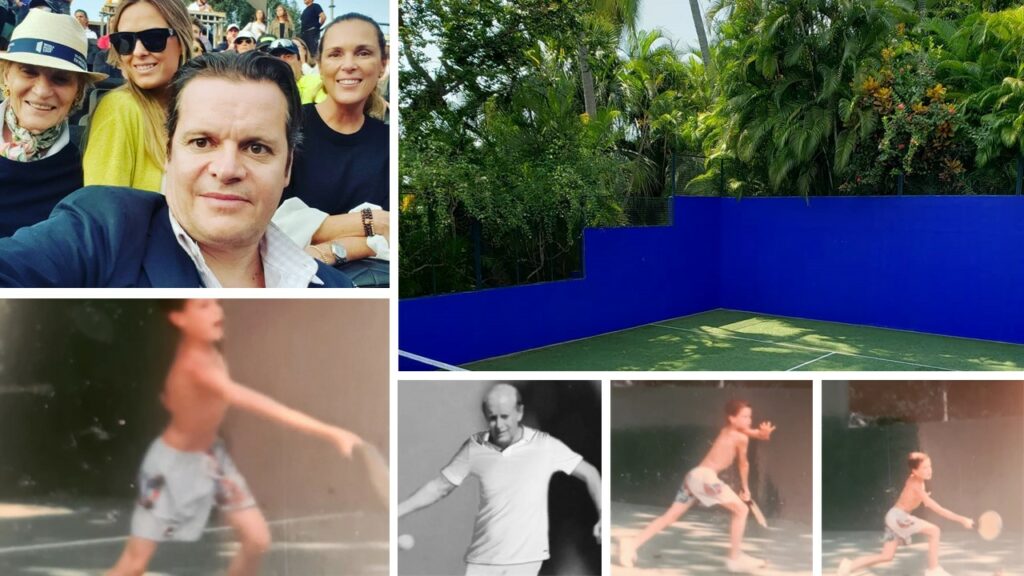
“In the mid-50s, my father had a fronton to play Basque pelota and one day he thought of putting a tennis net in the middle of the playing area. He quickly realized that it was great fun to play tennis with the walls around.
Since it was too fast with the tennis racquets and the court was too big, he started to experiment. And when he bought a house in Acapulco in 1969, he created a smaller track, with walls around it, 20 meters by 10, much like those we know today. It was the result of almost 15 years of experimentation.
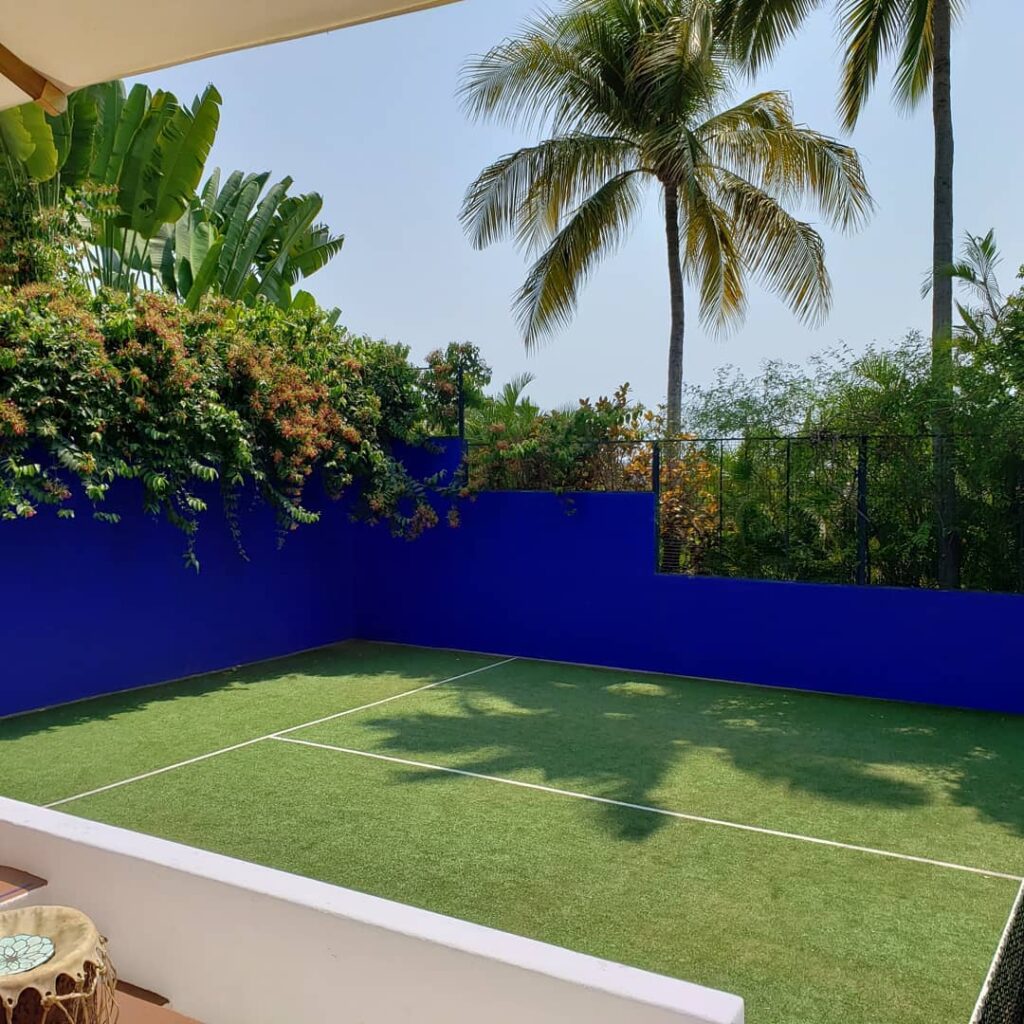
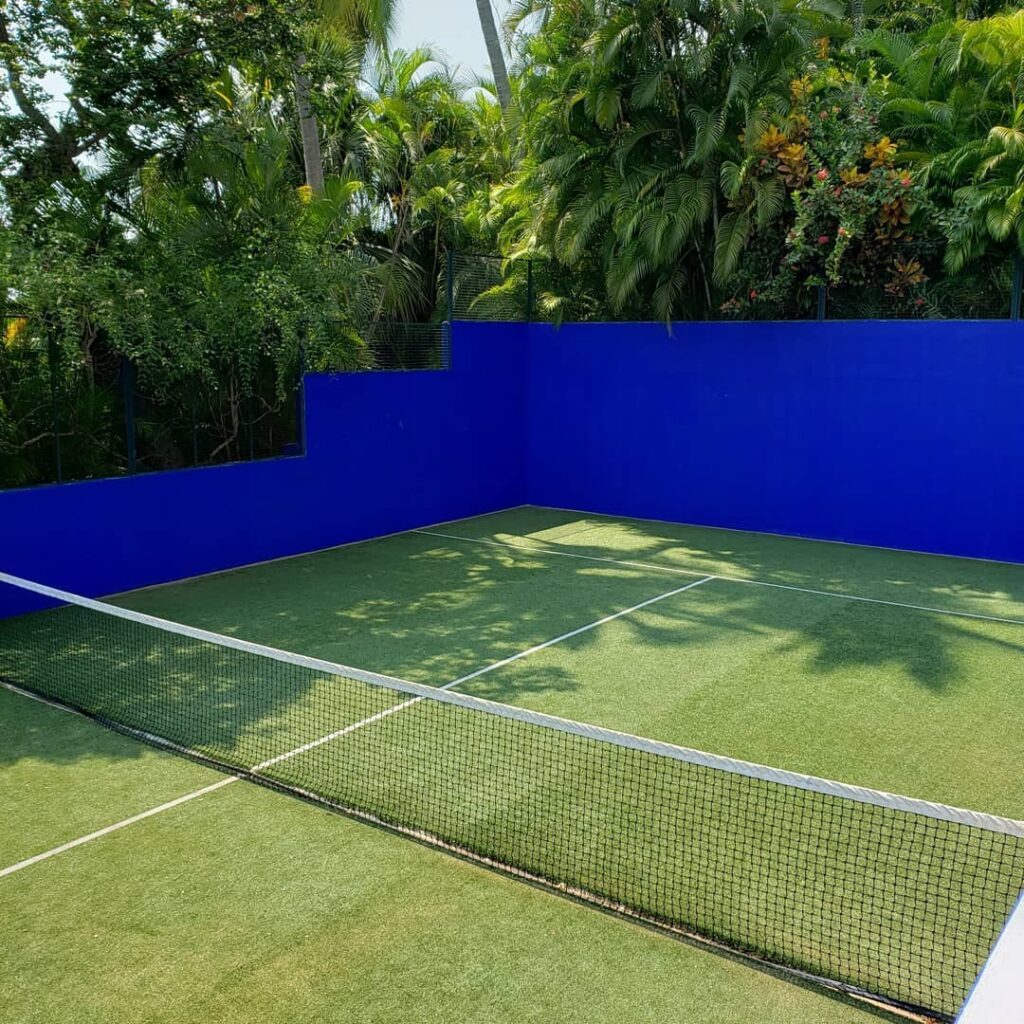
It's interesting to think that he was able to convince his friends to play a sport that didn't exist, and to involve them in his improvements!
At first they played with wooden rackets, but they broke with the tennis ball. He started to reinforce them, by adding metal parts, and thanks to that they could withstand the impacts more.”
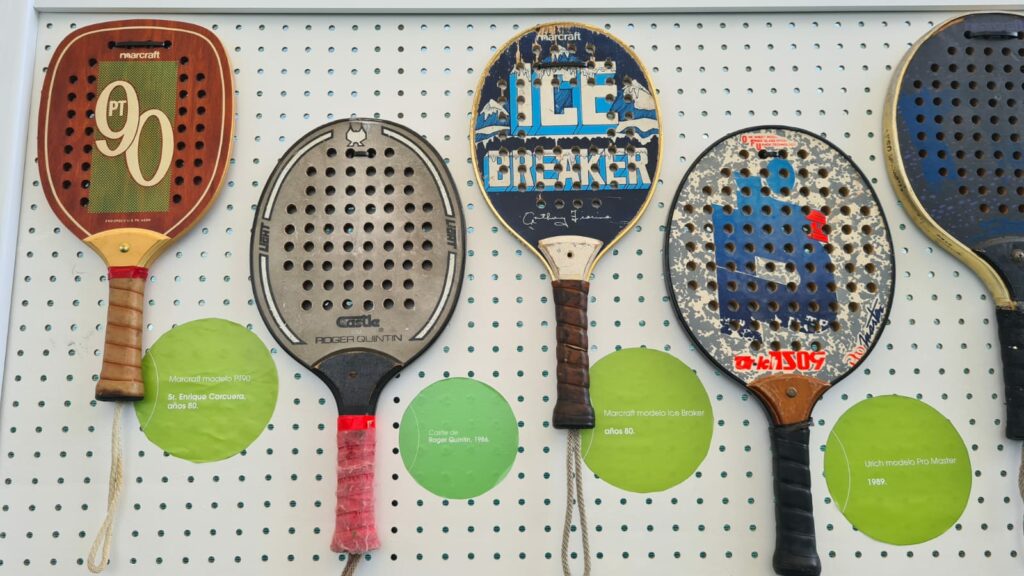
A game for fun with friends and family
A tennis court requires 1000 m² [Editor's note: 600 to 700 m² without the surroundings] and my father only had 300, so he made a smaller court. In Acapulco he had a lot of friends and he suggested they come and try it and they liked it right away. This is how they set about building tracks at home. It's a very social sport, you can play as a family, the people watching enjoy it.
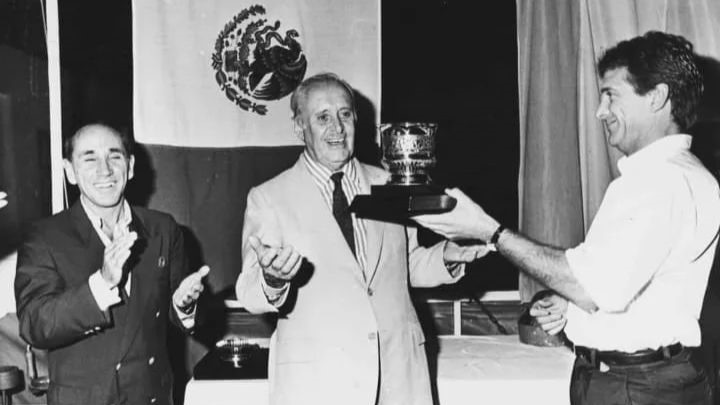
At first, he would never have believed that the padel can become an international sport. For him it was a game to have fun with friends and family. He realized the magnitude it was taking twenty years later. My mother took the sport to Argentina and my father's friends to Spain. In the 80s, when he saw that people were starting to like this sport, he decided to file a patent to be recognized as the inventor of this sport.
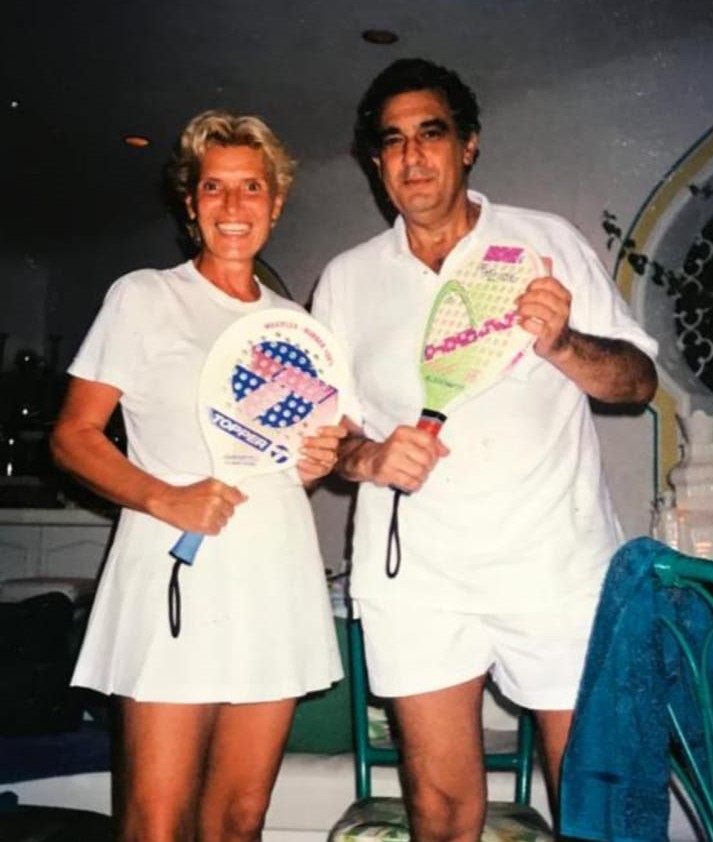
Paddle Corcuera
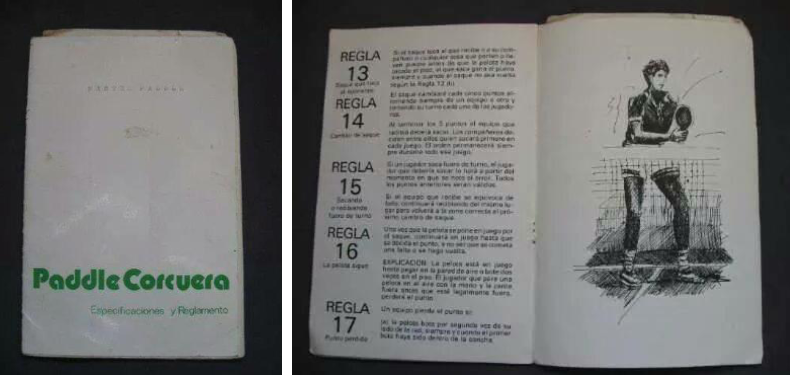
“At first the name was complicated, he called it Paddle Corcuera. It was with this name that my parents made the first rules of this sport in the 80s. There was already an American sport called paddle tennis, which looks like but without the walls. This is where the name paddle came from. And then they agreed to remove the name Corcuera.
One of my father's best friends, Prince Alfonso de Hohenlohe, came every winter to the house in Acapulco, he liked it very much, and on his return to Spain he built the Marbella Club, with four padel. It is therefore in Andalusia that the sport became popular, before being exported. My mother is from Argentina, and friends who were vacationing at my house in Acapulco took the idea there, they built tracks and the sport grew in popularity.
Why didn't this sport first develop in the country where it was created? Enrique answers us: “I think it comes from the sports culture. In Spain and Argentina, people are more athletic. In Mexico, the boom is now. Back then, people only played in their homes.”
The creation of the International Federation
“There were two federations of padel, one in Argentina and one in Spain. My father and his friend Ignacio Soto Borja united the two and created the International Federation of padel. Then they patented the windows and then offered the patent so that the sport could grow faster. The rules that we know today are more or less the same except for one: my father considered a serve that touched the side window to be wrong. At the time there were not many good players and it was easier to play like that.
In 1990, we organized the Copa Corcuera, with the best players in the world, and we couldn't believe our eyes. For example, when players went off the track to put the ball back, we didn't even know it was possible. These things are invented by the players!
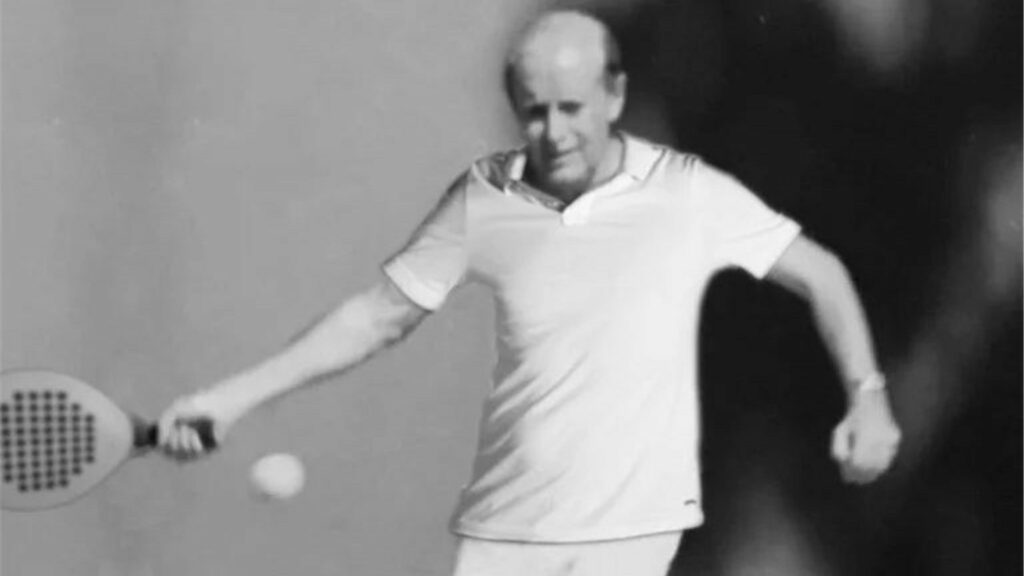
My brother played for the Mexican national team but when they faced the Spaniards and the Argentines, they saw that there was nothing they could do. We are amateurs (to see Enrique playing padel it is HERE). To be professional, you have to play five or six hours a day. No amateur can fight against professionals.”
Jean-Noël Grinda, the best player of the time!
“In the house in Acapulco, my father played backgammon with some of the best players in the world. And one of them was Jean-Noël Grinda, a great tennis player, who played in the Davis Cup with France. And when he saw the trail of padel, he liked it right away, and very quickly he became the best of the time. Let's say that at that time he was the best player in the world, and he always wanted to export this sport to France.
A life marked by padel
“We have always been ambassadors of World Padel Tour, we have always helped to develop this sport whose growth was linear. And during the pandemic, the boom has become incredible.”
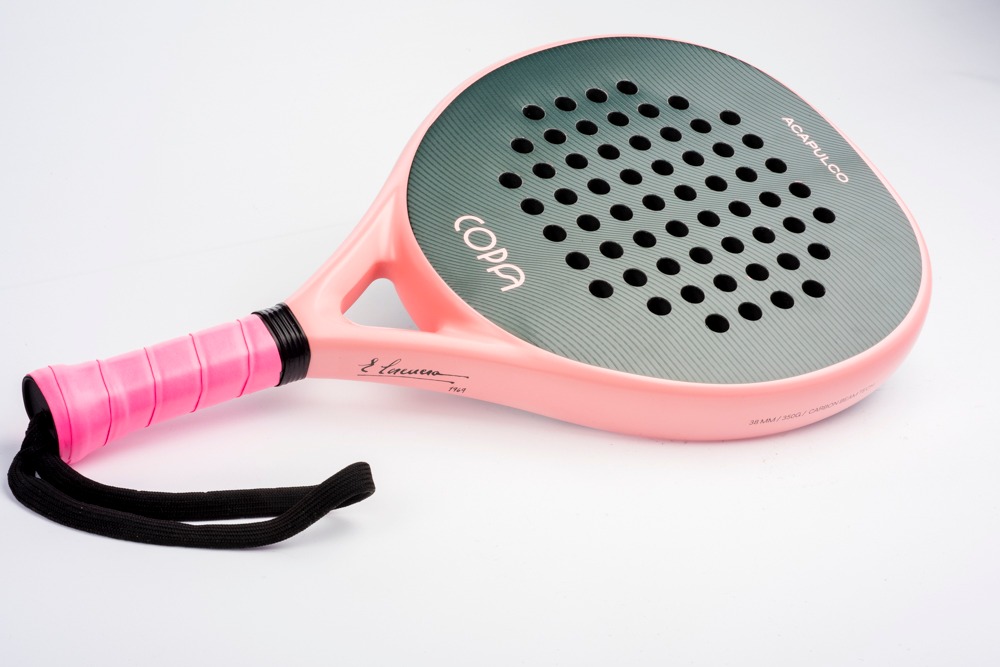
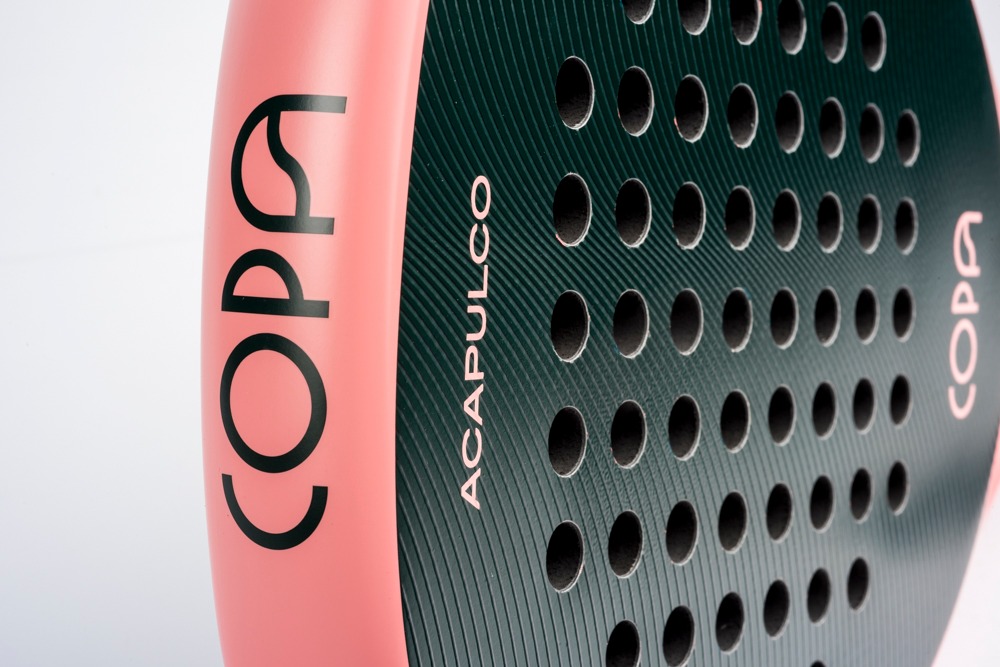
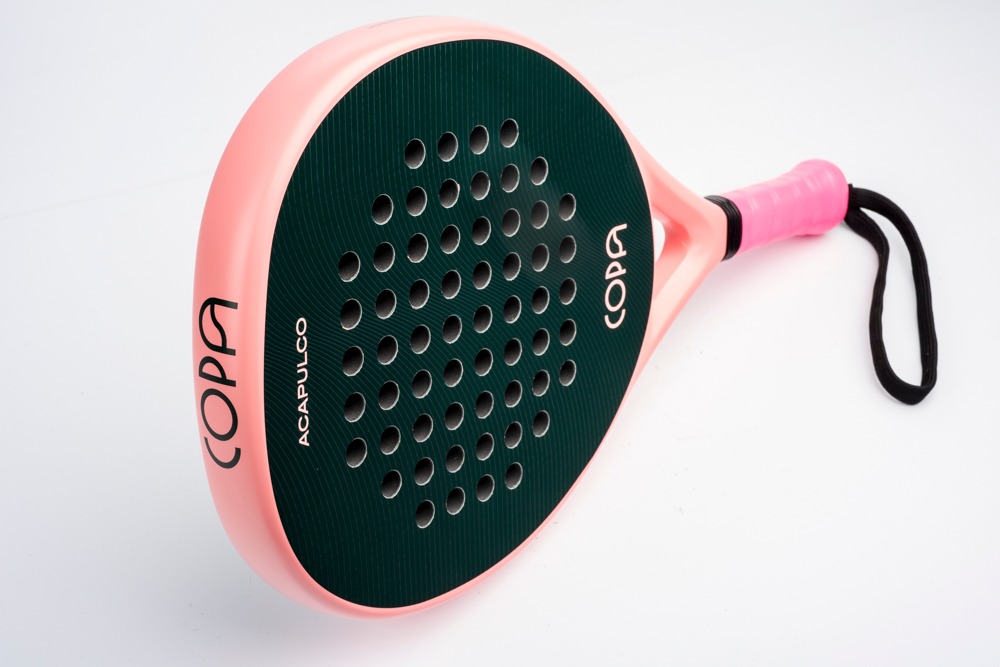
“My family started a company called CoPa (Corcuera Padel) to make rackets, balls, clothes, which respect my father's heritage. The idea is to use the best technologies but with a retro style. We are starting in Mexico and the United States, and then we will see with Spanish companies to launch in the European Union. The product will only be marketed from June or July.”
Honoring his father's legacy
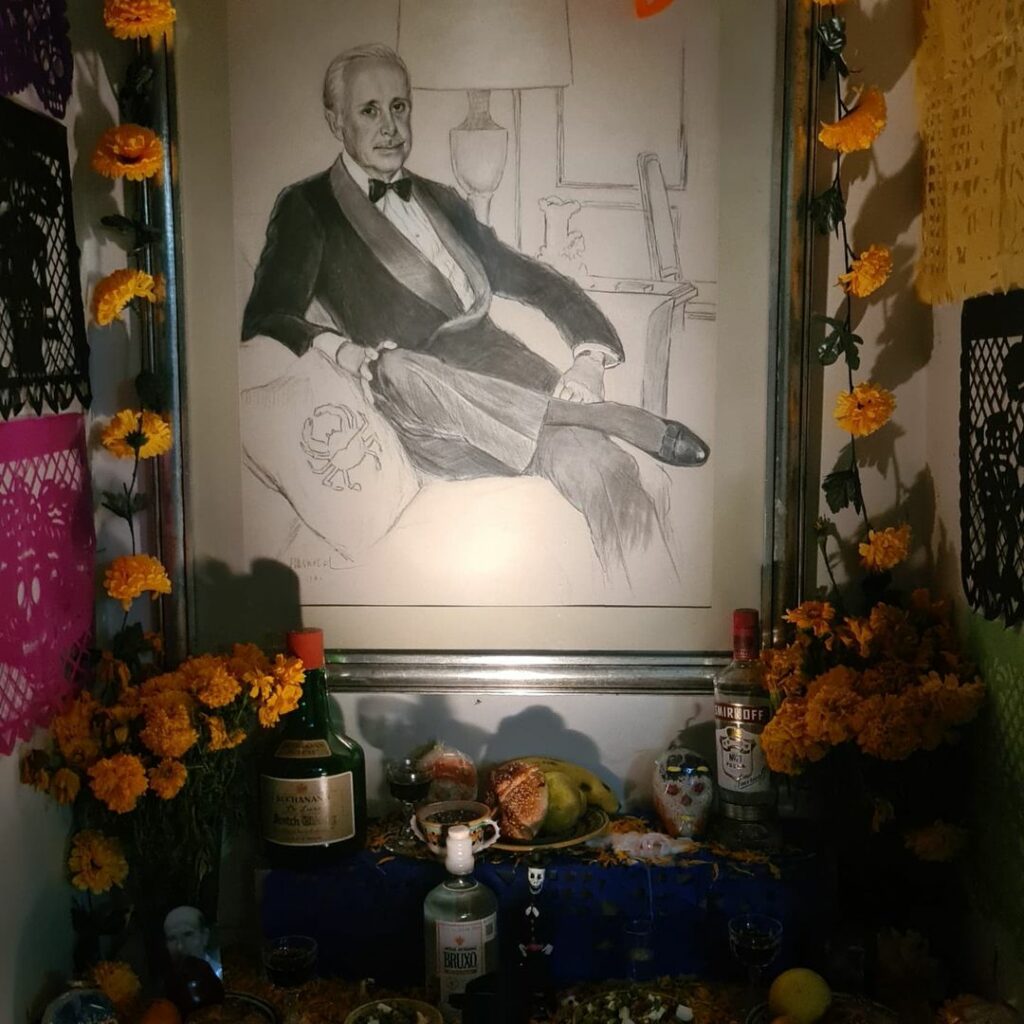
“If my father saw the development of padel today, he would not believe his eyes, he would be extremely happy. When he died, the padel was already practiced in two countries, and there was already a professional circuit, but the current boom, he could not believe it. He would be very proud, which is why we want to honor his legacy.”
Xan is a fan of padel. But also rugby! And his posts are just as punchy. Physical trainer of several padel, he unearths atypical posts or deals with topical subjects. It also gives you some tips to develop your physique for the padel. Clearly, he imposes his offensive style as on the field of padel !


























































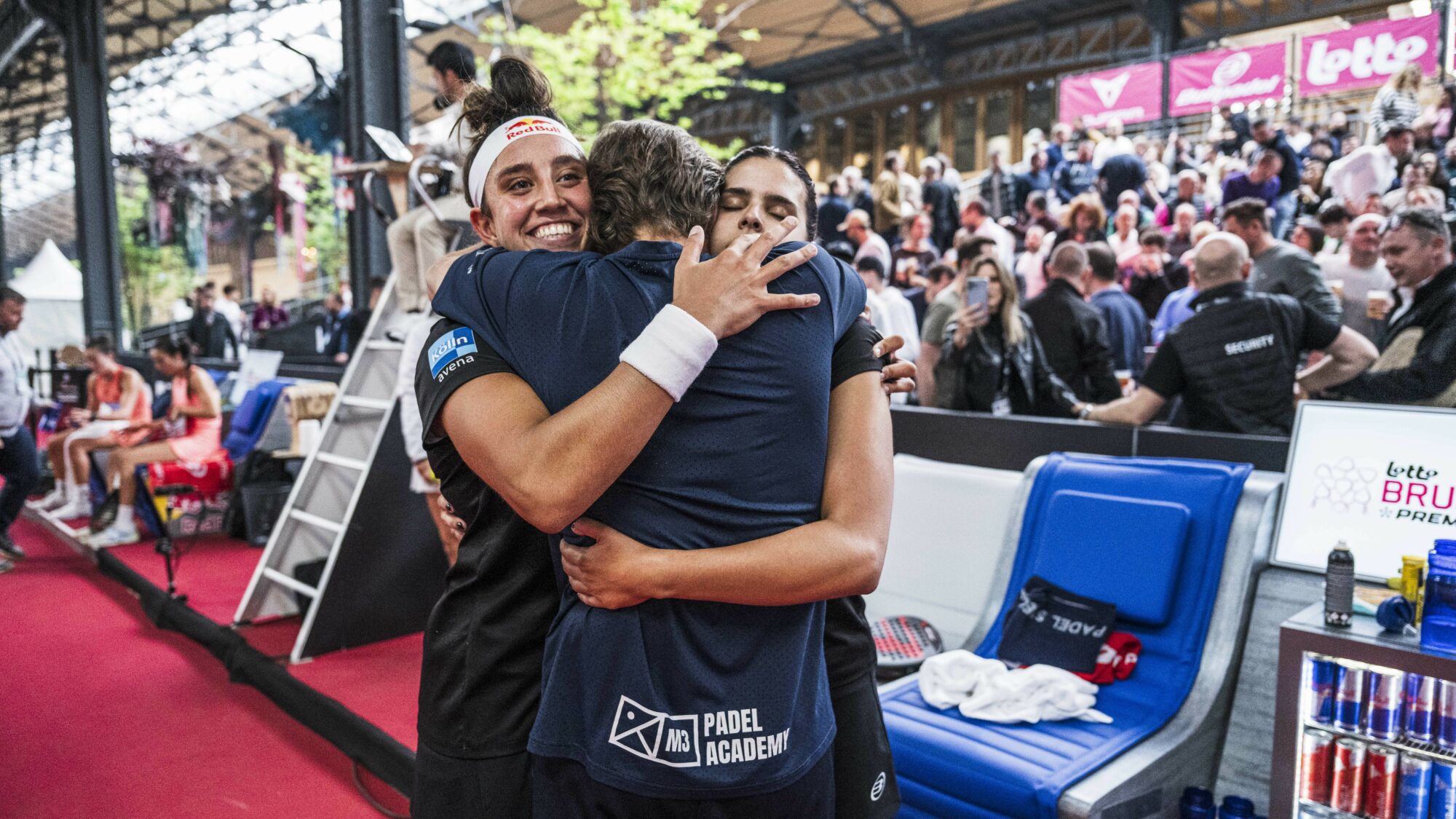 Premier Padel Brussels P2 – Brea/Gonzalez wins the arm wrestling against Salazar/Icardo
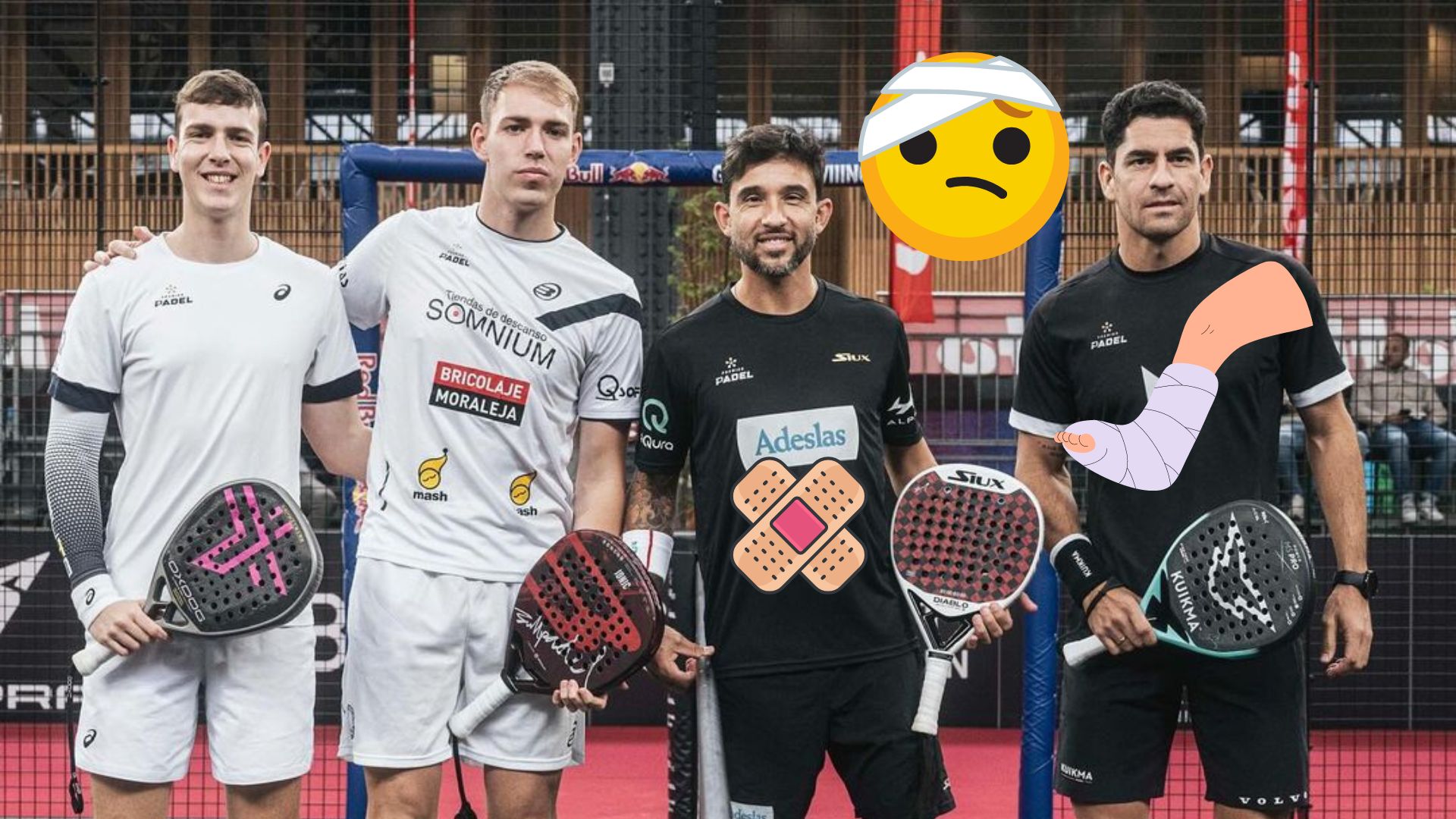 Unusual – Sanyo Gutierrez and Maxi Sanchez suffered in Brussels
 FIP Promotion Sharjah – More French people in the United Arab Emirates
 Guillaume Codron de Sud Padel : “A family project”
 Nallé Grinda: “Democratize the padel in the USA with PadelX "
 Simon Boissé: “We know that there are two nations in front of us”
 Marie Maligo: “This period of frequent changes of partners was beneficial for me”
 The All Star Tour returns on May 16 at the All In in Lyon
 D-7 of the “BetClic Remontada Padel”, at the foot of the Eiffel Tower
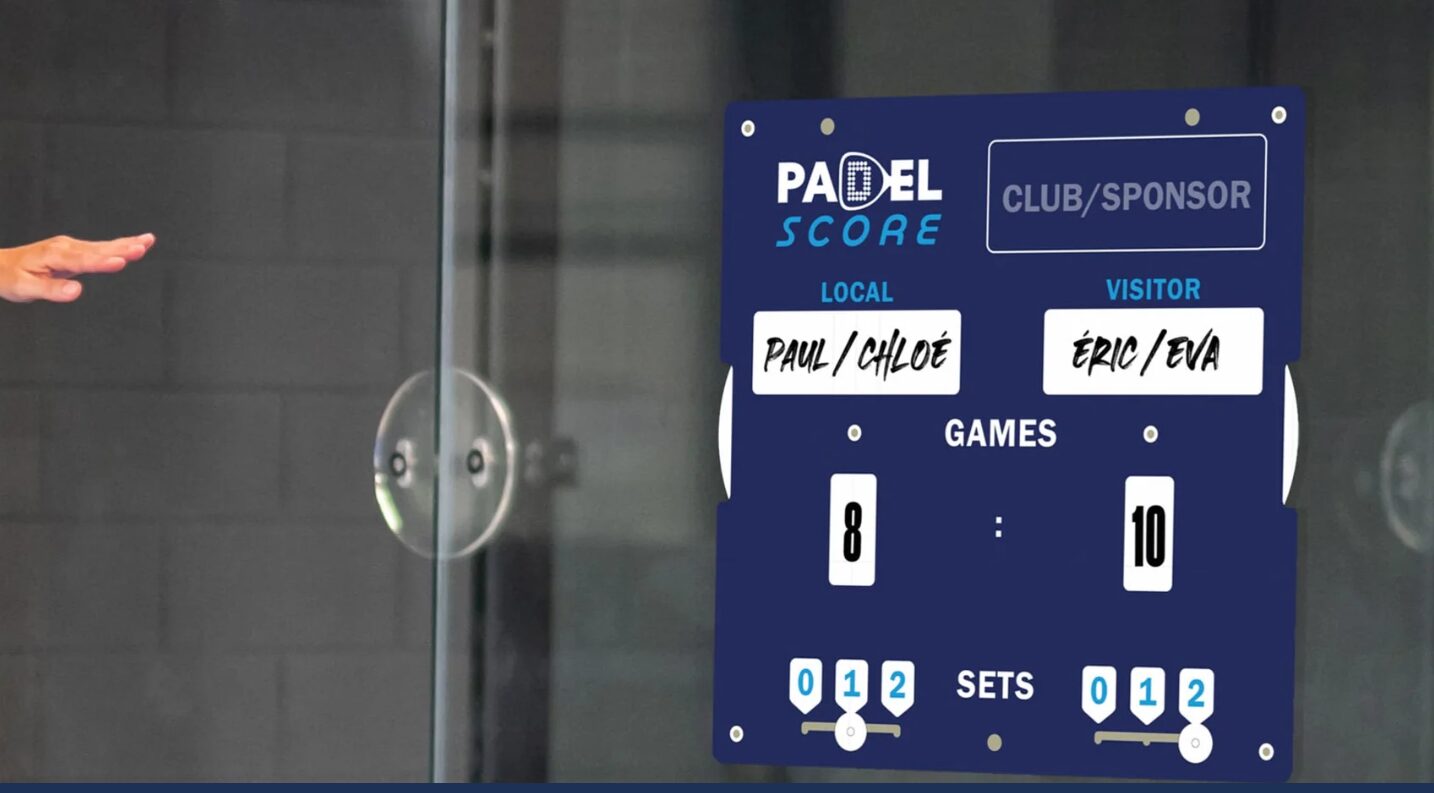 Padel Score: an essential table for keeping score
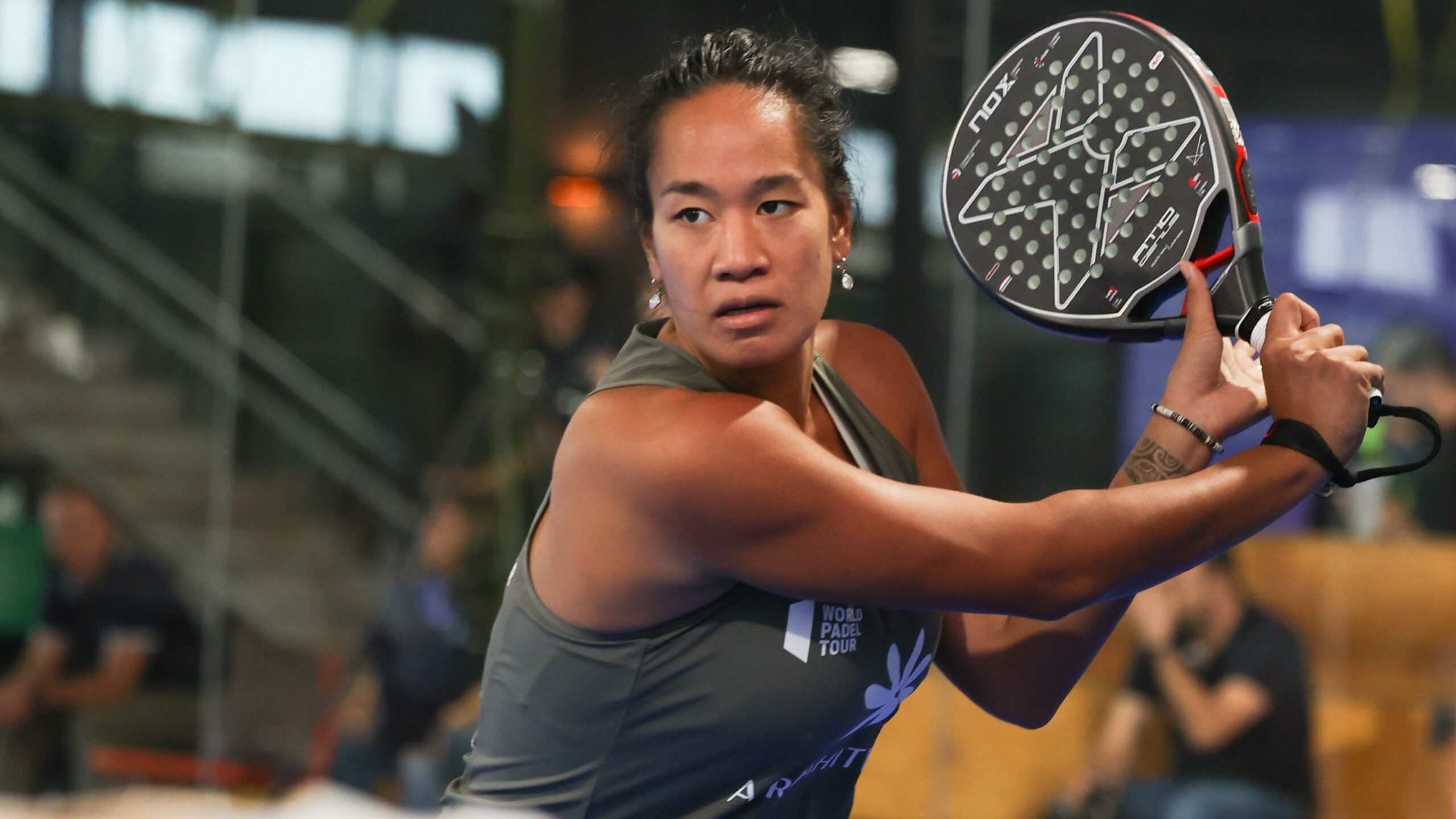 Léa Godallier makes her big return to the slopes this weekend
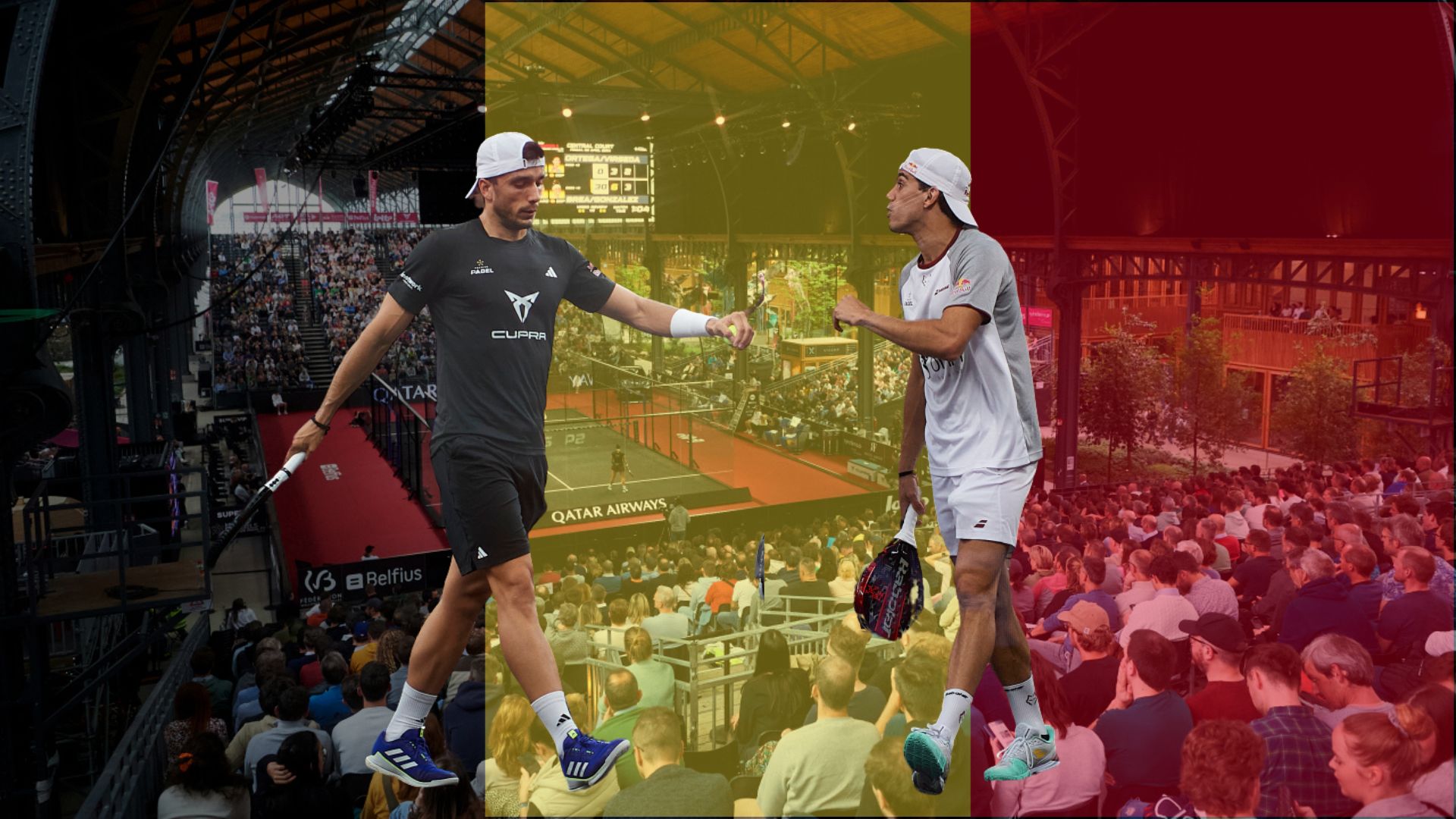 Premier Padel Brussels P2 – Juan Lebron and Ale Galan together in Belgium?
 Agustin Tapia salutes the longevity of Miguel Lamperti
 José Manuel Escin at the inauguration of Casa Padel DOS: “Finally, and thank you!”
 Padel Score comes to Tahiti for American Express Padel Cup!
 Do you know the Rafa Nadal Academy Tour?
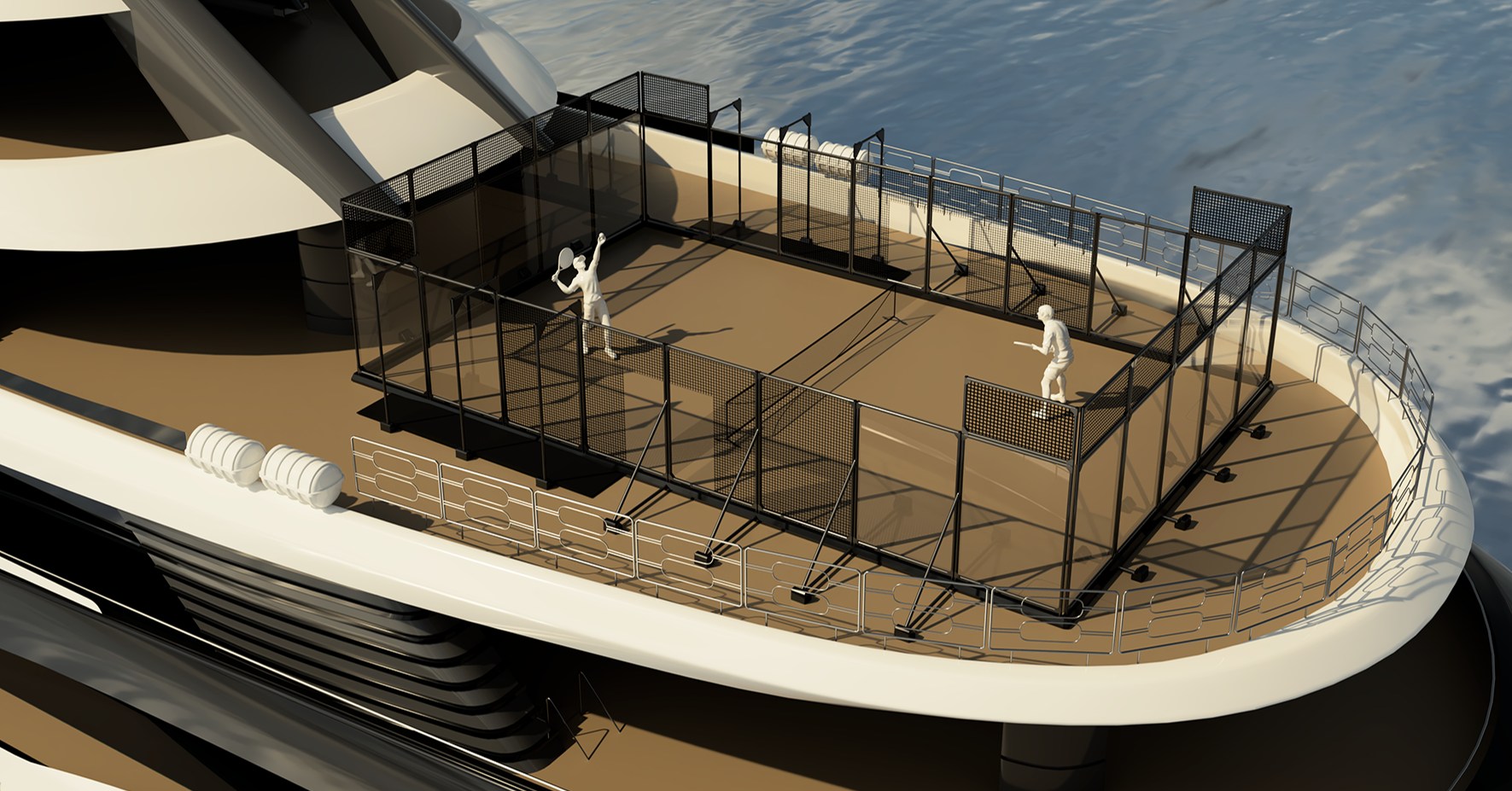 Play at padel on his yacht? Possible for €233.000!
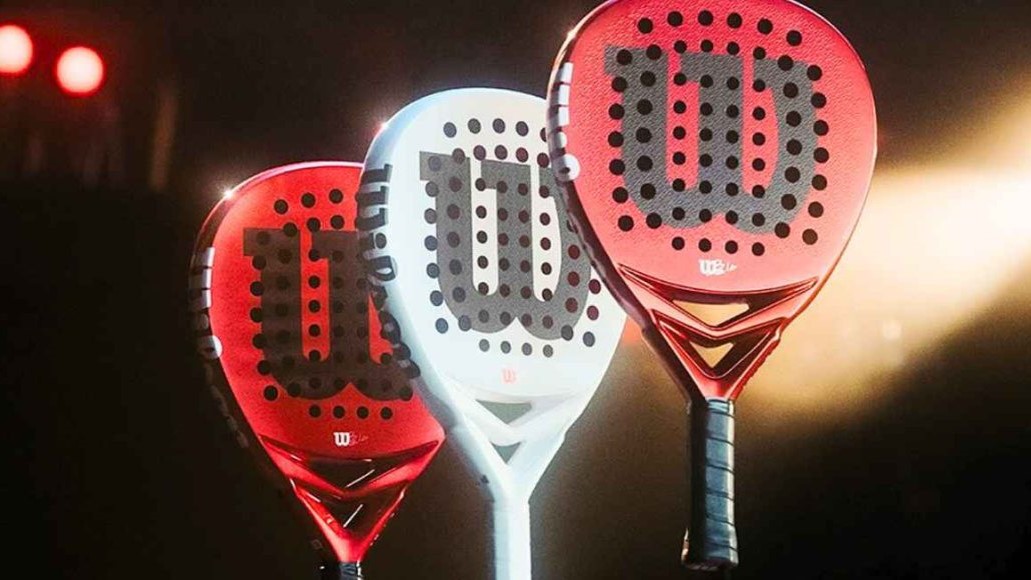 Presentation of the Wilson Bela V2.5 collection
 The LinkedIn of racquet sports: Racket Trip
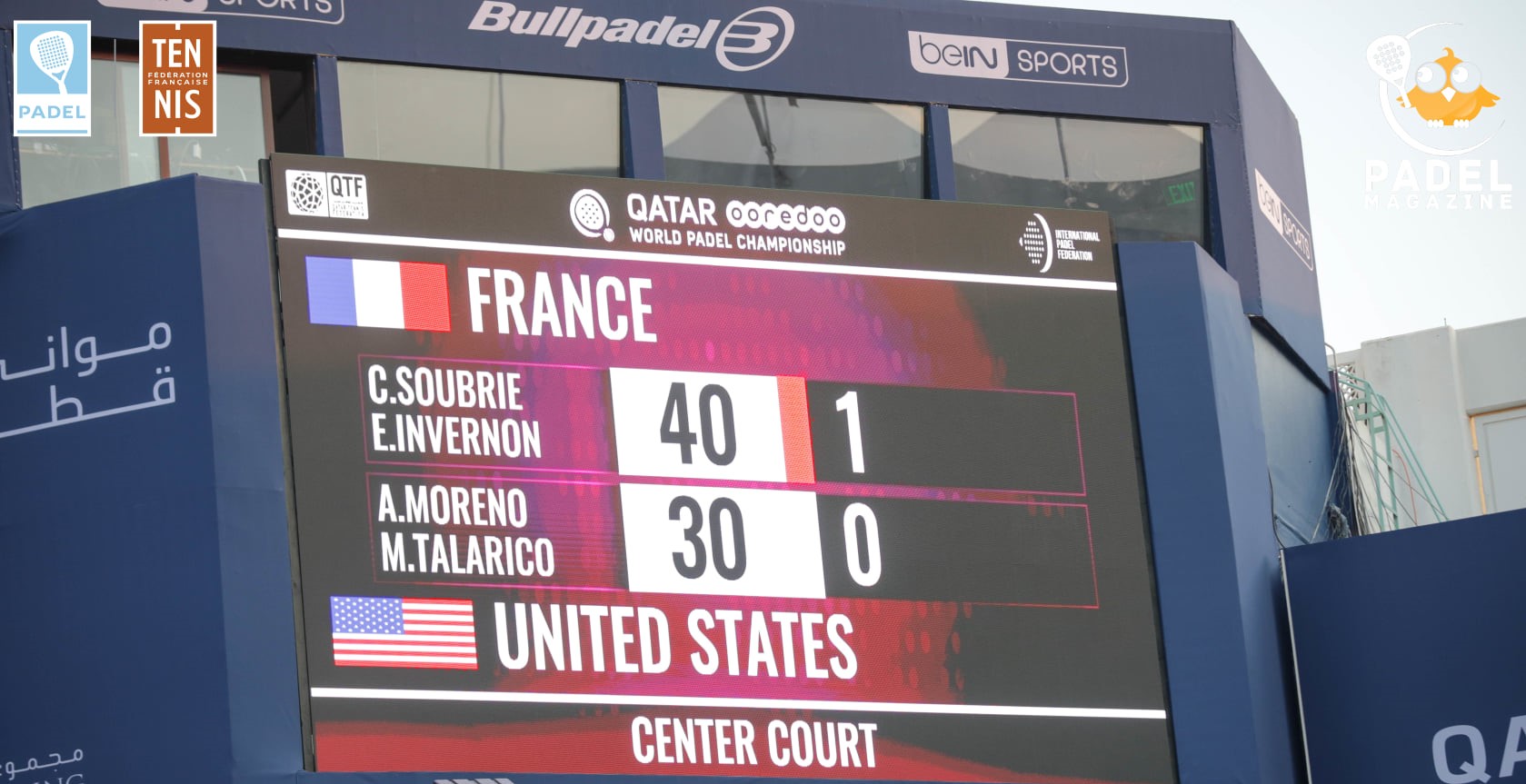 The score at padel : manual
 Our Top 10 training courses padel in France and Europe
 At the heart of padel – Episode 25: Paul and Andoni answer your questions
 At the heart of padel – Episode 23: defend the window well
 Prohibition on playing topless Padel : the reasons
 FIP Tour – Going far from Europe, THE strategy to earn points!
 What is a good football player? padel ?
 “Lefties give me headaches when I play against them!”
 At the heart of padel – Episode 14: how to earn points in winter?
 The basic tactics of padel
 A par 4 is always a winner...even if you manage to defend it!
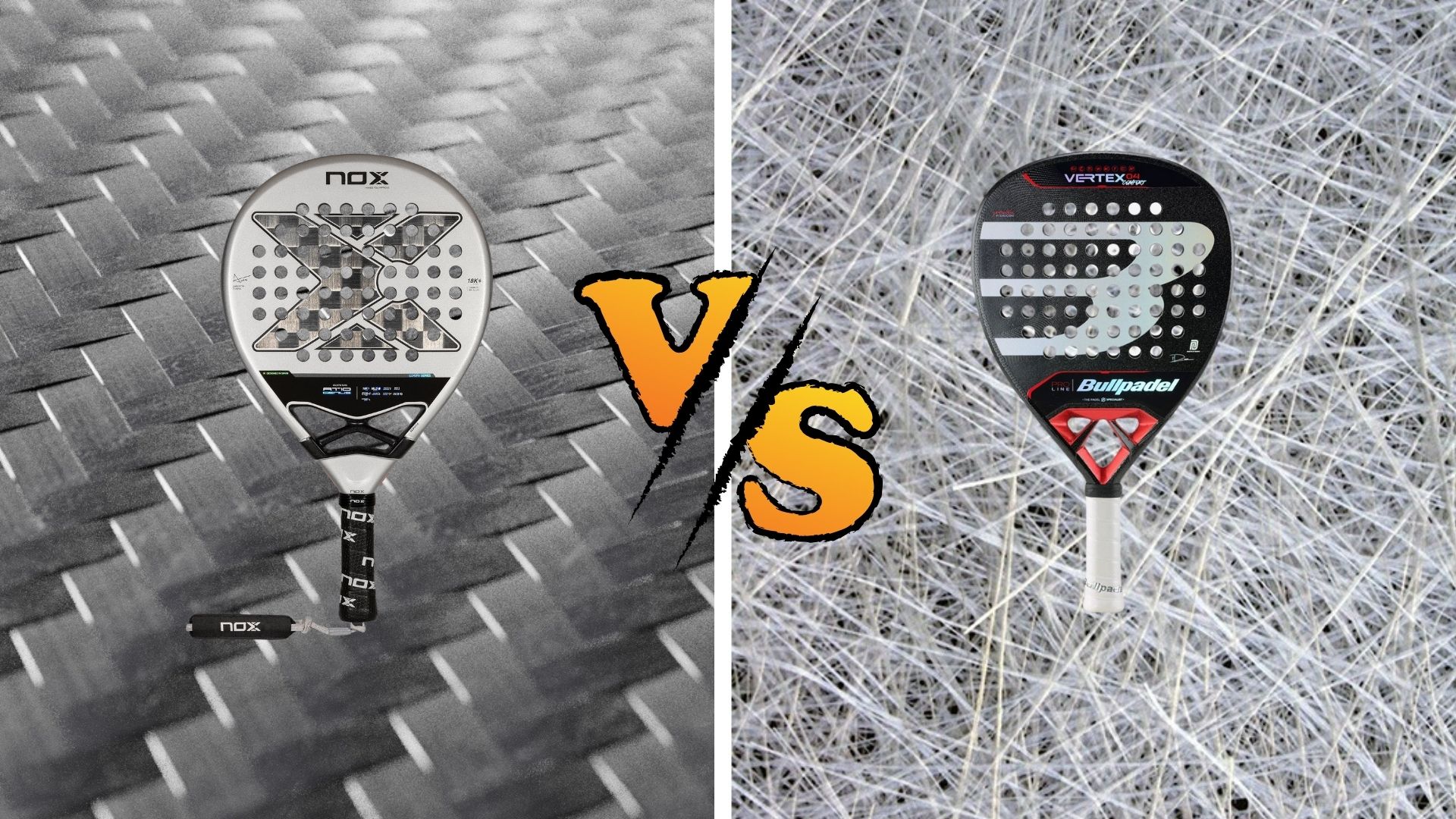 Carbon fiber VS fiberglass: what to choose?
 How to effectively test a racket padel ?
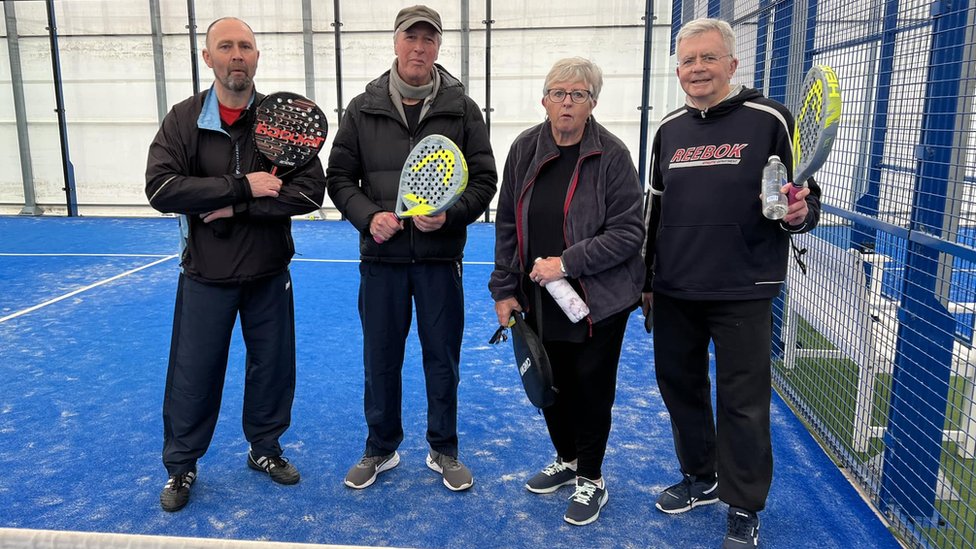 La padel to fight Parkinson's disease
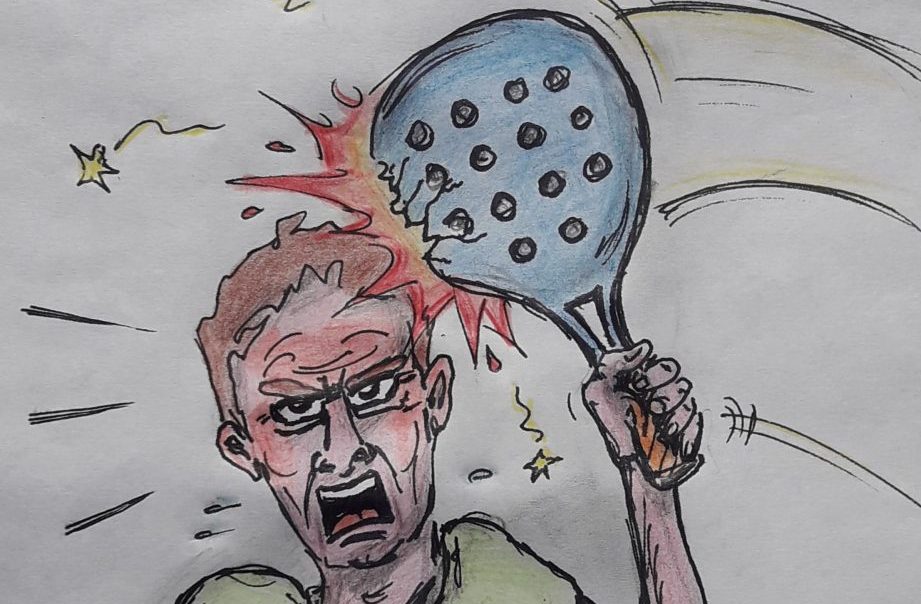 Don't play with a cracked or broken racket, your body will thank you!
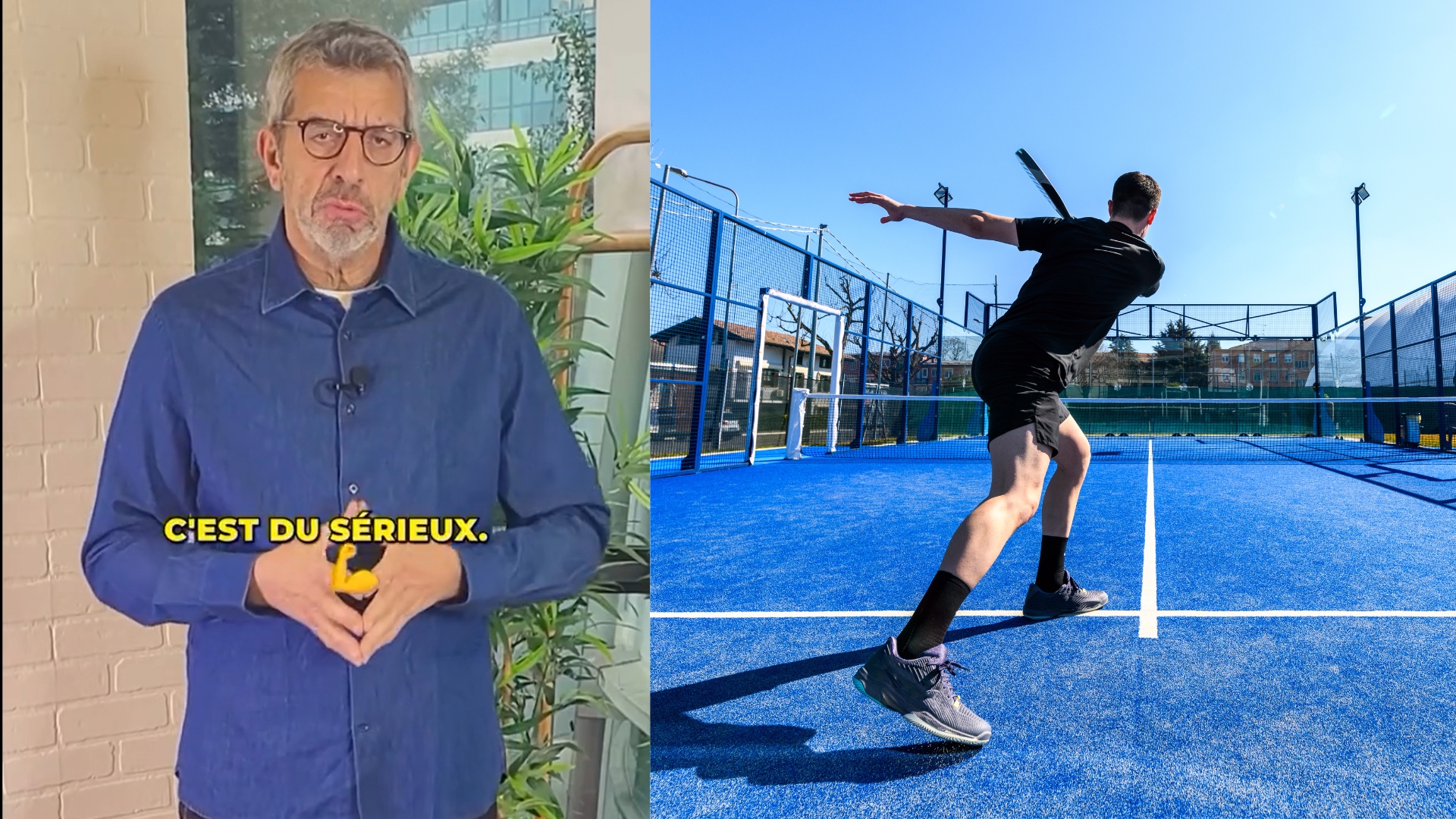 Michel Cymes: “The padel, physically, it’s serious!”
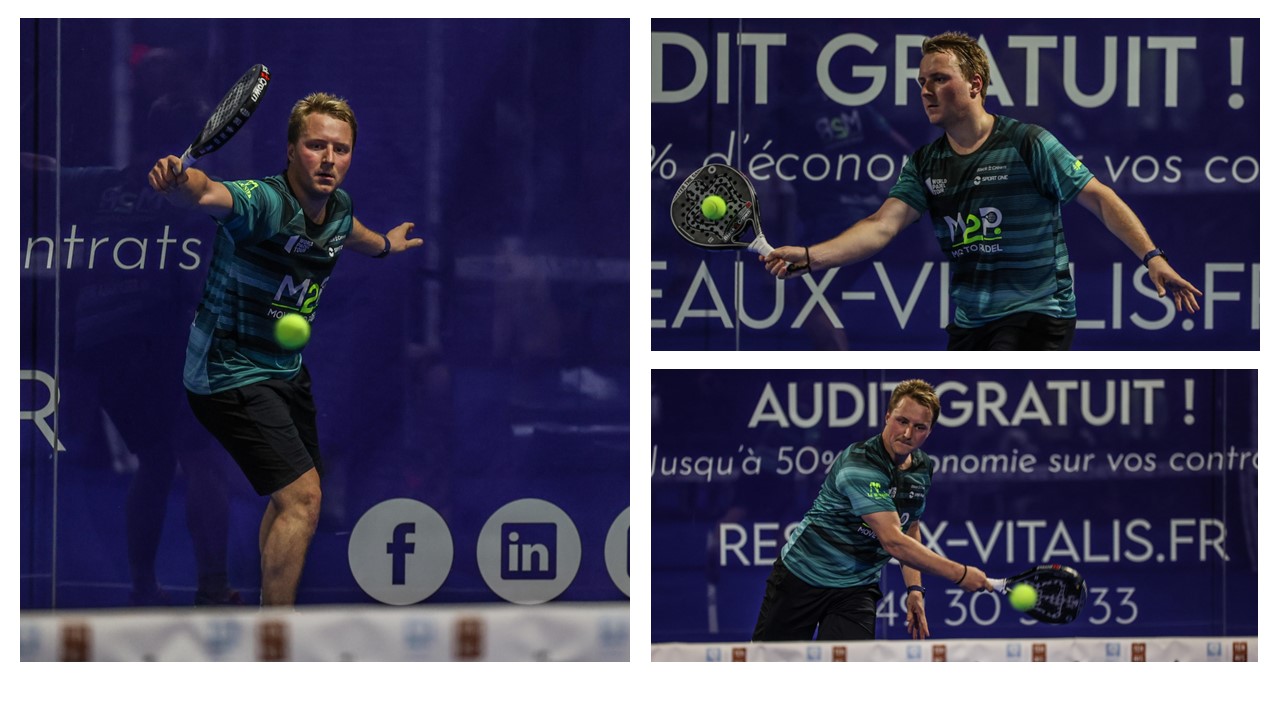 Jeremy Gala: “Promote the padel among young people in Belgium remains a challenge”
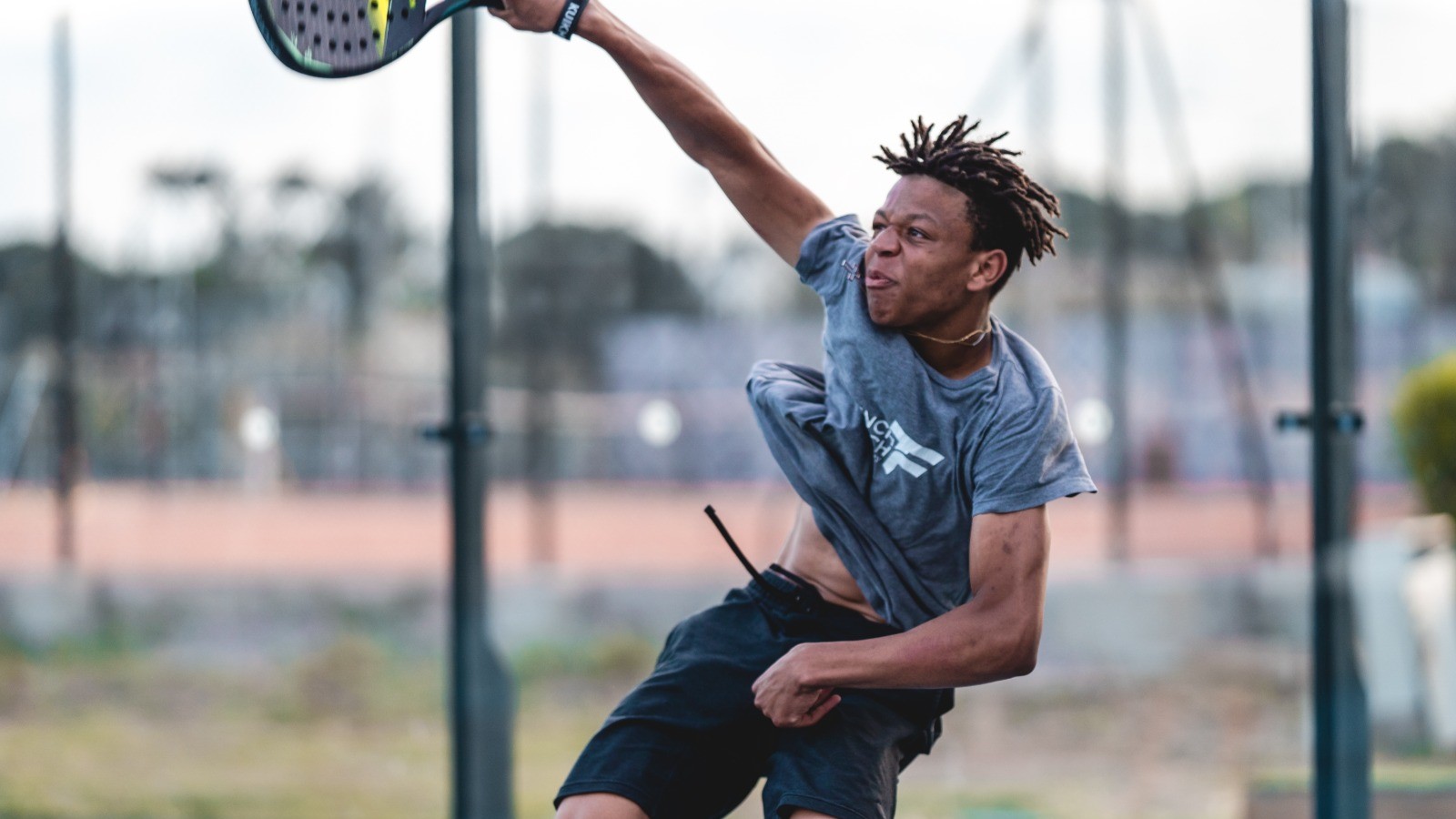 The French Touch Academy organizes its selection day Padel-Study
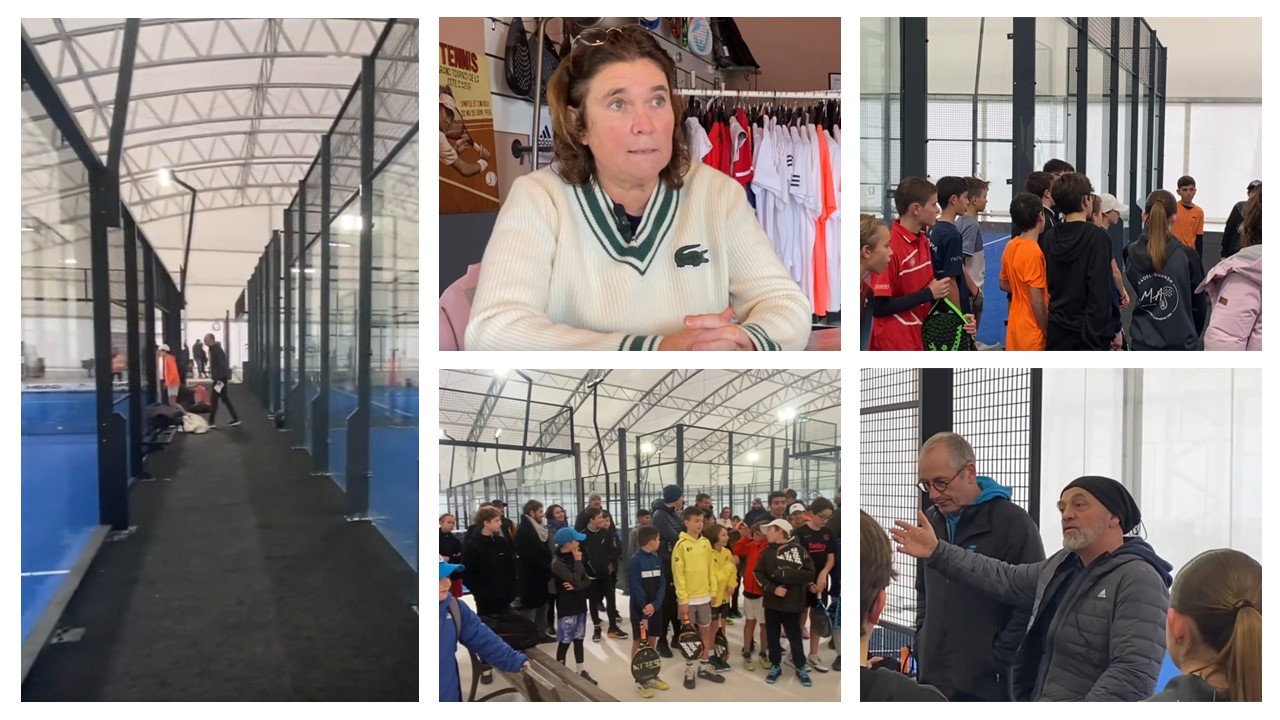 Report on the detection and training of younger generations