












A few years ago, everyone was ecstatic about Spain and their defensive play. Today, is this still the case and what about emerging countries?
Spain of course still remains the world leader in padel with Argentina. Coming to train and play in Spain is always positive because it is much easier to find players of a higher level. But this comes at a cost for visitors who often do not get a return on the investment. So of course, they learn to professionalize, learn the “Spanish” game, but generally have difficulty shining.
A few years ago, we raised this subject of knowing if it was positive for the padel national to abandon him to go into exile in Spain, and this provoked reactions. Today, it seems that mentalities have changed and that “made in” is taking place for the development of each federation.
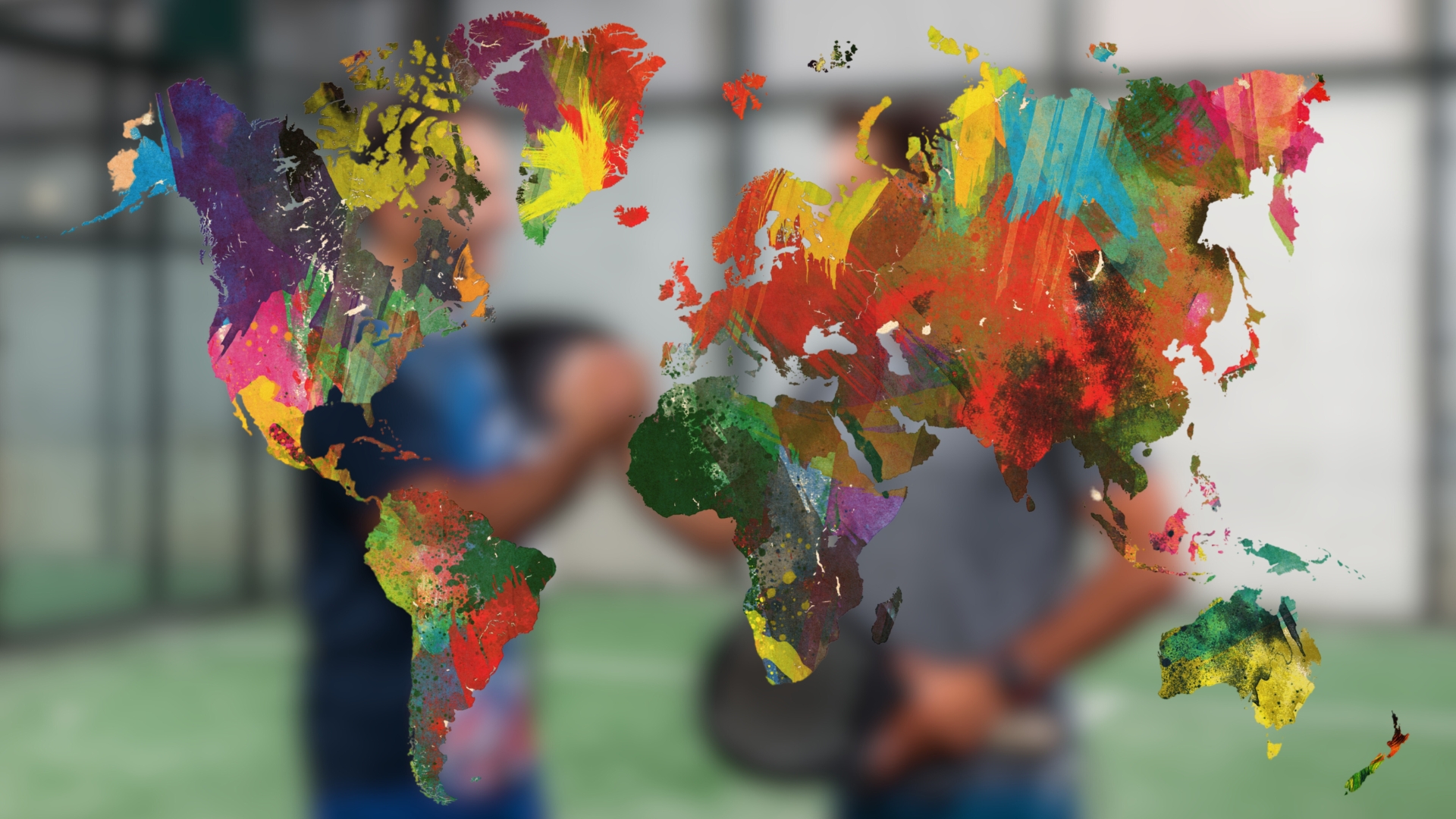
France, Belgium, Italy, Portugal, Sweden to only talk about Europe, but also America, Africa and Oceania to name just a few, are developing. That's it. Thanks to television and the precursors who took the step and the sacrifice to go to the Mecca of padel, it seems that today own entities are being created. A culture padel specific to each country which should bear fruit with future generations.
If you have decided to plan a trip padel across ten countries, you will quickly notice the difference in play. So, in the middle of all this, you put a Spaniard, it may be him who wins the prize, but the fundamental work of the federations slowly brings results. Look at young people, countries that we didn't necessarily expect, are showing up.
We can't do anything about culture.
Taking inspiration from Spain yes, but playing like them, no. If the Spanish do not adapt quickly, it is possible that in a few years they will be overtaken. But when ? There is the question. Maybe when young people 100% padel will show the tip of their nose and that the pool of national players will be large enough? So the breeding ground, we can say that it is growing visibly, but the young ones, we cannot make them grow any faster. It is possible that in the next 10 years we will see changes in the leadership of the padel World.
Everyone’s culture is what will make the difference. Let's take a simple example to note these differences: the Spanish manage their meals completely differently from the Nordic countries, same thing with education. So, little by little this cultural base, which each nation has developed for decades, even centuries, will appear and must appear in the game, and for the good of all.
Sports culture
Although most countries around the world have started padel for less than 10 years, the sporting culture remains different. National sports are different. Look in Spain, it’s football (the padel comes second), in India it's cricket, in the Dominican Republic it's baseball, in the United States it's basketball, in New Zealand rugby, in Egypt squash, in short, so many cultures different sports including padel can feed. We will talk about learning techniques, but also about the transmission of culture. Maybe technically there will be few differences, but tactically, in the management of matches or competitions, we will see developments.
And do we talk about the differences within the same country?
We are well placed to know. Look at the differences in attitudes between people from the north of France and people from the south, from the Lyon region and the Basque country. They are huge. We need time to adapt to understand each other on a track, even if we speak the same language. This is the strength of this sport; the mix of cultures, personal stories, identities, sporting pasts. The work of clubs, associations and federations is to unite these trends to create an identity where everyone recognizes themselves. Not easy.
This sport is incredible and a gateway to cultural mixing. Spain is a base as other countries have been in other sports, England with rugby for example. With its significant growth rate, the padel can bring nice surprises in the future. But this will go through 2 main axes: the culture of each person and the possibility of earning a decent living by devoting oneself to competition. Go!

Julien Bondia is a teacher of padel in Tenerife (Spain). Columnist and advisor, he helps you play better through his tutorials and tactical/technical articles padel.

















































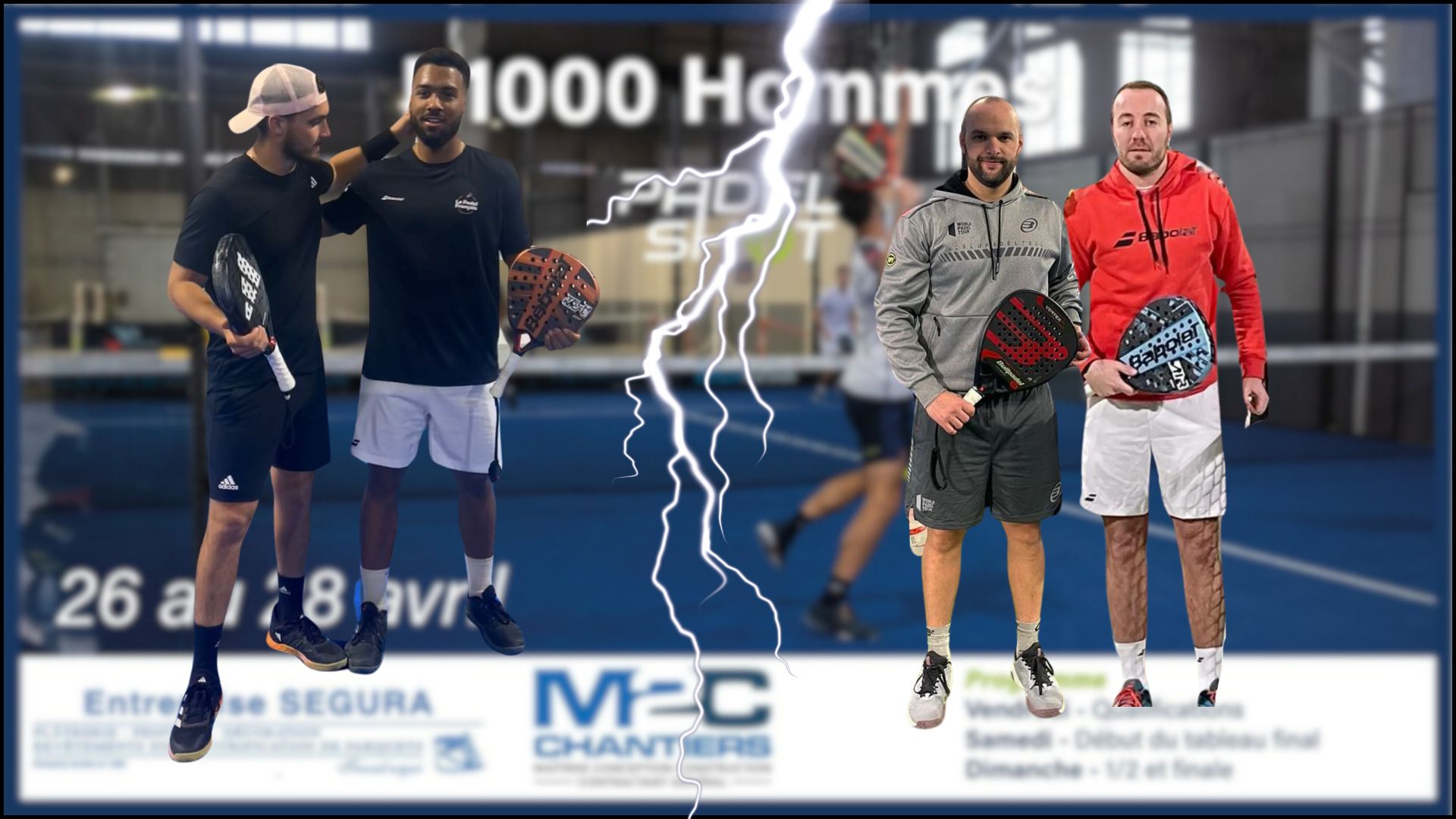 P1000 PadelShot Saint-Étienne – A Hugounenq/Vincent – Authier/Sanchez final to come
 Find out everything about the dimensions of a plot of land padel
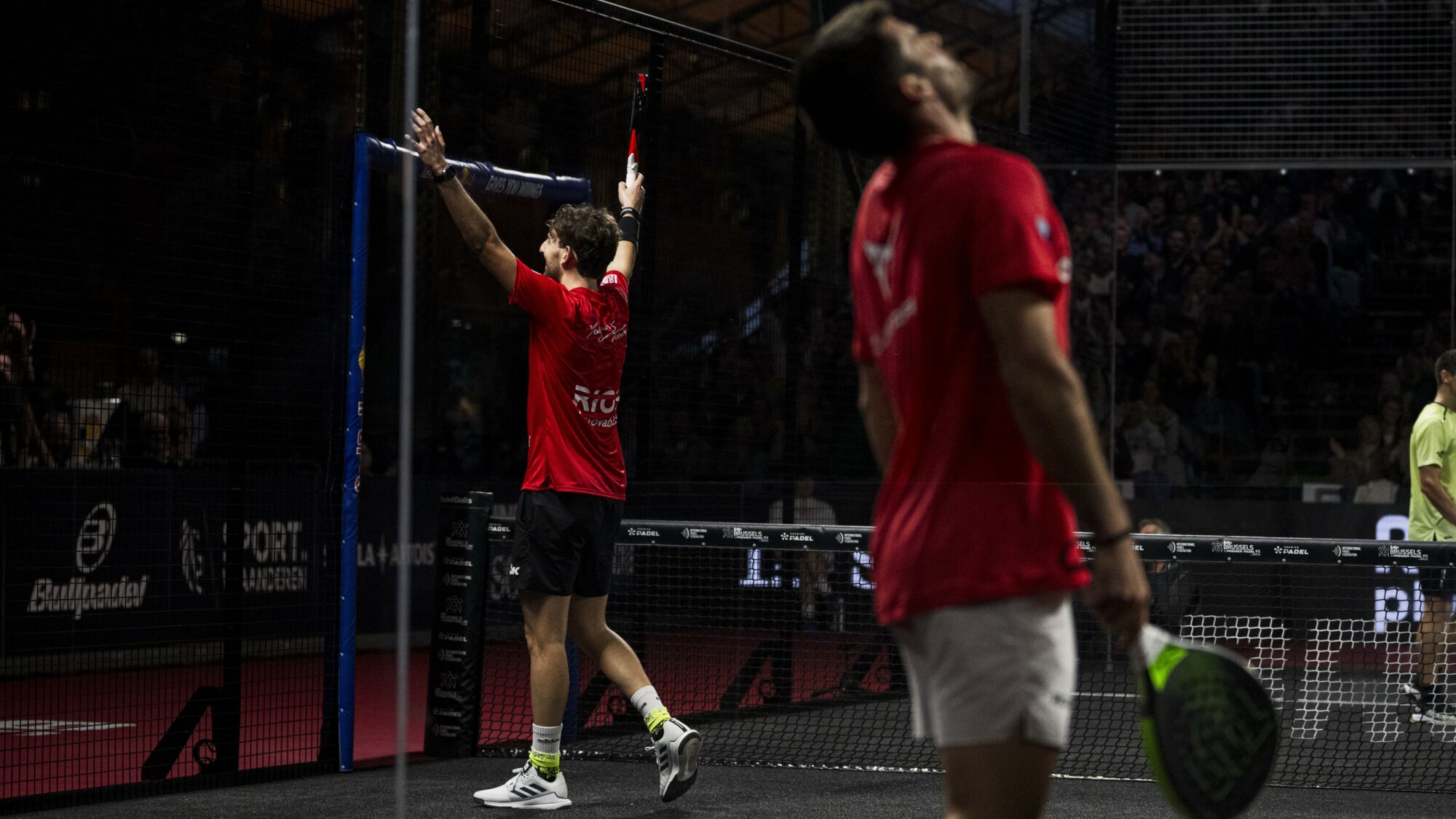 Obviously, Javi Garrido's service does not please Mike Yanguas...
 Guillaume Codron de Sud Padel : “A family project”
 Nallé Grinda: “Democratize the padel in the USA with PadelX "
 Simon Boissé: “We know that there are two nations in front of us”
 Marie Maligo: “This period of frequent changes of partners was beneficial for me”
 P1000 PadelShot Saint-Étienne – Watch the Hugounenq/Vincent – Seux/Courrin semi-final live
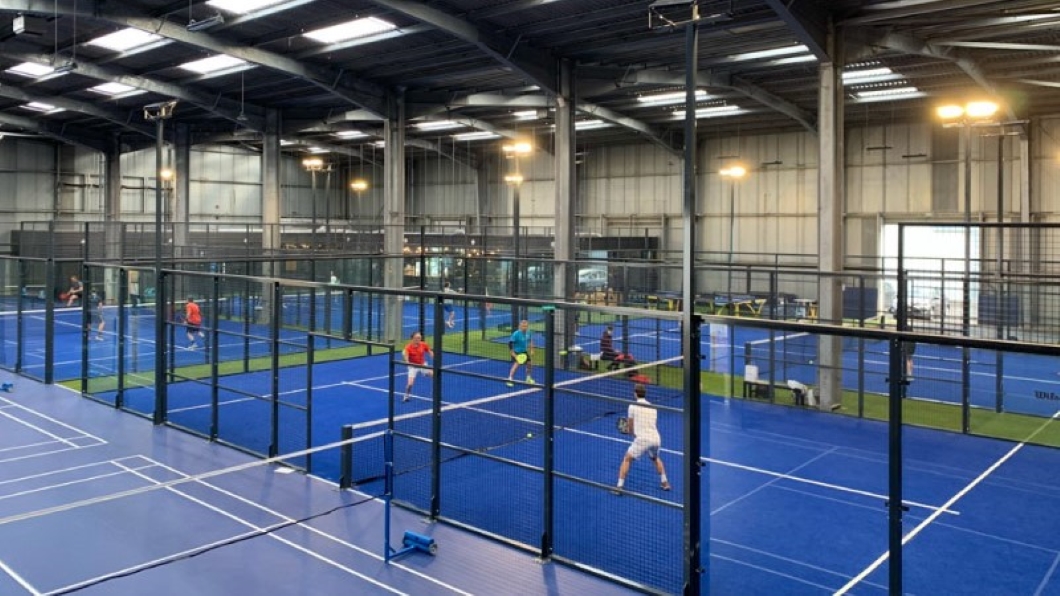 P1000 PadelShot Saint-Étienne – Follow the surprise poster Vincent/Hugounenq – Couturier/Benmergui live
 The All Star Tour returns on May 16 at the All In in Lyon
 D-7 of the “BetClic Remontada Padel”, at the foot of the Eiffel Tower
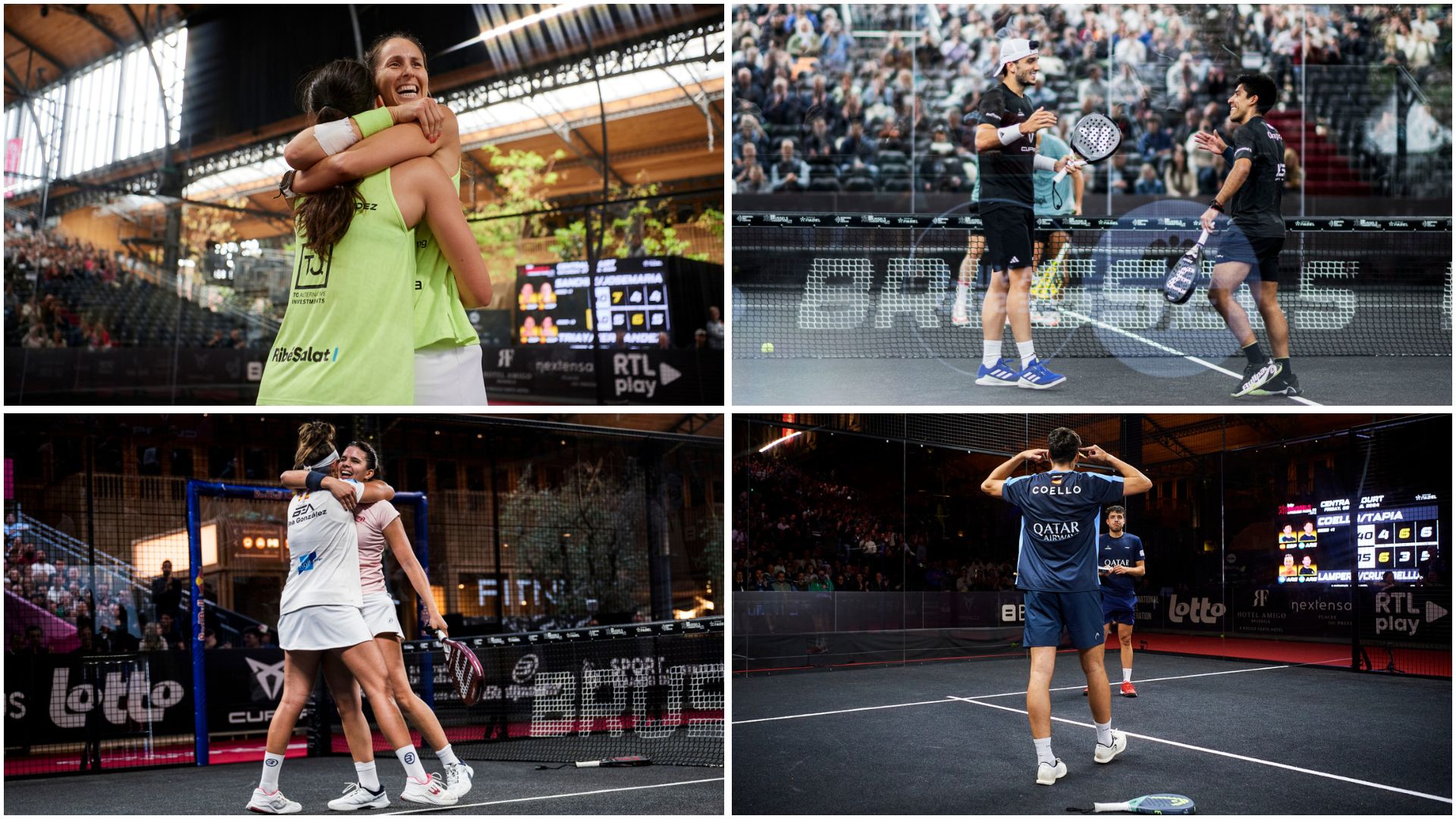 Premier Padel Brussels P2 – It’s time for the long-awaited finals!
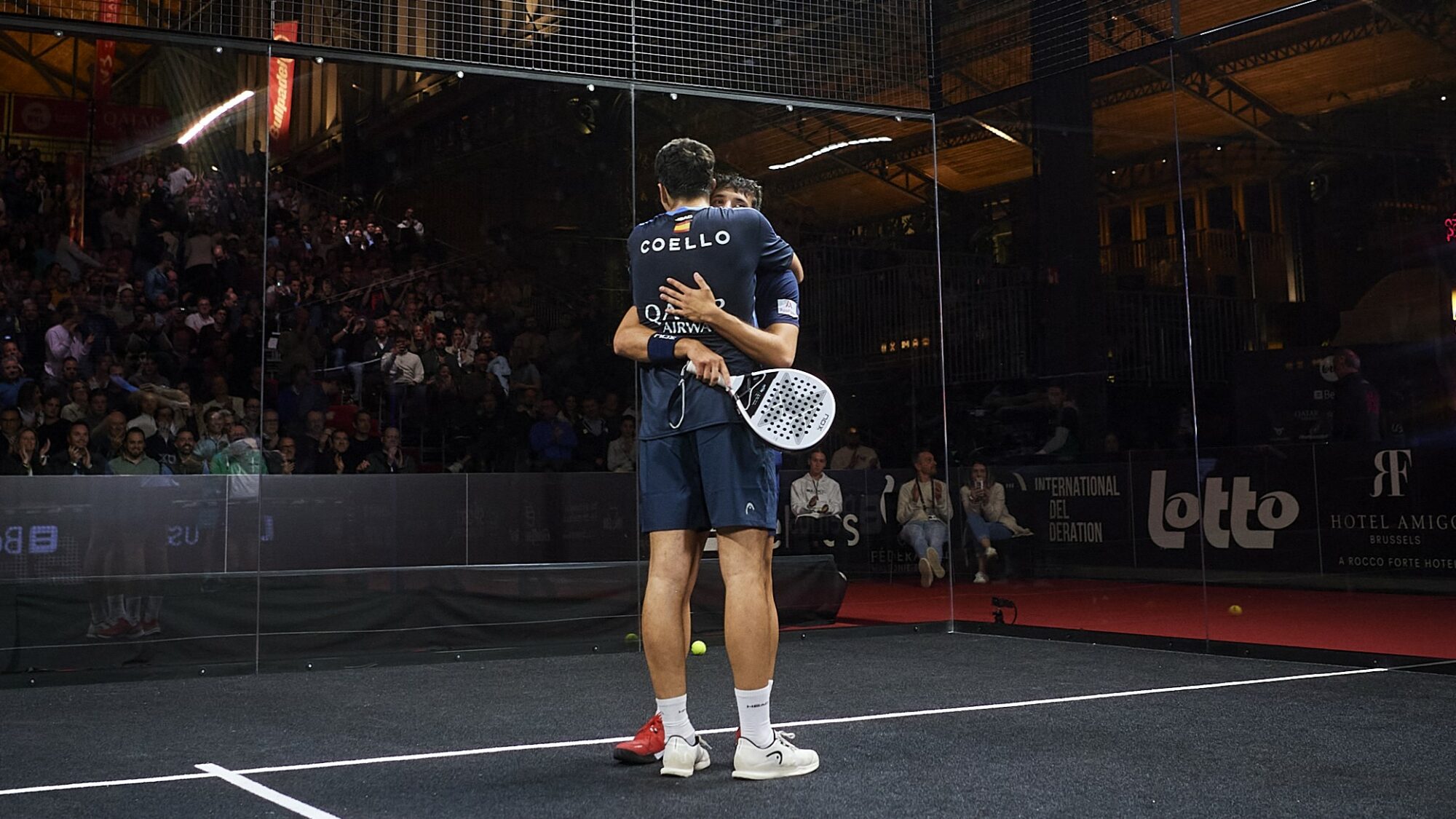 Premier Padel Brussels P2 – Arturo Coello and Agustín Tapia… obviously
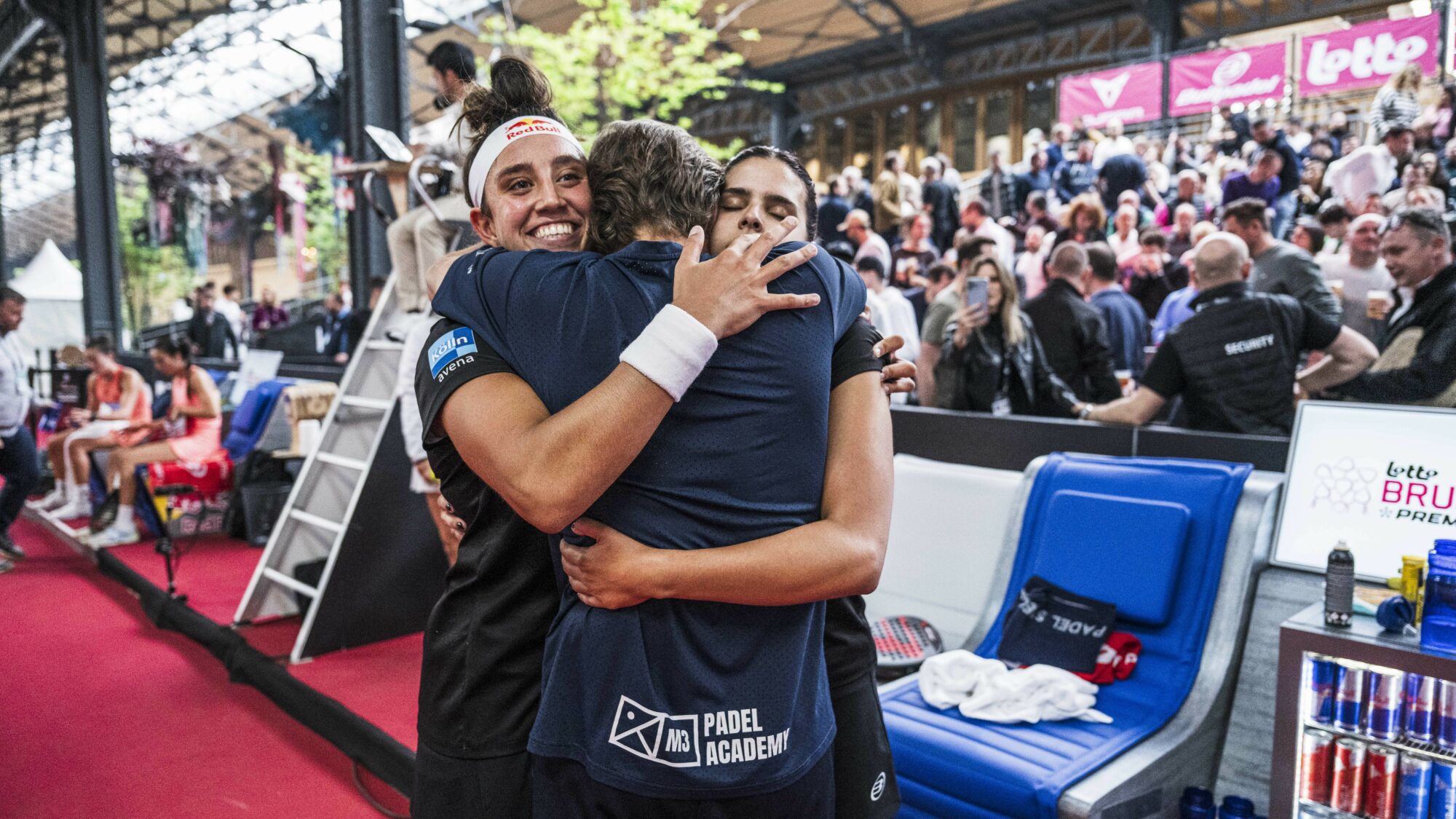 Premier Padel Brussels P2 – Brea/Gonzalez wins the arm wrestling against Salazar/Icardo
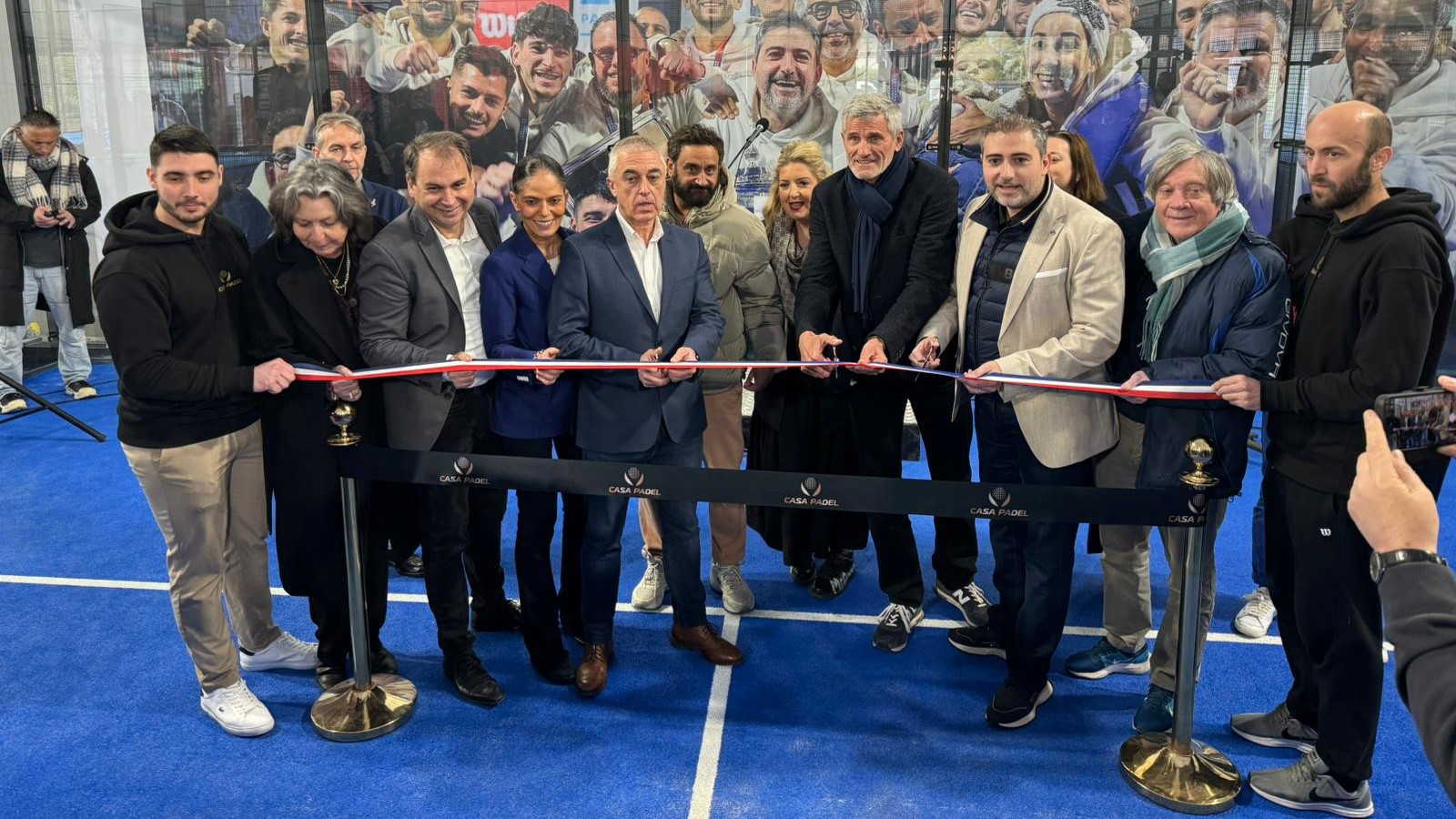 José Manuel Escin at the inauguration of Casa Padel DOS: “Finally, and thank you!”
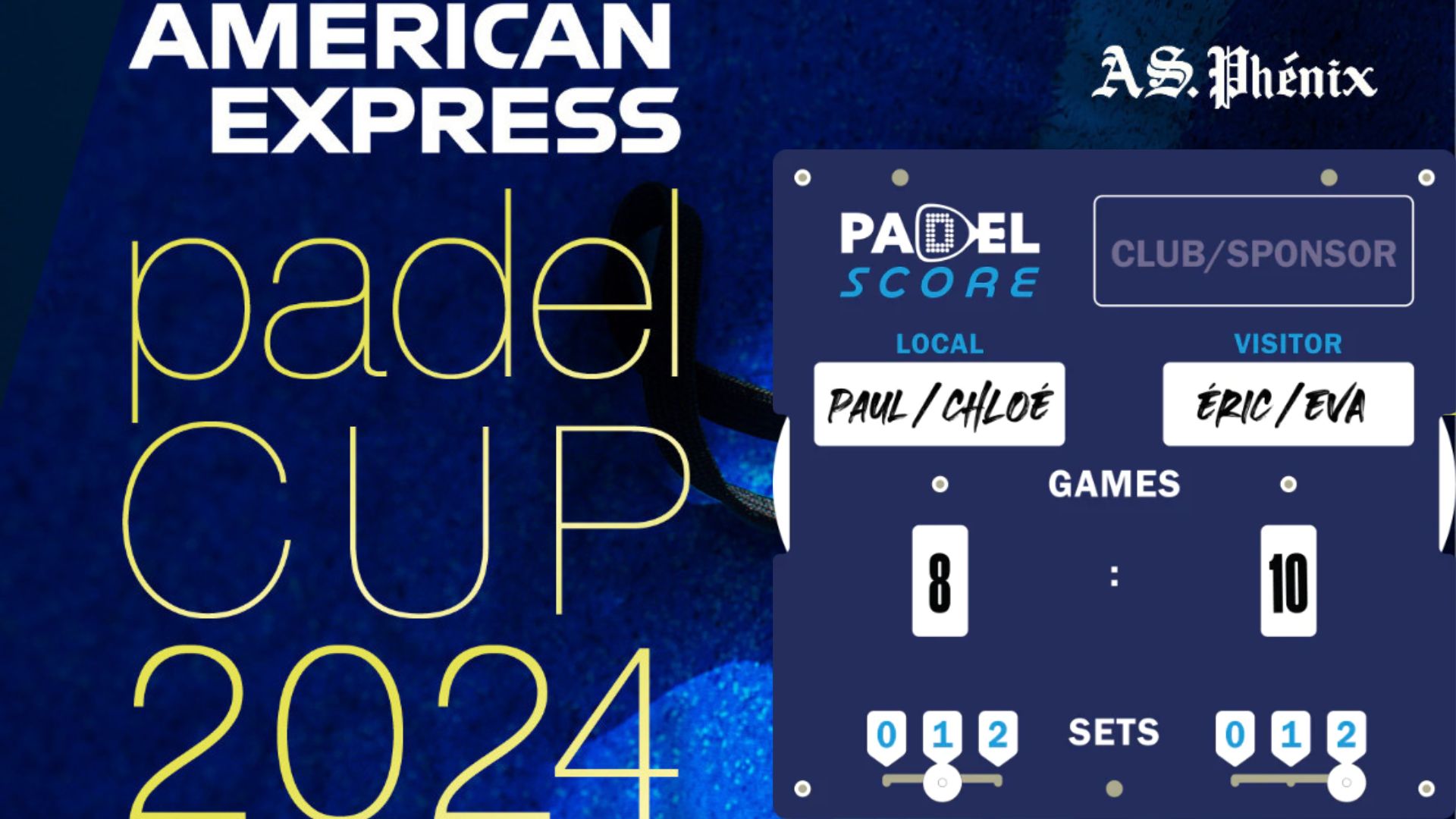 Padel Score comes to Tahiti for American Express Padel Cup!
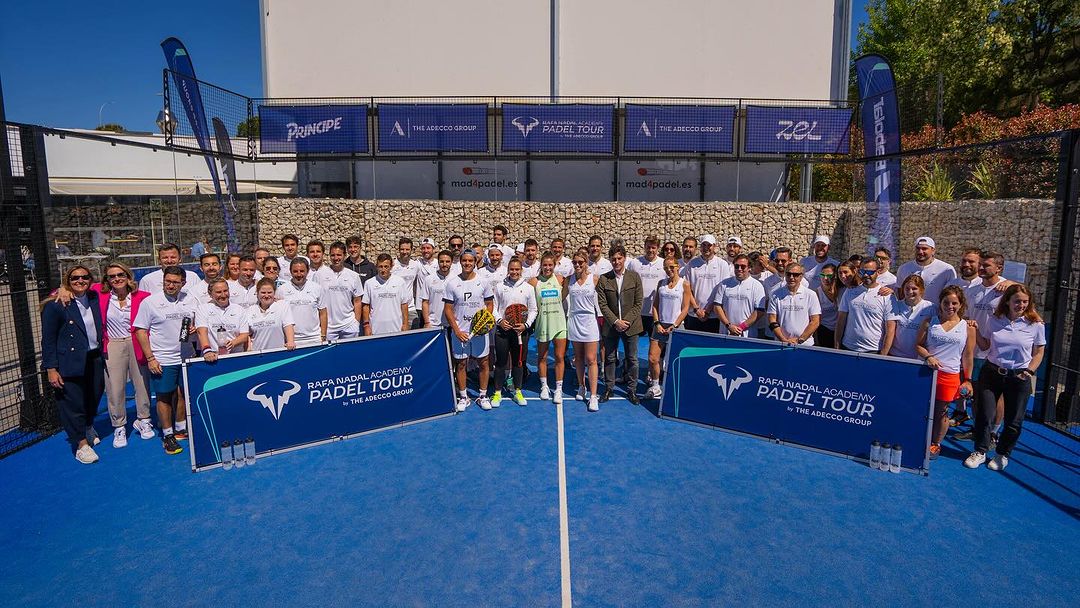 Do you know the Rafa Nadal Academy Tour?
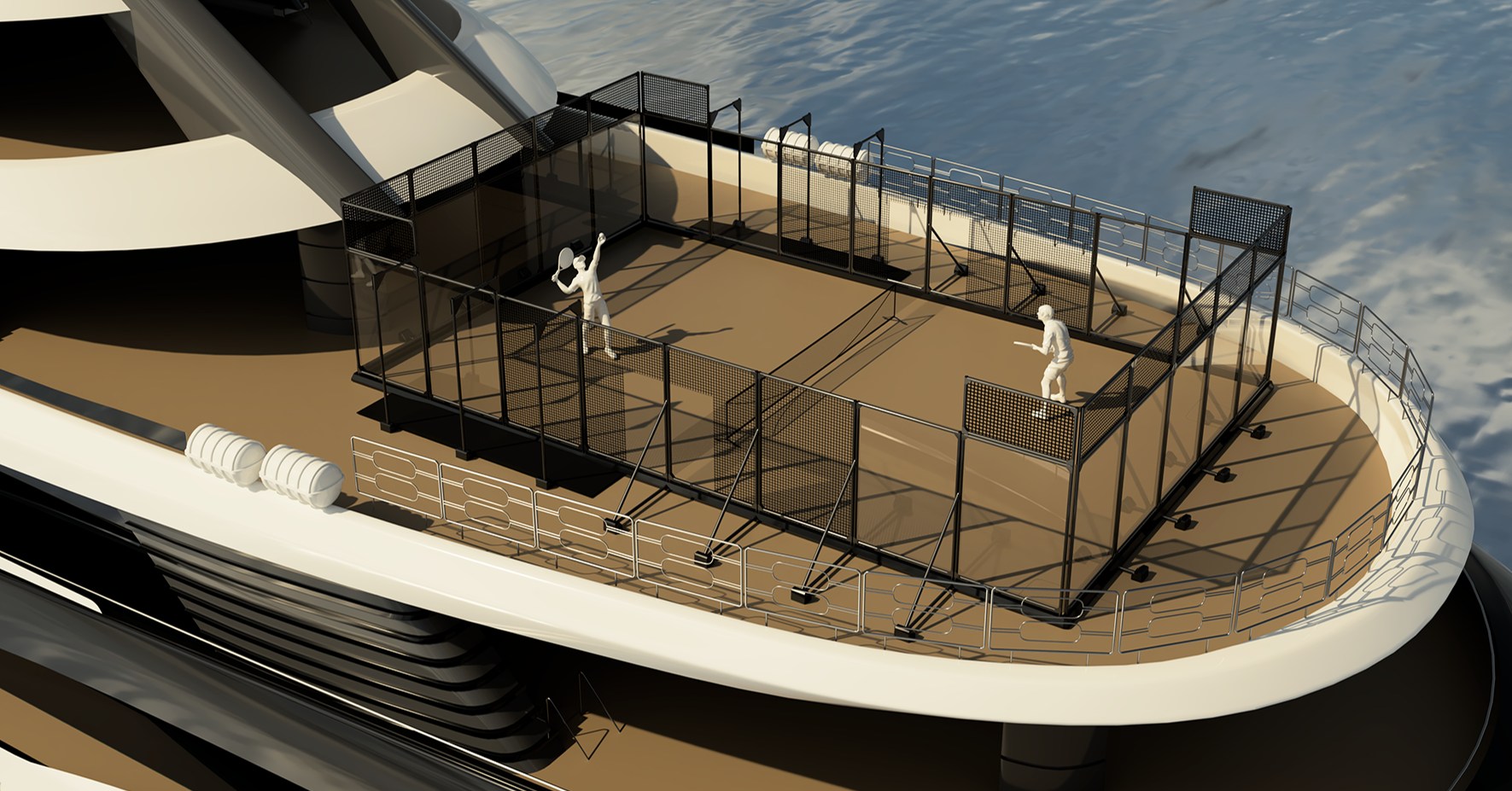 Play at padel on his yacht? Possible for €233.000!
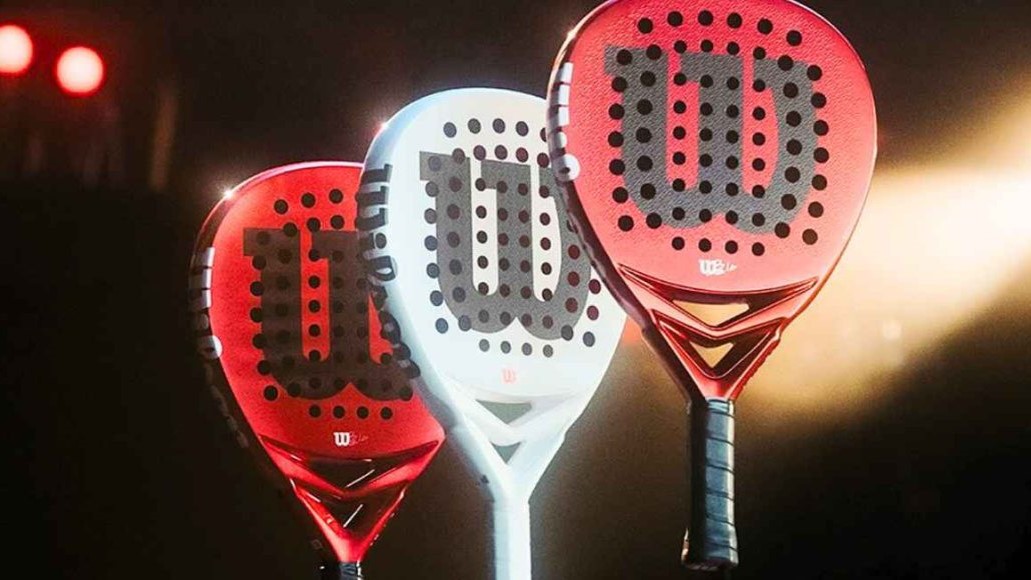 Presentation of the Wilson Bela V2.5 collection
 The LinkedIn of racquet sports: Racket Trip
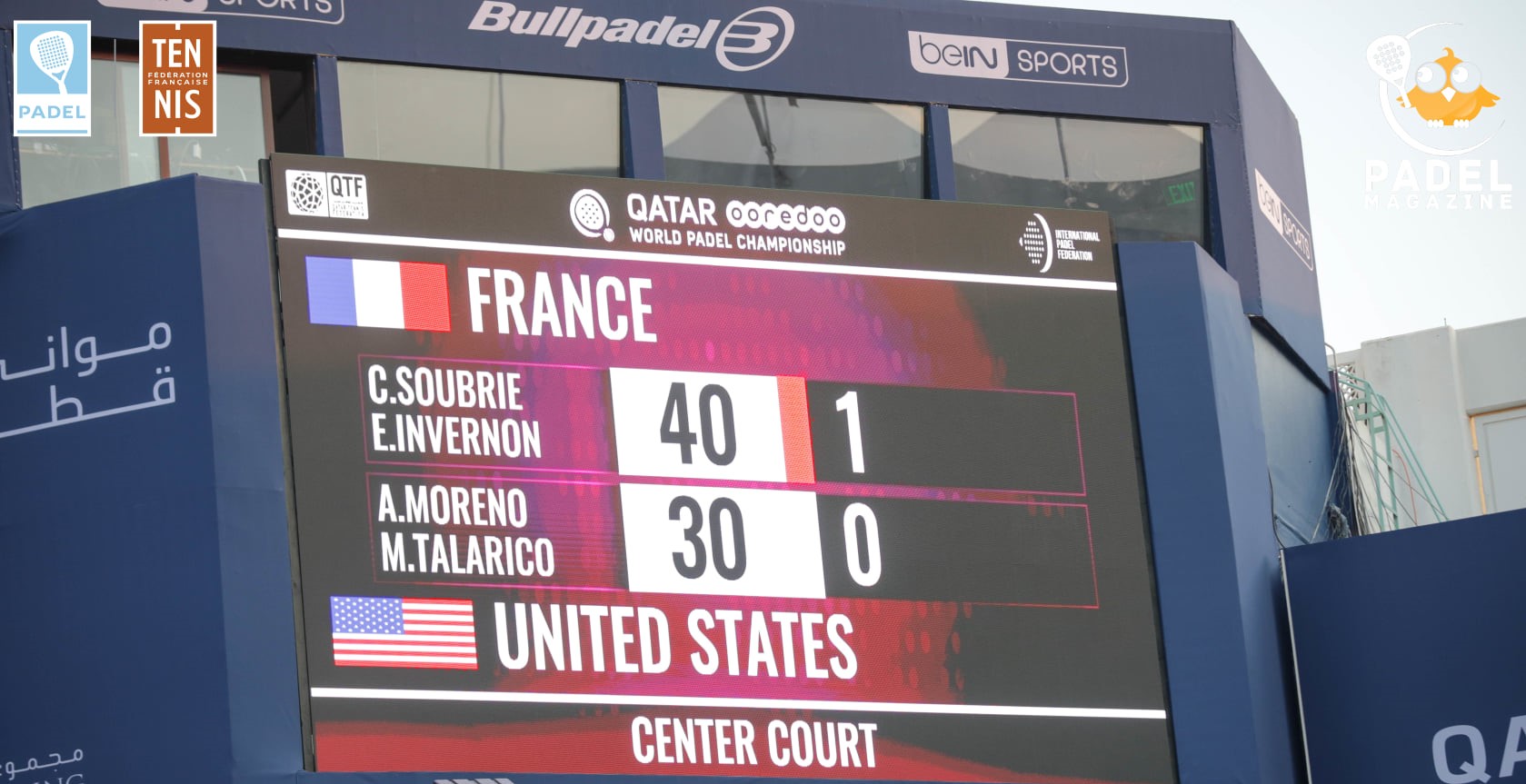 The score at padel : manual
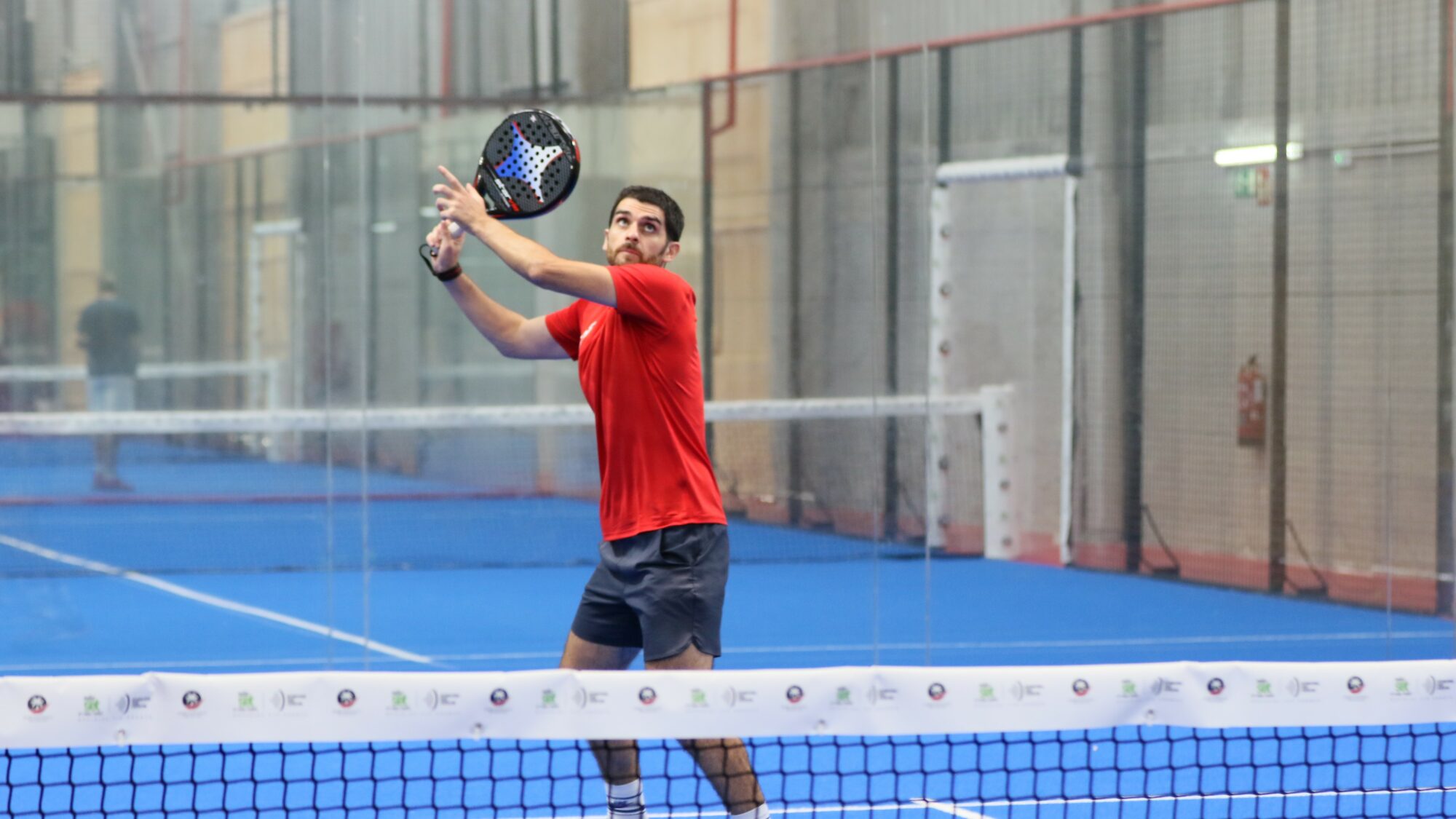 At the heart of padel – Episode 25: Paul and Andoni answer your questions
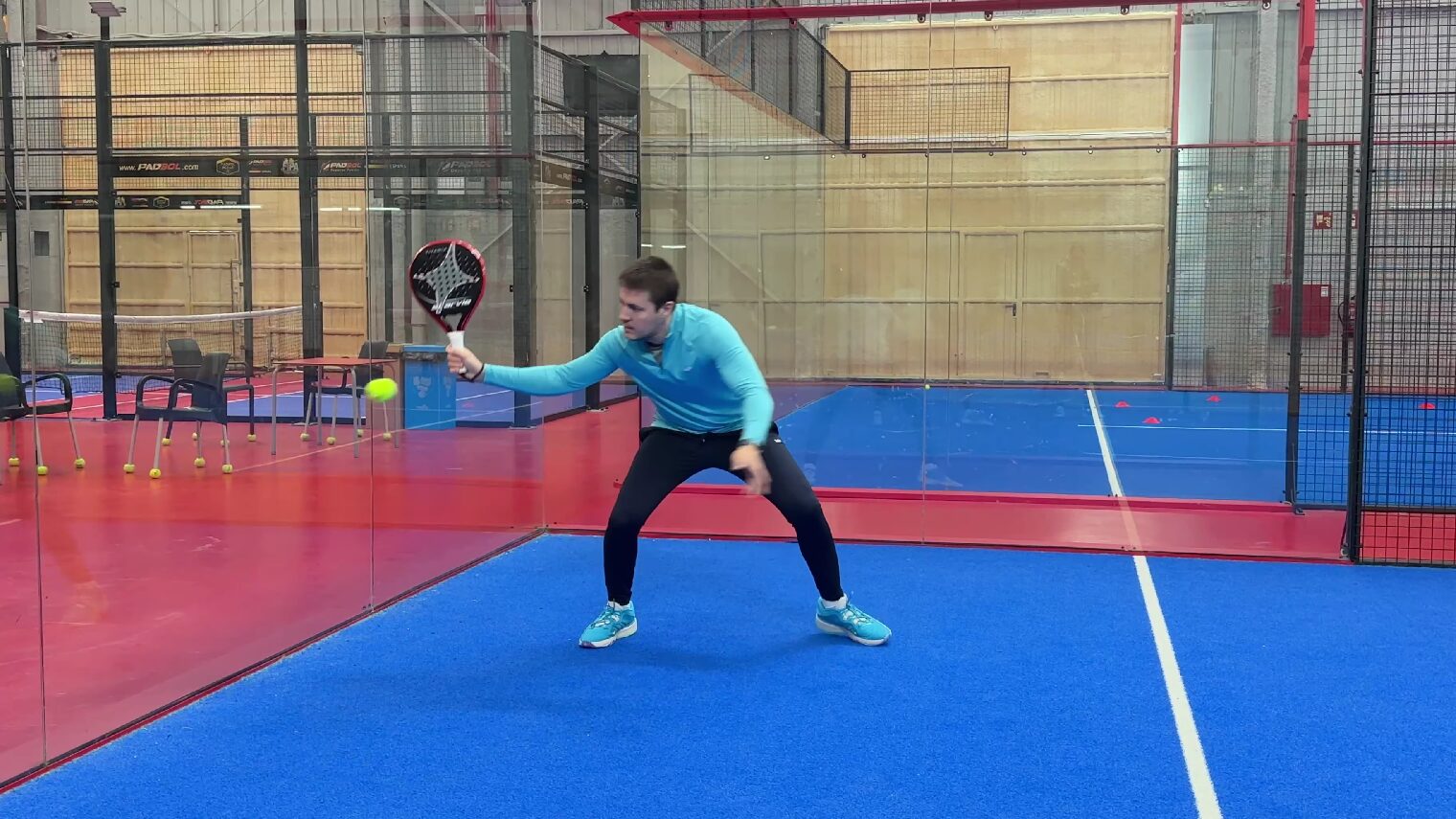 At the heart of padel – Episode 23: defend the window well
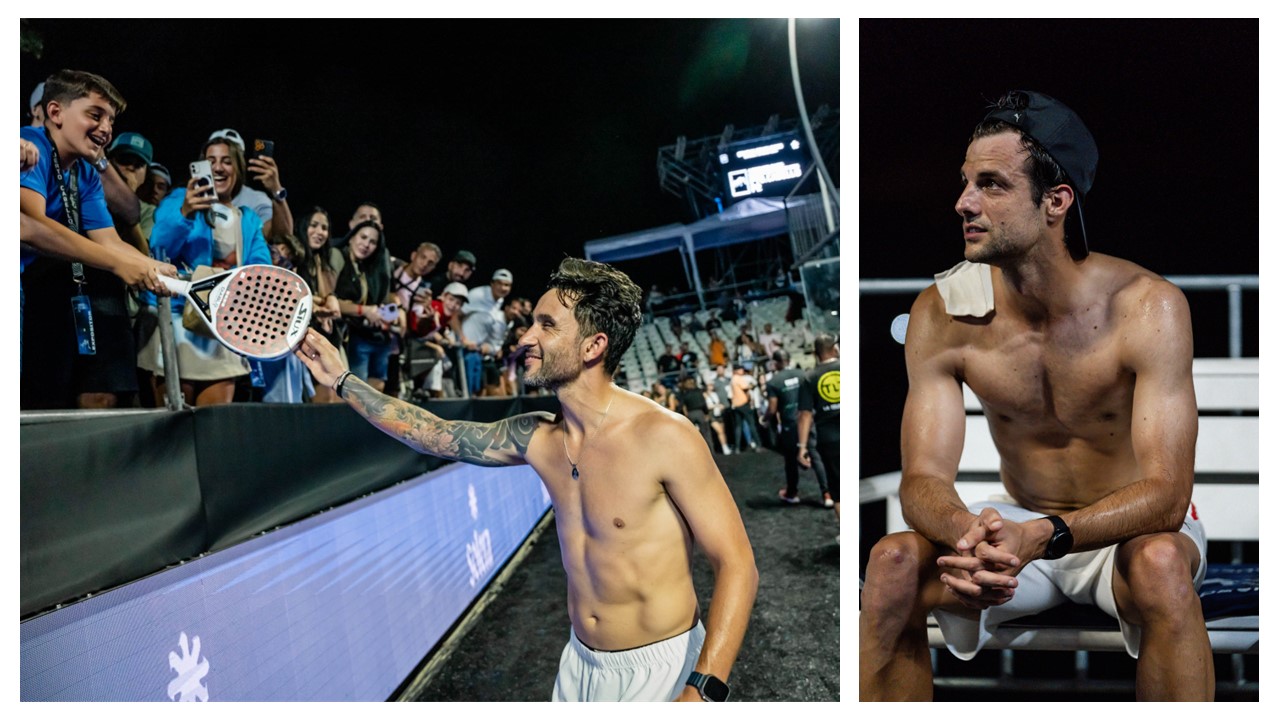 Prohibition on playing topless Padel : the reasons
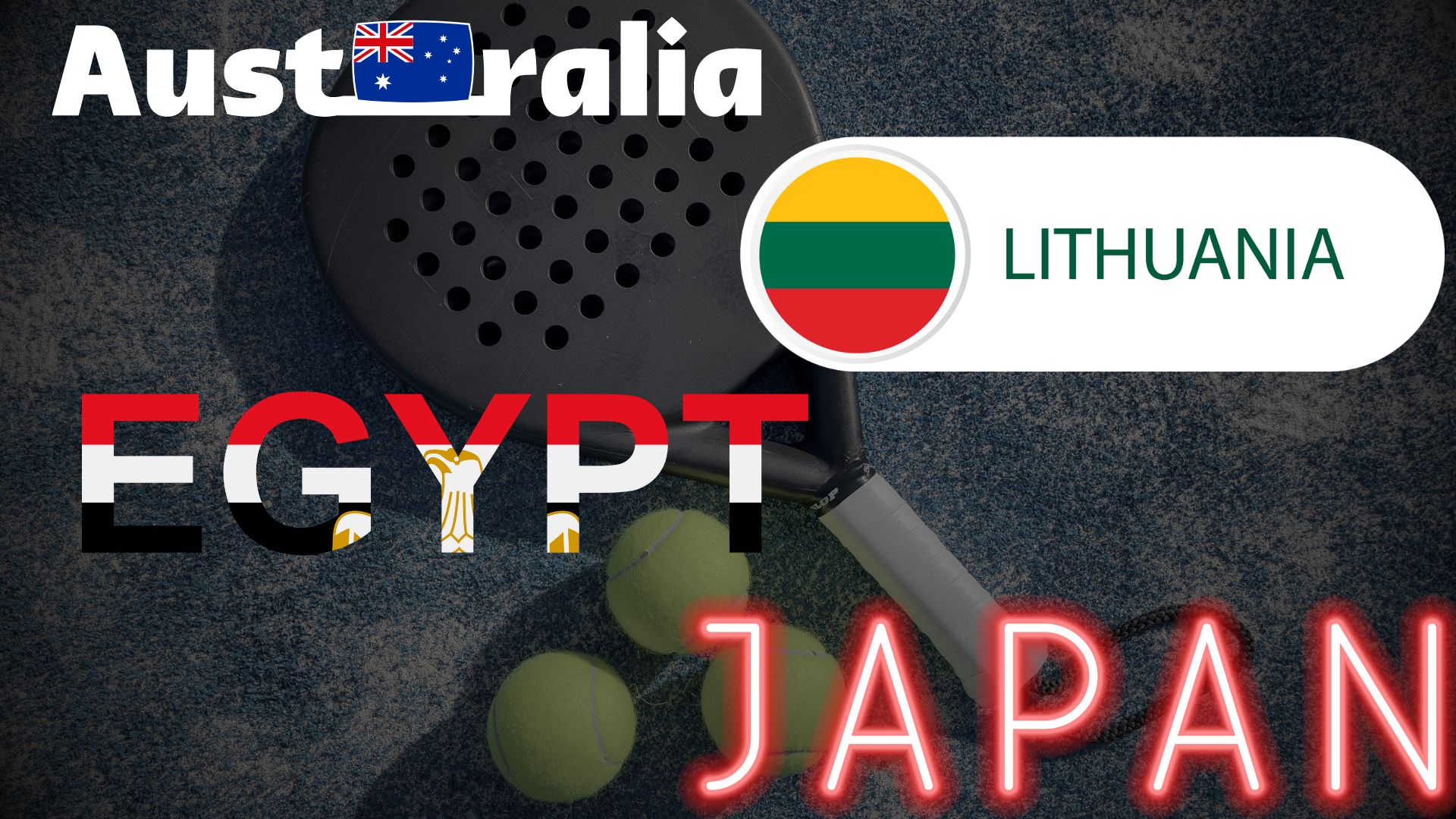 FIP Tour – Going far from Europe, THE strategy to earn points!
 What is a good football player? padel ?
 “Lefties give me headaches when I play against them!”
 At the heart of padel – Episode 14: how to earn points in winter?
 The basic tactics of padel
 A par 4 is always a winner...even if you manage to defend it!
 Carbon fiber VS fiberglass: what to choose?
 How to effectively test a racket padel ?
 La padel to fight Parkinson's disease
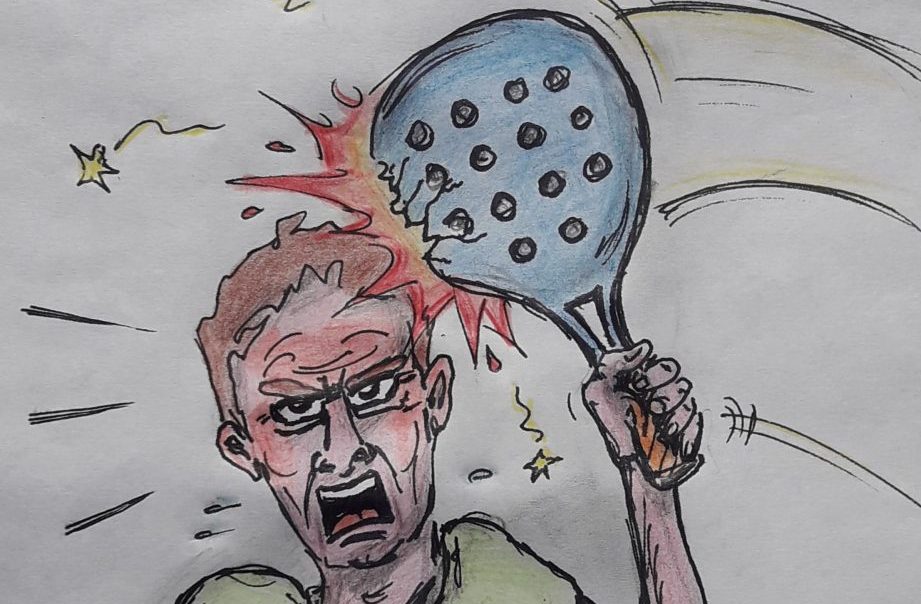 Don't play with a cracked or broken racket, your body will thank you!
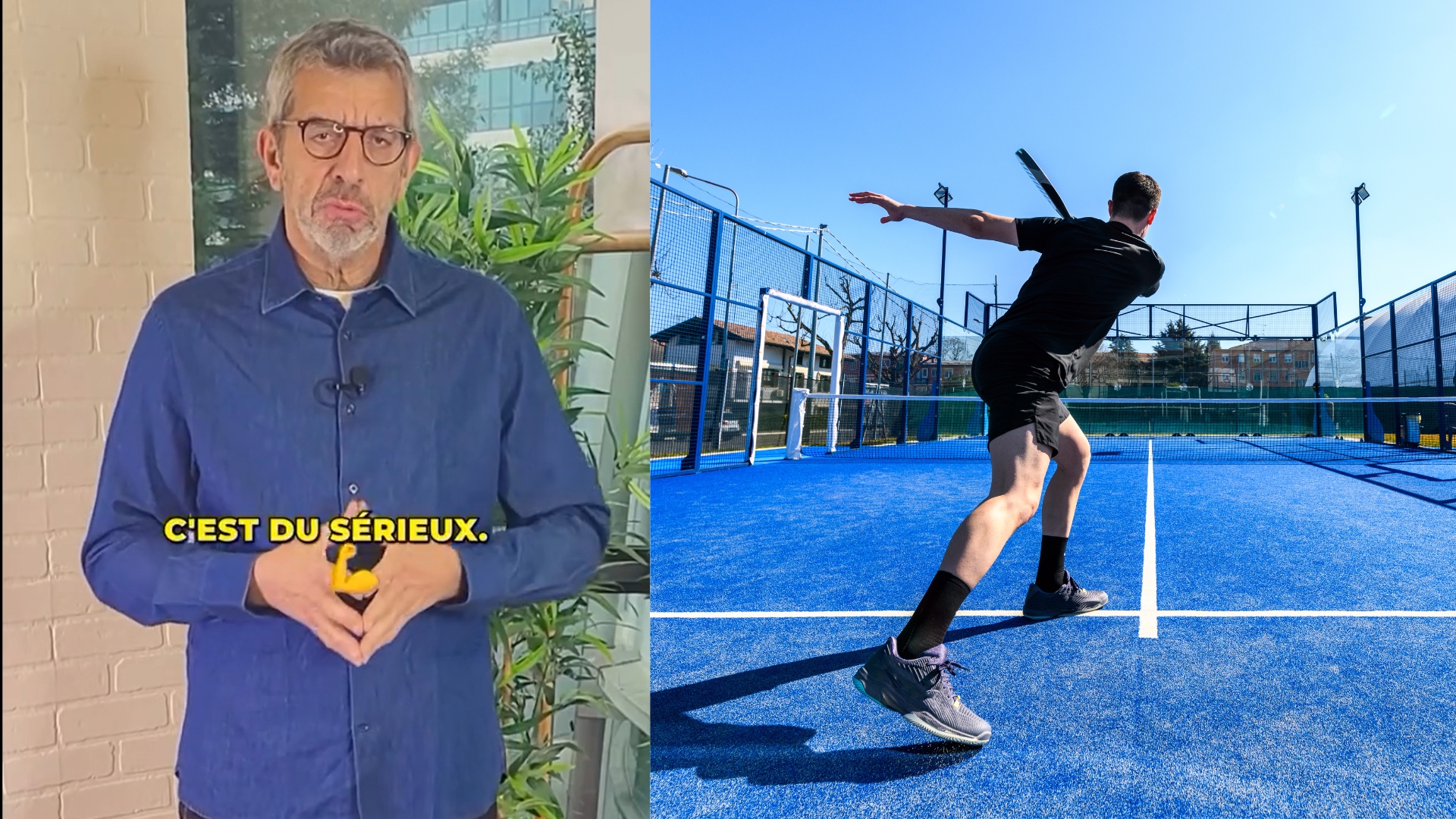 Michel Cymes: “The padel, physically, it’s serious!”
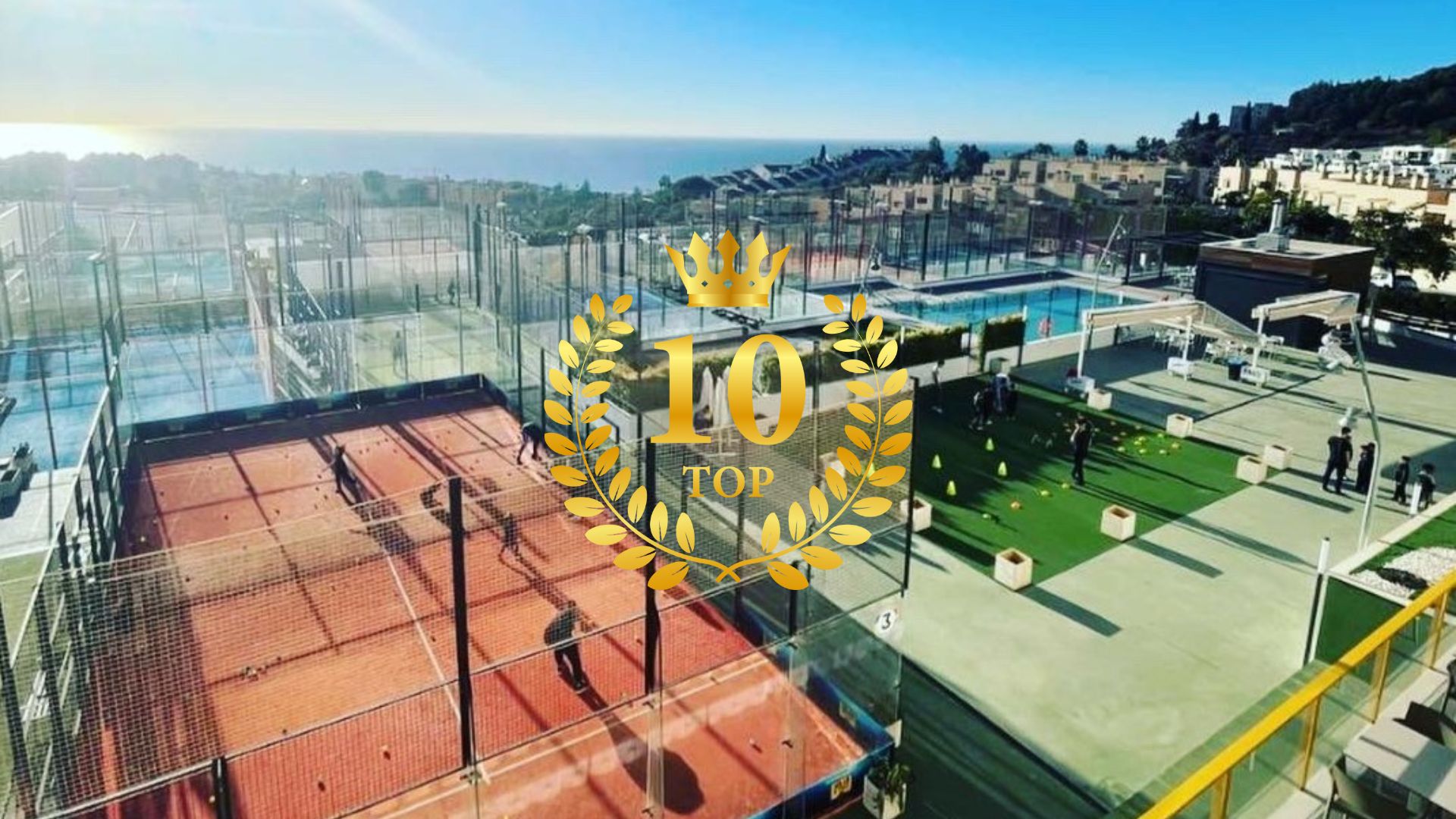 Our Top 10 training courses padel in France and Europe
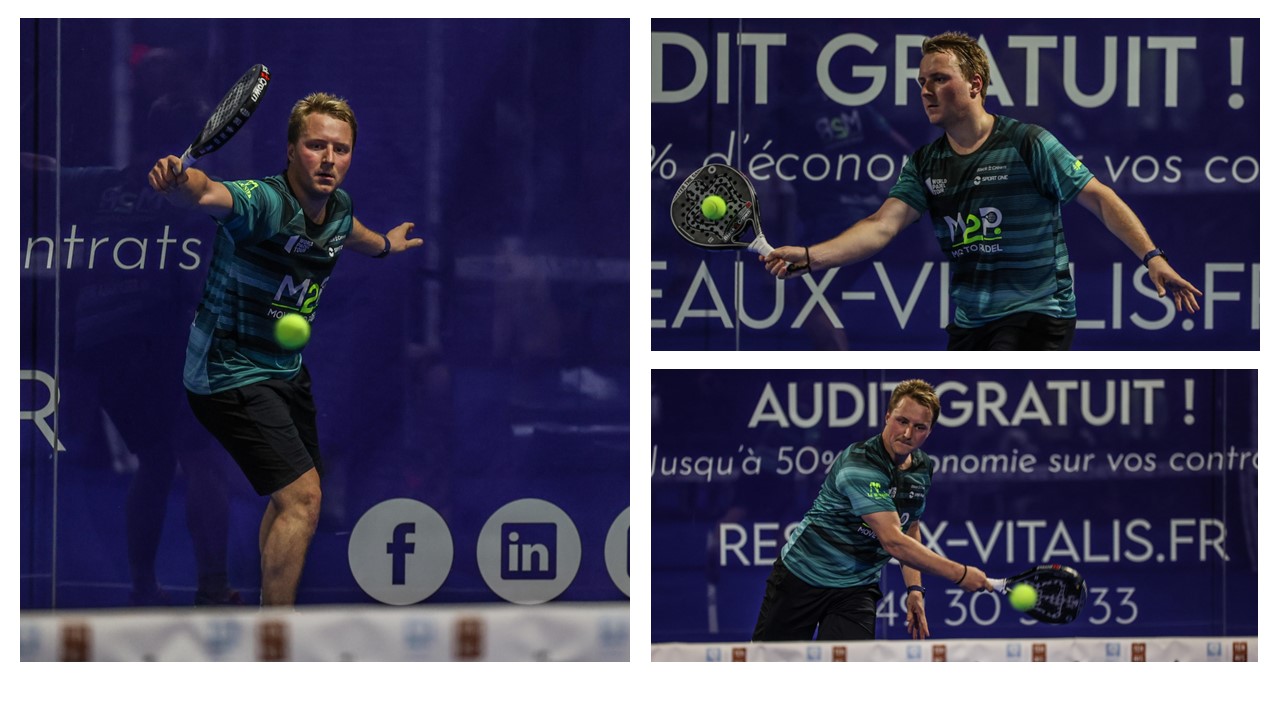 Jeremy Gala: “Promote the padel among young people in Belgium remains a challenge”
 The French Touch Academy organizes its selection day Padel-Study
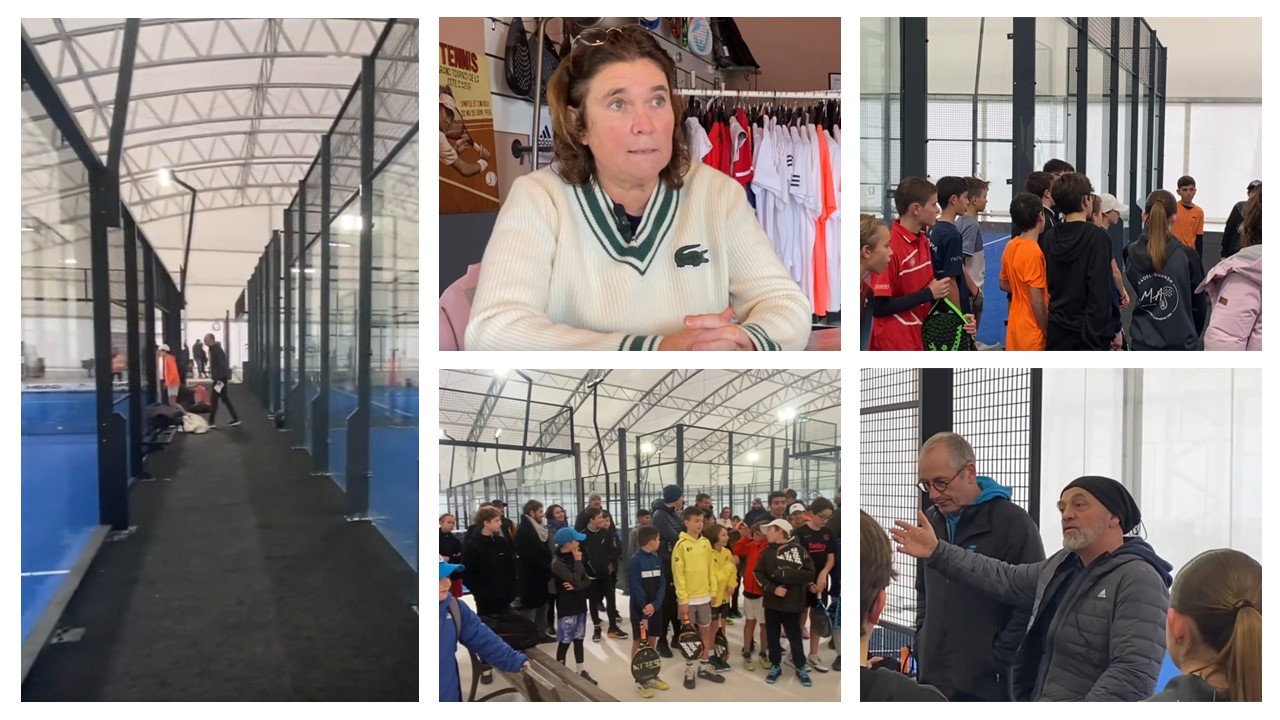 Report on the detection and training of younger generations