












Our national study of 645 players padel in France allowed us to deepen our knowledge of the practice of this sport in our country. We described the socio-demographic, anthropometric data and the profile of French players through a first article. We will now focus on the practice habits of padel French players.
Practice methods and types of terrain
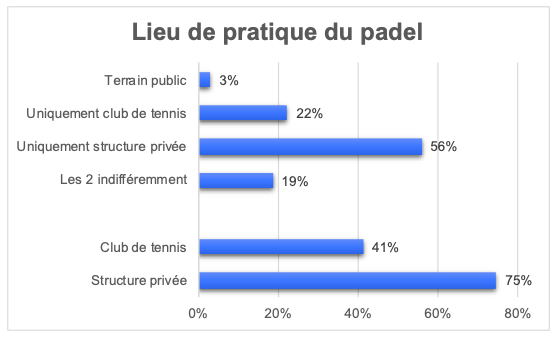
In our study sample, the practice is preferentially done in private structures (75%) and much less in tennis clubs. Players play exclusively in private clubs in more than half of cases compared to only 22% only in tennis clubs. A minority prefer public land (association, departmental or leisure park).
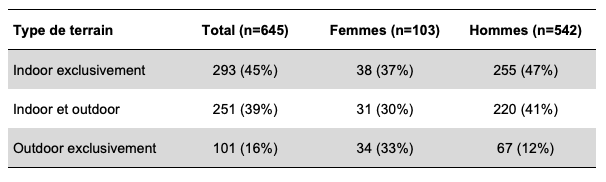
45% say they play only indoors compared to only 16% exclusively outdoors, while 39% play both indoors and outdoors. Women only practice outdoors more often (33%) compared to men (12%) (p<0,001).
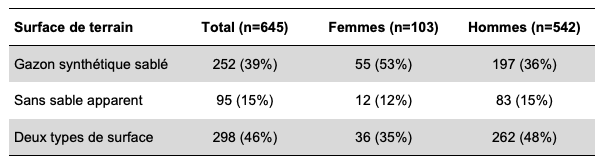
The preferred playing surface is sanded synthetic turf (39%) but 46% of players play indifferently on both types of surface (with and without visible sand). We find a significant difference between the sexes on the preferred playing surface (p=0,005), the majority of women prefer a sanded surface while half of the men play on both types of surfaces.
Laterality and position on the field
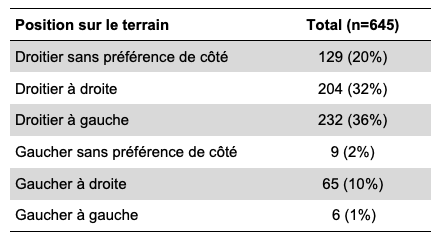
We find a predominance of right-handers at 88%, which is comparable to the distribution in the general population..
Regarding position on the pitch, almost 80% of players have a side preference, with no difference between the sexes.
- Among right-handers, 41% prefer to play on the left side of the field, compared to 36% on the right side and 23% with no side preference.
- Logically, left-handers largely prefer to play on the right side (80%).
Warming up before playing?
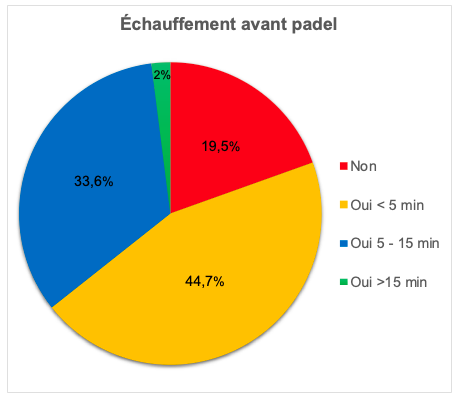
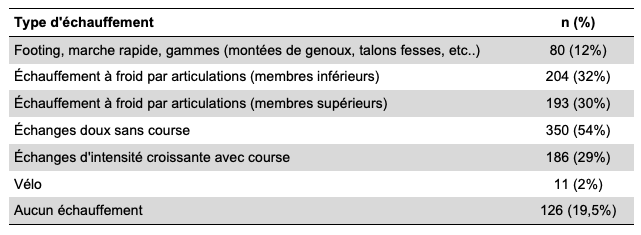
Before playing padel, 8 out of 10 players do warm-ups. Warm-ups are brief and last less than 5 minutes for 55% of them. In fact, 45% say they warm up for less than 5 minutes while a third of players warm up for between 5 and 15 minutes.
Only 12% of players warm up by running before using the racket.
A cold warm-up of the joints of the lower limbs is carried out by 32% of players and almost as many for the upper limbs. Gentle rallies without running are performed by more than half of the players while rallies of increasing intensity with running are practiced by 29% of the players.
In our study, a greater proportion of women did not do a warm-up (28%) compared to men (18%) without significant difference (p=0,13). The types of warm-up differ little, however..
Stretching after padel
After practice, 7 out of 10 players do not do any stretching (69%). A notable difference exists between the sexes (p=0,009), with women incorporating stretching more often (42%) than men (29%).
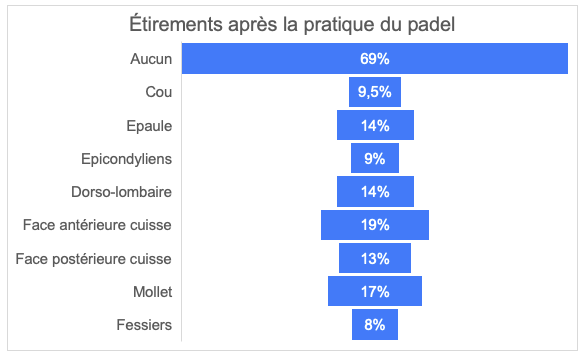
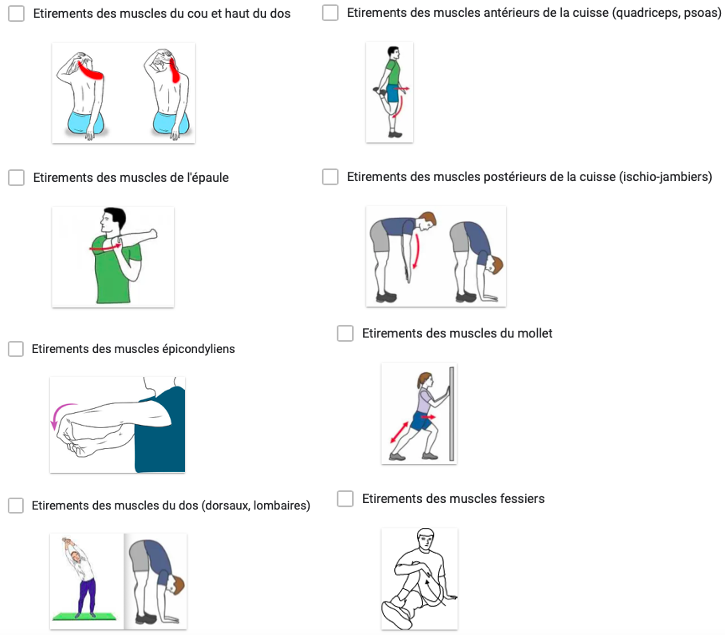
Among the stretches performed, those of the anterior surface of the thigh (quadriceps) predominate, followed by the calf muscles, then the lumbar and shoulder muscles and finally the hamstrings.
Almost three quarters of players are licensed by the FFT
72% of padel are licensed by the FFT, a third of which have a multi-racket license (created in 2023). This large percentage can be explained quite easily by the need to be licensed to participate in approved tournaments.

Passionate about football and tennis, I discovered the padel during my medical internship. Now a rehabilitation doctor specializing in sports medicine and traumatology, I share with you the detailed results of my national study on the epidemiology of sports injuries. padel in France.






















































 Market padel : the dangerous imbalance between supply and demand
 Bullpadel will provide the official rackets of Premier Padel jusqu'en 2026 !
 Sophie Douchet (Red Star Limoges): “Respond effectively to demand with a new complex”
 Padel armchair: France tickles Spain
 Joffrey Gilant: “In France, one in four rackets is purchased on Esprit Padel Shop!”
 Babolat : "The padel goes beyond badminton, Lebron’s pala makes Par 3s all by itself…”
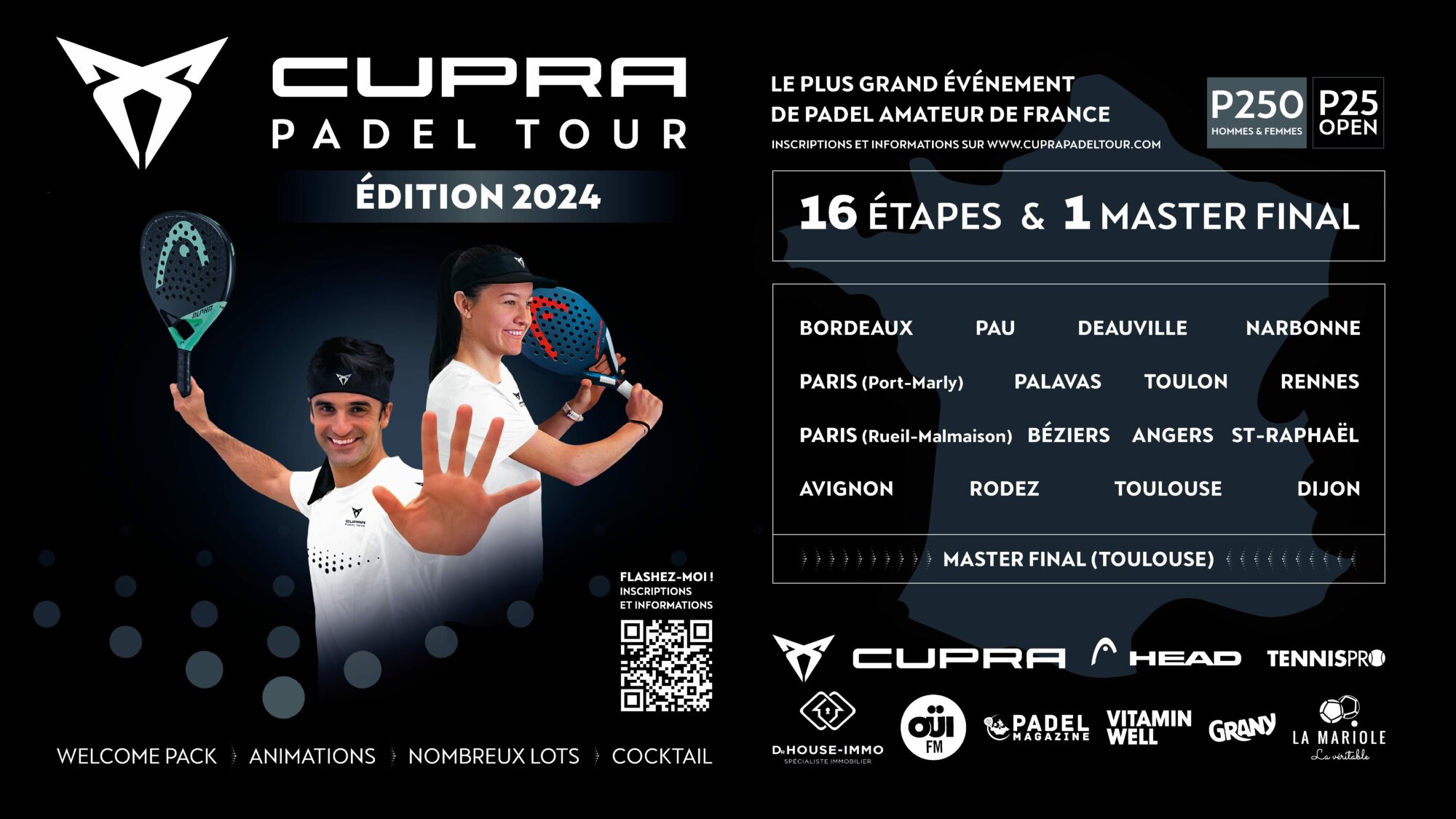 Launch of CUPRA PADEL 2024 TOUR
 Padelreference.com: the DNA and know-how of Padel touch
 Which players will be on the French women’s team in 2024?
 CICP 2024, already a great vintage
 Who to represent France at Europe 2024 for men? Mario Cordero's opinion
 Business plan padel : the 5 key points
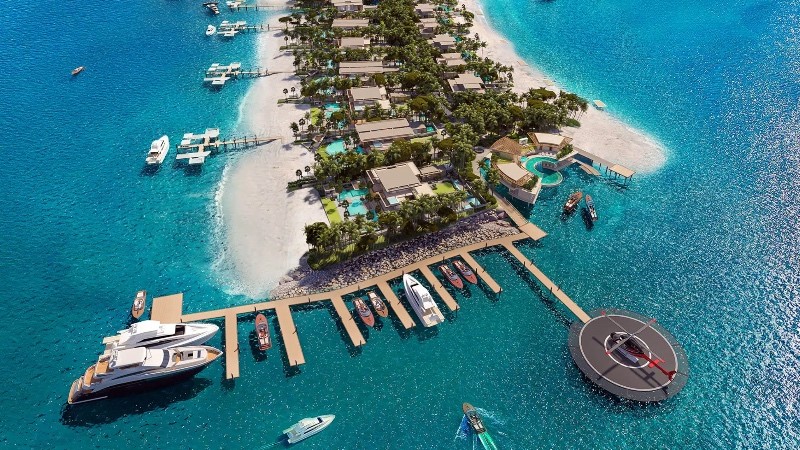 Ultra-luxurious residences with ski slopes padel floating in Dubai
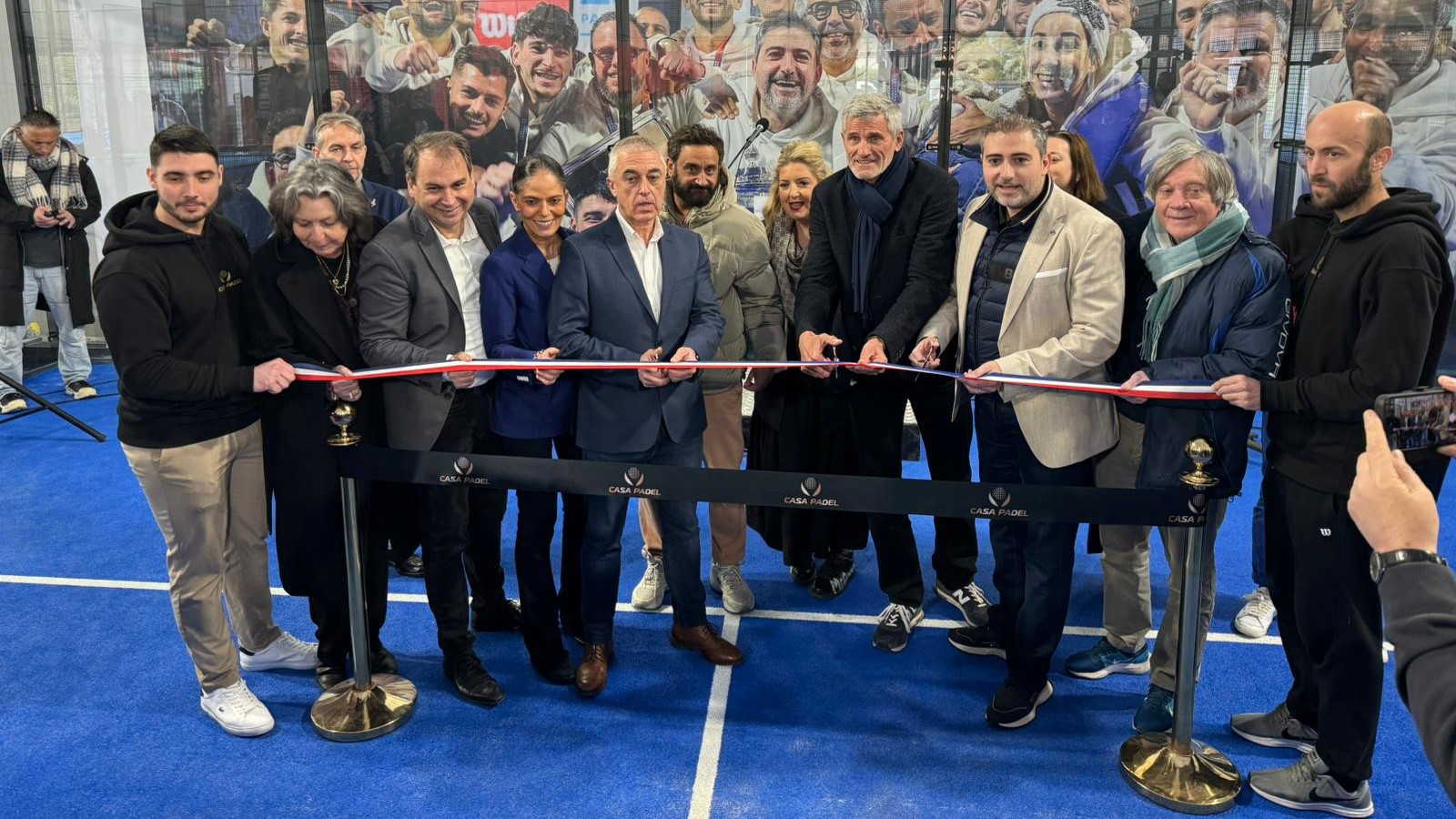 José Manuel Escin at the inauguration of Casa Padel DOS: “Finally, and thank you!”
 Padel Score comes to Tahiti for American Express Padel Cup!
 At the heart of padel – Episode 26: the keys to chiquita
 Brussels Premier Padel P2 – the final in stats
 Find out everything about the dimensions of a plot of land padel
 Presentation of the Wilson Bela V2.5 collection
 What is the “molinete”, Ale Galan’s favorite move?
 At the heart of padel – Episode 26: the keys to chiquita
 At the heart of padel – Episode 24: Paul Daulan shares the evolution of his bandeja
 FIP Tour – Going far from Europe, THE strategy to earn points!
 What is a good football player? padel ?
 “Lefties give me headaches when I play against them!”
 At the heart of padel – Episode 14: how to earn points in winter?
 The basic tactics of padel
 A par 4 is always a winner...even if you manage to defend it!
 Carbon fiber VS fiberglass: what to choose?
 How to effectively test a racket padel ?
 La padel to fight Parkinson's disease
 Prohibition on playing topless Padel : the reasons
 Don't play with a cracked or broken racket, your body will thank you!
 Michel Cymes: “The padel, physically, it’s serious!”
 Our Top 10 training courses padel in France and Europe
 Jeremy Gala: “Promote the padel among young people in Belgium remains a challenge”
 The French Touch Academy organizes its selection day Padel-Study
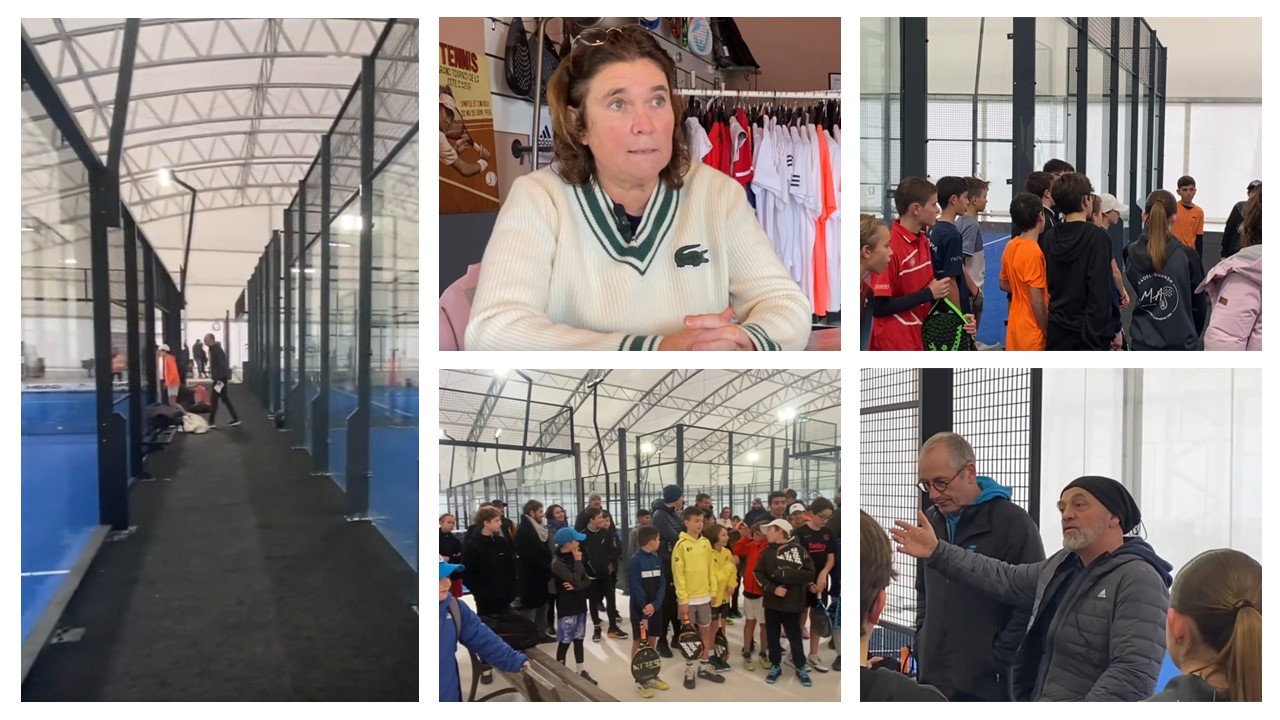 Report on the detection and training of younger generations