









The Netherlands, a country in the making in terms of padel. During the European Championships in Rome, it was a young, dynamic and smiling team that we were able to meet. But behind all this is one person: Norberto Nessi.
Padel Magazine : "Norberto Nesi hello."
Norberto Nesi: "Hello and thank you for receiving me."
PM: “What is your role in Dutch padel?”
NN: “I am the president, the founder of the Dutch Padel Federation and today coach of the team present at the European Championships.”
PM: " We know that your country has introduced another team in Lisbon. The team present in Rome is the 2 team? "
NN: “The team we presented here in Rome is not a 2 team but a team that has a great future in padel. That was our wish. It was a perfect opportunity to present a team that is discovering international competitions, that is learning and that will be ready in 4 years for the World Championships.”
PM: “How did the history of padel begin in the Netherlands?”
NN: “It all started in 2006. There were 2 courts in 2 clubs with people who tried to develop padel without success. I, of Argentinian origin, arrived in this country thanks to my wife in 2004. I had a job but I didn't feel comfortable. One day, my wife showed me a newspaper article and said: “Look, they built a padel court, isn't that the sport you played when you were young in Argentina? Go ahead. Go see what they offer.”
I went there, introduced myself and was told that it was 2 months that the grounds were built but nobody knew how to animate and organize the activity, which created tension. I volunteered to try something. I brought my brother-in-law, then some friends, and we started to show them the sport. Those who loved (all) talked about it to their friends, and then to the friends of their friends who wanted to learn the sport.
The same thing happened in the other club. Then a municipality wanted to build land. We put in place the whole process and started the explanations again. Then another club, then another, we were at 5 clubs and that's when we started asking questions.
About 50 players in all, it was necessary to create tournaments. Then a circuit even if we were few, it was necessary to speak about it. 5 tournaments with a master. The one who won became champion.
This is the story of the beginnings of padel in the Netherlands between 2006 and 2010.
For the next five years, padel stagnated slightly with the creation of an additional club. We thought that the story would end there. Then, an idea: we will organize in the only indoor club with 4 courts that we have, the European Championships. That's when it exploded. Journalists were interested in this country with only 6 clubs, members of the FIP, which launched into the organization of such a big event.
We had the visit of major national media, investors and obviously new players.
Today we have 150 clubs, more than 15 000 regular players, and we plan to reach the 500 clubs by 5 years. "
PM: " Today we can say that it is a success with 2 male and female selections? "
NN: “For us, the national teams have never been a goal. We never wanted to become champions of an international tournament, maybe one day. For us, the national teams are a perfect instrument for the national development of the sport. Taking players out of a country to participate in this type of event is an opportunity to educate them. It would be like offering them a week in the university of padel.
During this week, the players learn a lot about padel, technique, tactics, they increase their contact list and leave with an even greater desire to play and transmit padel. When they return to their respective clubs, they find themselves with a bag full of knowledge, contacts and energy. All this makes them contaminate it, and the clubs grow.
I realized all of this and that is why, although we are a small country, we have a comprehensive national breeding program. Men, women, veterans, and this year the miners. "
PM: "Is there a training program?"
NN: “We have a coach training program. But what really interests us today is to keep padel alive. The veterans are the parents of the minors, the players of the national teams work or have their own club, and some have even invested financially in padel. This synergy that we have created, we must continue to keep it alive, always with this good atmosphere and this desire to move forward.”
PM: "Speaking of good atmosphere, it is true that we have seen the Dutch always in a good mood, singing and with a smile. What is it due? "
NN: “I am Argentinian, and we are a people who live with passion everything we undertake. In the Netherlands it is different, they are colder. My job is to bring that Hispanic side to Dutch padel, which, in the end, pleases the players of this country. Our goal is to bring fun, it is not easy when padel is packaged with other racket sports.
I ask players at international events, bring flags, portable speakers and prepare songs. Often it is me who initiates the hostilities but at the end of 2 hours they are at ease and do everything themselves. Maybe we will never be world champions, but we will be the first in a good mood. "
PM: " On these European Championships you leave with what memories? "
NN: "For me, the most important thing is that players leave with as much knowledge as possible. We know that we do not have the level yet to fight against France or Italy. But during these games, our players can compete against players they are not used to playing. And that's a victory. "
PM: "A word for the end?"
NN: “I invite you all to know padel or simply continue playing it. It is a great sport that brings pleasure to everyone and deserves to grow. It is a lifestyle that makes people better.”

Julien Bondia is a padel teacher in Tenerife (Spain). Columnist and advisor, he helps you play better through his tutorials and articles on padel tactics/techniques.











































 From the A1 to the final four in Dubai: three very different trajectories
 Dubai P1 – Where to watch the finals live? TV schedule, fixtures and times
 Dubai P1 – Triay and Brea can thank Josemaría/González: a semi-final in Mexico Major to end the year as world number 1
 FIP Silver Côme – Boronad / Robert stopped in the quarter-finals by the 3rd seed
 "We're not a tournament club": the gamble taken by the two Henry sisters who are hosting a P3000 at The Break Padel Club
 Gonzalo Alfonso on his split with Tolito Aguirre: "It was painful, sad"
 2026 World Championships – Ustero in tears, Triay facing Brea: the world champions' confessions
 Paquito Navarro: "This is probably my last match with Spain."
 JAP1, JAP2: How to become a padel referee and what are the prospects?
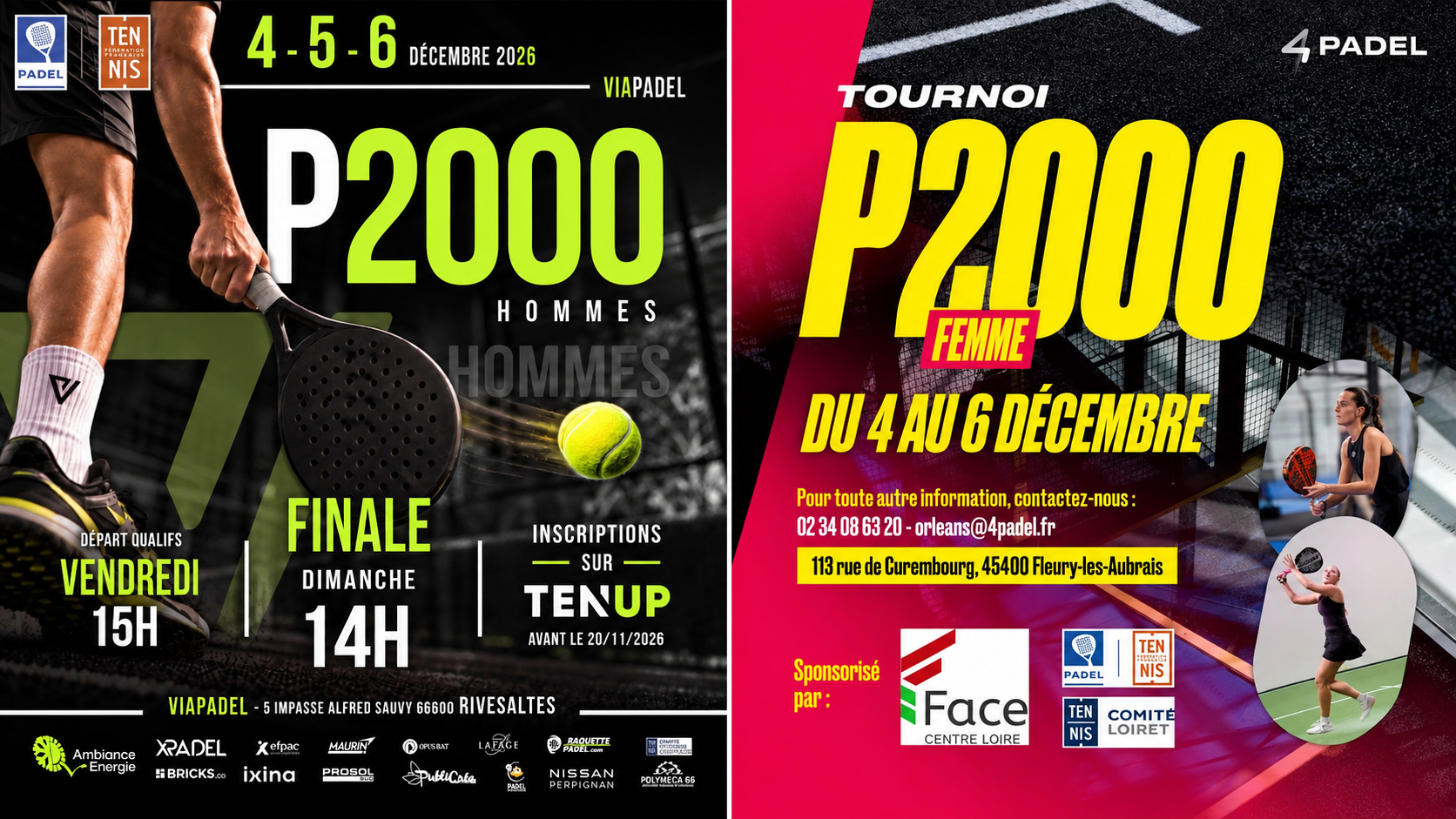 P2000: Scatena / Sescun, Courrin / Basso, Mansart / Bognard… the first pairs entered for the December events
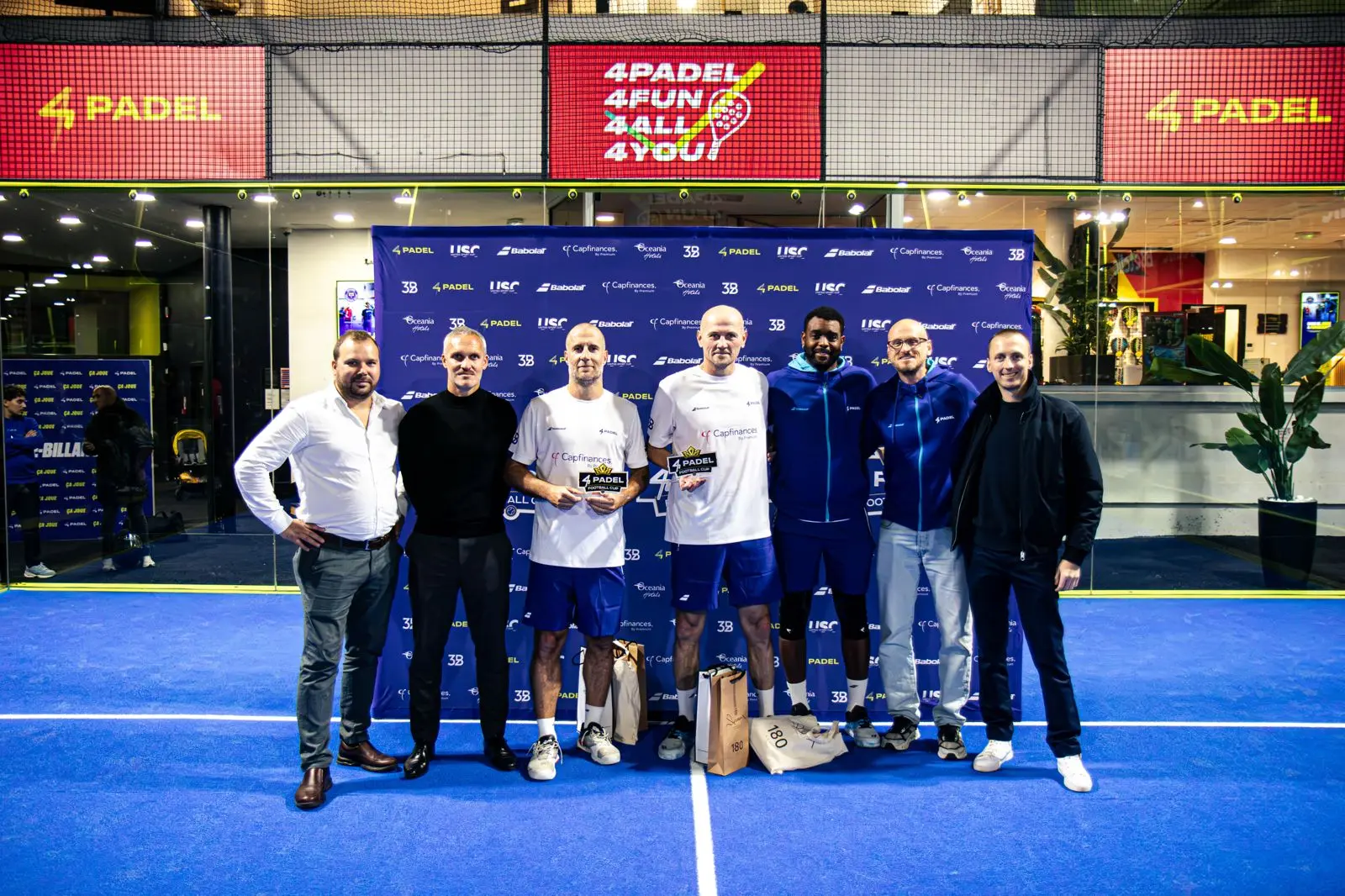 4PADEL Football Cup: Lille kicks off season 2 with a victory for Cheyrou/Cygan against Mandanda/Danic
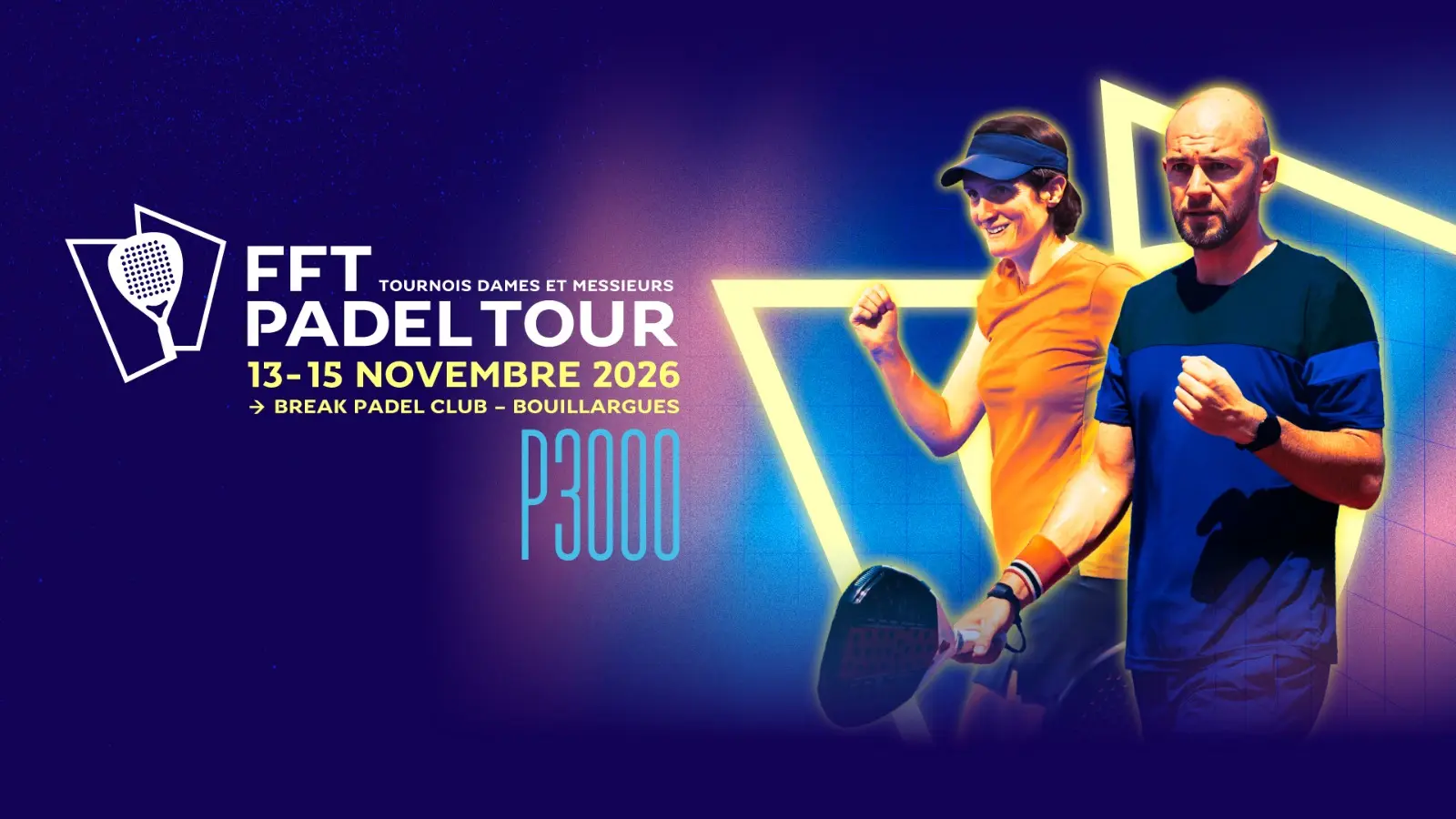 P3000 Bouillargues – Results / Live / Schedule
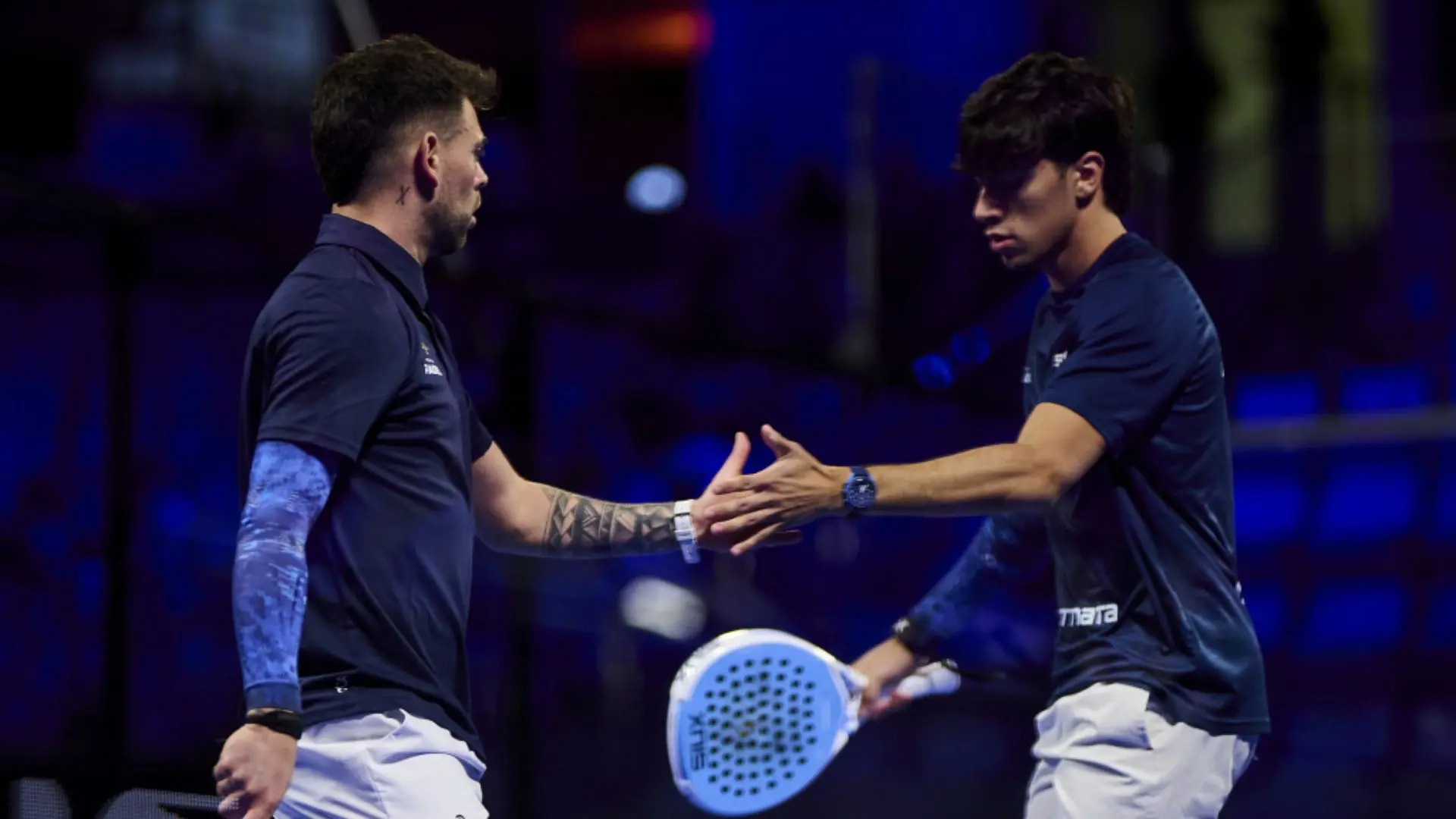 Dubai P1 – Libaak and Alfonso solid against Garrido / De Pascual to secure their first final on Premier Padel and reignite the race to the Finals
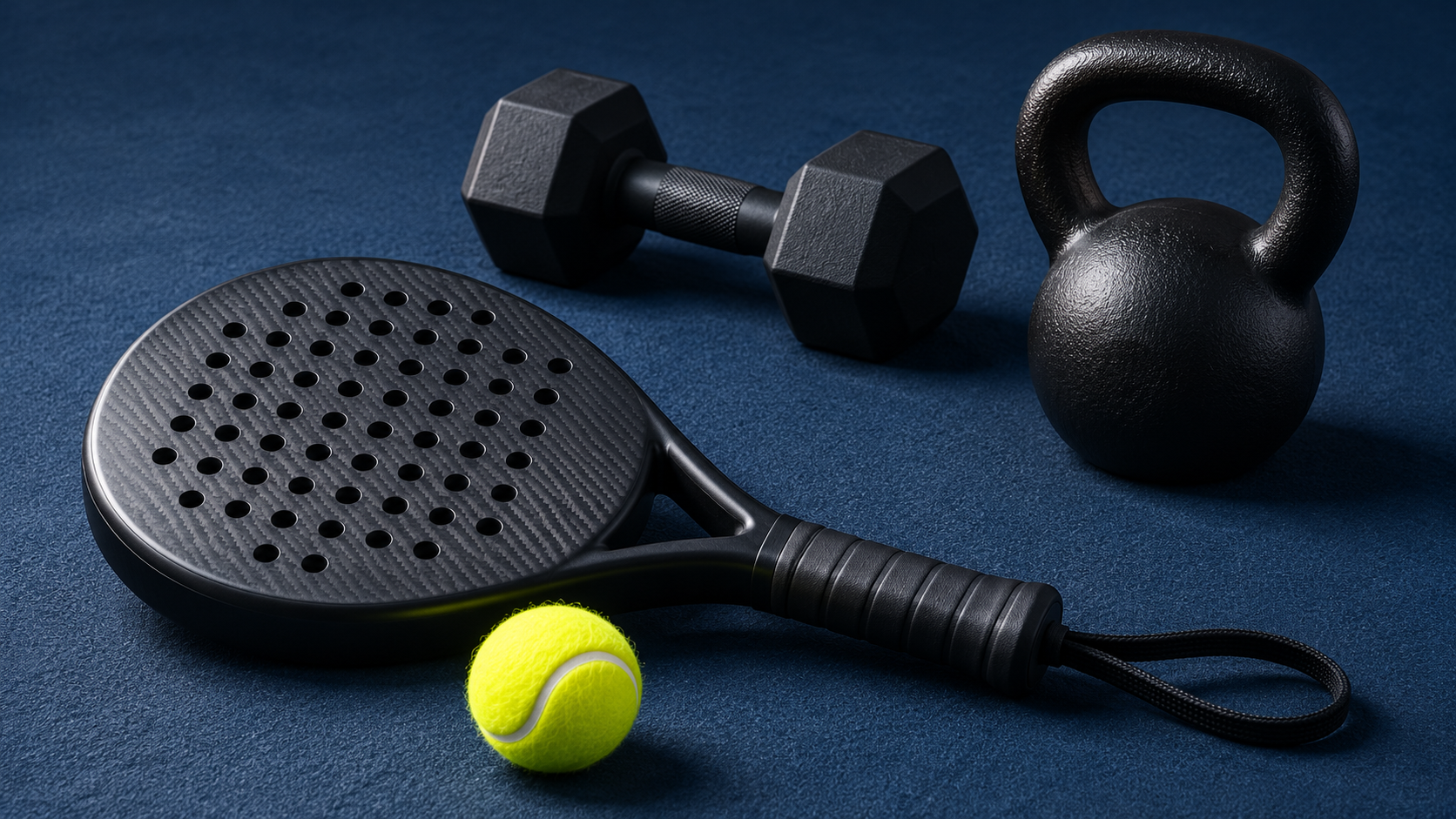 Padel, weight training, and even HYROX: clubs are changing their model
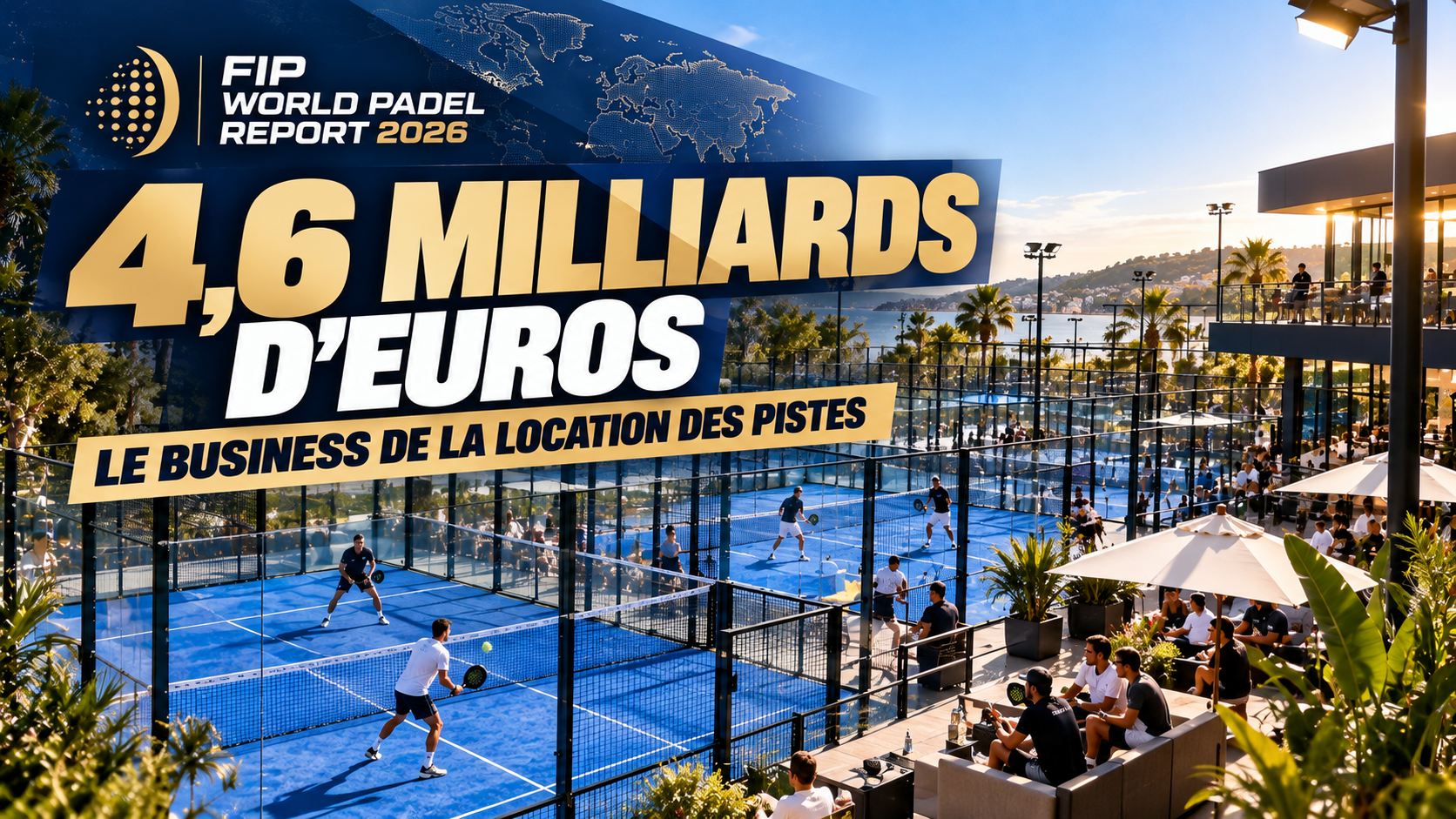 Padel court rentals: a global market estimated at 4,6 billion euros
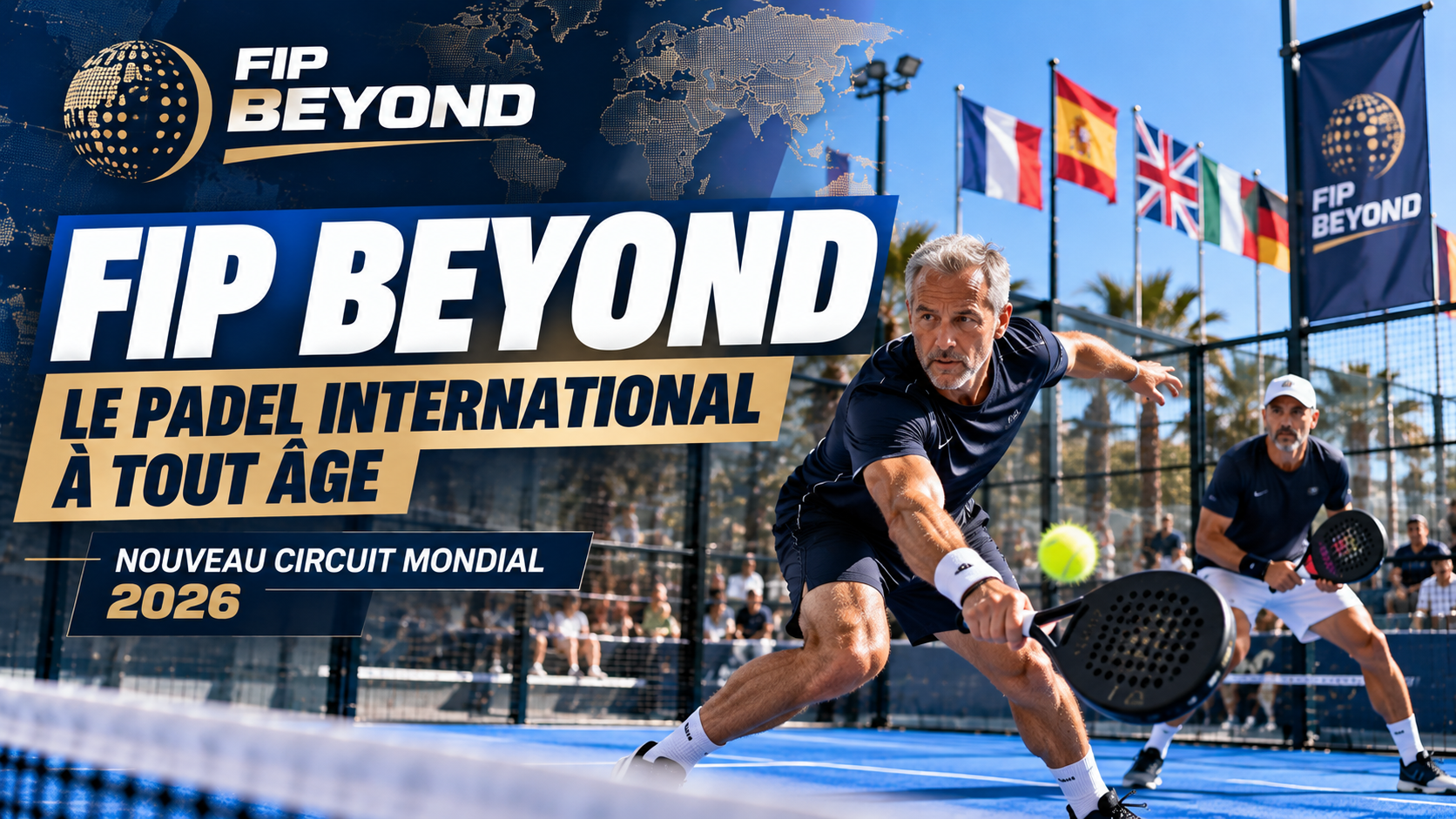 FIP Beyond: the new global padel circuit for amateurs and seniors
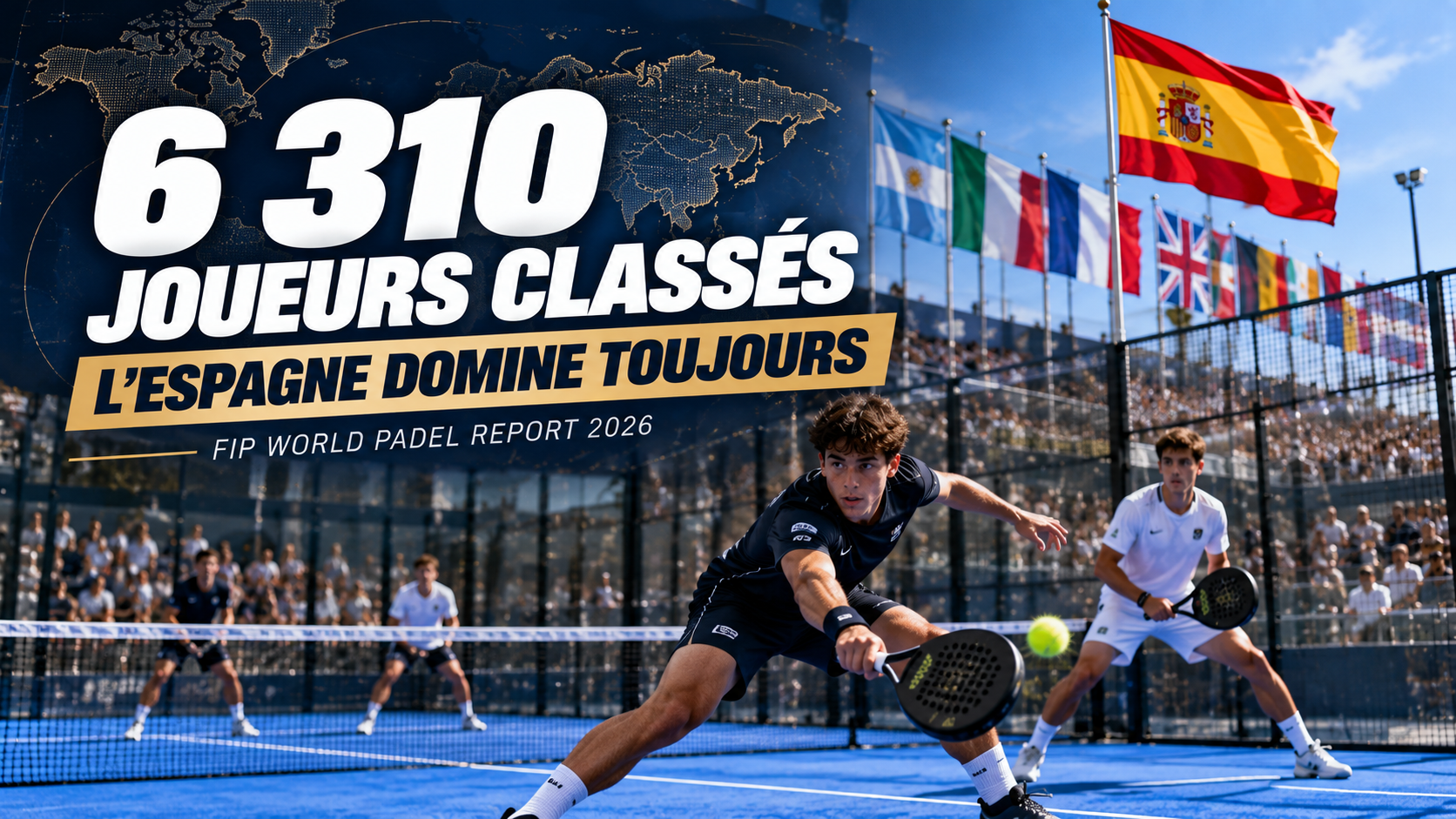 More than 6,300 FIP-ranked players: professional padel is becoming international, but Spain dominates
 OSS Barcelona – Why Spain and France aren't yet playing in the same league
 Cancer and rehabilitation: could padel become a therapeutic tool?
 Padel injuries: ankle, knee, elbow, eye… what the latest figures reveal
 Shocking turn of events at Dubai P1: Coello and Tapia have also withdrawn!
 Padel serve: a good serve is especially good preparation for the third shot.
 What the analysis of the stroke reveals: tennis forehand vs. padel bandeja
 Has the bandeja disappeared from modern padel?
 Flat forehand in padel: 5 exercises from Cristian Álvarez to gain control and efficiency
 Why can Libaak/Alfonso beat almost everyone… except Coello/Tapia?
 Tapia reveals his recipe for beating Coello / Tapia: "I would bet everything on myself"
 How Coello defused Chingotto's game plan
 In padel, does the chemistry between a pair count as much as individual skill?
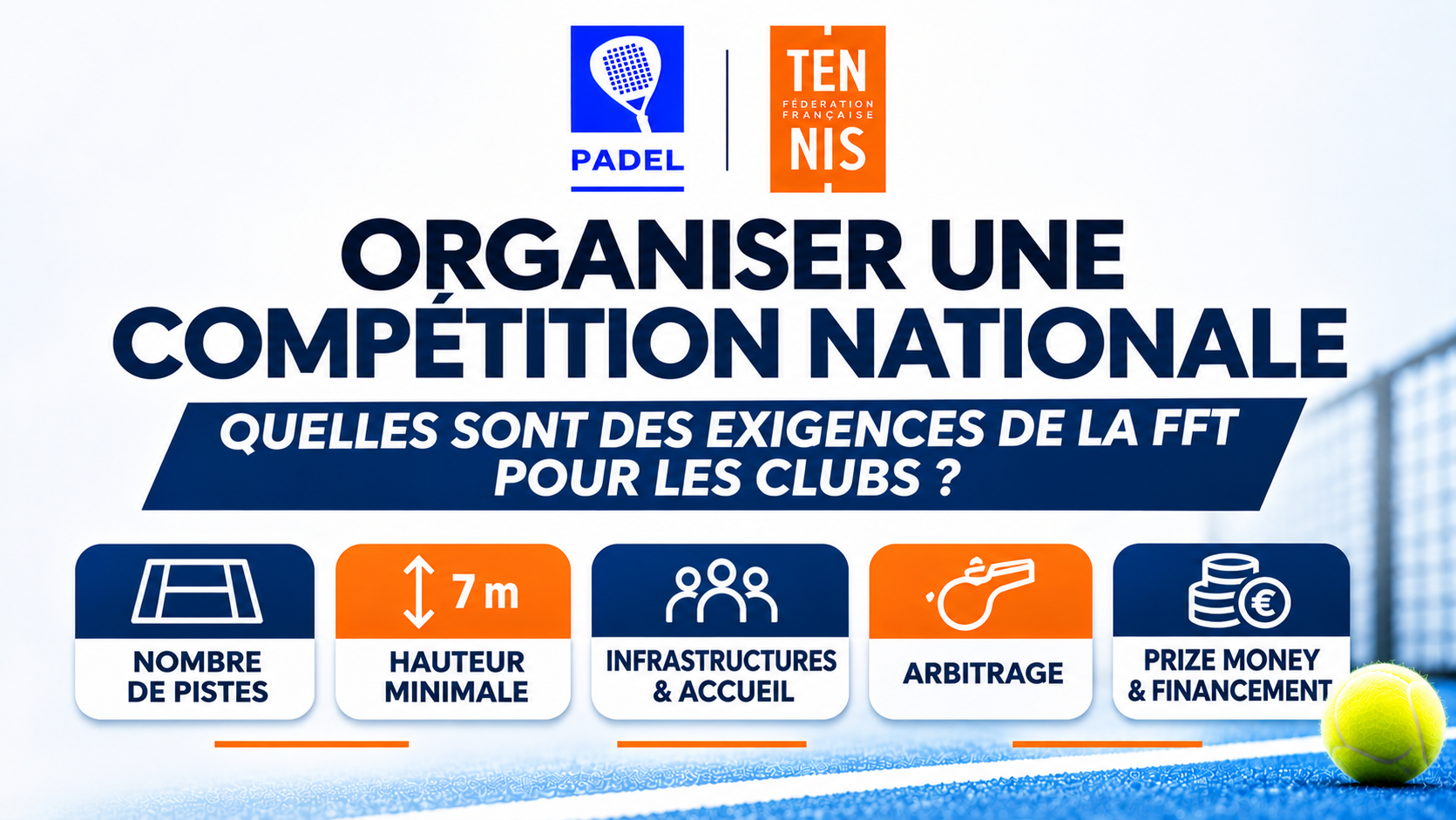 Organising a national padel competition: what are the FFT's requirements for clubs?
 Organising a P2000 or a P3000: how much does it really cost clubs?
 P2000 or P3000: what are the differences in prize money, format and organization in 2028?
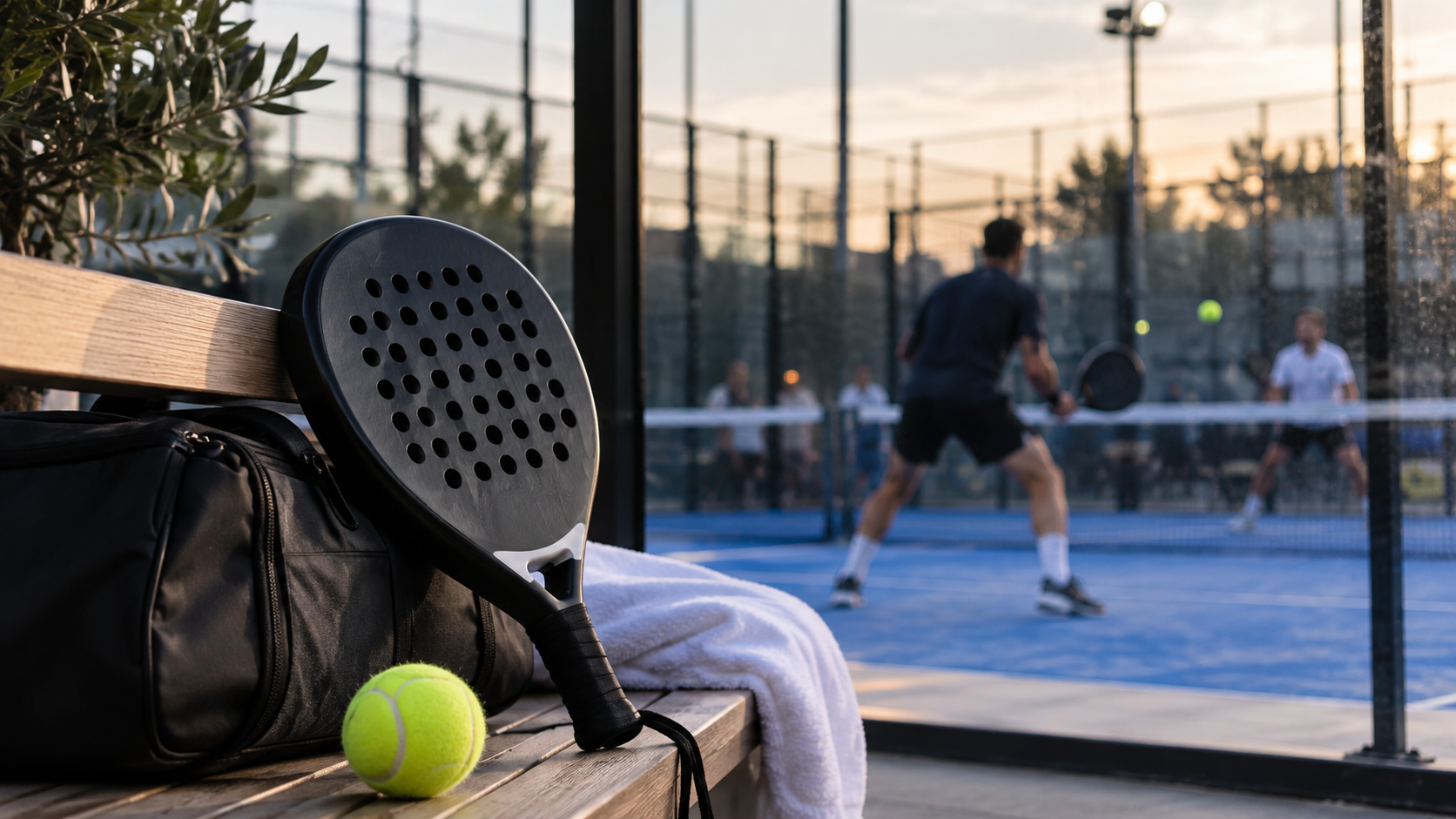 Do you lose your ranking? Padel FFT after more than a year without a license / without competition?
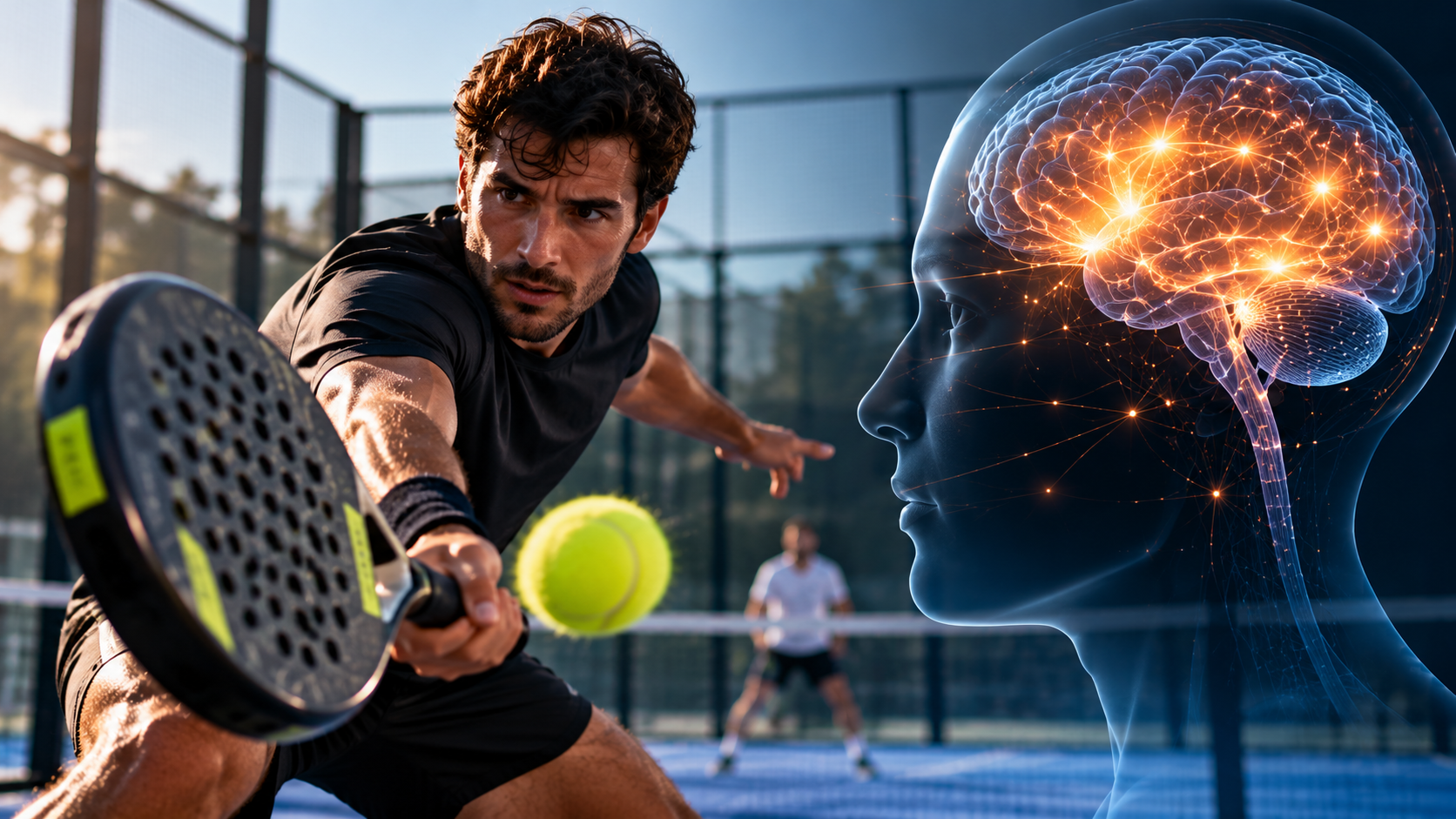 Memory, reflexes, concentration: what happens in our brain when we play padel?
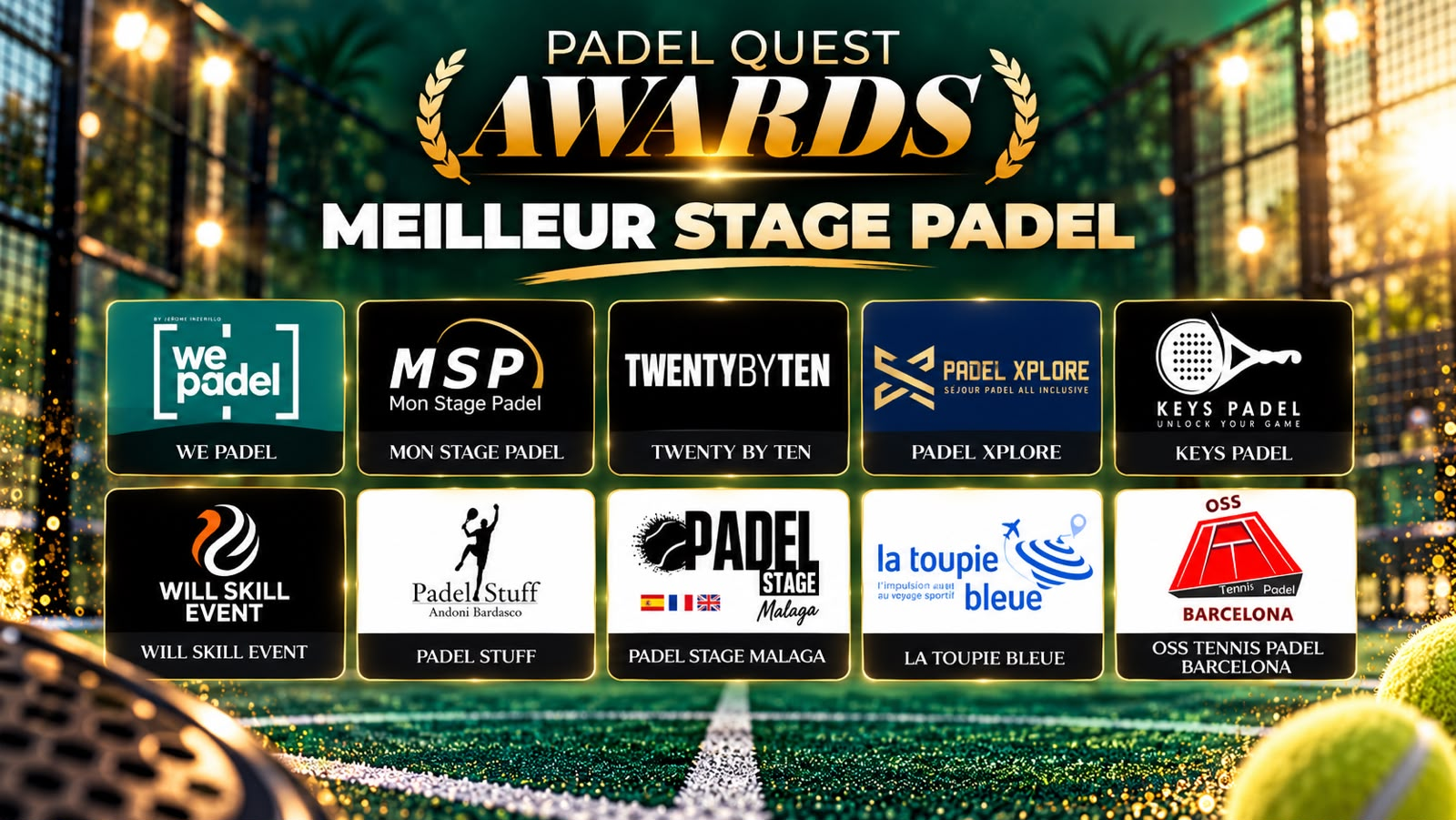 Padel Quest Awards: Ten specialists in the running for the title of best padel training camp of the year
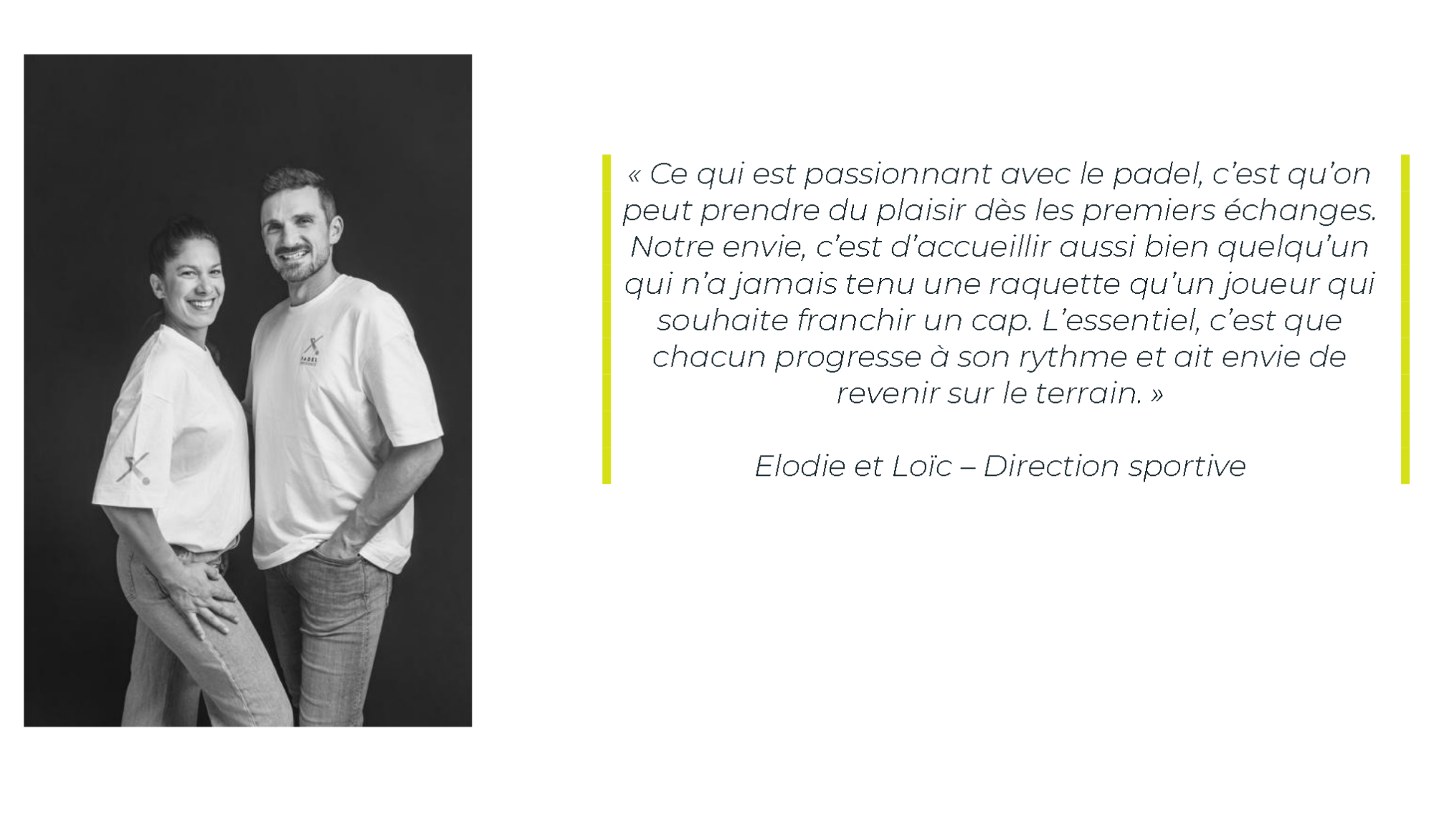 Padel Xperience: The Academy opens on November 2nd in Marcheprime, ahead of the complex's inauguration in 2027
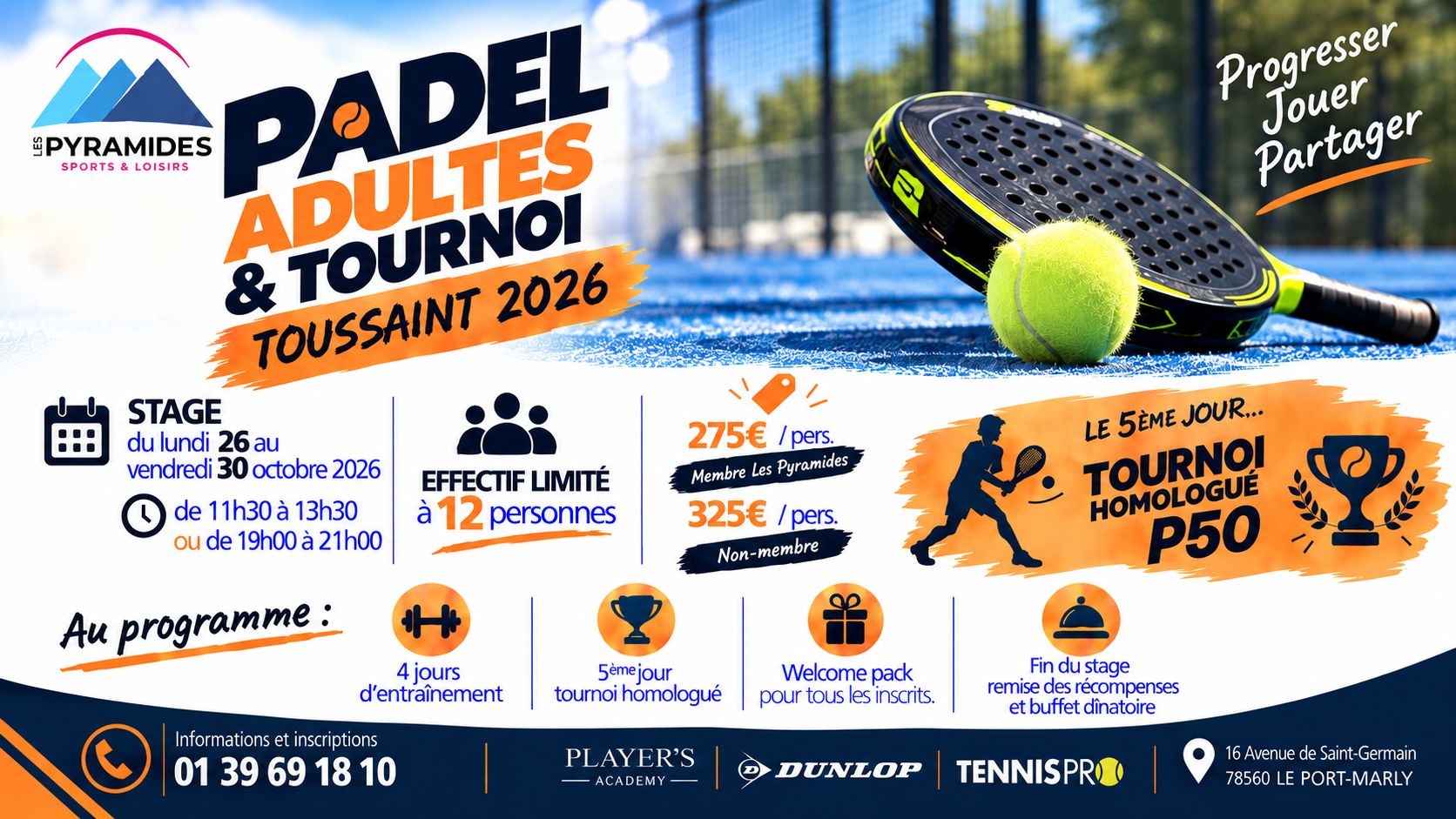 All Saints' Day – Les Pyramides are organizing a padel training camp for adults with a P50 tournament to close out the week