

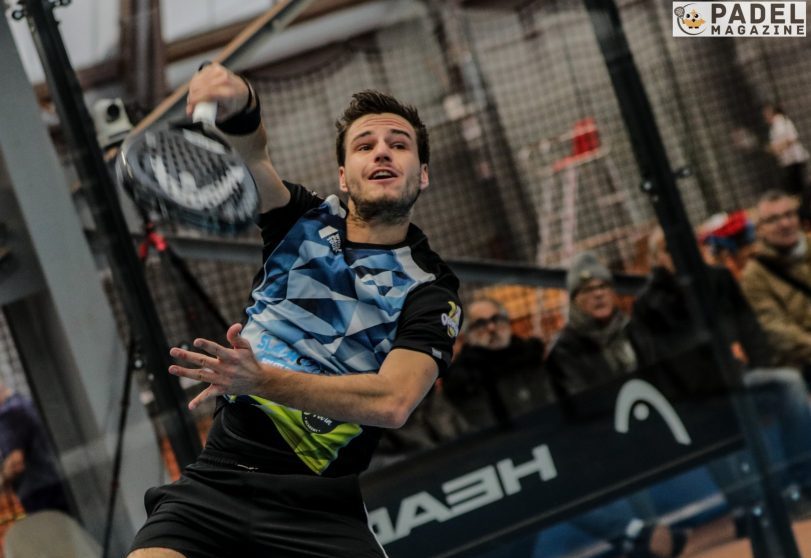











A few days ago we gave you the advantages of a smash on the grid. As promised we come back to this subject by speaking technical. So for or against this type of smash, here are the keys to a perfect smash.
First and foremost, if you haven't read the article we dedicated to the Grid Smash, please take a look below, it's worth a look.
Now let's go into detail. Why make a smash on the grid? Well, because we can't always put speed into the ball when we have to play it overhead. Our opponents are looking to lob us, we want to stay at the net but we cannot achieve a bandeja because the ball is too high. So the solution is to “work” the point with this option which is the slow smash towards the grid.
What are the advantages of a smash on the grid?
- It allows you to have enough time to catch the net
- The rebound on the grid is random and disrupts the opponents' delivery
How to realize it?
First of all you have to understand that this type of smash cannot be achieved with too great a speed because the rebound of the ball on the metal risks being too high and becoming an attacking ball for the opponents. Keep in mind that the closer the ball bounces to the fence, the more chance it will have of not going back up, so you have to focus on precision on a smash on the grid.
Then, the trajectory of the lob sent by the opponents must be bell-shaped, so that we can position ourselves correctly. A tight ball or one with less curve will be perfect for a bandeja.
Finally, what will allow us to play the grid is going to be the angle. The taller you are and the higher you can play the ball, the more angle you will find.
The technique
You will first need to position yourself with the ball on the side of your non-dominant shoulder (left shoulder for right-handed people). This way you will be able to arch your back and find this short cross zone more easily.
So preparation of classic smash type or tennis service with both arms rising to the sky, the non-dominant hand will point the ball, and the pala will seek the ball as high as possible by printing an “inside-outside” effect in the direction of the ball. desired grid.
It is a rather short gesture, which is worked with the wrist. If you enter with the arm you will be putting too much power, which is not what we are looking for in this shot. So wrist first followed by support with the arm. The ball should come out of your pala upwards.
And the legs?
They are very important in achieving the smash. First of all for the placement. Being well placed allows better exit of the ball. Then, once properly placed, you will need to create an imbalance by bringing your feet together. It does not matter if it is the right foot which joins the left foot or the reverse, the important thing being to join the feet to cause this imbalance which will make you push on the legs and get the ball higher.
Consulting
Unless you have a good tennis background, a smash at the gate is not acquired quickly. It is a move that requires practice, mastery and consistency. To help you in your progress, remember above all to keep your eyes on the ball. Large number of players take their eyes off the ball on impact and lose control, causing the foul in the net or directly in the grid.
So take it slow, try above all to be precise with your smash, and little by little, look for the angle to get closer to this grid.
To better understand, here is Tapia in training
https://www.instagram.com/p/B9SDlOaIjsd/
Julien Bondia is a teacher of padel in Tenerife (Spain). Columnist and advisor, he helps you play better through his tutorials and tactical/technical articles padel.


























































 Unusual – Sanyo Gutierrez and Maxi Sanchez suffered in Brussels
 FIP Promotion Sharjah – More French people in the United Arab Emirates
 P1000 PadelShot Saint-Étienne – Follow the surprise poster Vincent/Hugounenq – Couturier/Benmergui live
 Guillaume Codron de Sud Padel : “A family project”
 Nallé Grinda: “Democratize the padel in the USA with PadelX "
 Simon Boissé: “We know that there are two nations in front of us”
 Marie Maligo: “This period of frequent changes of partners was beneficial for me”
 The All Star Tour returns on May 16 at the All In in Lyon
 D-7 of the “BetClic Remontada Padel”, at the foot of the Eiffel Tower
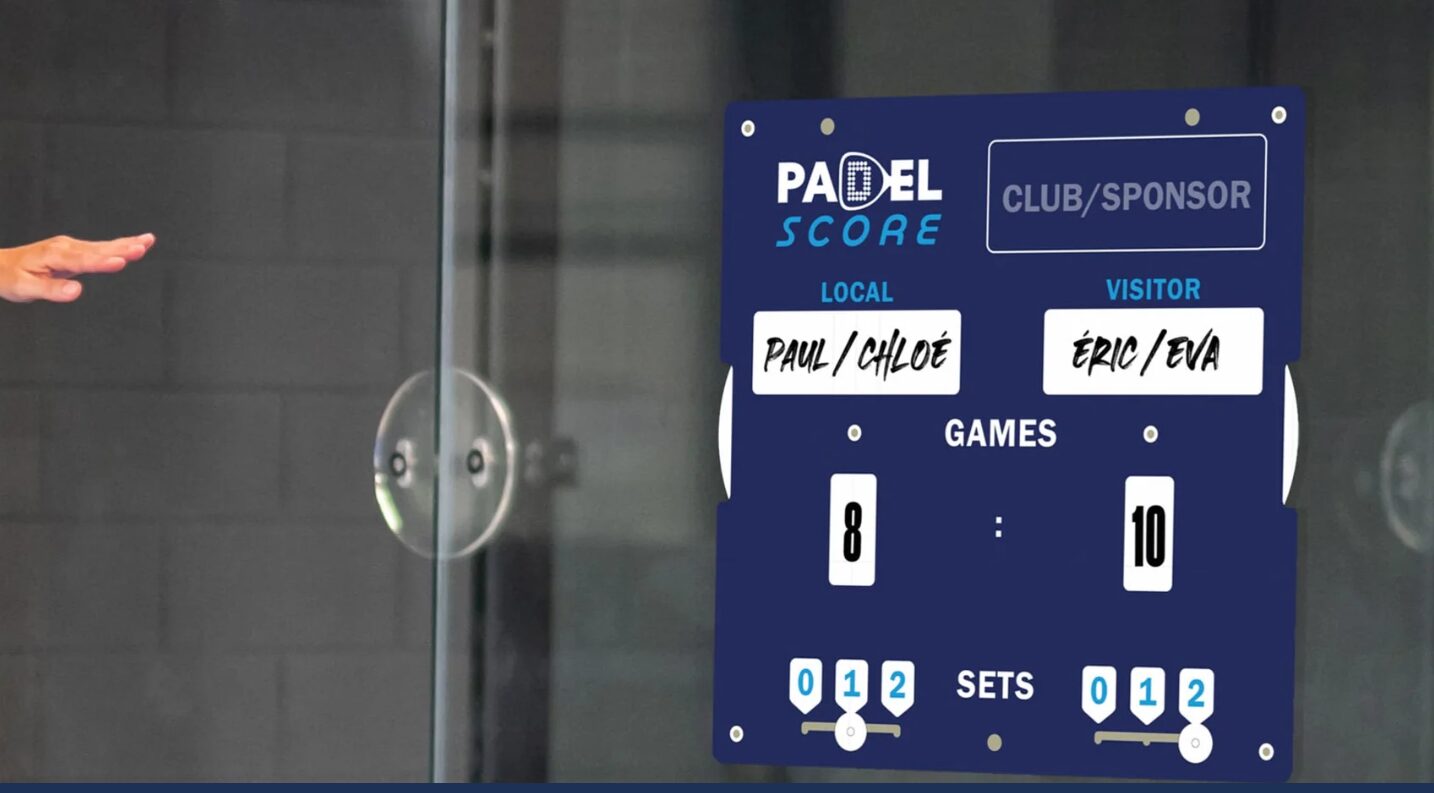 Padel Score: an essential table for keeping score
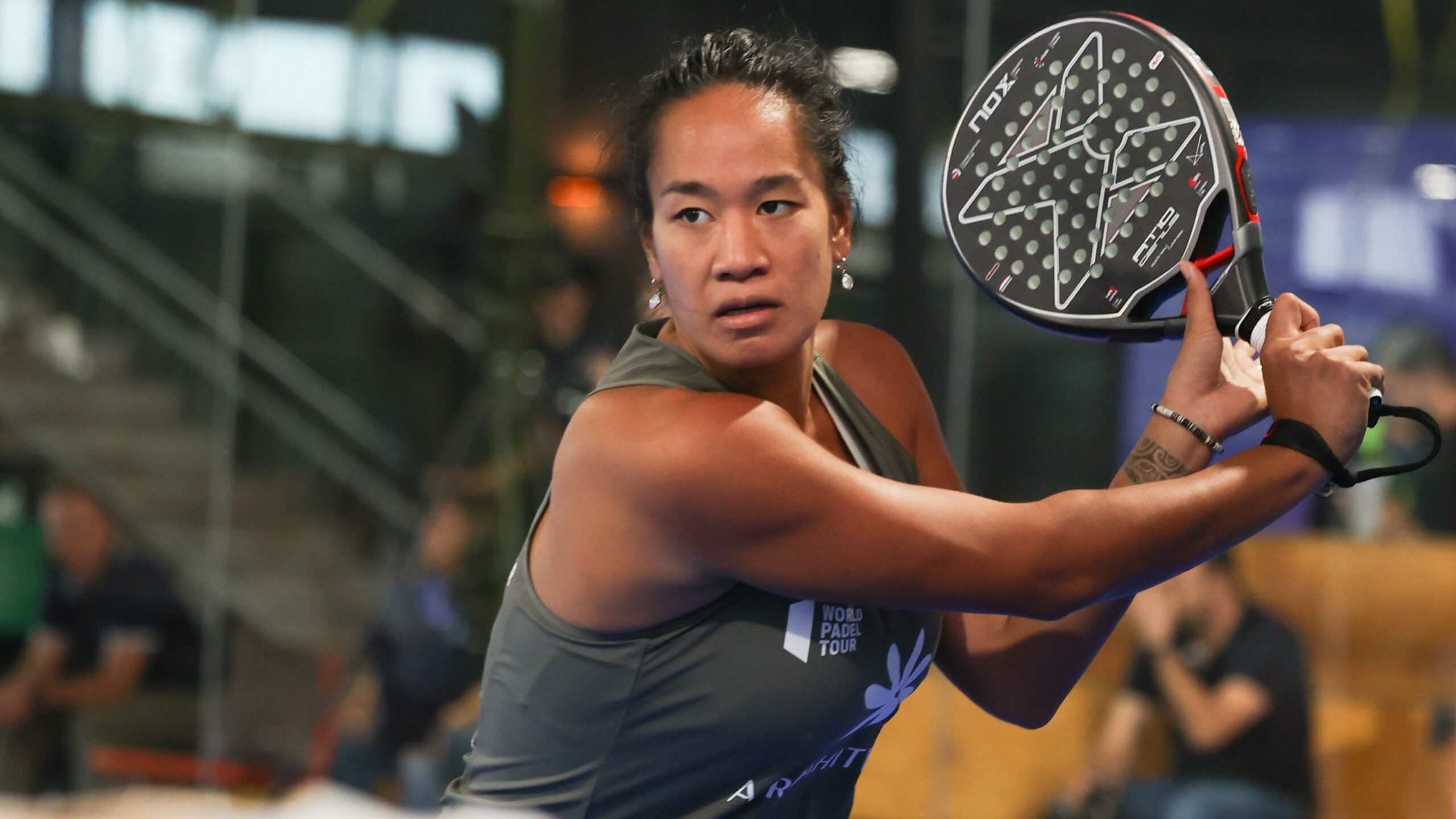 Léa Godallier makes her big return to the slopes this weekend
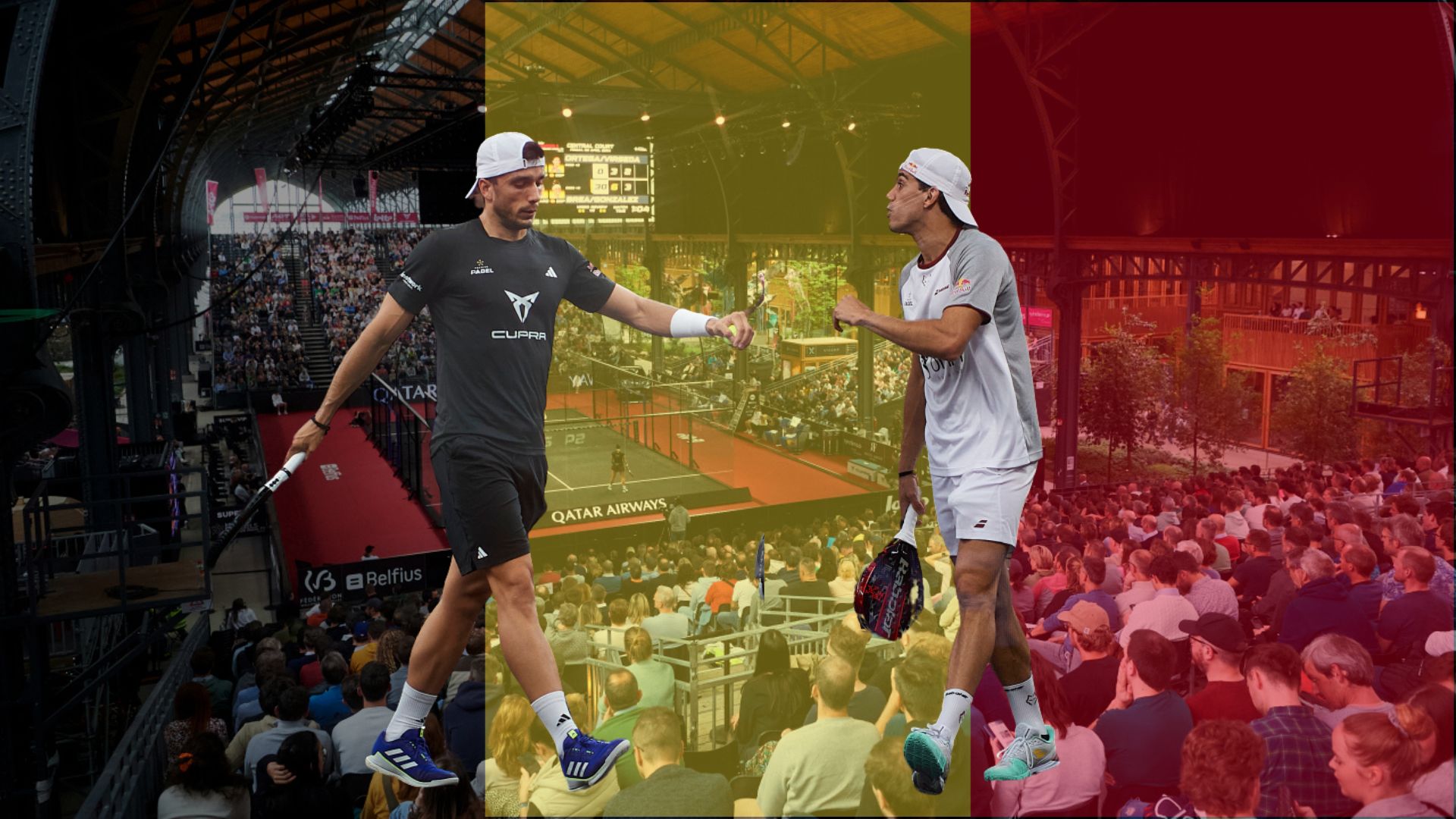 Premier Padel Brussels P2 – Juan Lebron and Ale Galan together in Belgium?
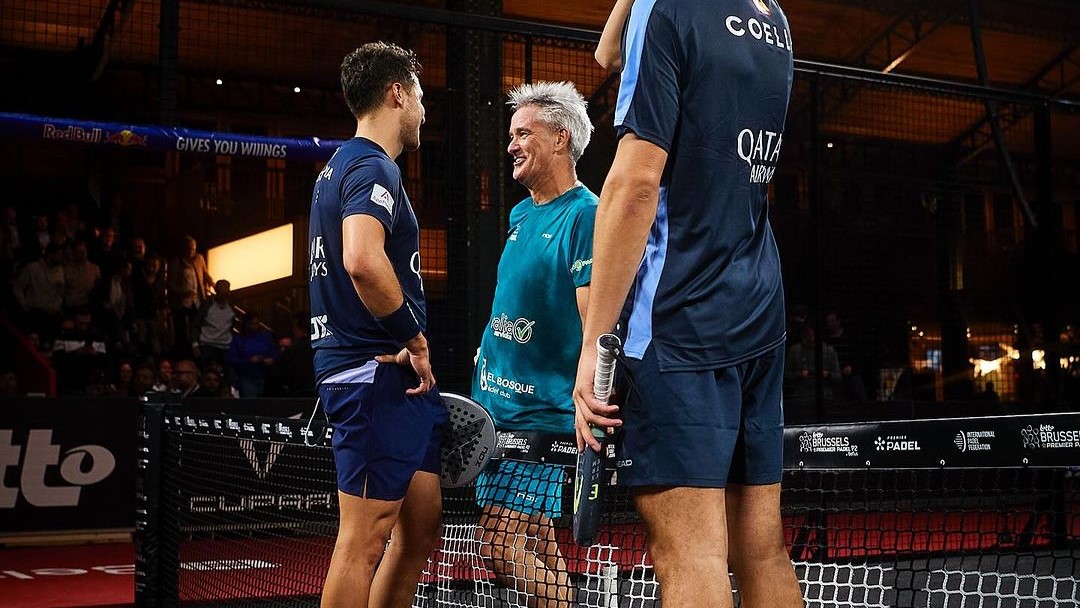 Agustin Tapia salutes the longevity of Miguel Lamperti
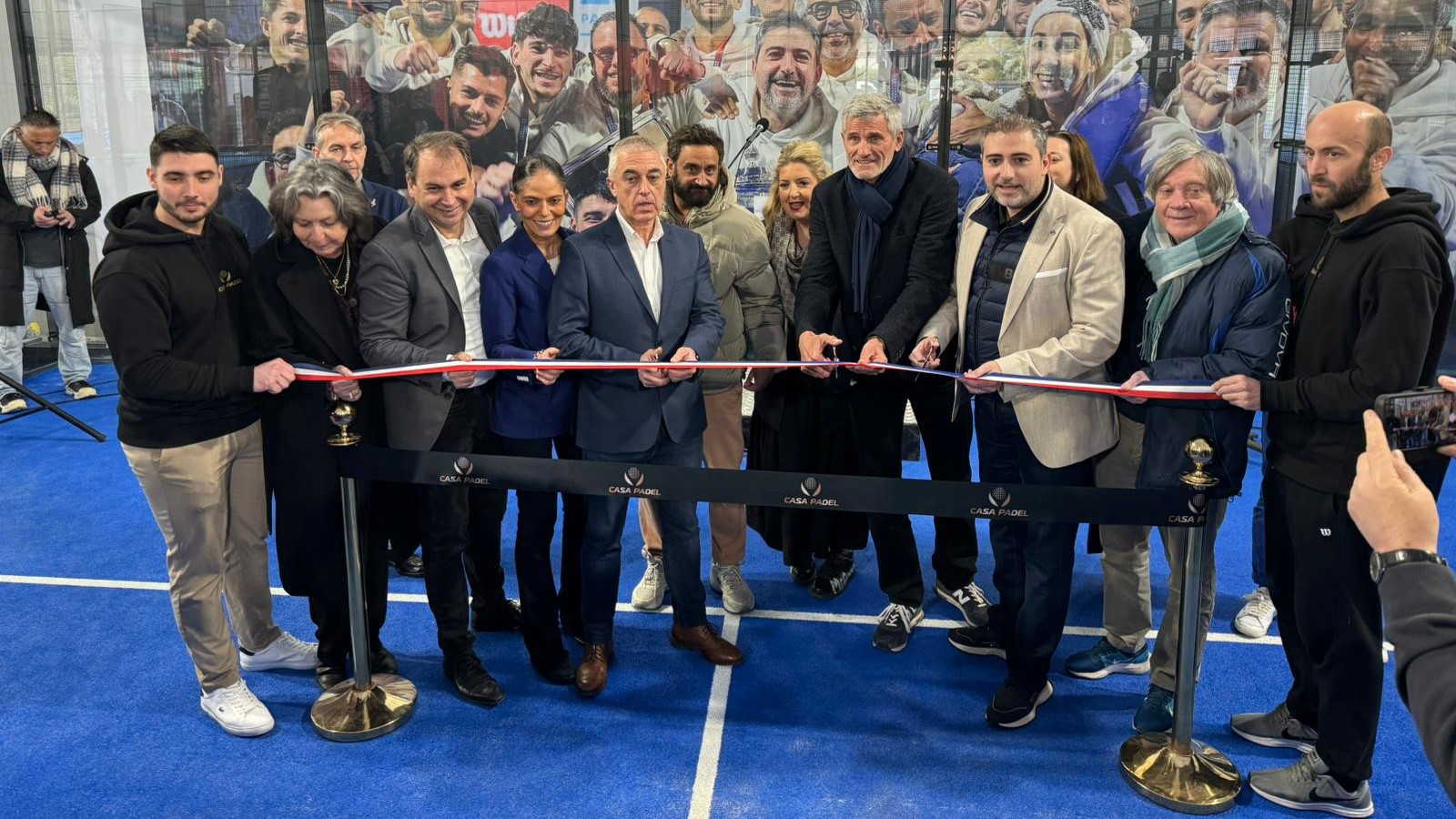 José Manuel Escin at the inauguration of Casa Padel DOS: “Finally, and thank you!”
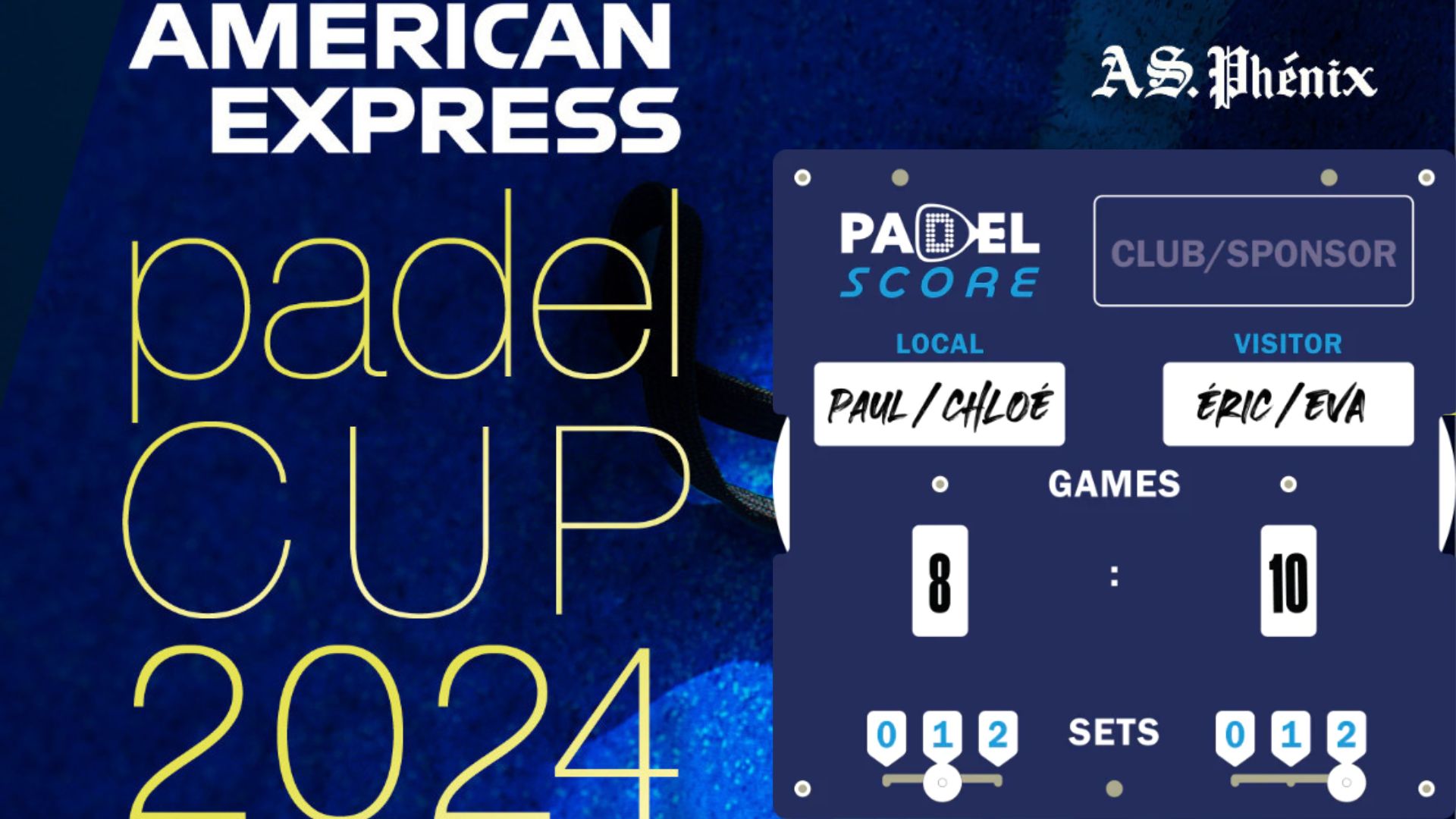 Padel Score comes to Tahiti for American Express Padel Cup!
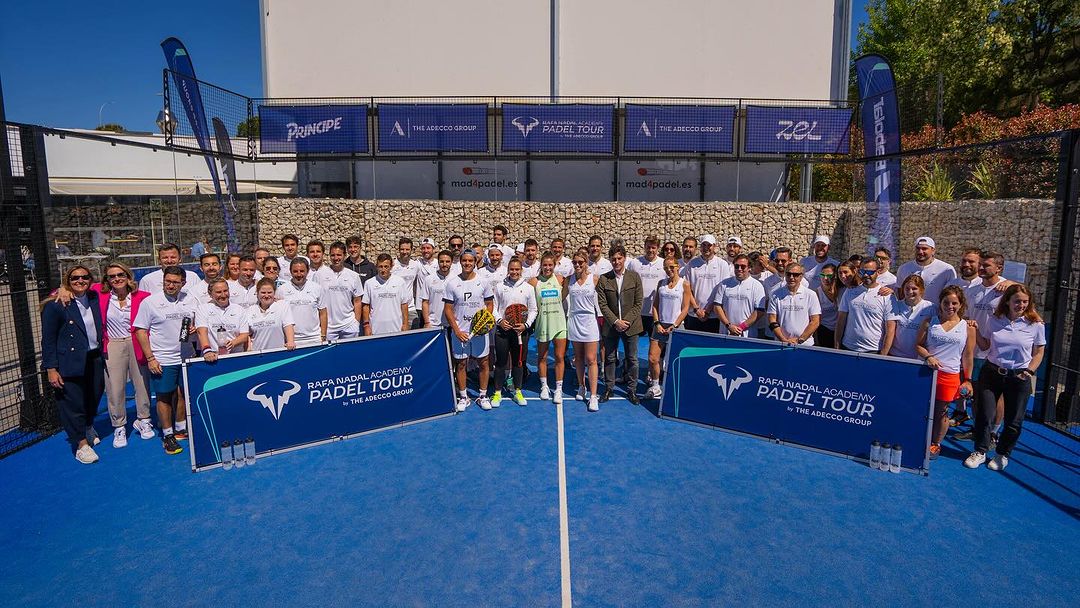 Do you know the Rafa Nadal Academy Tour?
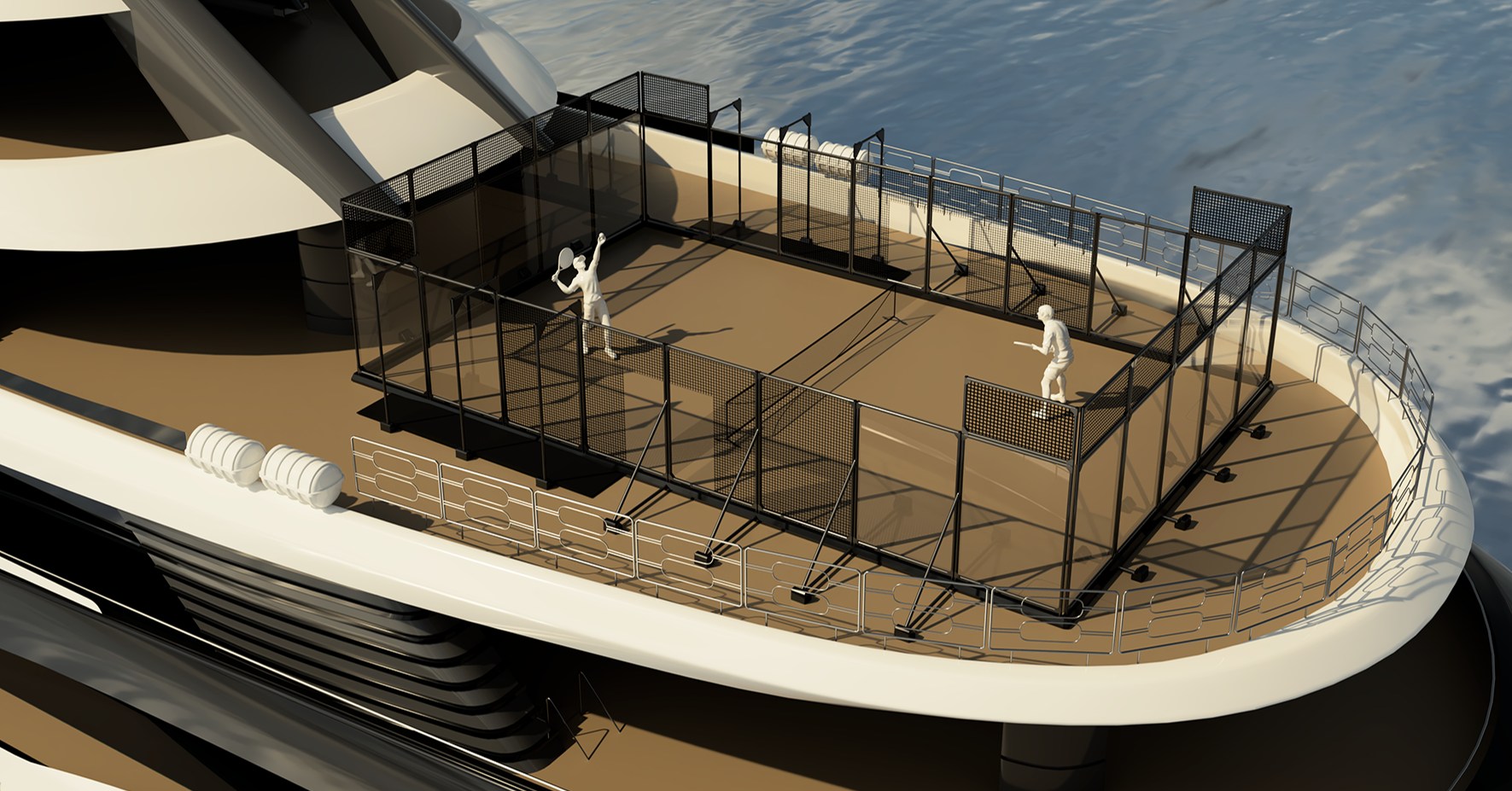 Play at padel on his yacht? Possible for €233.000!
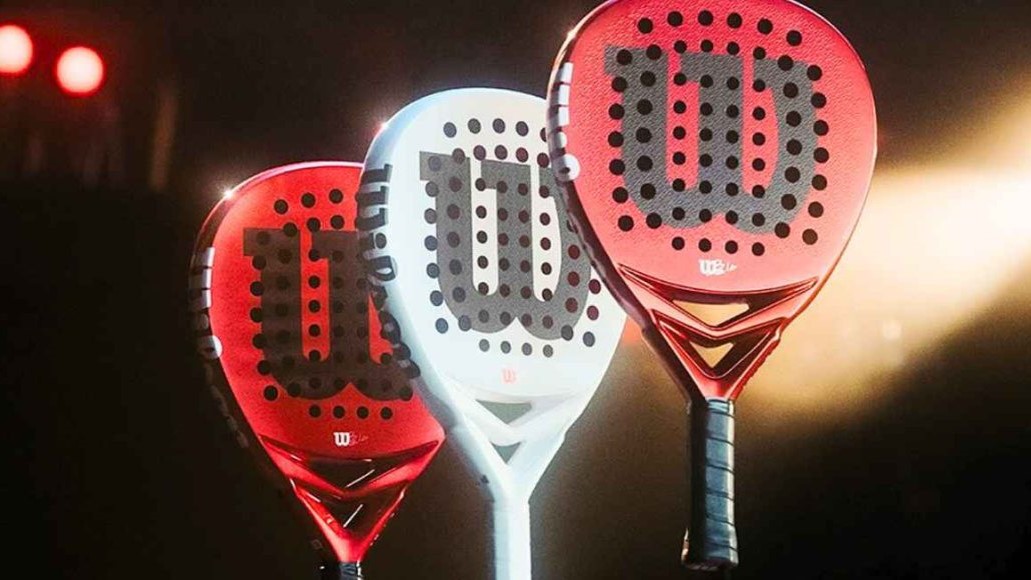 Presentation of the Wilson Bela V2.5 collection
 The LinkedIn of racquet sports: Racket Trip
 The score at padel : manual
 Our Top 10 training courses padel in France and Europe
 At the heart of padel – Episode 25: Paul and Andoni answer your questions
 At the heart of padel – Episode 23: defend the window well
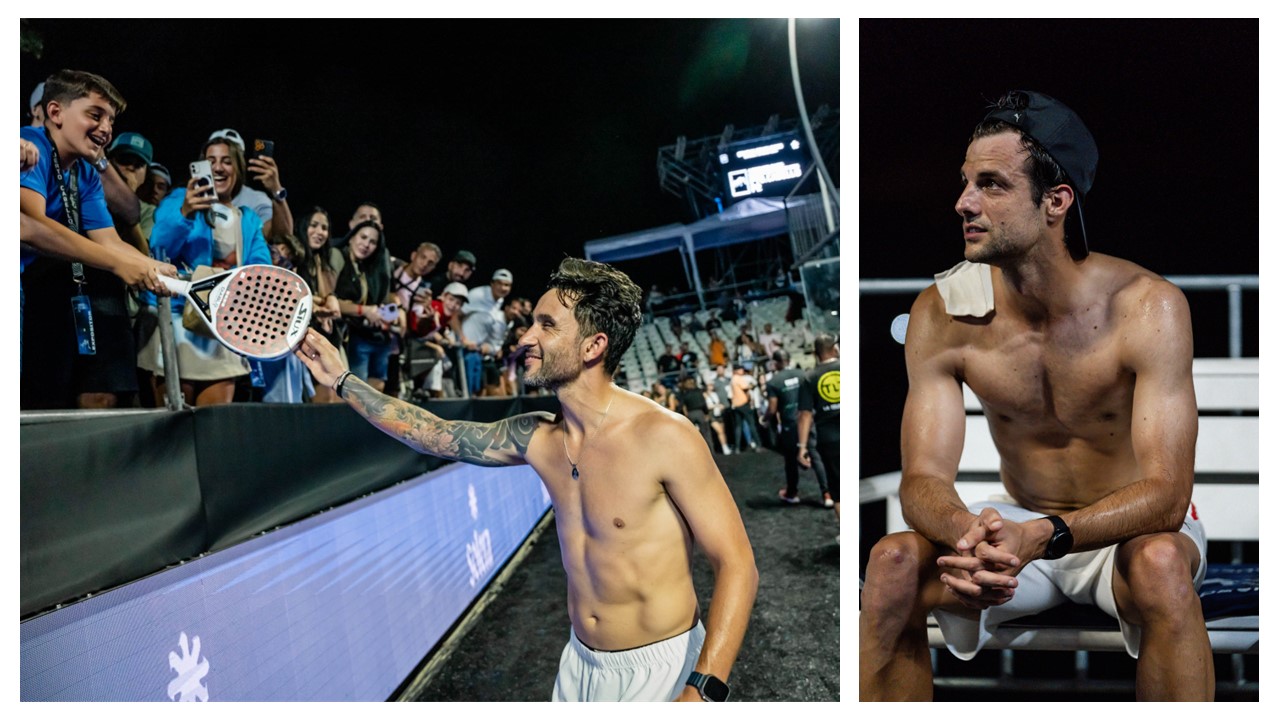 Prohibition on playing topless Padel : the reasons
 FIP Tour – Going far from Europe, THE strategy to earn points!
 What is a good football player? padel ?
 “Lefties give me headaches when I play against them!”
 At the heart of padel – Episode 14: how to earn points in winter?
 The basic tactics of padel
 A par 4 is always a winner...even if you manage to defend it!
 Carbon fiber VS fiberglass: what to choose?
 How to effectively test a racket padel ?
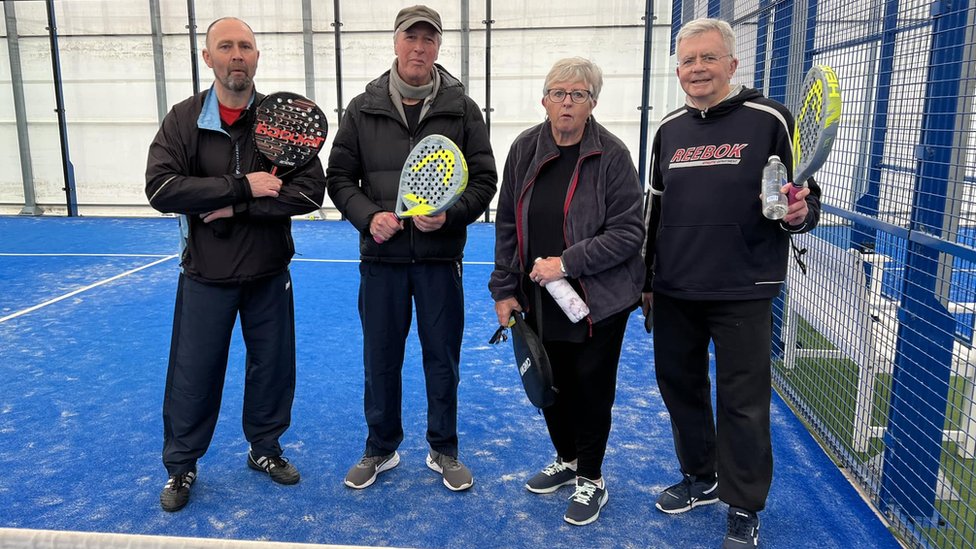 La padel to fight Parkinson's disease
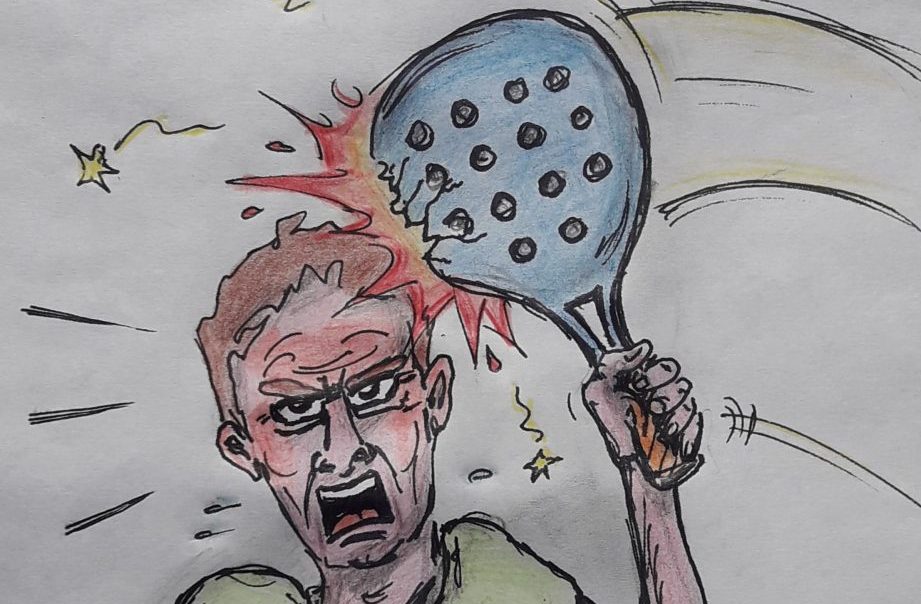 Don't play with a cracked or broken racket, your body will thank you!
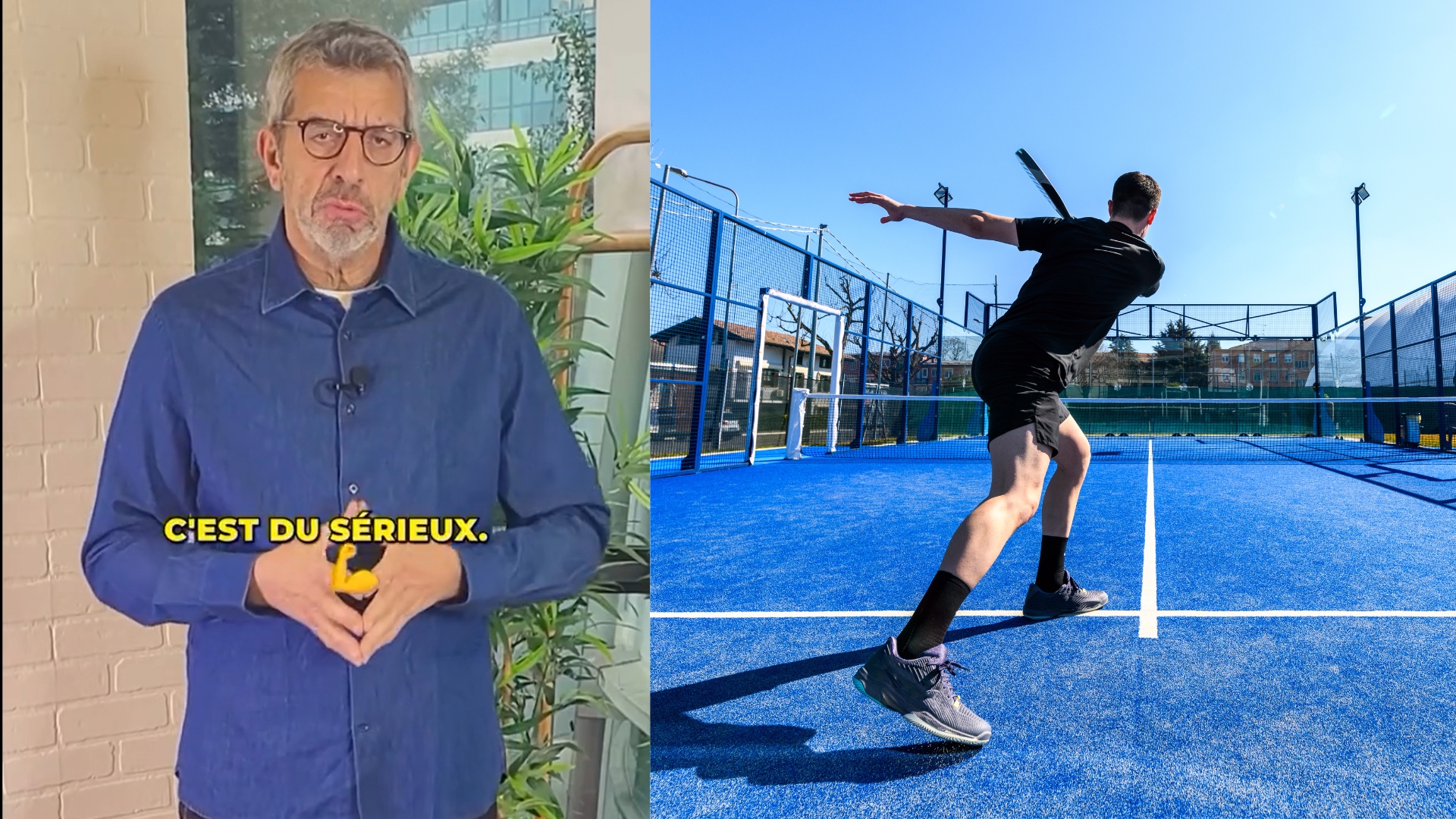 Michel Cymes: “The padel, physically, it’s serious!”
 Jeremy Gala: “Promote the padel among young people in Belgium remains a challenge”
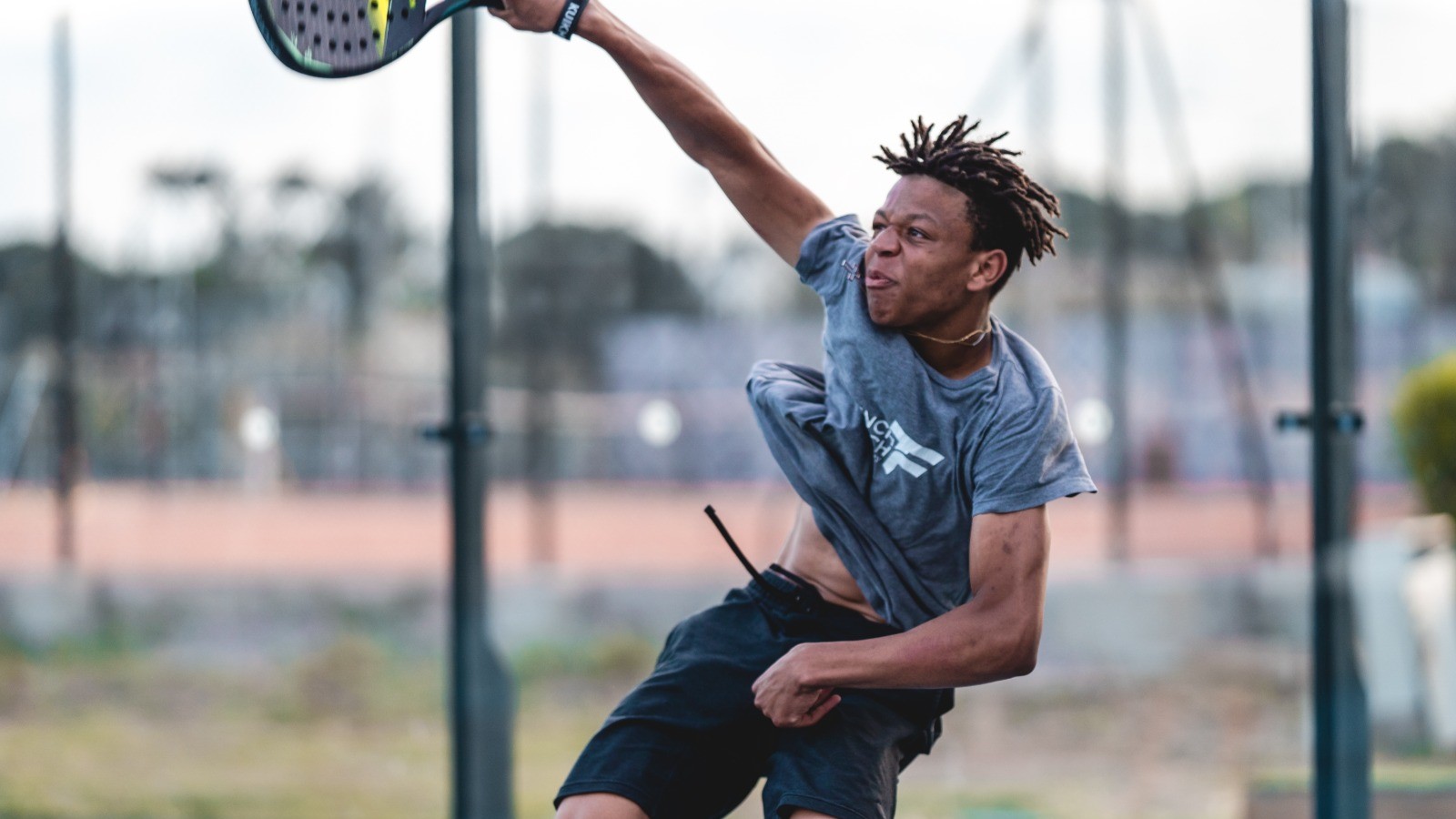 The French Touch Academy organizes its selection day Padel-Study
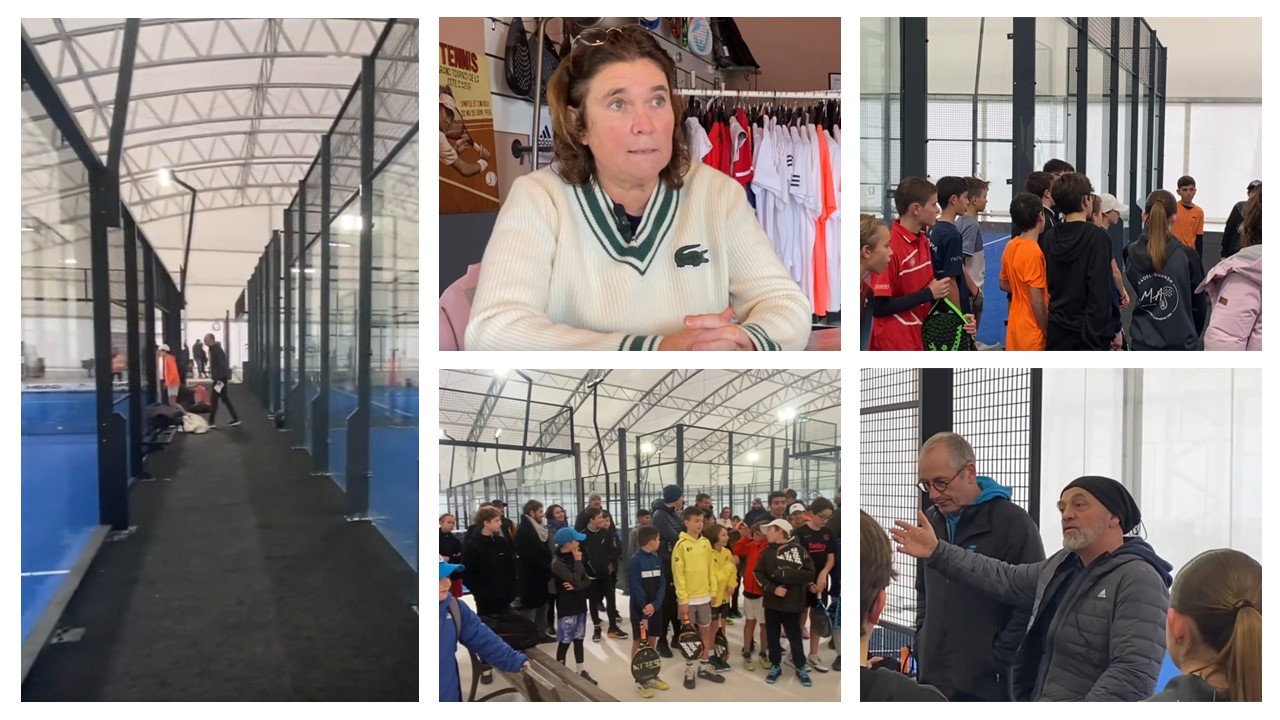 Report on the detection and training of younger generations