

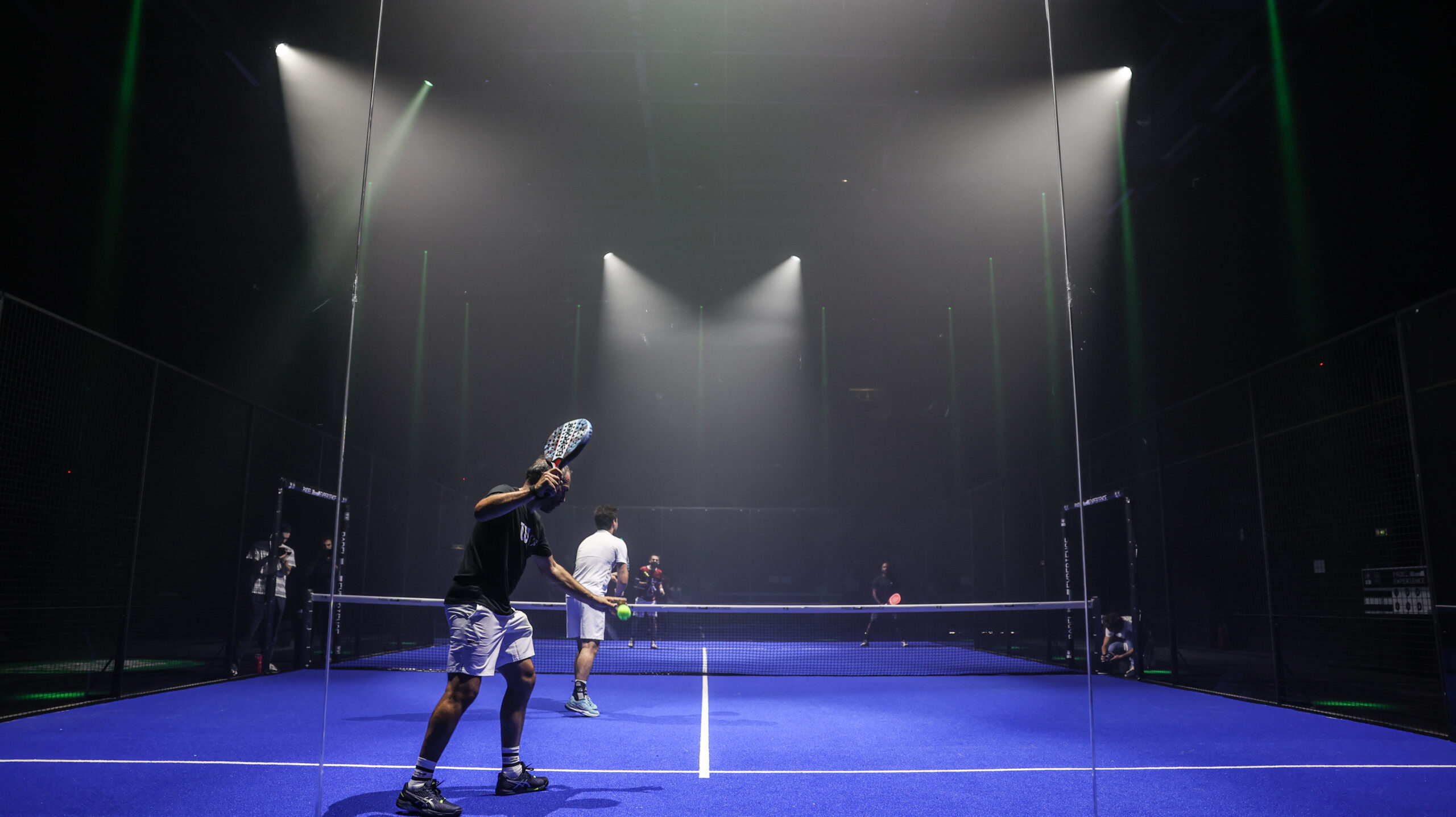











Have you ever asked yourself the question : Why Should we go to the net when we play padel ? Is it absolutely necessary to bring closer of the net or is it better to stay in retired ?
This is not a philosophical assignment, not at all. But it is interesting that everyone asks themselves this question. Why do I absolutely have to go to the net, and why must I always be placed in the same place? Let's try to provide answers that we hope will help you improve your game.
Because it's like that
This is often the most used response by players. We don't even know why we have to get closer to the net, we do it because others do it, because the pros do it, because your instructor told you that you have to do it. But is it right for you? So yes, it is true that moving into the attacking zone, in front of the line, allows you to win the point more easily because you become an actor: it is you and your partner who take the reins of the point. But it's not always the case. So open your mind and seek to understand.
Points at padel are won at the net
That's what we just said, and it's true. THE padel is an attack-defense game, a chess game where tactics often take precedence over technique or power. But since each player is different, each pair is different, it is interesting to develop several options for play and attacks at various distances from the net. Just because you'll be very close to the net doesn't mean you'll score more points.
Do I win all my points from the net?
Have you ever asked yourself this question? All matches are different and the course of a match can change. Rare are the games where you will play the same way from the first to the last point, and win the match. You will have to evolve and offer your opponents different strategies. Closer, further away, direct climbs, climbs in two or more stages, all kinds of possible and worked options, thought out in advance, which will provide choices during complicated matches.
Why go to the net if I have to make defensive volleys?
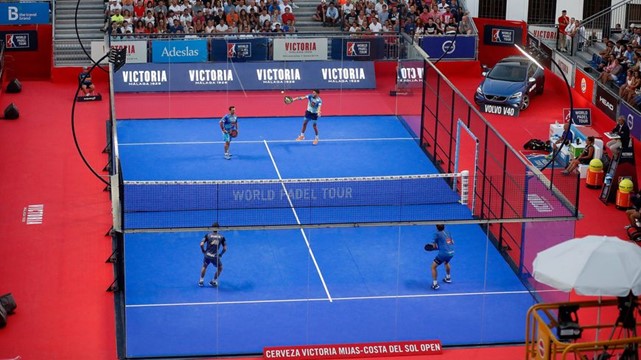
This must have happened to you. Your partner always invites you to join him at the net, but you are not comfortable there. As a result of the races, you find yourself volleying certainly, but your volleys never allow you to win the point; on the contrary, they allow adversaries to attack. This situation also appears among experienced players who persist in going to the net when the opponents have found the loophole by making them perform defensive volleys.
What is the solution ?
If there was a real solution, we would all be great champions. The idea is to have several strings to your bow, knowing how to vary the positions at the net, closer, further away, to be able to work on this game tactic which will allow us to impose ourselves, not to suffer, and above all to feel comfortable.
So it's up to you to see what is best for you, for your game. Depending on your level, your partner, your physical state, your opponents, don't hesitate to make decisions regarding the net. Is it worth going up very close? To stay at the bottom? To go up in stages? To stay half-track? Don't let anyone tell you what to do, take the advice, the ideas, analyze them and create.
There is not just one way to play padel, there are hundreds of them, and it is not because you take time to get to the net, that you come to press extremely quickly or on the contrary make the decision to stay at the bottom, that you will have more or less chances to win the point or that you will be a better or worse player. Go!

Julien Bondia is a teacher of padel in Tenerife (Spain). Columnist and advisor, he helps you play better through his tutorials and tactical/technical articles padel.



































































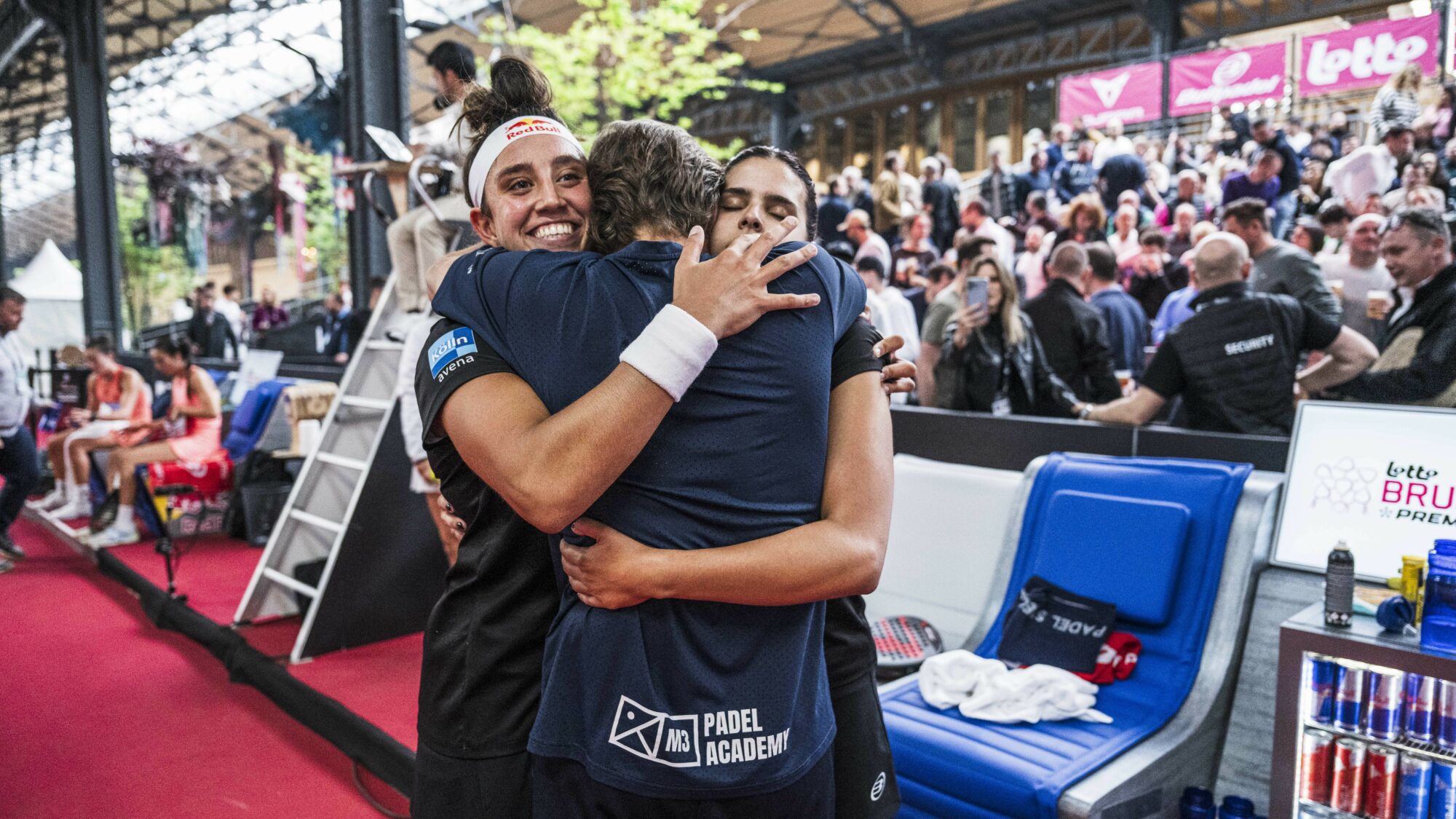 Premier Padel Brussels P2 – Brea/Gonzalez wins the arm wrestling against Salazar/Icardo
 Unusual – Sanyo Gutierrez and Maxi Sanchez suffered in Brussels
 FIP Promotion Sharjah – More French people in the United Arab Emirates
 Guillaume Codron de Sud Padel : “A family project”
 Nallé Grinda: “Democratize the padel in the USA with PadelX "
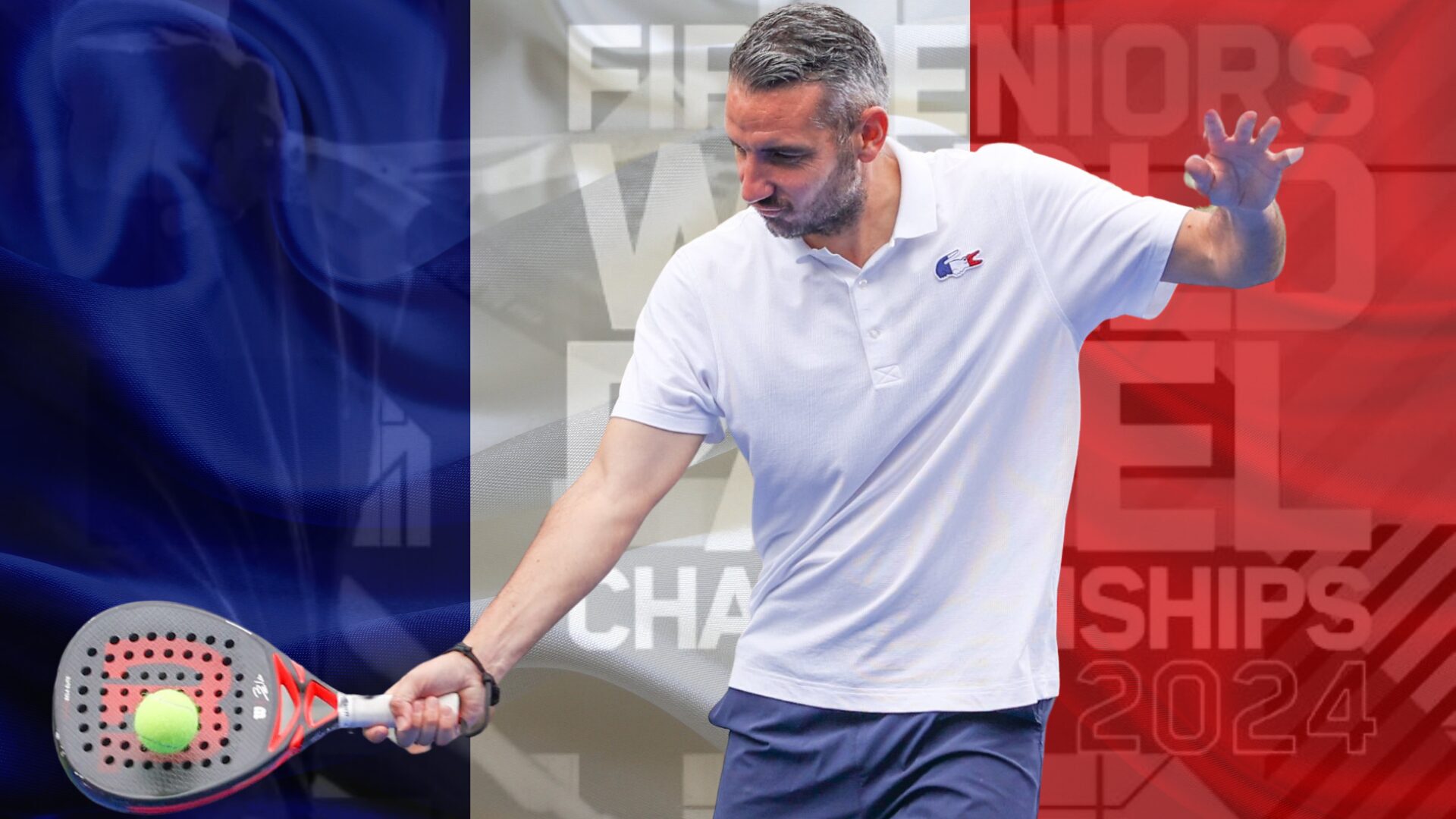 Simon Boissé: “We know that there are two nations in front of us”
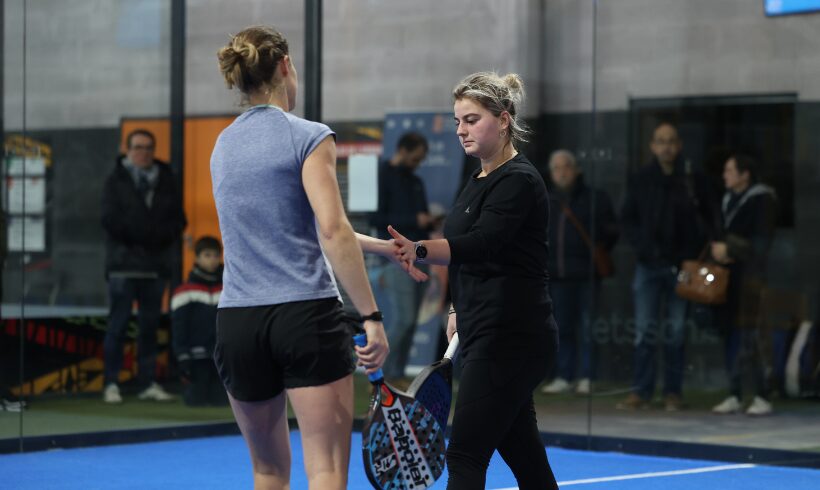 Marie Maligo: “This period of frequent changes of partners was beneficial for me”
 The All Star Tour returns on May 16 at the All In in Lyon
 D-7 of the “BetClic Remontada Padel”, at the foot of the Eiffel Tower
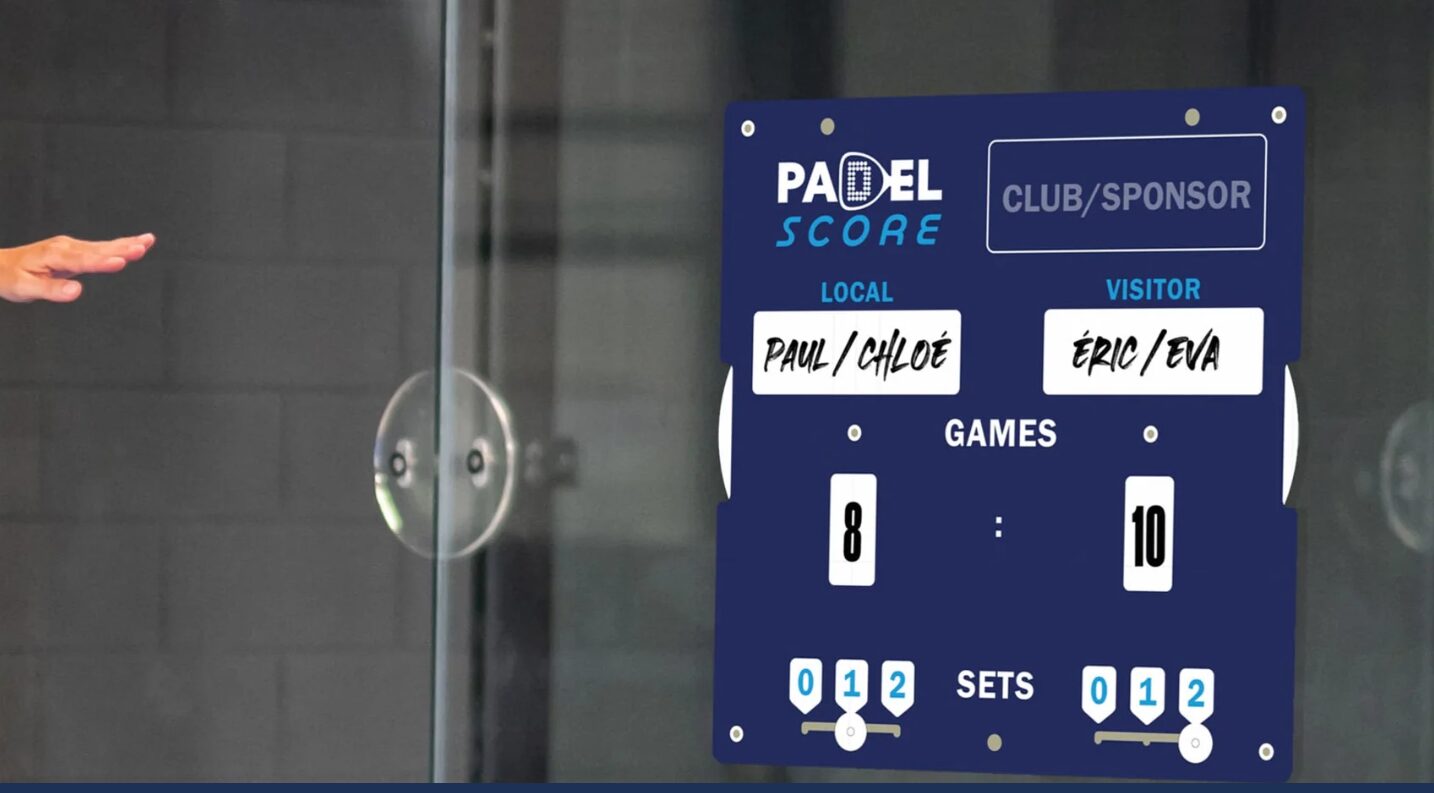 Padel Score: an essential table for keeping score
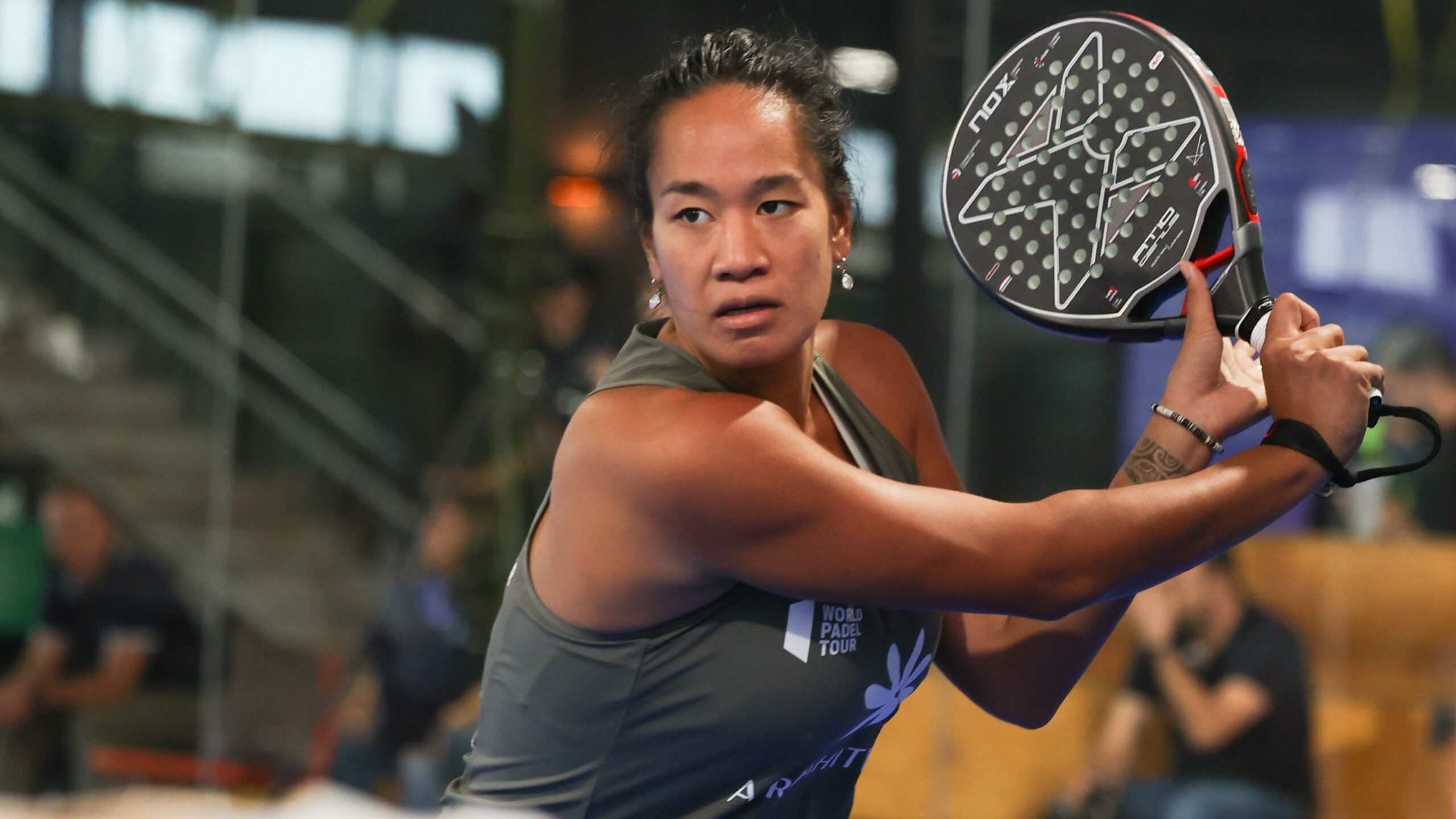 Léa Godallier makes her big return to the slopes this weekend
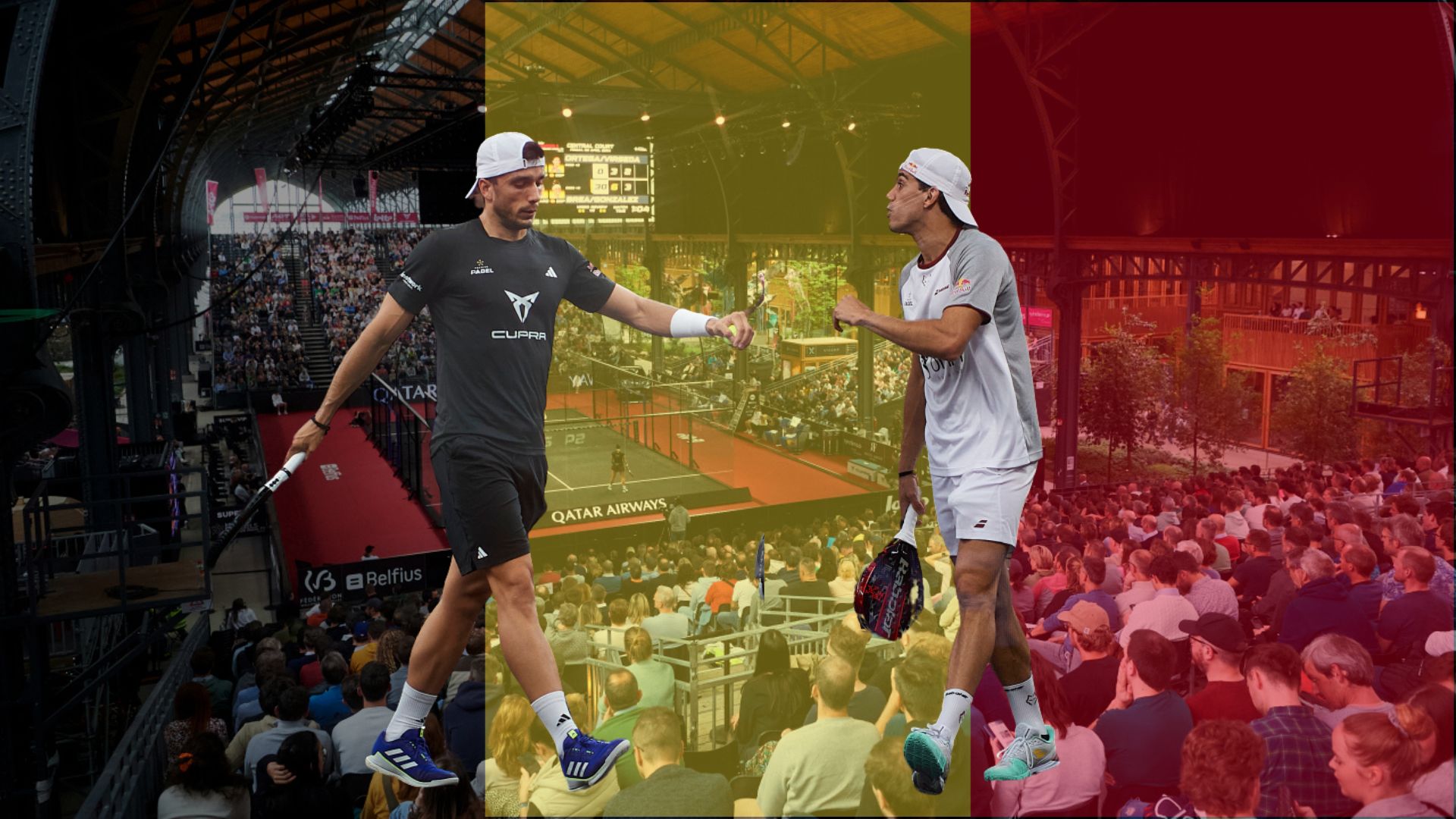 Premier Padel Brussels P2 – Juan Lebron and Ale Galan together in Belgium?
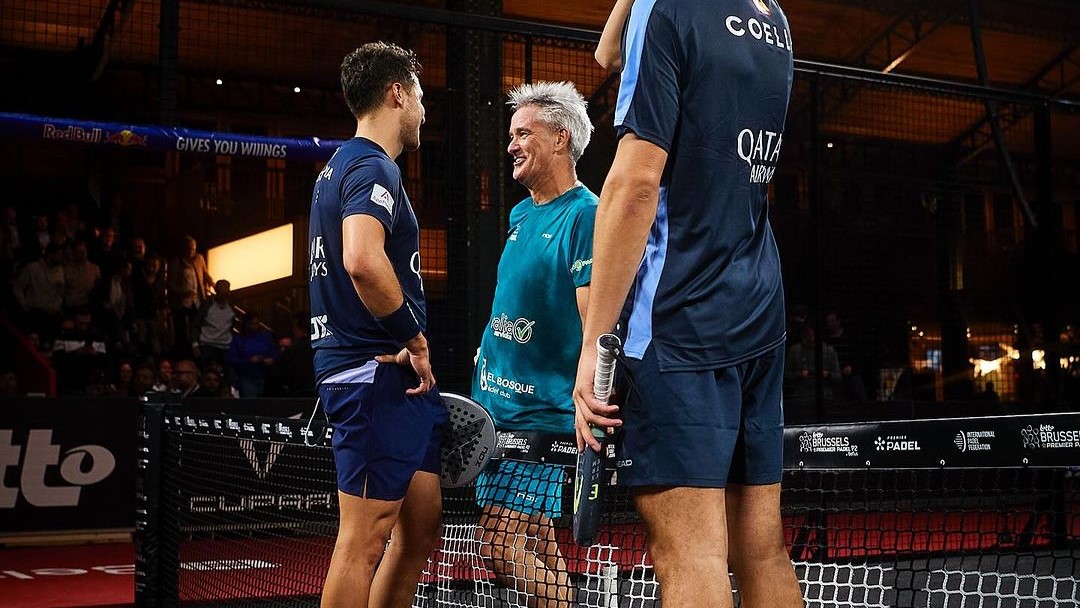 Agustin Tapia salutes the longevity of Miguel Lamperti
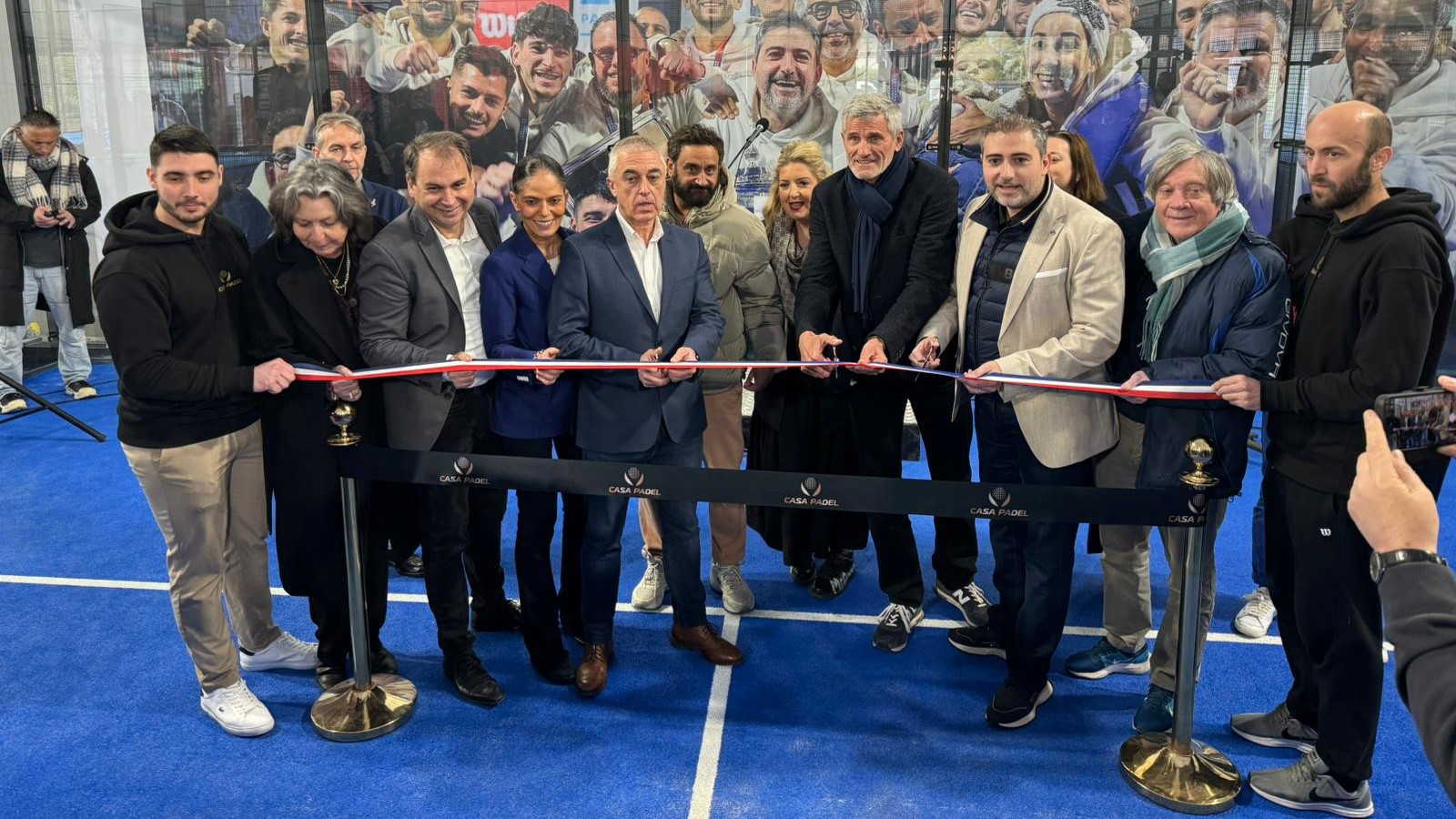 José Manuel Escin at the inauguration of Casa Padel DOS: “Finally, and thank you!”
 Padel Score comes to Tahiti for American Express Padel Cup!
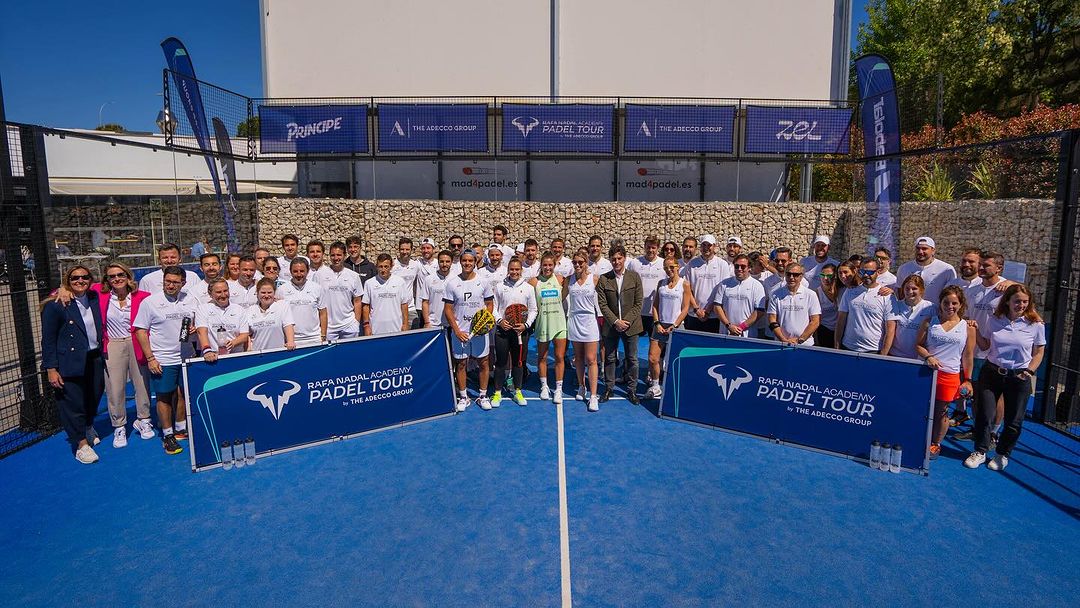 Do you know the Rafa Nadal Academy Tour?
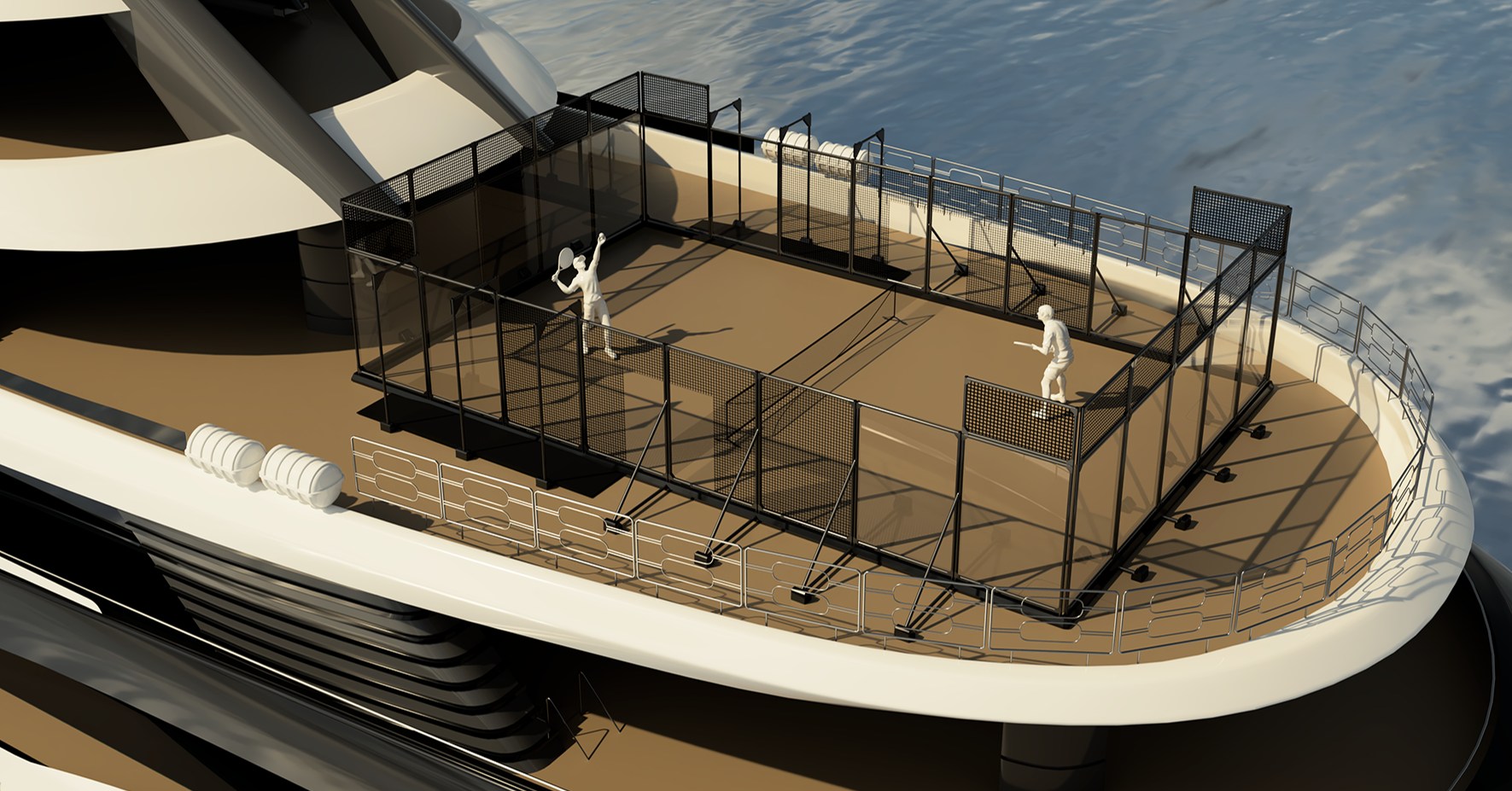 Play at padel on his yacht? Possible for €233.000!
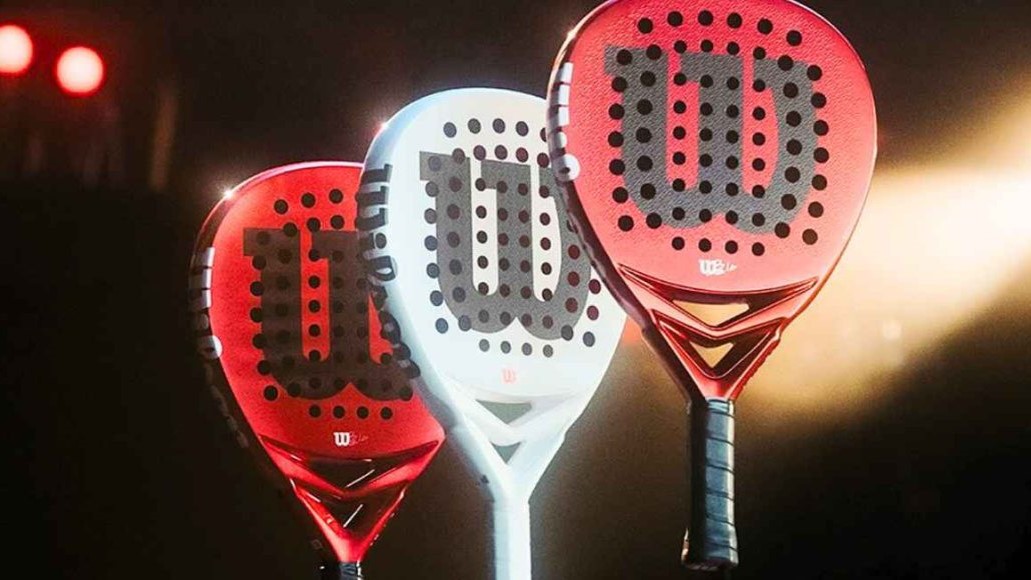 Presentation of the Wilson Bela V2.5 collection
 The LinkedIn of racquet sports: Racket Trip
 The score at padel : manual
 Our Top 10 training courses padel in France and Europe
 At the heart of padel – Episode 25: Paul and Andoni answer your questions
 At the heart of padel – Episode 23: defend the window well
 Prohibition on playing topless Padel : the reasons
 FIP Tour – Going far from Europe, THE strategy to earn points!
 What is a good football player? padel ?
 “Lefties give me headaches when I play against them!”
 At the heart of padel – Episode 14: how to earn points in winter?
 The basic tactics of padel
 A par 4 is always a winner...even if you manage to defend it!
 Carbon fiber VS fiberglass: what to choose?
 How to effectively test a racket padel ?
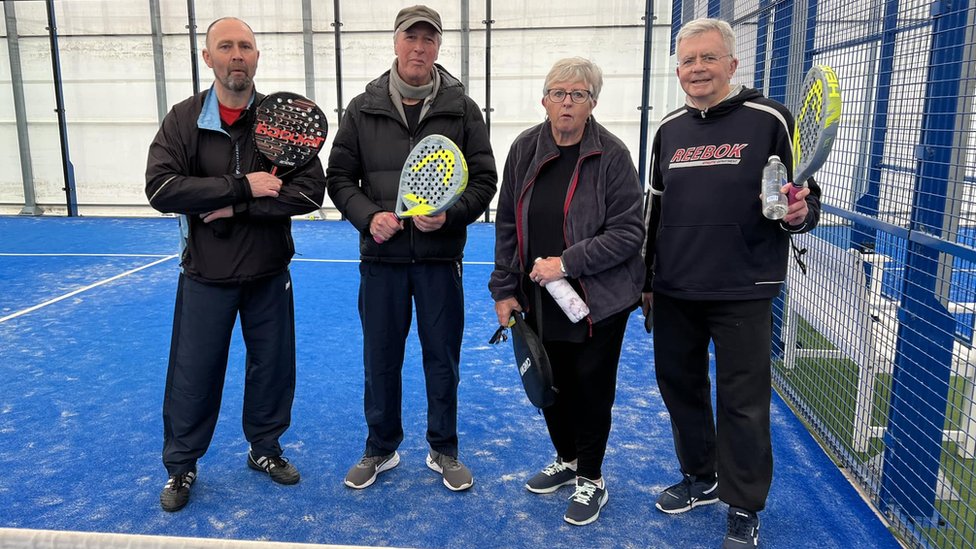 La padel to fight Parkinson's disease
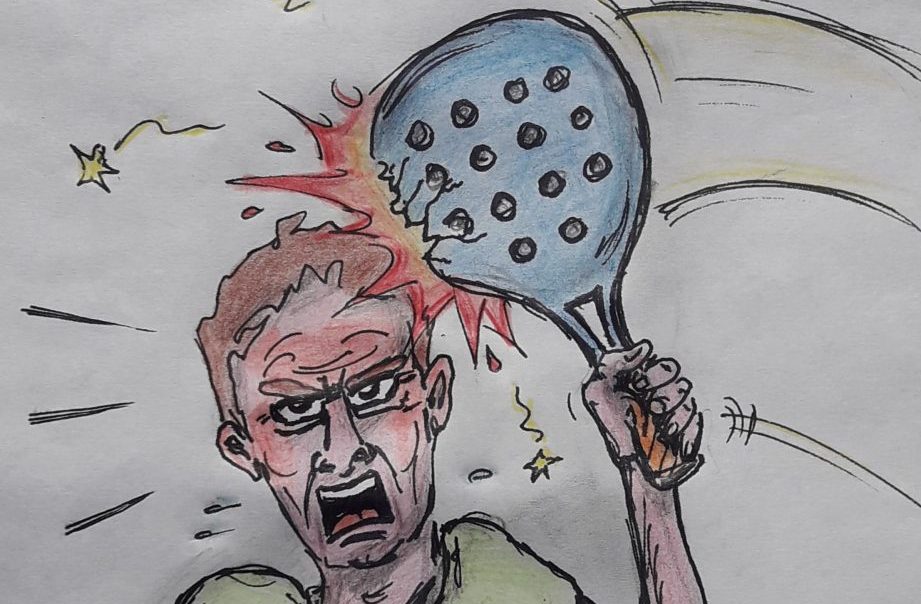 Don't play with a cracked or broken racket, your body will thank you!
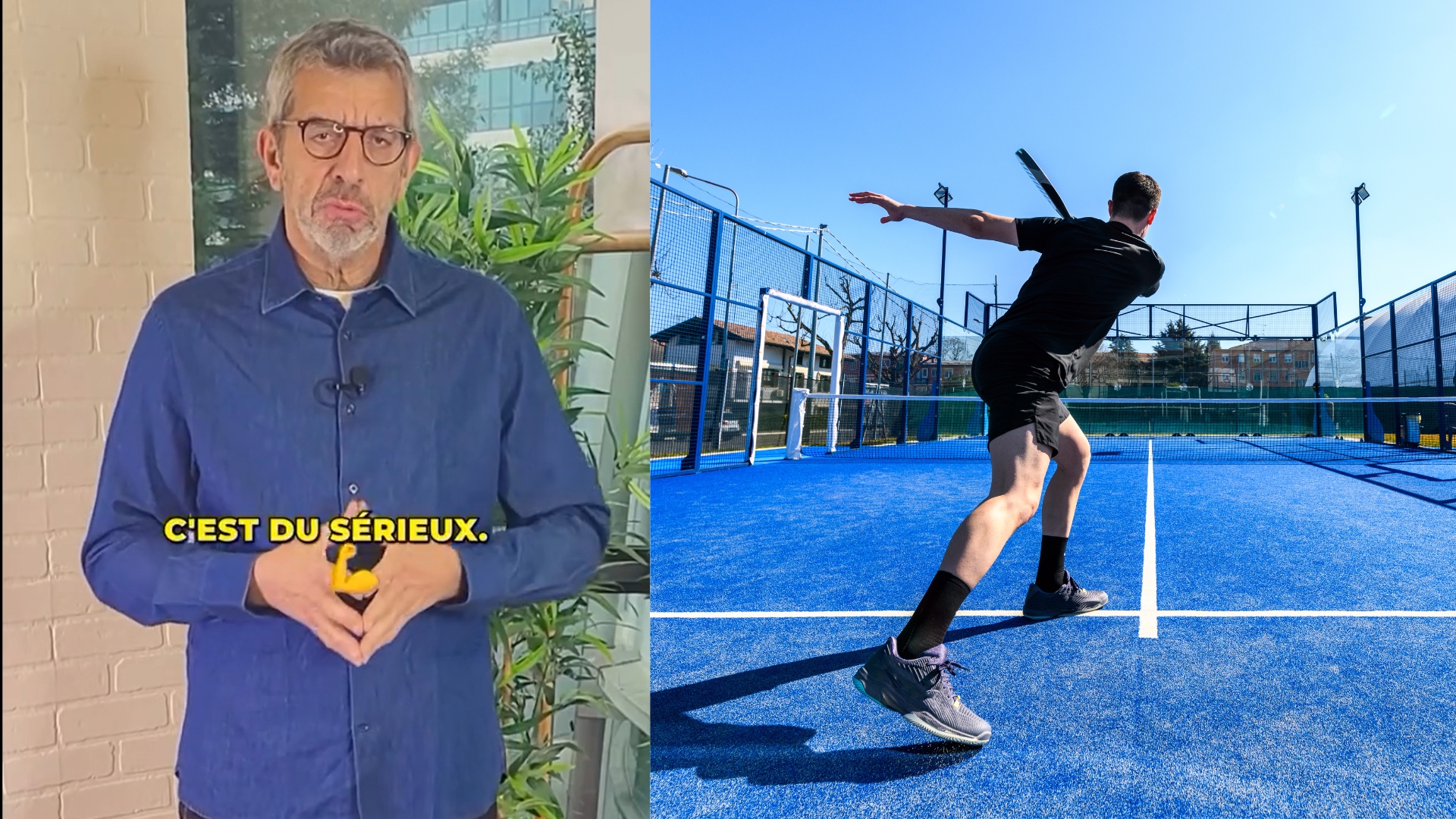 Michel Cymes: “The padel, physically, it’s serious!”
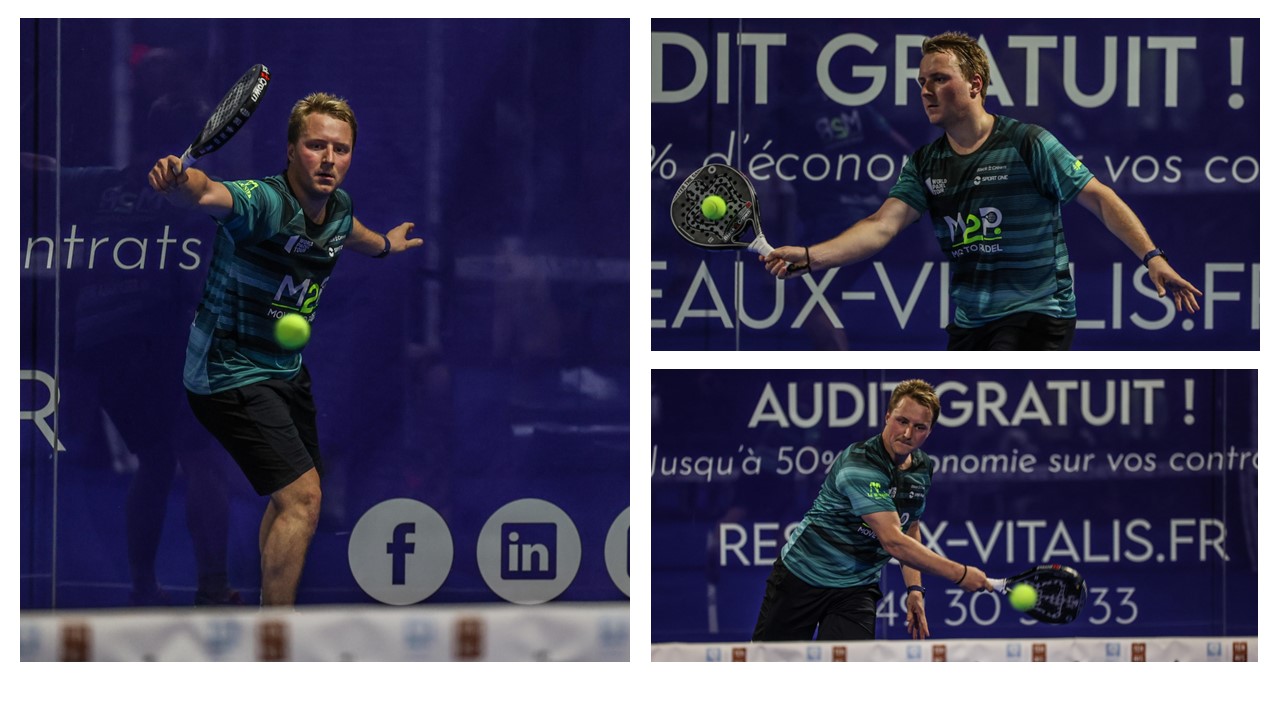 Jeremy Gala: “Promote the padel among young people in Belgium remains a challenge”
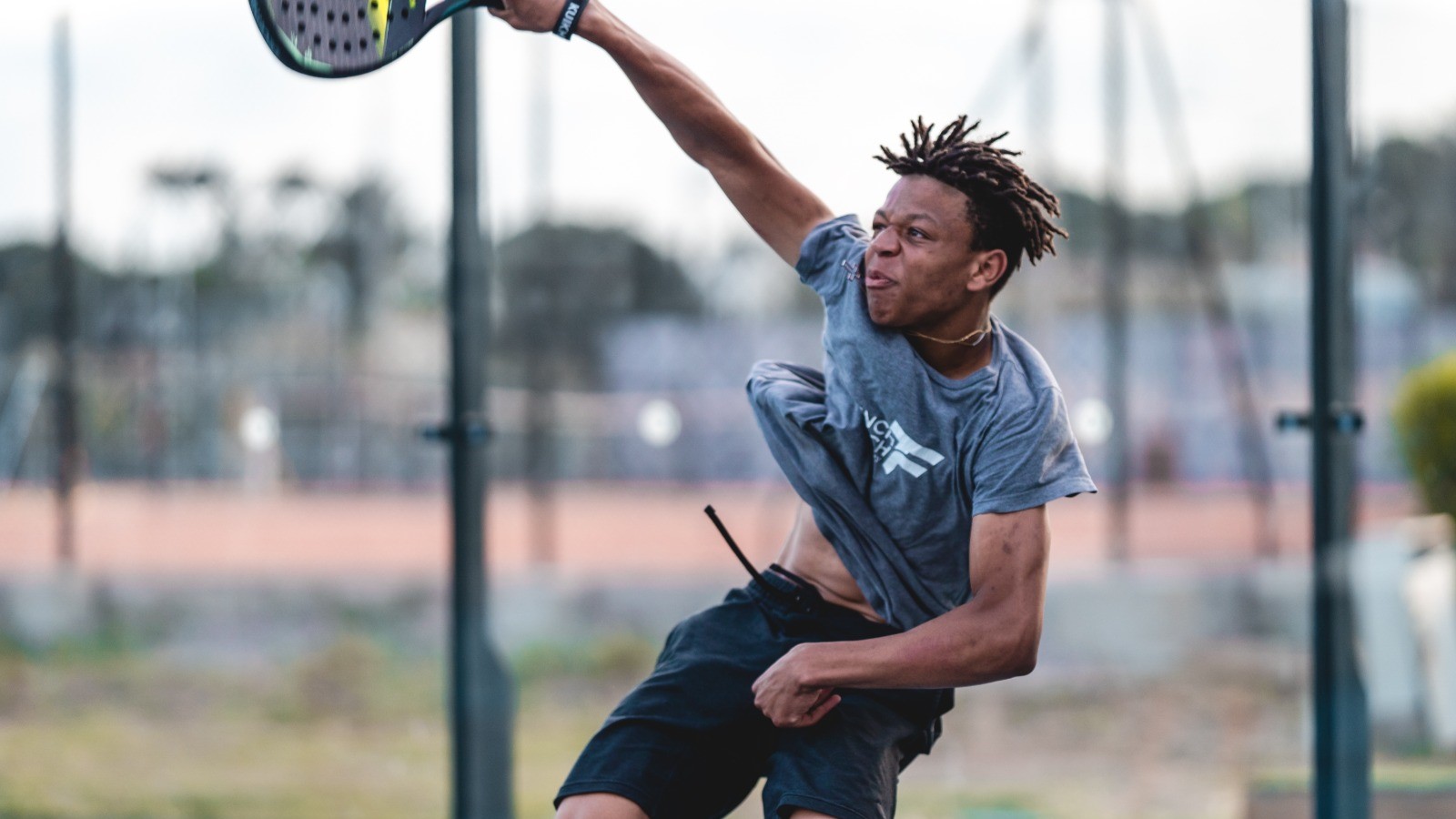 The French Touch Academy organizes its selection day Padel-Study
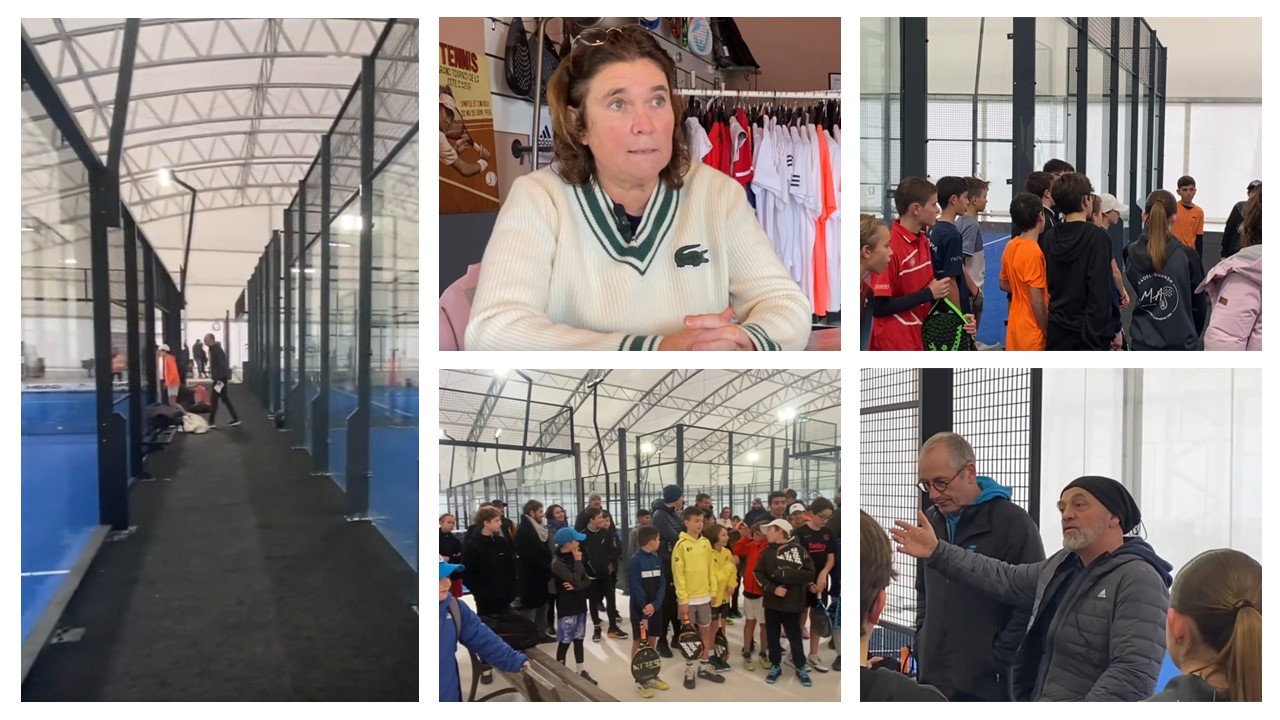 Report on the detection and training of younger generations