

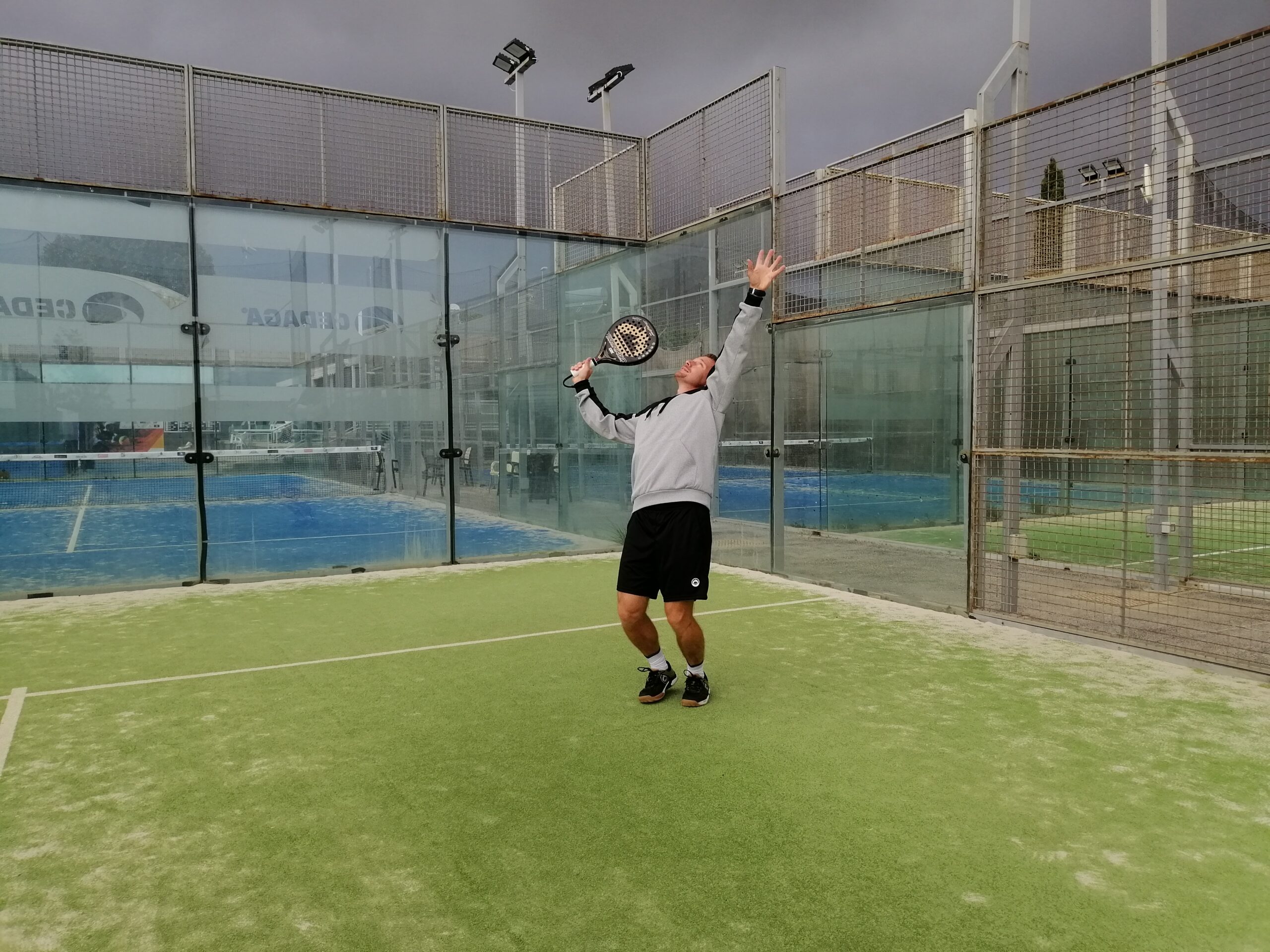











A derivative of a basic move what is the Smash, the roll certainly deserves its place in the manuals of padel. When and how to use it? We enlighten you in this new chronicle on the technical padel.
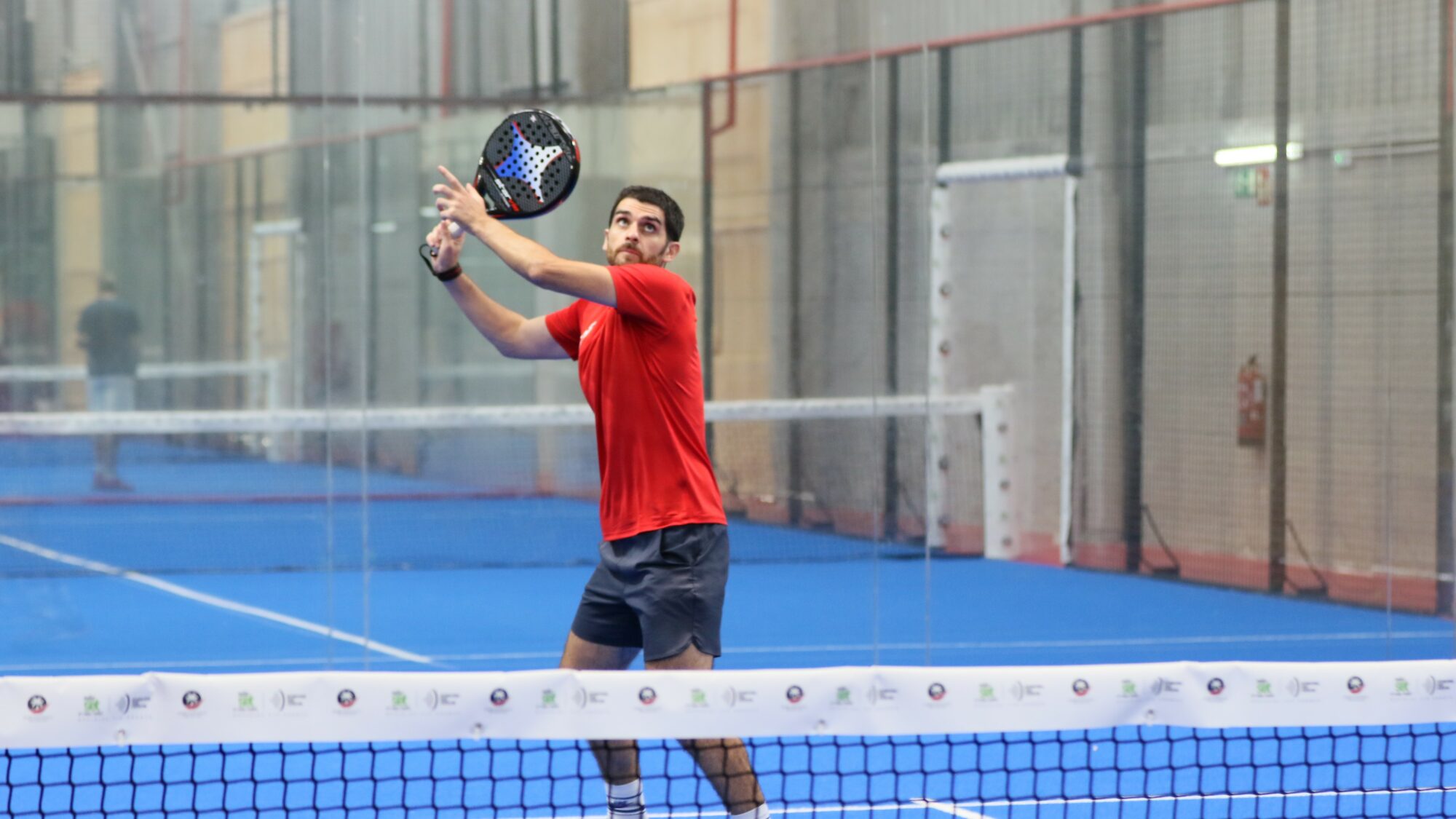
Franco Stupaczuk is perhaps the first player to have democratized this move. Positioned at the net, the player finds himself playing a high smash-type ball, but slightly behind his body. In order not to lose position, and especially to complicate the defense of opponents, we use the rulo.
When to use it?
Right-handed player on the left or left-handed on the right are the two easiest positions to perform a rulo. For a right-handed person it is also doable, but more difficult.
This ball is often played after a low volley. We have to flex to volley under the net and then we have a high ball to play behind us. Using the rulo will avoid letting the ball pass to return to defense. We will therefore play a slow smash, with a topspin effect which will force the opponents to play a low volley, a ball after bouncing on the grid or even to return to the bottom of the track.
Technically?
It is the same basis as the smash. With a profile position adopted very quickly because the preparation time is very short, we will have to act quickly by pointing the ball with our non-dominant arm and placing the pala behind our back so that the head of our racquet can dive and then rise in order to give the desired spin to the ball.
The leg work will be very important because we will have to step back and then reach for the ball above us, slightly behind, at the level of our non-dominant shoulder. So, not chased, taking support on the back leg, impulse helped by the arch of the back, landing on the other leg (the non-dominant one).
At the level of the arm and the wrist, the rulo is both technical and relaxed. The more flexibility you have, the more spin your ball will have and inevitably, the more effective you will be. Be careful not to accelerate the ball too much with power. The rulo must be slow, must dive quickly to the other side of the net, not to win the point, but to regain an attacking position close to the net. If you accelerate too much towards the grid, you will have a high chance of the bounce being too high and giving an attacking ball to the opponents.
In summary, the rulo is a technically difficult shot, to be learned little by little, after mastering the smash, but effective in preparing for the point and in resuming the attack position.

Julien Bondia is a teacher of padel in Tenerife (Spain). Columnist and advisor, he helps you play better through his tutorials and tactical/technical articles padel.

























































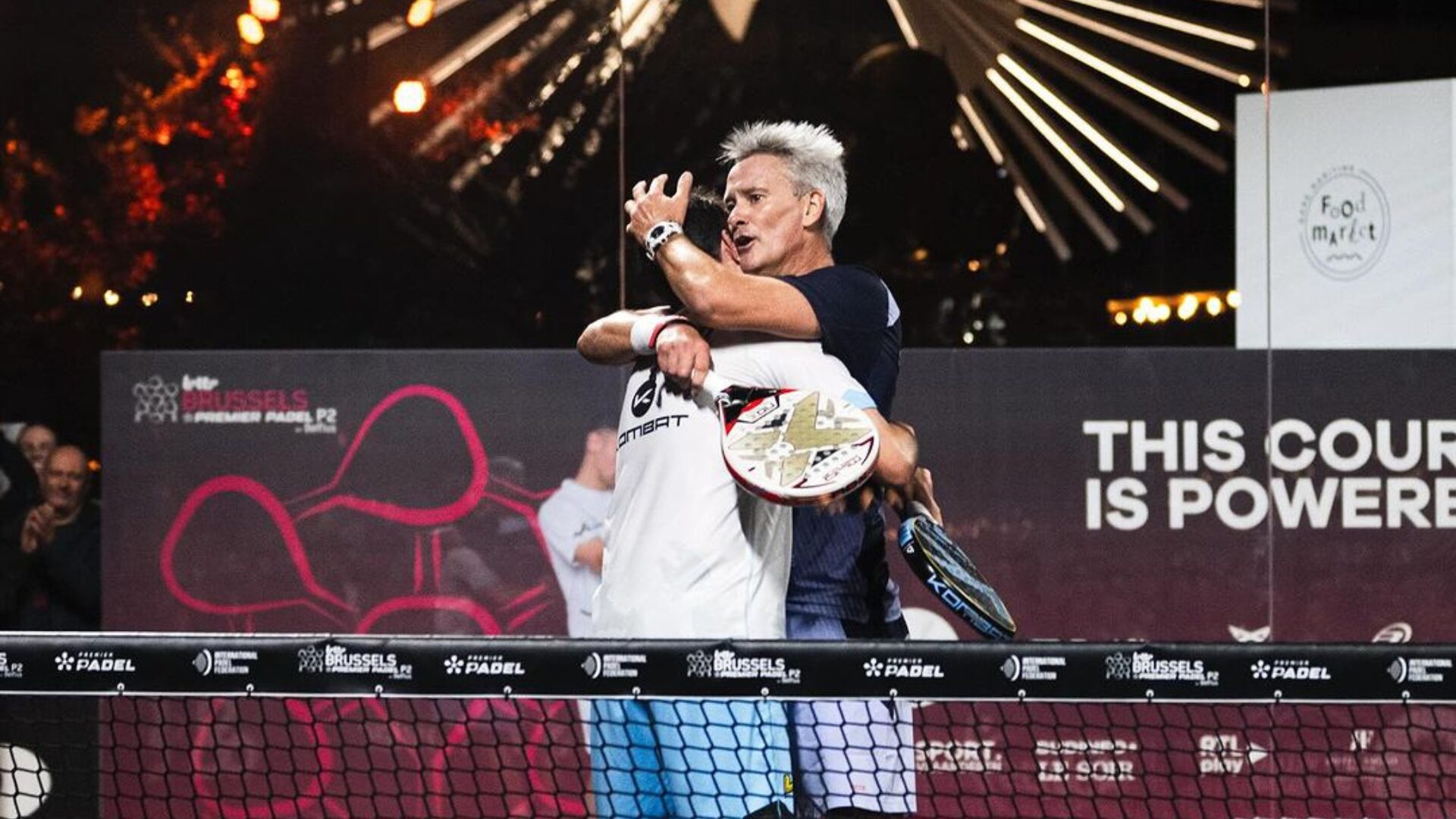 Big evening in Brussels with two seeded players on the mat, heckled number 1s…
 A1 Padel – the French Open replaces the Mexican Open on the calendar
 4 Fiberglass Padel Courts for The Ville de Paris: a choice that looks to the future
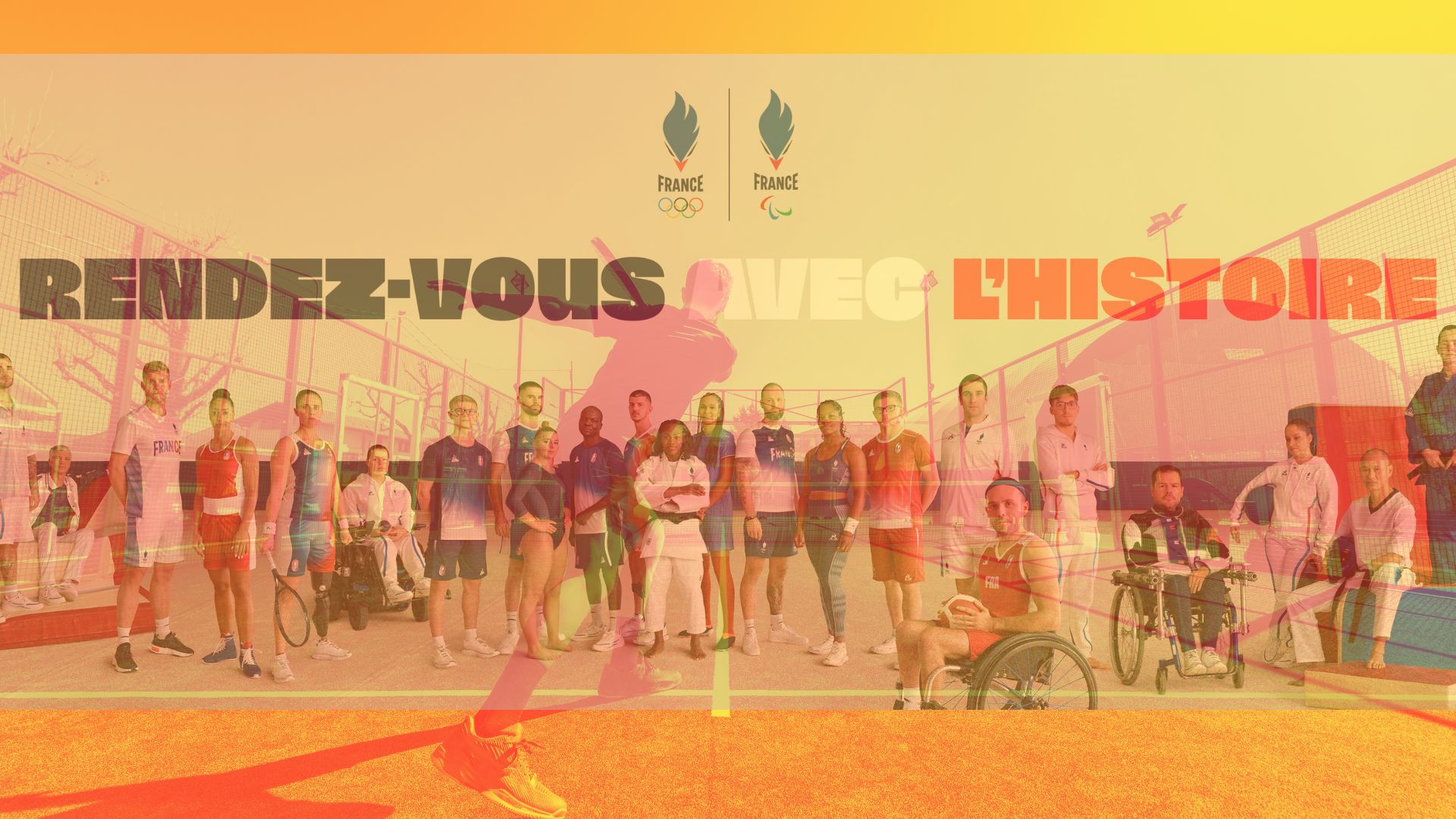 Olympic Games: Club France will have its 4 tracks padel !
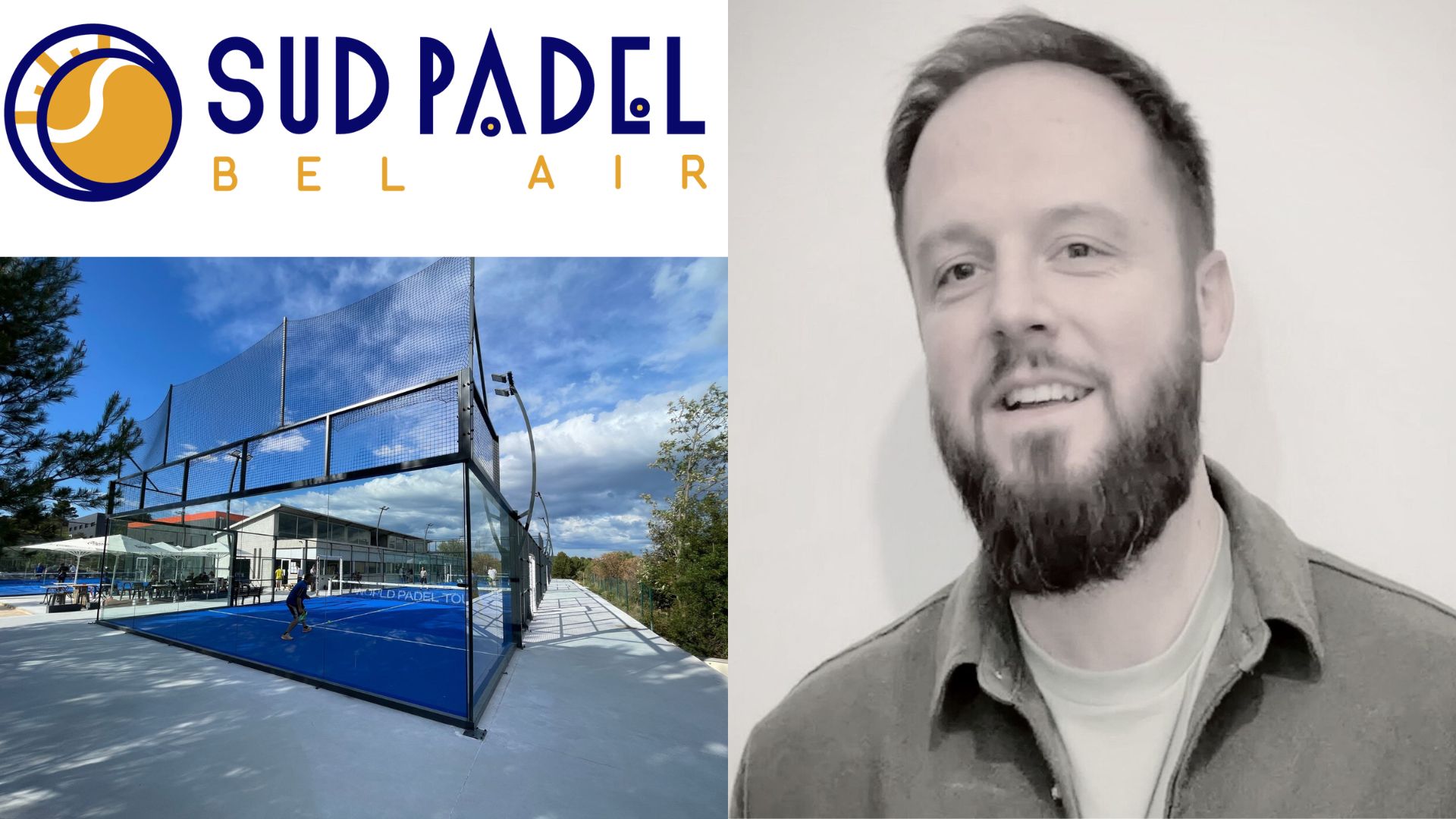 Guillaume Codron de Sud Padel : “A family project”
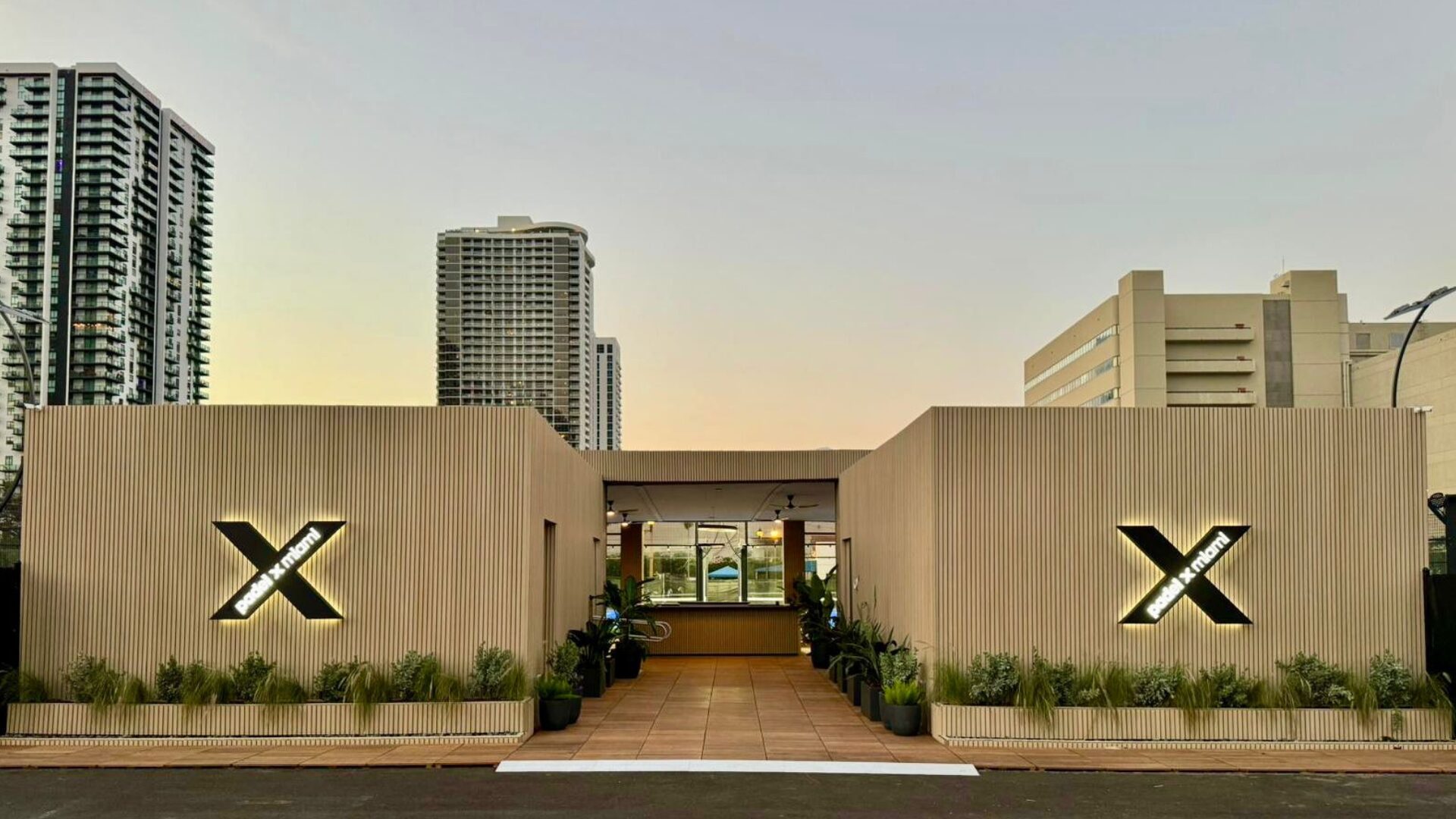 Nallé Grinda: “Democratize the padel in the USA with PadelX "
 Simon Boissé: “We know that there are two nations in front of us”
 Marie Maligo: “This period of frequent changes of partners was beneficial for me”
 Gilles Moretton: “We will be able to put the padel at the level of tennis”
 Two P1000 doubled prize money approaching!
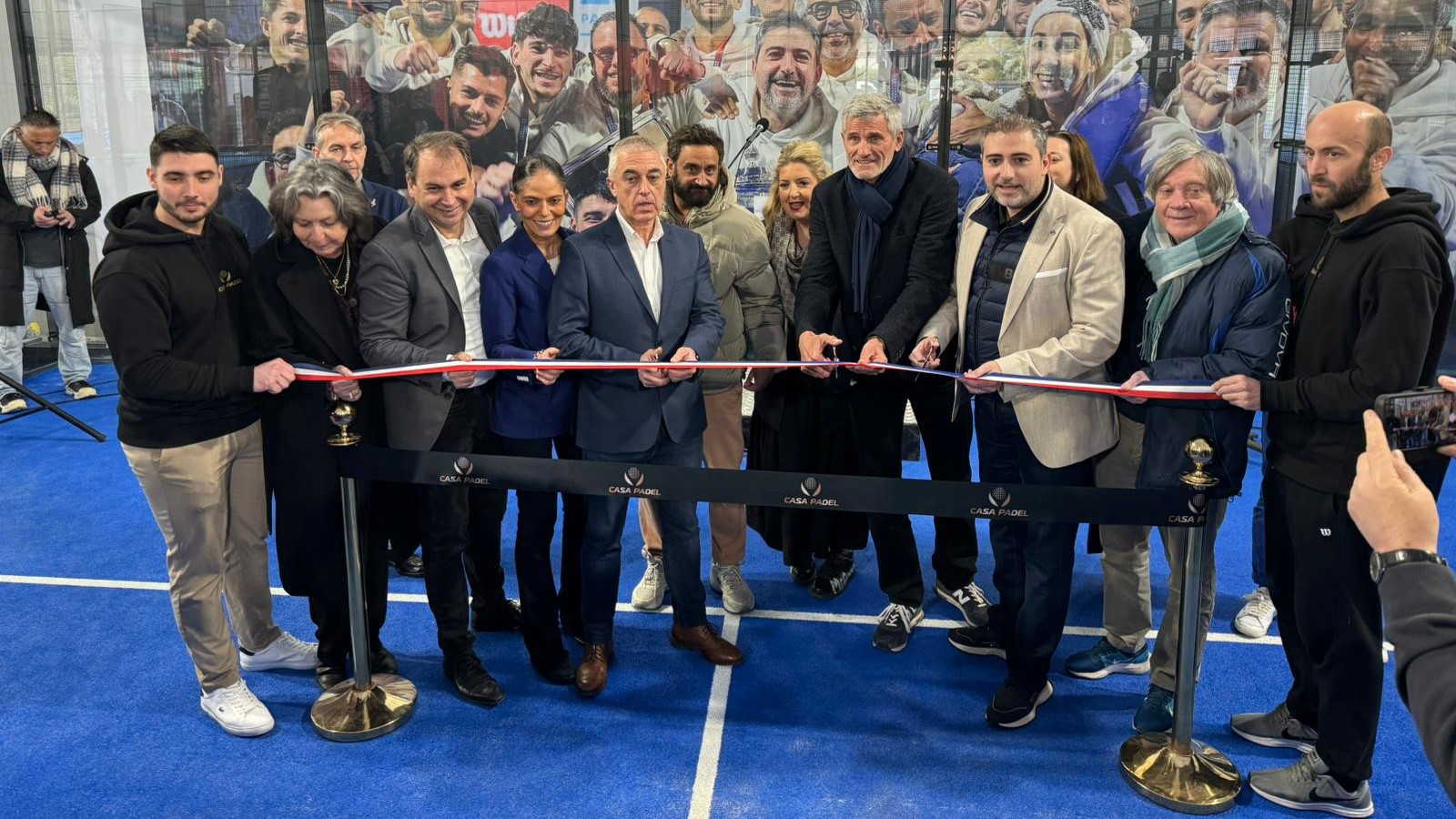 José Manuel Escin at the inauguration of Casa Padel DOS: “Finally, and thank you!”
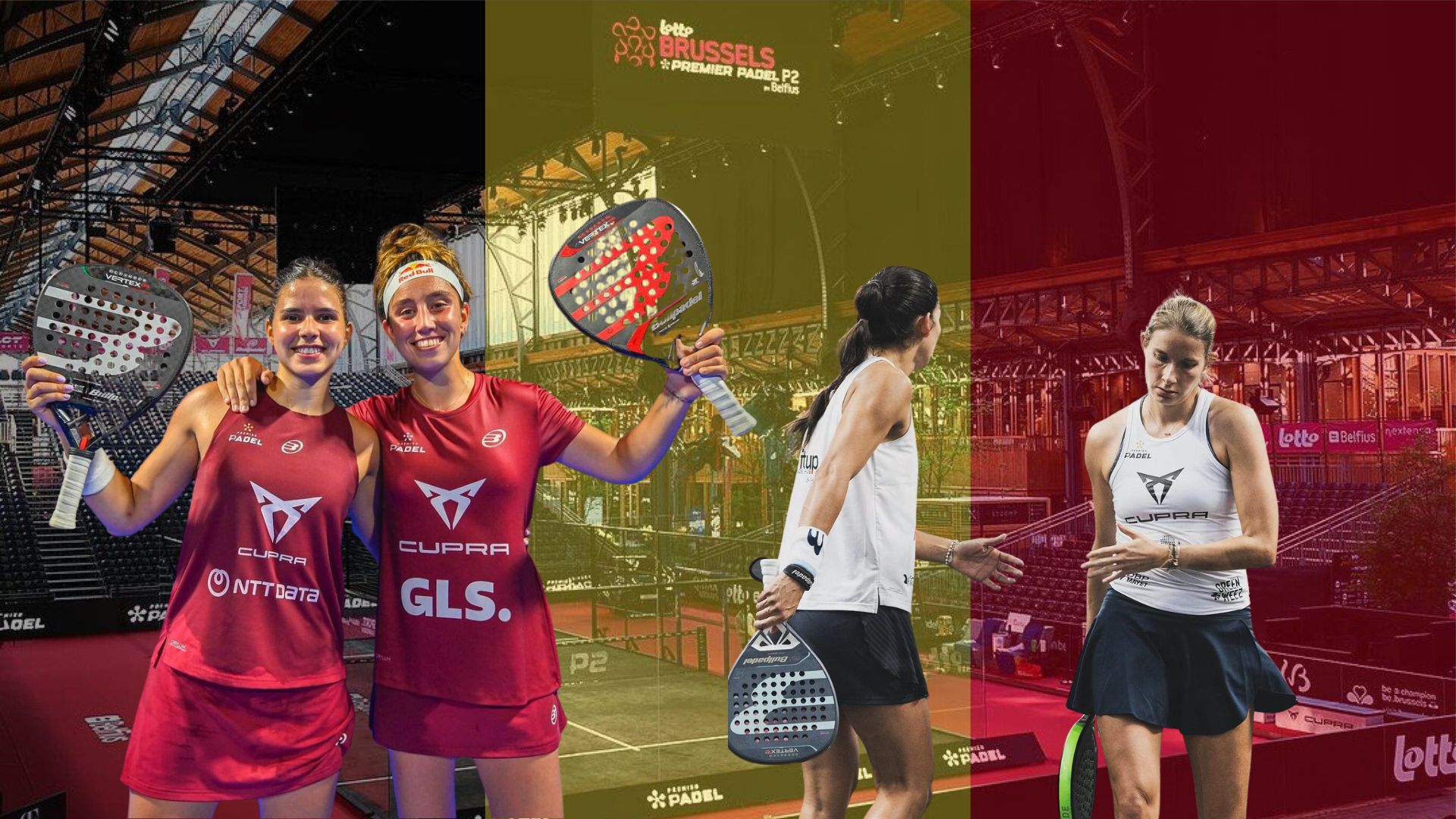 Brussels Premier Padel Brussels P2 – Collombon / Bidahorria falls against Brea / Gonzalez
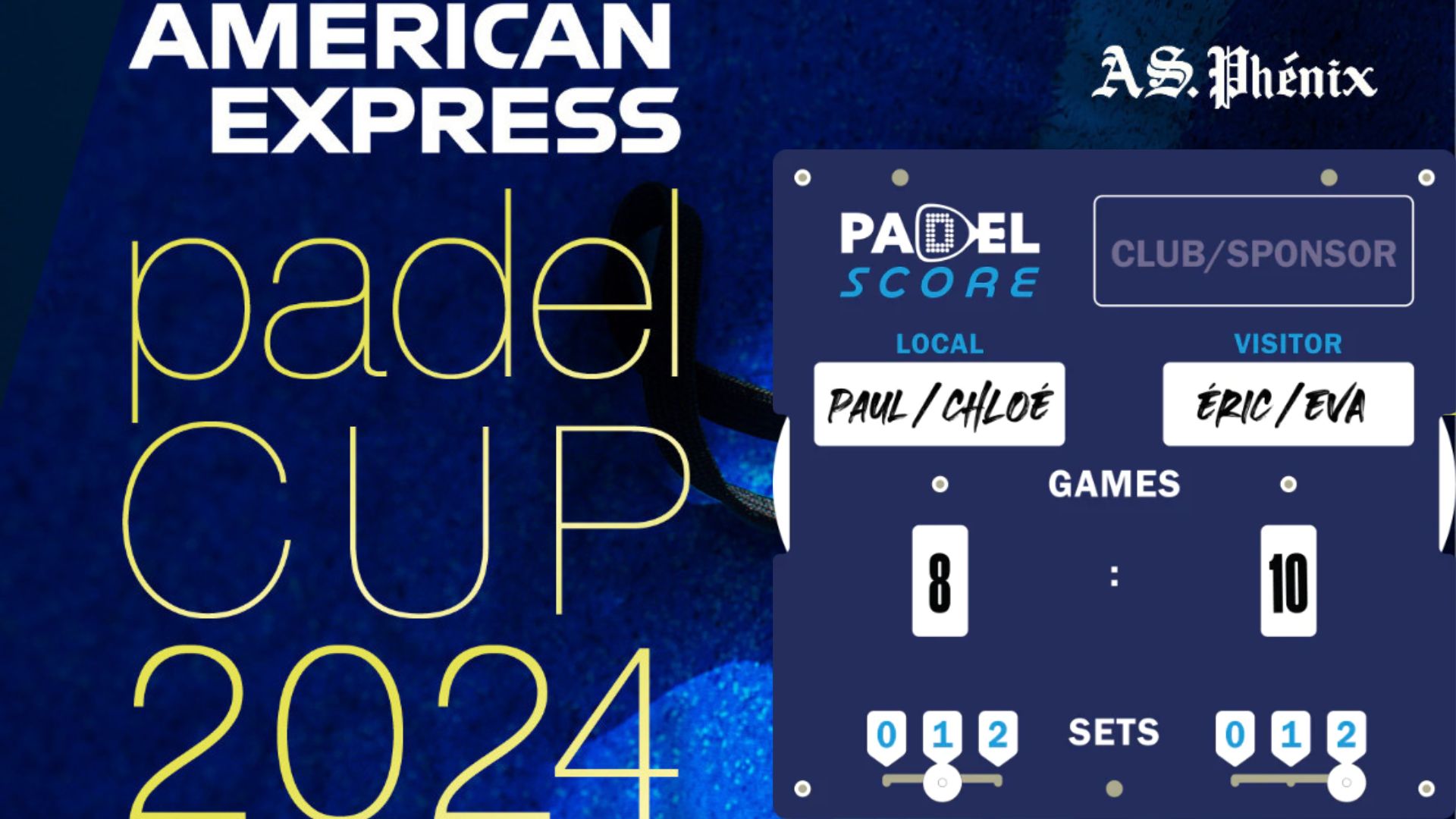 Padel Score comes to Tahiti for American Express Padel Cup!
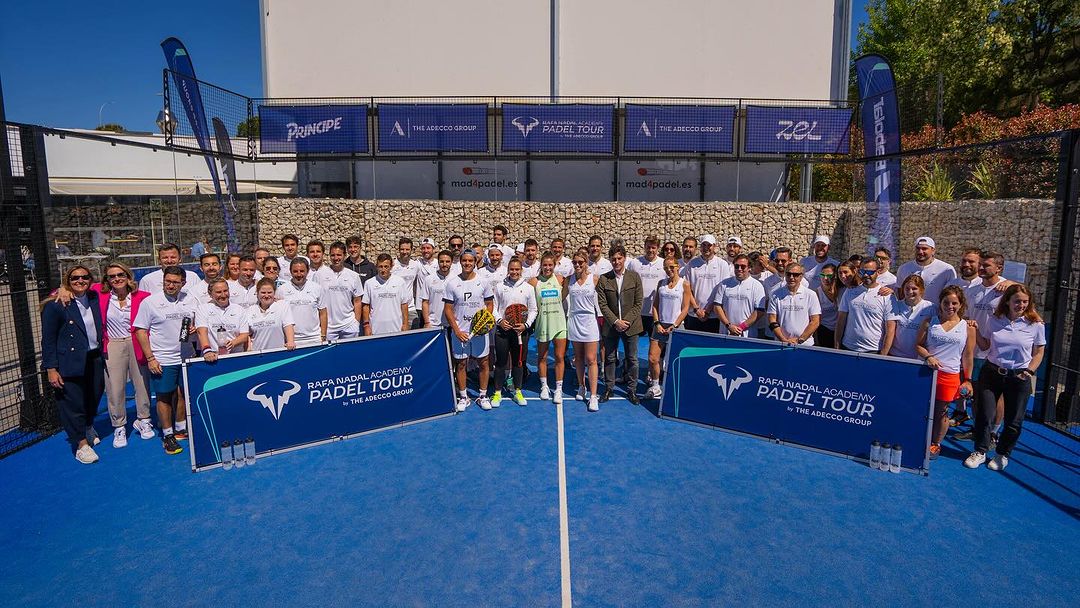 Do you know the Rafa Nadal Academy Tour?
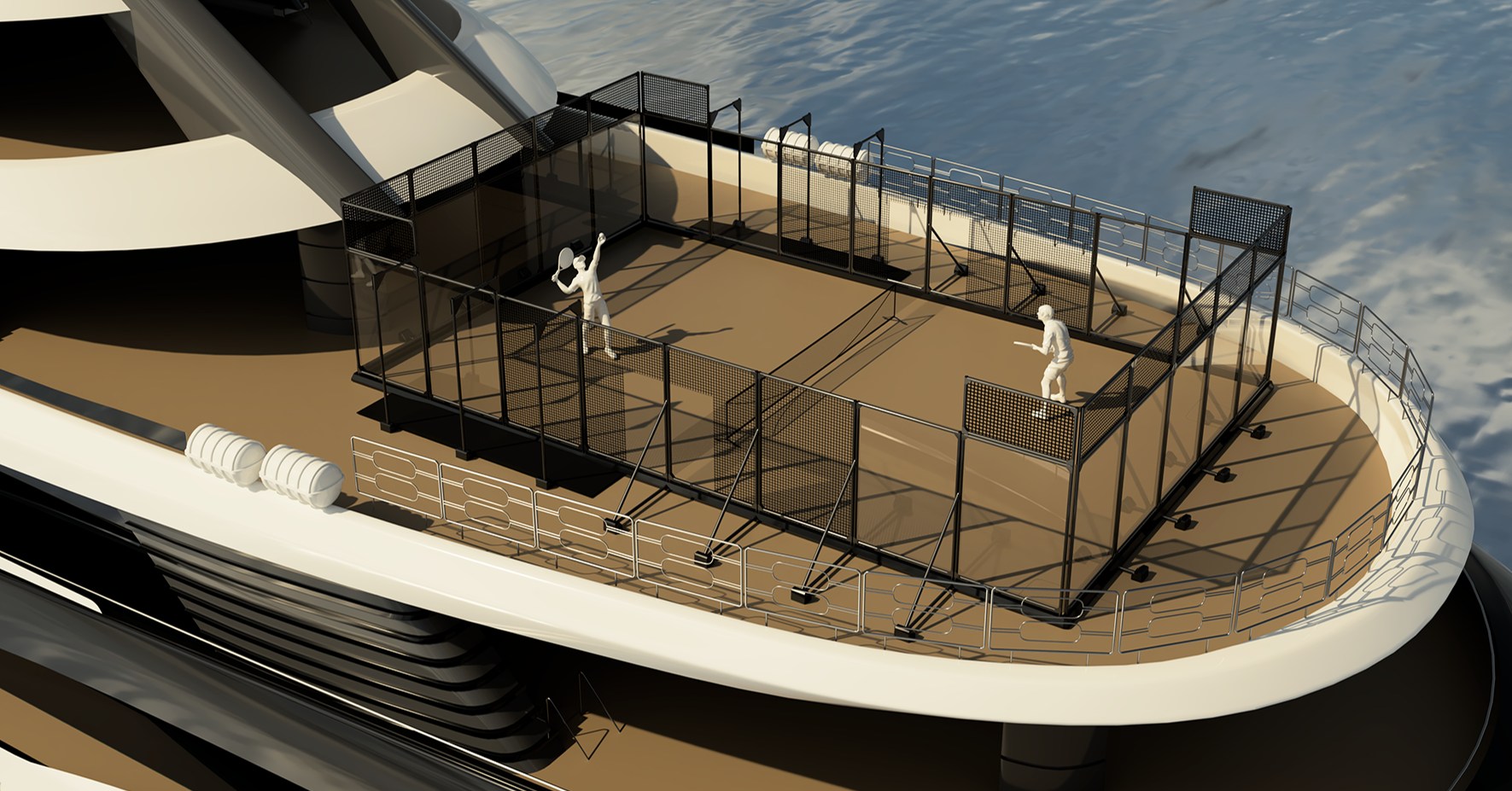 Play at padel on his yacht? Possible for €233.000!
 Our Top 10 training courses padel in France and Europe
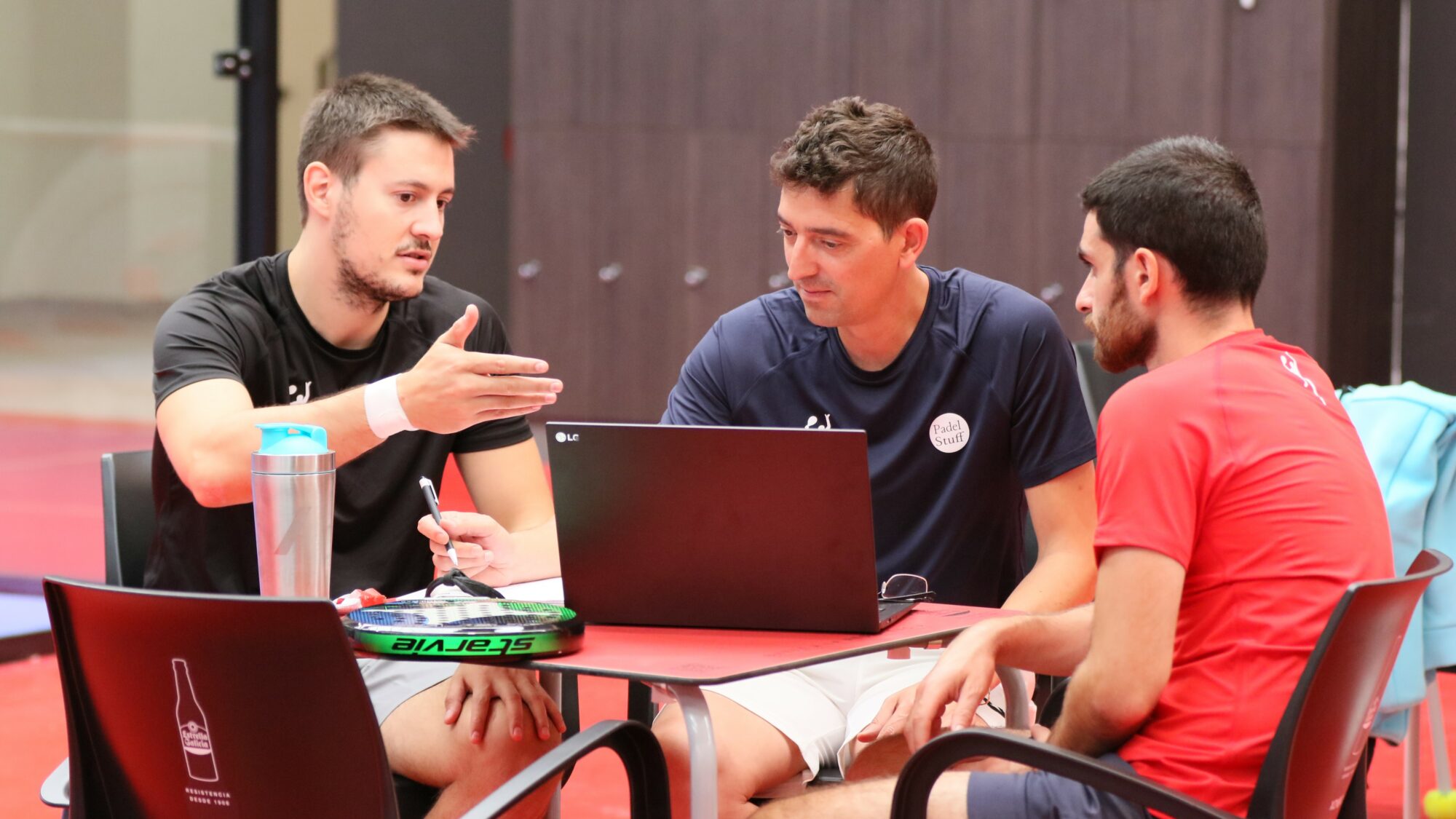 At the heart of padel – Episode 25: Paul and Andoni answer your questions
 Tactical padel – What to do when faced with players who systematically stay at the bottom?
 The basic tactics of padel
 At the heart of padel – Episode 25: Paul and Andoni answer your questions
 At the heart of padel – Episode 23: defend the window well
 Prohibition on playing topless Padel : the reasons
 FIP Tour – Going far from Europe, THE strategy to earn points!
 What is a good football player? padel ?
 “Lefties give me headaches when I play against them!”
 At the heart of padel – Episode 14: how to earn points in winter?
 A par 4 is always a winner...even if you manage to defend it!
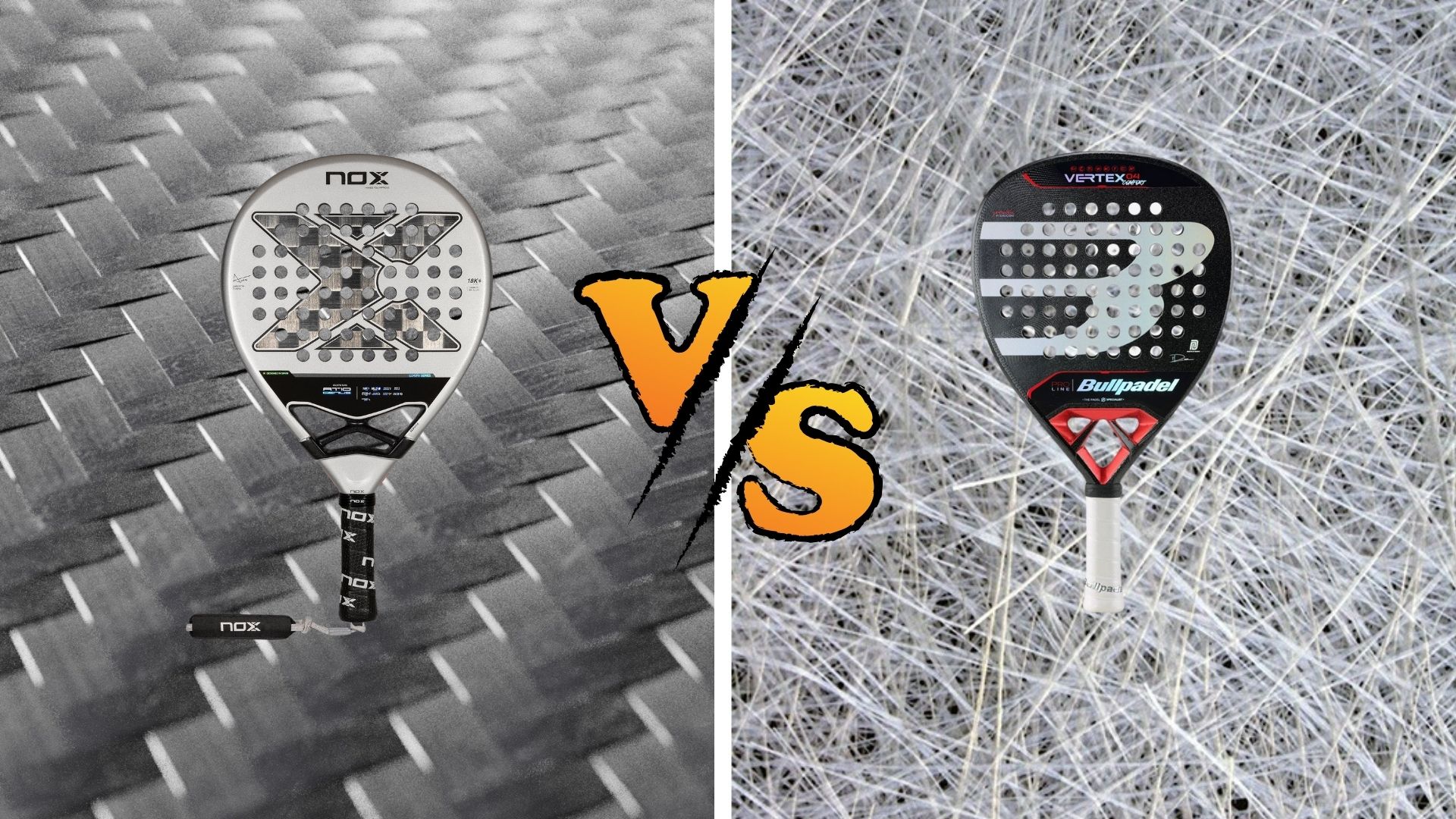 Carbon fiber VS fiberglass: what to choose?
 How to effectively test a racket padel ?
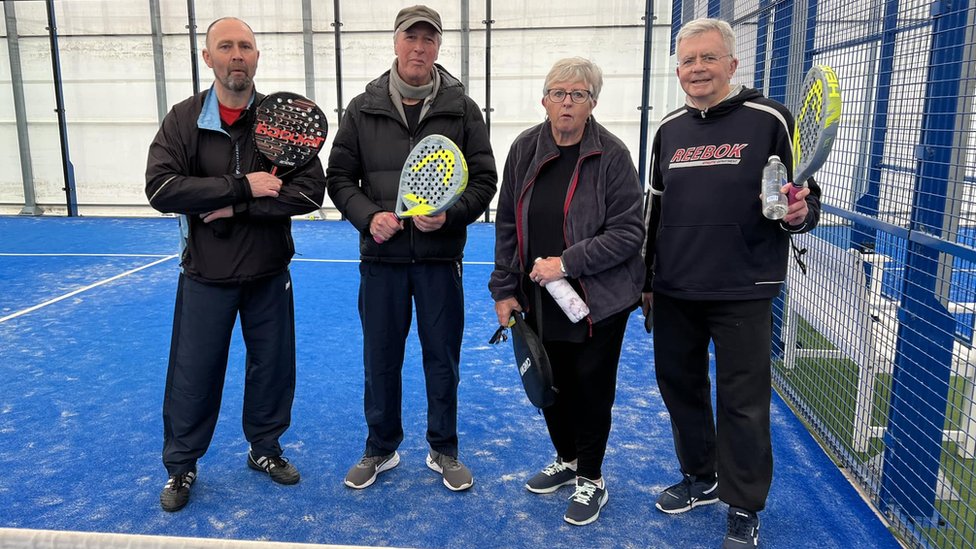 La padel to fight Parkinson's disease
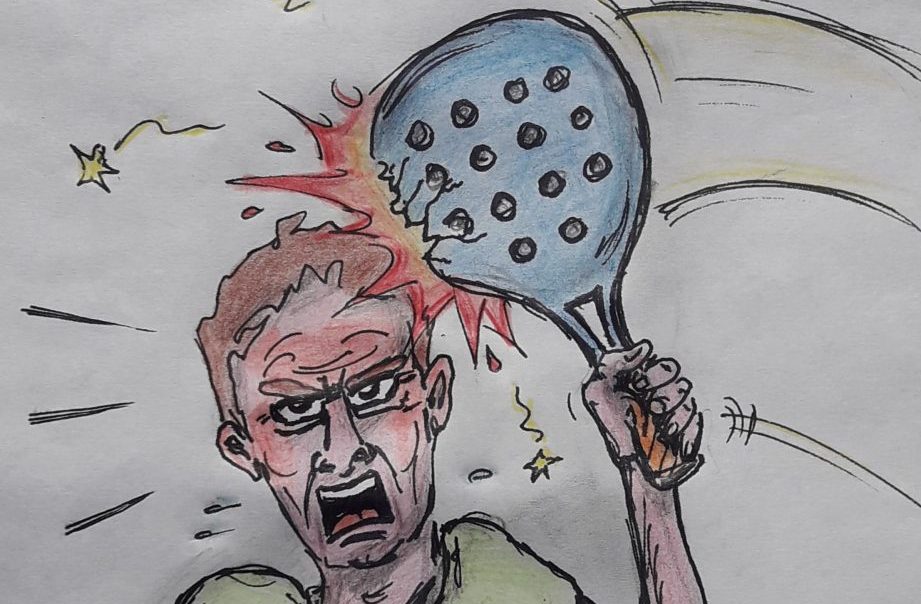 Don't play with a cracked or broken racket, your body will thank you!
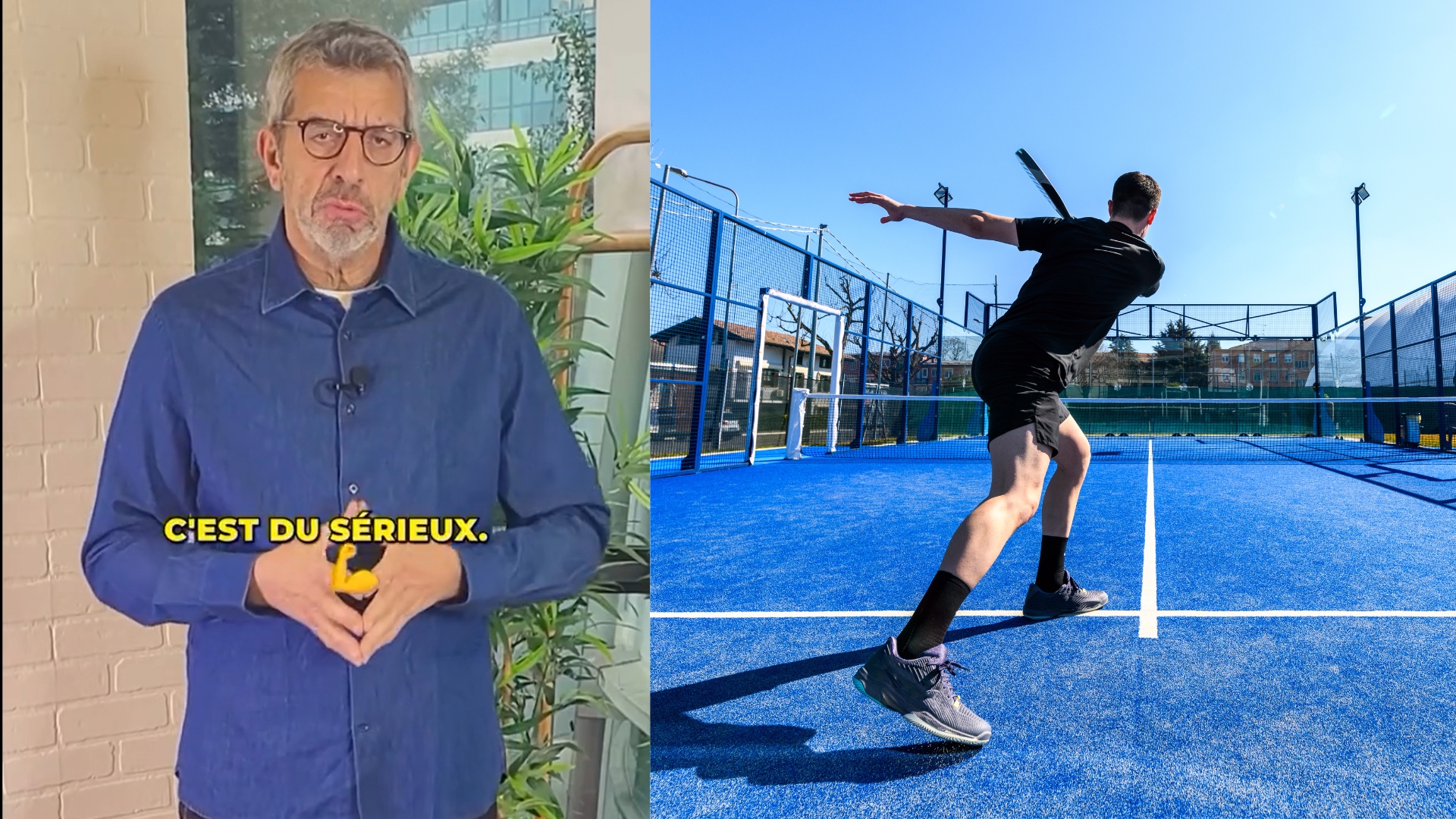 Michel Cymes: “The padel, physically, it’s serious!”
 Jeremy Gala: “Promote the padel among young people in Belgium remains a challenge”
 The French Touch Academy organizes its selection day Padel-Study
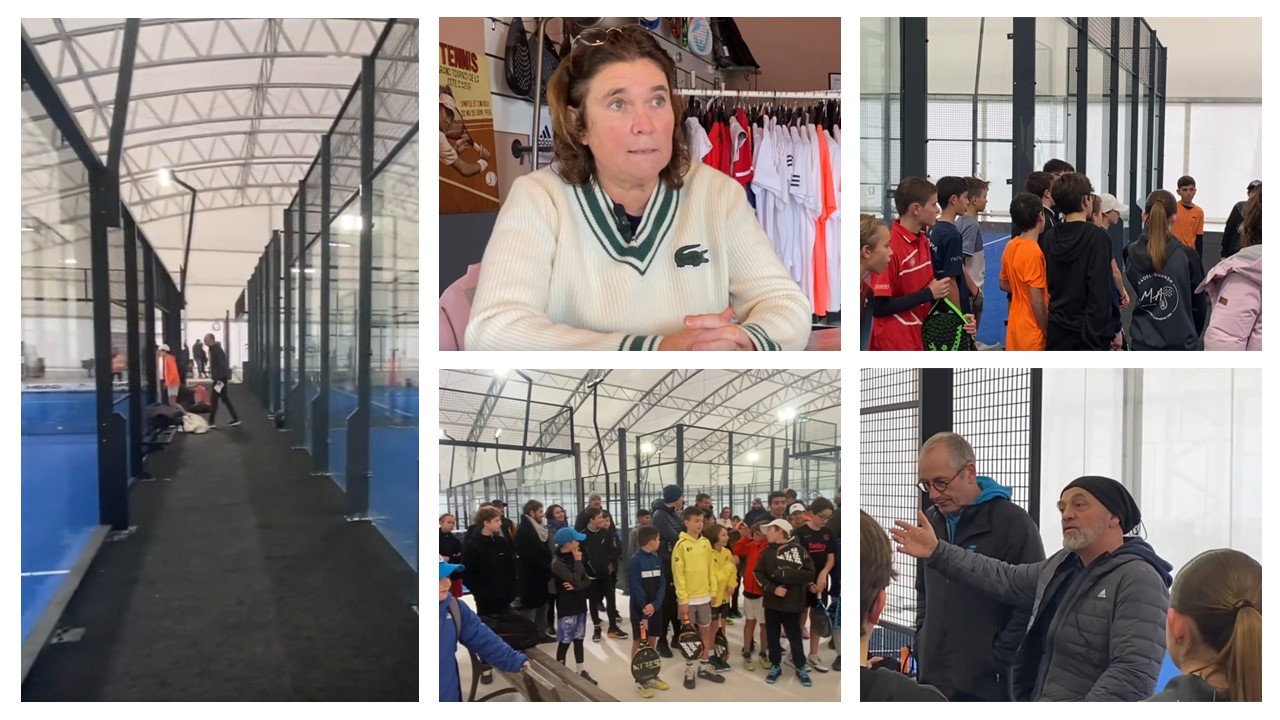 Report on the detection and training of younger generations