

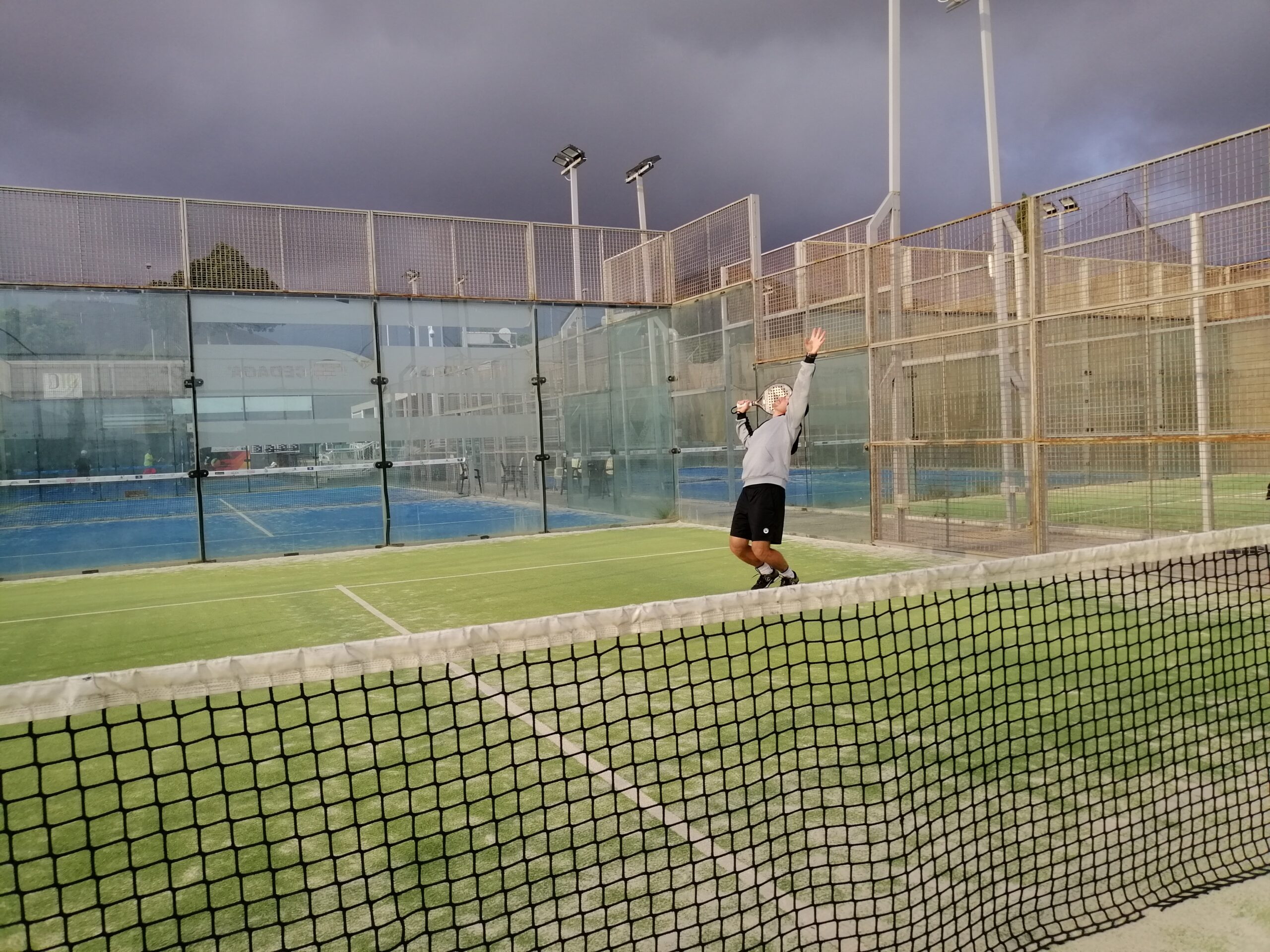











Friends of big hits or fans of aerial work well done, today, Padel May looks at the technique of smash at padel. A move that one might think easy to achieve but which deserves its learning time.
The blow so coveted by the big arms: the smash. Over the years, players begin to understand that the smash is not just a way to finish the point, but also a way to work on the defense of the opponents. Franco Stupaczuk is one of those players who doesn't hesitate to use the smash a lot as a means of construction. So here we are, here we are, let's break down the smash in our basics padel.
Before we start, let's try to find a resemblance of our smash padel with other sports. The goal of the tennis smash will be to finish the point so yes, we could be inspired by this sport, but also, still in tennis, the serve is impacted above the head, with several effects, and that could also interest us .
There is beach tennis which takes up these same effects with a racket that is similar to that of the padel. Then, squash and badminton use the flat strike rather than the spinning one. Finally there are other sports such as volleyball which use overhead strikes and which can be a source of inspiration for the player. padel.
This is an example of what we can find and copy from other sports and apply to padel. There are certainly others that you can of course comment on.
So if we put our studies and research together, it would appear that there are more than just flat hitting with the smash. There are also effects. These effects will be lifted with a bottom-up effect, or brushed with a side impact from right to left or from left to right. So certainly we can believe that these side effects are used only for bandejas, but be aware that it also works with smashes.
The effects
We're going to have to play with our racquet grip and our wrist flexibility. The more relaxed we are, the more effective our smash will be.
Using effects will allow us to control ball speed to endanger opponents by looking for the ball. wire rack, the side window or the back window. This taking effect will be more or less important depending on the place of impact. We are well aware that a smash hits over the head, but this area is wide. We invite you to test impacts above your head, lightly on your right shoulder, lightly on your left shoulder, in front of you and behind you. By varying the speed you will discover new exits to your smash.
The curve
Curving your ball will allow you to broaden your range of smashes. The classic smash, hit flat from the top down will have a downward, straight curve, with a rebound fairly close to the net.
The same flat smash can be impacted lower and have a more rectilinear curve for a deep rebound, close to the back glass. Finally, and this is surely the most used curve, it is the use of the smash which, when leaving the racket, will first go upwards before going down again. This curve is used a lot because it allows you to find angles, like the short cross at the grid, like the par 3 with a rebound close to the back glass, impacted from the service line, but be careful, it is also the most technically complicated.
Technical
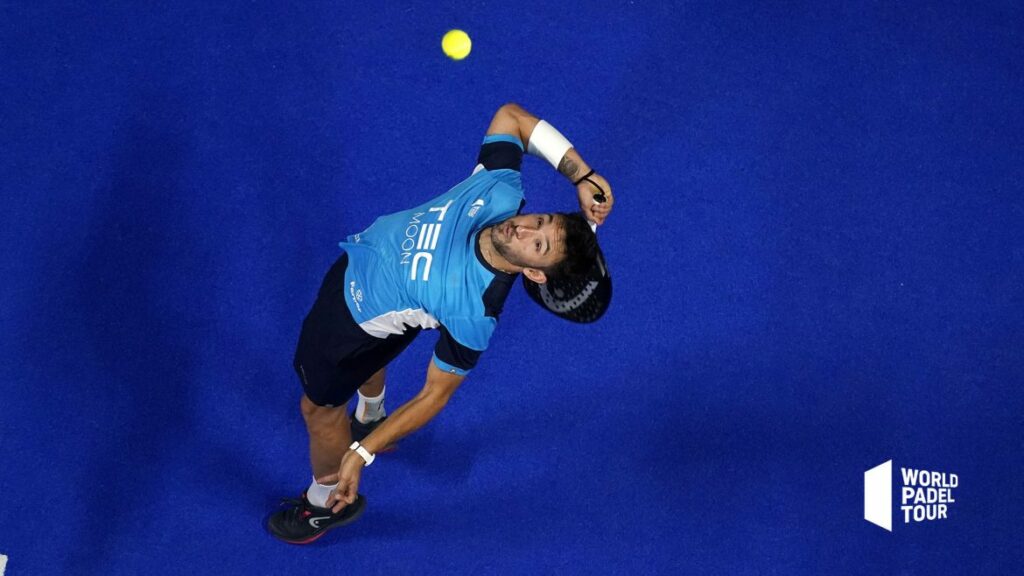
The smash is both simple and complicated. Simple because everyone is able, from day one on the track, to hit a smash. Complicated because the effect and fluidity in the gesture will automatically go through technical mastery.
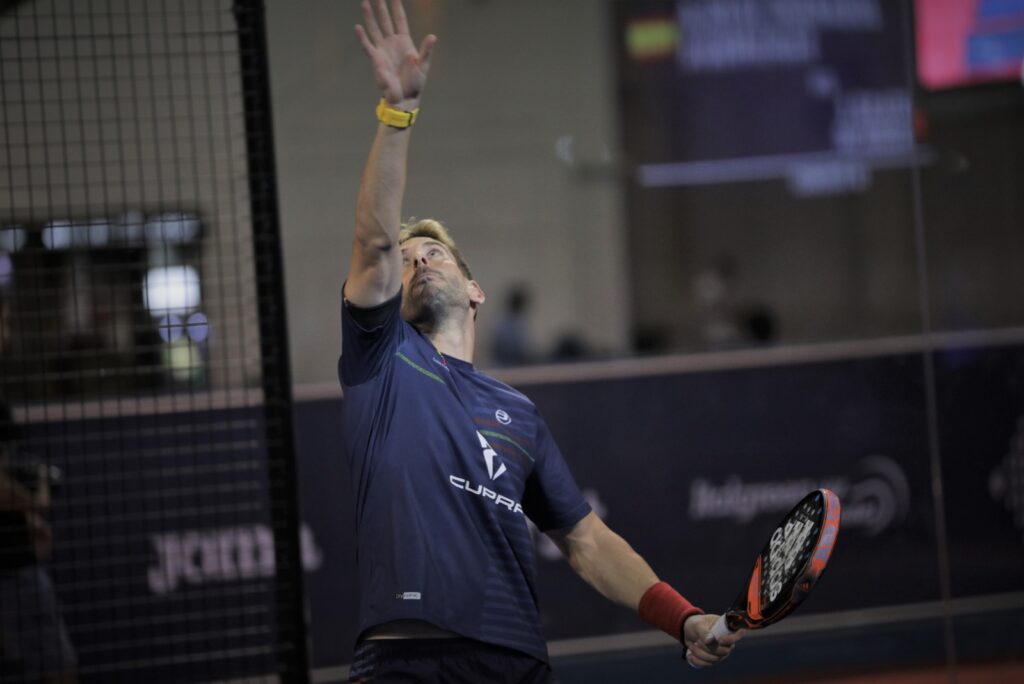
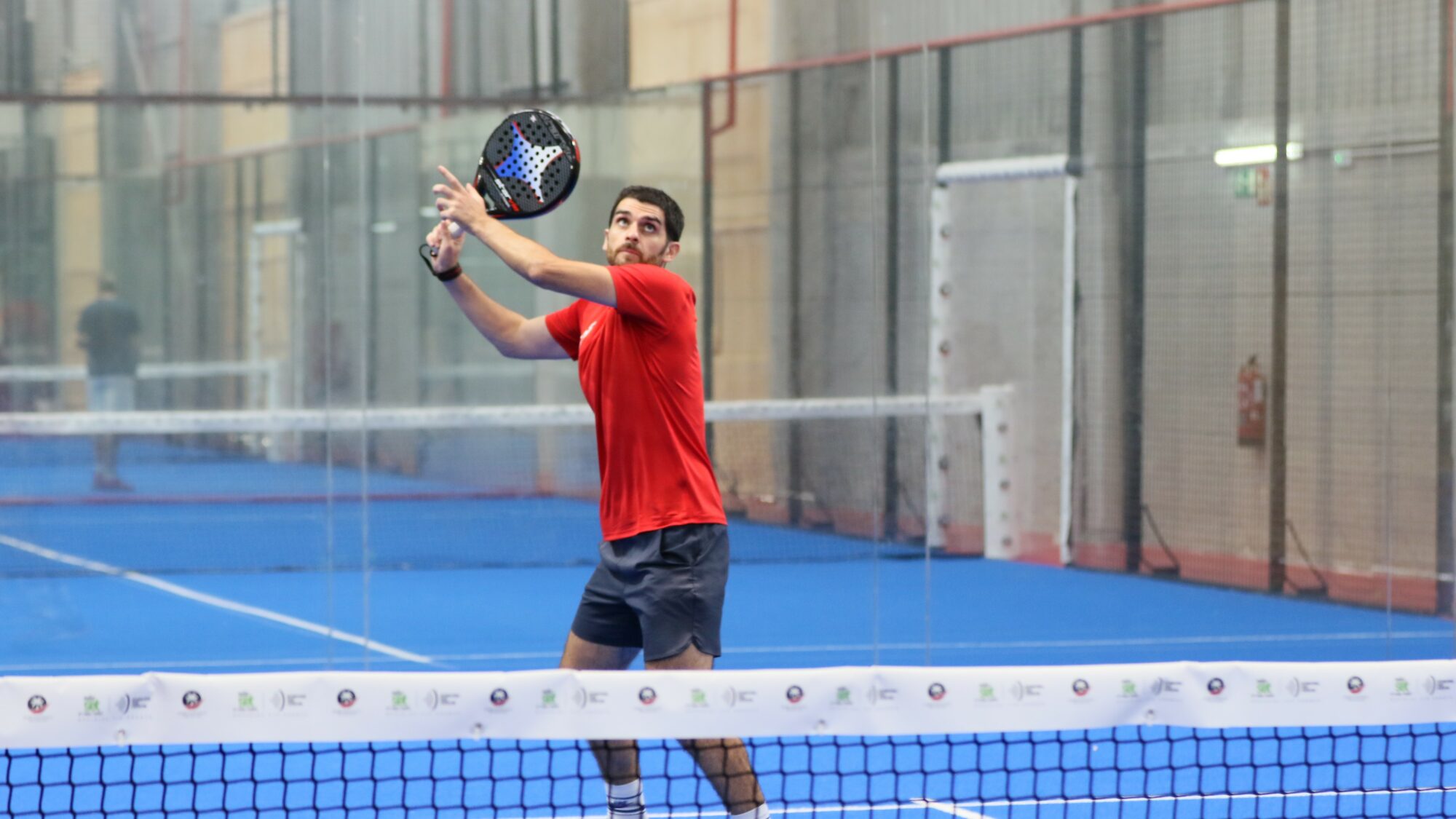
Before getting into the technique, consider practicing the powerless impact first. Don't skip steps and always want to hit full force. So, posted at the net, our opponents attempt a lob with a “bell” ball. This high ball will allow us to place ourselves under it, it is the base. The non-dominant hand will immediately point the ball, which will allow us to look for the impact in front, on the right side, left or behind us.
At the same time as the action of the non-dominant hand, the pala will be placed. We speak of a “bird's wing” type opening for ample preparation or even a shorter preparation, pala placed behind the head, arm bent.
The legs will also do their job. Either with a first forwards or backwards, we will adjust our position by moving in profile, or in chasing steps, or like a crab by crossing our legs with each movement. Once the perfect position is found, we will try to join our feet, on the point, to cause an imbalance and to arch our body. This imbalance will force us to push up on our legs. Being arched will act as a bow that bends before releasing the arrow. We will gain in execution power, we will give more spin to the ball, and above all we will get the ball as high as possible.
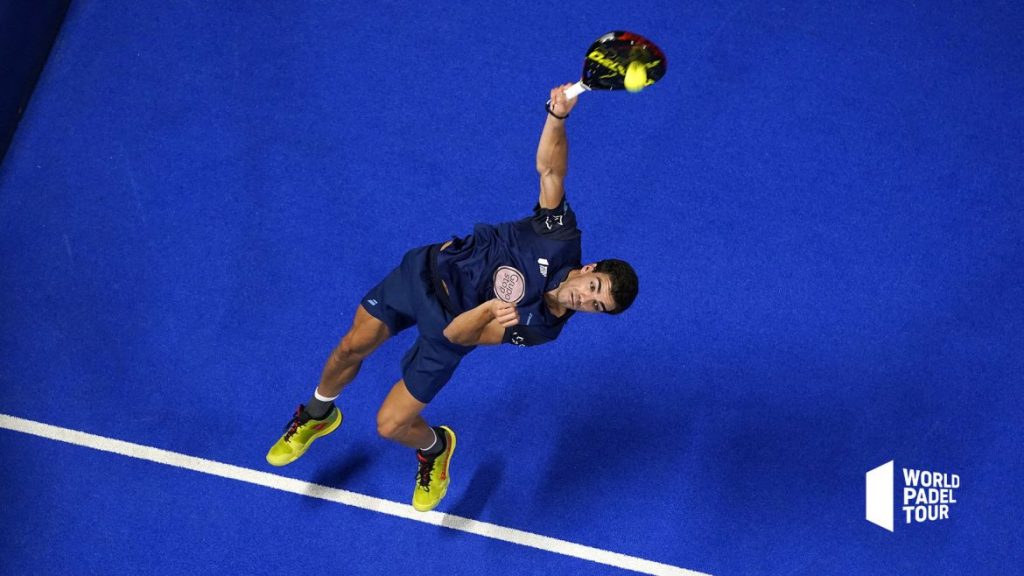
The end of the gesture will differ depending on the style of the smash. For a powerful smash, flat, our pala will finish its race, for a right-handed person, under the left arm, because our end of movement will be forward. For a spin with effect, since we will finish in extension, the dynamics will throw us backwards or towards our non-dominant shoulder. The dominant arm will therefore end, to rectify the balance and also for the effect, outside, far from our body. Finally, and for effect smashes with a lot of power, the dominant leg will rise to the level of the end of the dominant arm for a perfect balance.
Conclusion
The smash at padel is a very simple move to use from the first days, but very difficult to master when we want to give it effect. Take it step-by-step, without hurrying, first looking for a nice ingredient that is impact, a nice work area, a bounce and a precise gesture, then add a pinch of power for a recipe. final, worked on week after week, which will delight you and your guests (not sure…).
Julien Bondia is a teacher of padel in Tenerife (Spain). Columnist and advisor, he helps you play better through his tutorials and tactical/technical articles padel.














































 Lucho Capra: “I have fun again on the track”
 Big evening in Brussels with two seeded players on the mat, heckled number 1s…
 A1 Padel – the French Open replaces the Mexican Open on the calendar
 Guillaume Codron de Sud Padel : “A family project”
 Nallé Grinda: “Democratize the padel in the USA with PadelX "
 Simon Boissé: “We know that there are two nations in front of us”
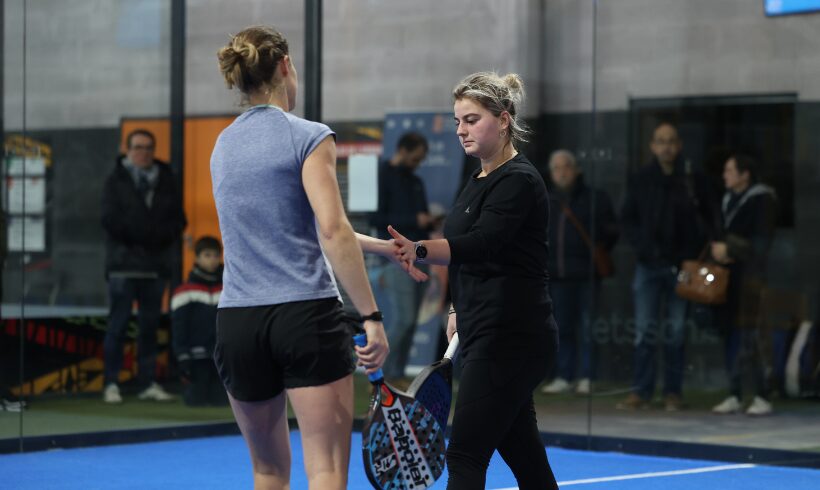 Marie Maligo: “This period of frequent changes of partners was beneficial for me”
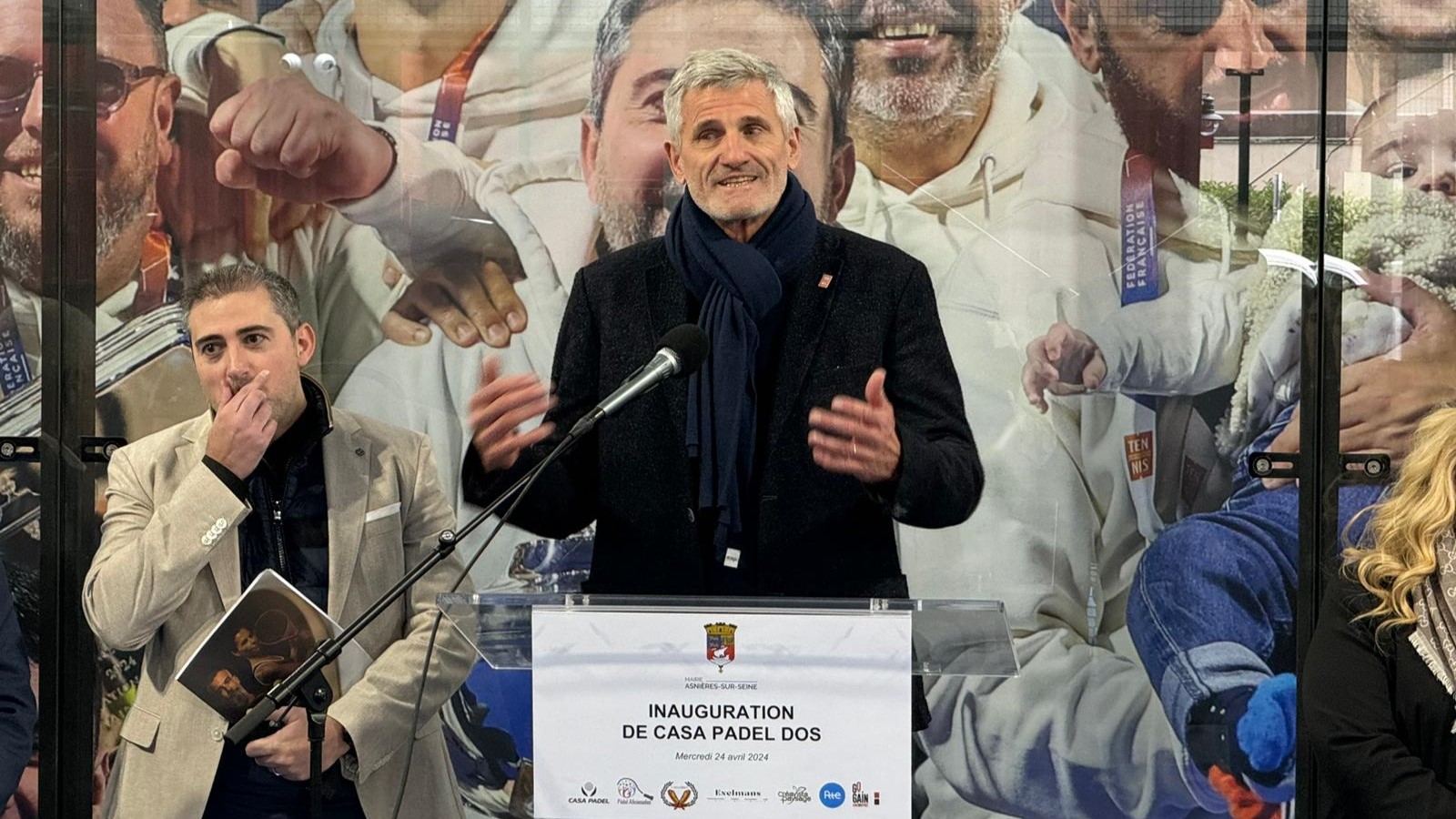 Gilles Moretton: “We will be able to put the padel at the level of tennis”
 Two P1000 doubled prize money approaching!
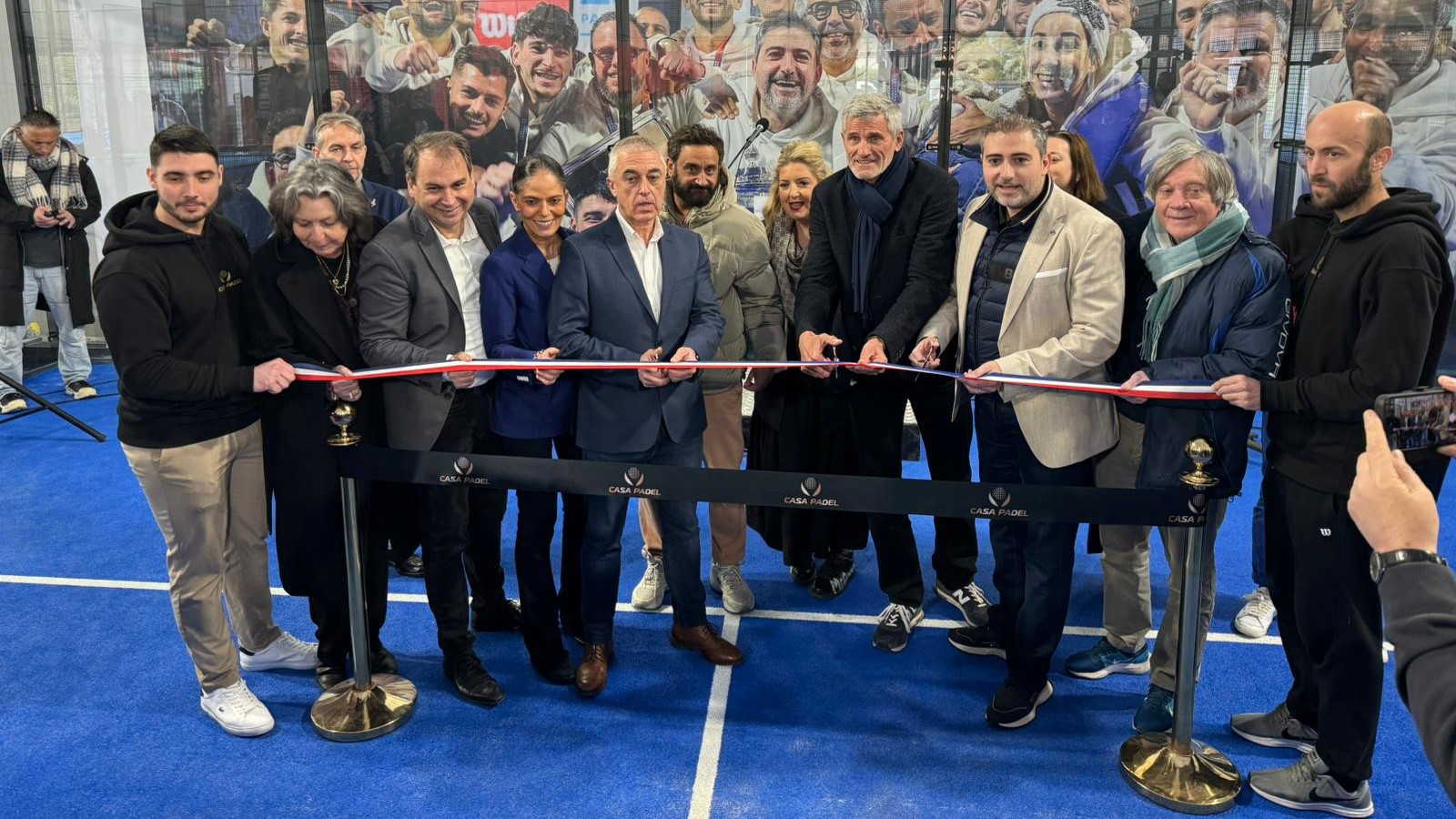 José Manuel Escin at the inauguration of Casa Padel DOS: “Finally, and thank you!”
 4 Fiberglass Padel Courts for The Ville de Paris: a choice that looks to the future
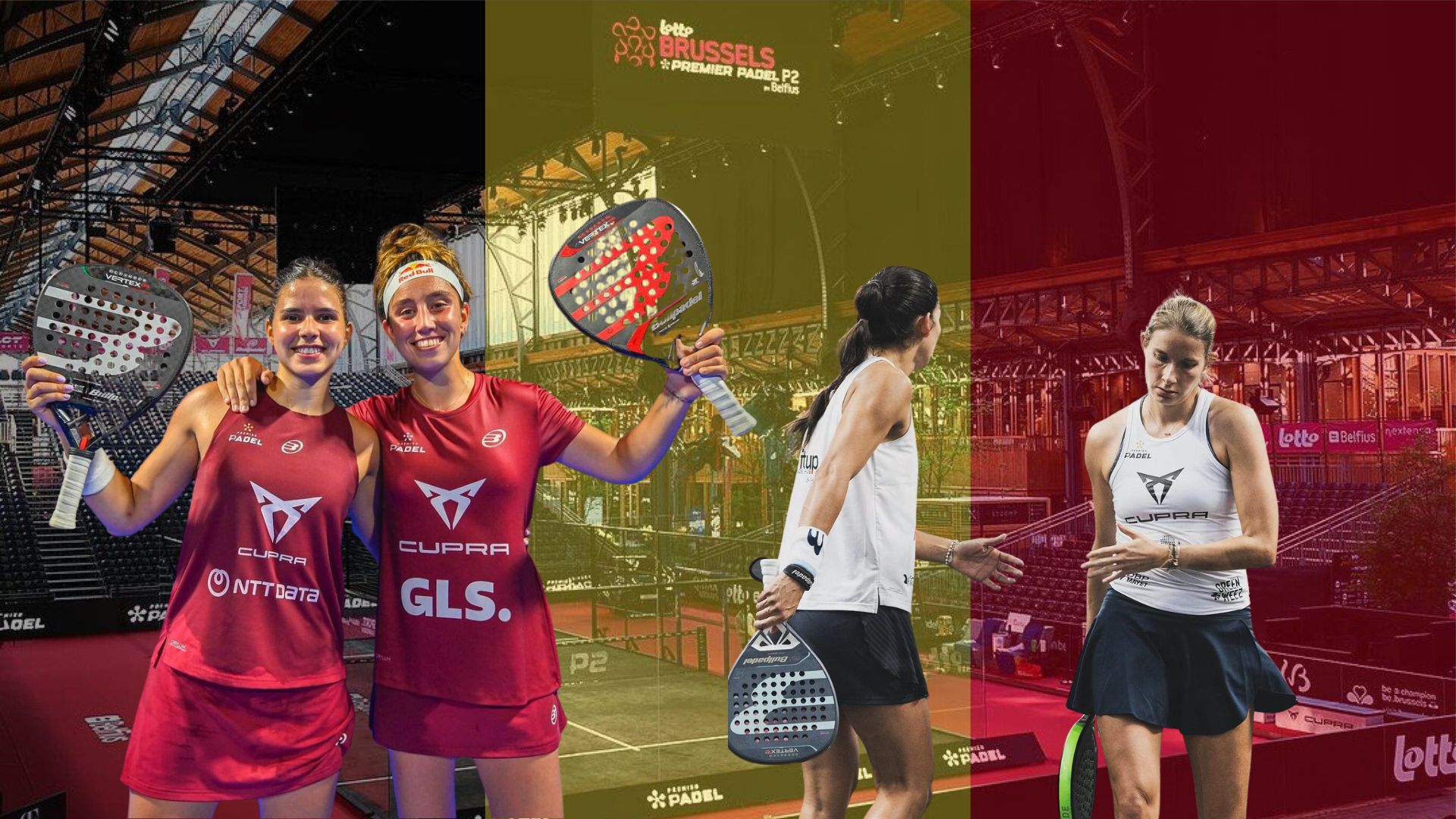 Brussels Premier Padel Brussels P2 – Collombon / Bidahorria falls against Brea / Gonzalez
 Padel Score comes to Tahiti for American Express Padel Cup!
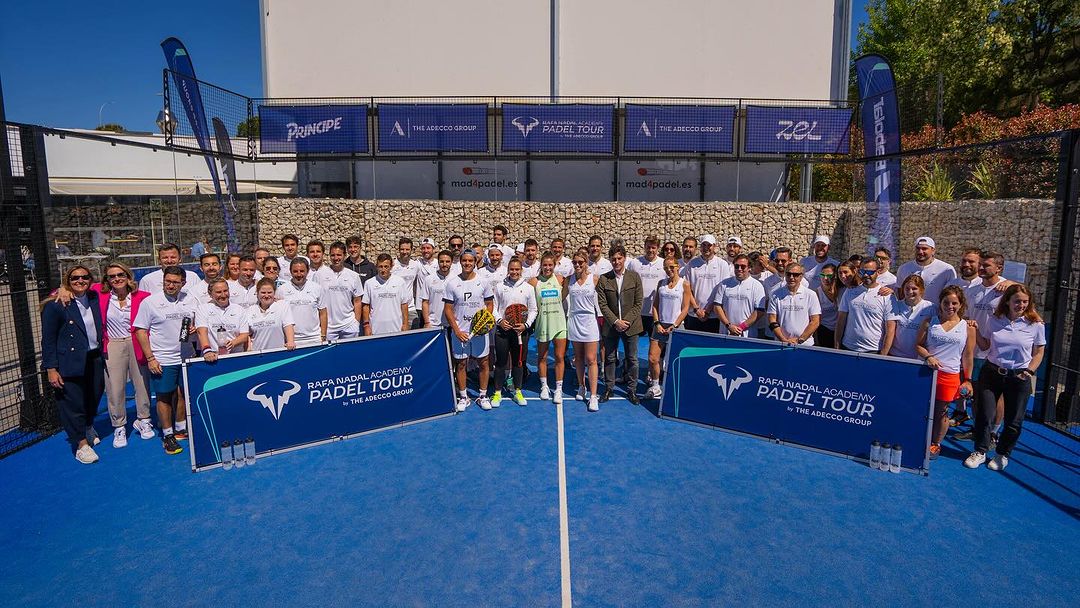 Do you know the Rafa Nadal Academy Tour?
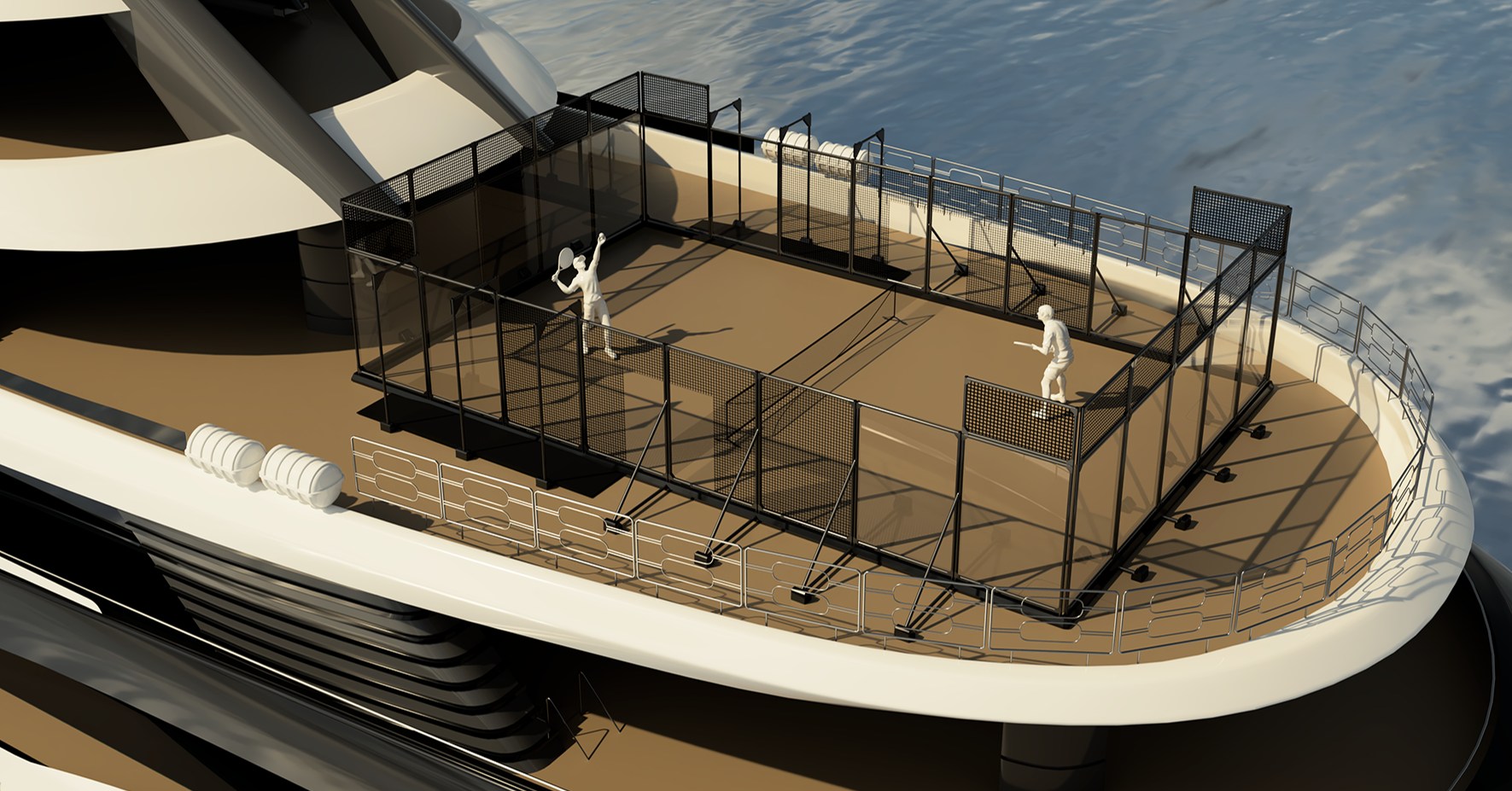 Play at padel on his yacht? Possible for €233.000!
 Our Top 10 training courses padel in France and Europe
 At the heart of padel – Episode 25: Paul and Andoni answer your questions
 Tactical padel – What to do when faced with players who systematically stay at the bottom?
 The basic tactics of padel
 At the heart of padel – Episode 25: Paul and Andoni answer your questions
 At the heart of padel – Episode 23: defend the window well
 Prohibition on playing topless Padel : the reasons
 FIP Tour – Going far from Europe, THE strategy to earn points!
 What is a good football player? padel ?
 “Lefties give me headaches when I play against them!”
 At the heart of padel – Episode 14: how to earn points in winter?
 A par 4 is always a winner...even if you manage to defend it!
 Carbon fiber VS fiberglass: what to choose?
 How to effectively test a racket padel ?
 La padel to fight Parkinson's disease
 Don't play with a cracked or broken racket, your body will thank you!
 Michel Cymes: “The padel, physically, it’s serious!”
 Jeremy Gala: “Promote the padel among young people in Belgium remains a challenge”
 The French Touch Academy organizes its selection day Padel-Study
 Report on the detection and training of younger generations